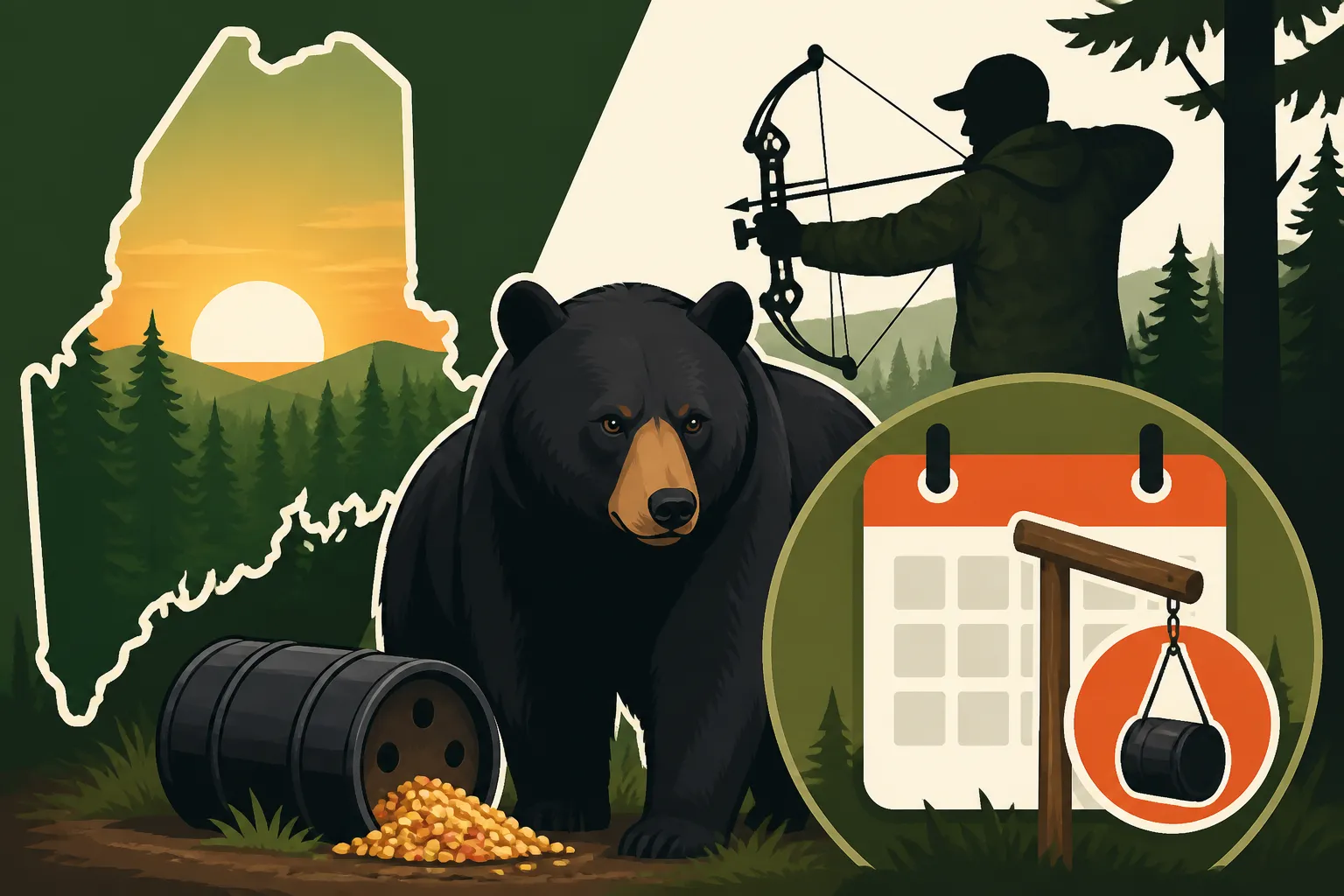
Maine Bear Bait Season Dates
Trying to get a handle on Maine's bear bait season dates can feel like deciphering an ancient scroll, especially for new hunters or those coming from states with vastly different regulations. It's not just about knowing when you can pull the trigger; it's about understanding the precise window for bait placement, when you can actually hunt over that bait, and even when you need to completely remove every last crumb. This isn't just bureaucratic red tape; these regulations are crucial for effective wildlife management and maintaining ethical hunting standards. This comprehensive guide will untangle the rules, validate the common frustrations, and make sure you're fully prepared and compliant for your next Maine bear hunting adventure.
Understanding Maine's Unique Bear Baiting Season Structure
Maine's approach to bear hunting is pretty unique, standing out from many other states that either ban baiting outright or have very different timelines. Here in Maine, baiting isn't just tolerated; it's a deeply ingrained tradition and a crucial management tool. When you first look at the regulations, it might seem complicated, but once you understand the "why" behind it, the "what" becomes much clearer. We're dealing with one of the healthiest and densest black bear populations in the country, and managing them effectively requires a multi-pronged approach, with baiting being a significant part of that strategy.
Why Bear Baiting is a Legal and Traditional Method in Maine
Let's be real: baiting can be controversial in some circles, but in Maine, it's a long-standing and widely accepted practice. For generations, Mainers have used bait to draw bears into accessible areas, providing hunting opportunities and helping manage the bear population. The Maine Department of Inland Fisheries and Wildlife (MDIFW) recognizes that baiting is an effective way to achieve harvest objectives, especially given the vast, dense forests that make up much of our state. Without bait, locating and harvesting bears in these expansive, thick covers would be incredibly challenging for many hunters. It allows for better shot selection, increasing the chances of a clean, ethical harvest, and it's a technique that's often passed down through families, connecting hunters to the land and its resources in a very traditional way.
Another significant factor is the economics. Bear hunting, particularly guided bait hunts, brings in substantial revenue for our state and supports many small businesses, from sporting camps to local outfitters. This isn't just about a good time in the woods; it's about sustaining livelihoods and contributing to rural economies. The tradition also comes with a significant amount of knowledge passed down about bear behavior, bait preferences, and site selection, making it an art form for many experienced hunters.
The Different Bear Hunting Methods and How Baiting Fits In
When you talk about bear hunting in Maine, you're actually talking about a few distinct methods, and it's important to understand how baiting fits into the broader picture. Maine officially sanctions three legal methods for hunting black bears: baiting, hunting with the aid of dogs (hounds), and still-hunting or stalking. Each method has its own season dates, regulations, and challenges, catering to different hunting styles and preferences. If you're looking for a deeper dive into all the options, check out our guide on Maine's Three-Method Bear Season.
Baiting, of course, is what we're focused on today. It involves placing food, usually a mixture of sweets, grains, and other attractants, at a specific site to draw bears in. Hunters then set up a stand or blind nearby and wait for the bears to visit the bait during legal hunting hours. This method typically has the earliest start date and a well-defined season that precedes the hound and still-hunting seasons. It’s a waiting game, requiring patience and a keen eye, but it offers a unique opportunity to observe bear behavior up close. Hunting with hounds, on the other hand, involves trained dogs tracking and treeing a bear, allowing the hunter to approach for a shot. Still-hunting or stalking is the traditional method of moving through the woods, actively searching for bears and attempting to intercept them. Baiting provides a somewhat predictable scenario, giving hunters a consistent location to focus their efforts, which is a huge advantage in Maine's dense timber.
The Critical Dates: When You Can Start and When You Must Stop Baiting
This is where the rubber meets the road, and where many hunters get tangled up. Maine's bear baiting season isn't just one long stretch; it has very specific start and end dates for placing bait, for hunting over bait, and for the final removal of all bait materials. Missing these dates can lead to serious legal trouble, so paying close attention is paramount. It’s not just about what you can do, but when those actions are legally permissible. This precision is vital for managing the bear population effectively and ensuring fair chase principles are upheld.
Opening Day for Bait Placement and Active Hunting
Alright, let's talk brass tacks. The Maine bear baiting season typically kicks off on the last Monday of August. This is the earliest date you are legally allowed to place bait for bears. Before this date, no bait can be placed. It’s a firm line in the sand. Then, the actual hunting over bait begins on the Saturday following the last Monday in August. So, you get a few days to establish your bait sites, let the bears find them, and start a pattern before you can legally hunt over them.
For example, if the last Monday in August falls on the 26th, you can start putting out bait on August 26th. The first day you can actually sit in your stand and hunt over that bait would then be the following Saturday, August 31st. This initial setup period is crucial. Bears don't just magically appear; they need time to discover the bait, grow accustomed to visiting it, and establish a feeding pattern. A lot of experienced hunters will use mapping tools, like the ones from GoHunt, to pinpoint ideal locations well in advance, scouting access points and potential bear travel corridors before that first bait bucket even hits the ground. This preparation during the lead-up to the official placement date is as important as the hunt itself.
The Hard Close: When All Bait Must Be Removed
Just as important as the start date is the end date, and here’s where things get really specific. The season for hunting over bait closes on the Saturday following September 26th. This means if September 26th is a Tuesday, the season ends on Saturday, September 30th. However, here's the kicker: all bait and bait materials must be completely removed from the woods by September 26th at 5:00 PM. This is a non-negotiable hard stop. You can hunt over bait up to and including that final Saturday, but any bait placed must be gone by the 26th at 5 PM.
This means hunters need to plan carefully. If you're hunting on the last day, which is typically the Saturday after the 26th, you need to ensure your bait has been removed before that 5:00 PM deadline on the 26th. For many, this means a final visit to the bait site mid-week to pull everything out, even if you still plan to hunt the last legal Saturday. It can feel counterintuitive to remove bait while the hunting season is technically still open for a few more days, but that's the regulation. This strict removal deadline helps transition the bears away from bait sites before other hunting methods, like still-hunting, become more prevalent, and prevents bait from lingering in the woods, potentially creating issues with non-target wildlife or habituating bears to human food sources beyond the regulated season.
Understanding the September 26th Cut-Off
The September 26th cut-off date is perhaps the most critical and often misunderstood element of Maine's bear baiting regulations. As mentioned, this is the hard deadline for bait removal, regardless of whether the actual hunting season over bait technically extends a few more days. The regulation states clearly that "all bait must be removed from the field by 5:00 p.m. on September 26." This specific date is not arbitrary; it's designed to coincide with the end of the prime baiting window and to help transition bears back to natural food sources before the later hunting methods commence. If you are still hunting on September 27th, 28th, or 29th (if that's the last Saturday), you absolutely cannot have any bait present at your site.
This particular date can be a source of frustration for hunters who might wish to maximize their time over active bait. You've spent weeks, maybe months, preparing and maintaining a site, getting bears patterned, and then suddenly, you have to pull the plug on the actual food source. It means that the last few days of the baiting hunt are over residual scent and the bears' habit, not fresh bait. This makes those final days particularly challenging and really tests a hunter's understanding of bear behavior. Many successful hunters will explain that the bears will often still visit the site for a few days after bait removal, driven by habit and lingering scent. However, it's a stark reminder that staying informed about precise dates is crucial for staying legal and avoiding fines or license revocation. For more detailed information on the legality and specifics of bait site setup, our guide on Baiting Black Bears Legally in Maine offers invaluable insights.
Here's a quick summary table of the key dates for clarity, but always double-check the current year's MDIFW regulations as dates can shift slightly with the calendar:
| Activity | Earliest Date (Typical) | Latest Date/Deadline (Typical) | Notes |
|---|---|---|---|
| Bait Placement Begins | Last Monday in August | N/A | You can start putting out bait. |
| Hunting Over Bait Begins | Saturday after Last Monday in August | N/A | First day you can legally hunt over a baited site. |
| Bait Removal Deadline | N/A | September 26th, 5:00 PM | All bait and bait materials must be completely removed. Hunting over bait after this time is over residual scent only. |
| Hunting Over Bait Season Closes | N/A | Saturday following September 26th | The last legal day to hunt over an formerly baited site. No bait should be present by this point. |
Why Maine's Bear Baiting Regulations Exist
It’s easy to look at a dense rulebook and just see restrictions, but every regulation in Maine's bear management plan, especially concerning baiting, serves a specific purpose. These aren't just arbitrary lines drawn in the sand; they're the result of extensive scientific research, population modeling, and a commitment to maintaining both a healthy bear population and ethical hunting practices. When you understand the science and the philosophy behind these dates, it helps make sense of why things are the way they are.
Managing a Thriving Bear Population
Maine boasts the largest black bear population in the Eastern United States, estimated to be well over 30,000 animals. That's a lot of bears! While this is fantastic news for wildlife enthusiasts and hunters, it also presents a significant management challenge. An unchecked bear population can lead to increased human-bear conflicts, over-foraging of natural food sources, and potential disease transmission. The MDIFW uses various tools, including hunting seasons, to keep the population within sustainable limits. Baiting is a highly effective method for achieving these harvest goals, especially in areas where bears are abundant but difficult to access.
The precise season dates, particularly the September 26th bait removal deadline, are designed to allow for a concentrated harvest effort during a period when bears are actively feeding and bulking up for winter. This is when they are most likely to visit bait sites. By closing the baiting season and requiring removal of bait before the general firearms deer season, MDIFW minimizes accidental harvest of bears by deer hunters and prevents bears from becoming overly habituated to bait sites long-term. This strategy contributes to the overall health and wildness of the bear population. If you're curious about the sheer numbers, our article on the Maine Bear Population Estimate can give you a better idea of what we're working with.
Fair Chase and Ethical Hunting Standards
Beyond population management, Maine's regulations are deeply rooted in the principles of fair chase and ethical hunting. The idea here is to provide hunters with an advantage (the bait) but to ensure that the hunt still presents a challenge and that the animal is treated with respect. The specific timing of the baiting season, ending before the full onset of colder weather and natural food scarcity, helps ensure bears are still actively seeking natural foods, rather than being solely dependent on bait.
The requirement to remove all bait materials by September 26th is a prime example of this. It prevents an unfair advantage by ensuring that late-season hunters aren't still benefiting from bait that has effectively "trained" bears to come to a specific spot for an extended period. It also reduces the risk of non-target animals, like deer, becoming habituated to bait sites, which could lead to complications during their own hunting seasons. For the MDIFW, maintaining public perception of ethical hunting is as important as the ecological balance. It's about demonstrating that while baiting is a tool, it's used responsibly and within a framework that respects both the animal and the hunting tradition. Hunters using platforms like GoHunt for planning are often very aware of these ethical considerations, using the tools to scout responsibly and adhere to all rules.
Preparing for Bear Bait Season: Permits, Licenses, and Logistics
You can know the dates inside and out, but if you don't have your ducks in a row when it comes to permits and licenses, you're not going anywhere. Maine has specific requirements for anyone looking to hunt bear, and even more specific ones if you plan to use bait. This isn't just about buying a general hunting license; it's about making sure you have all the necessary endorsements and understanding the process. The frustration of showing up to hunt only to realize you're missing a key document is something we all want to avoid.
Securing Your Maine Bear Baiting Permit and License
First and foremost, you'll need a valid Maine big game hunting license. This is your foundation. Whether you're a resident or non-resident, this is your entry ticket. You can find all the details on various costs and options in our guide to Maine Hunting Licenses and What They Cost. Beyond that, if you plan to hunt bear, you'll need a special "bear permit" or "bear hunting permit." This is an additional stamp or endorsement on your license.
Now, for baiting: if you intend to establish and maintain a bait site, you will also need a "bear baiting permit." This is a separate permit that specifically grants you the right to place and maintain a bait site. These permits are typically available starting in late spring or early summer, and it's always a good idea to secure yours well in advance. The MDIFW often has a limited number of baiting permits available, though they are usually plentiful for those who apply on time. Remember, this permit is specific to you and your bait site(s). You can't just throw out bait without it, even if you have a bear hunting permit. There can be specific requirements, such as placing your name and address on your bait containers, so review the regulations carefully when you get your permit.
Choosing Your Bait Site and Setting Up Smart
Choosing the right bait site is half the battle, and it's not something you can just wing. Bears are creatures of habit, but they're also wary. You want a site that's secluded enough to make bears feel comfortable, but accessible enough for you to get in and out discreetly to refresh bait and hunt. Look for areas with dense cover, proximity to water sources, and natural travel corridors like ridges or old logging roads. Many hunters use aerial maps and topographic features, often through digital tools provided by companies like GoHunt, to identify potential hotspots long before the season starts.
When setting up, remember safety and ethics. Your stand or blind should offer a safe shot opportunity and be positioned downwind of the expected bear approach. Bear bait sites should be clearly marked with your name and address to identify ownership, and you should always be aware of property lines, especially if you're on private land or near boundaries. Consider the impact of your scent and your entry/exit routes. Bears have an incredible sense of smell, so minimizing human odor around the site is paramount. A good bait site isn't just about throwing food on the ground; it's about creating an attractive, safe, and legal hunting environment.
Common Misconceptions and Troubleshooting Bear Baiting in Maine
Despite the clear regulations, there are always areas where confusion reigns or where hunters run into unexpected issues. It's easy to assume things operate the same way as they might in other states, or to misinterpret a specific wording in the rulebook. Being proactive about understanding these nuances can save you a lot of headache and ensure your hunt goes smoothly.
Differences Between Resident and Nonresident Baiting Rules
One common area of confusion is whether resident and nonresident hunters have different rules when it comes to bear baiting. For the most part, the season dates, baiting permit requirements, and ethical guidelines are the same for both residents and nonresidents. The core regulations, such as the September 26th bait removal deadline, apply universally. However, where differences do often arise is in the cost of licenses and permits, with nonresidents typically paying higher fees. Additionally, some nonresidents choose to hire a Registered Maine Guide, which might come with certain logistical advantages provided by the guide, but the underlying regulations for baiting remain consistent. If you're a nonresident considering a guided trip, it's worth checking out our article on Booking a Guided Maine Bear Hunt to understand your options.
It's crucial for nonresidents, in particular, to double-check all current Maine hunting regulations before planning their trip. Don't assume that what's legal in your home state is legal here. Maine prides itself on its strong hunting heritage and its unique regulations, and ignorance of the law is not an excuse. While the baiting rules are generally consistent across residency, always review the MDIFW digest for any slight variations or updates that might affect your specific situation.
Navigating Private Land Access for Bait Sites
The vast majority of Maine is privately owned, much of it by large timber companies that have traditionally allowed public access for recreation, including hunting. This is a huge asset for hunters, but it comes with responsibilities. While Maine has an "implied permission" tradition (meaning land is generally open unless posted), this can still be tricky when establishing a long-term bait site. The best practice, always, is to seek explicit permission from the landowner, especially if you're planning to leave equipment or establish a semi-permanent setup like a bait site.
If you're using a digital mapping service, like those offered by GoHunt, you can often identify land ownership, which is invaluable for this step. Reaching out to large timber companies for their specific recreation policies is a good idea, as some may have restrictions on baiting or require specific permits. For smaller private landowners, a polite knock on the door and a face-to-face conversation can go a long way. Explain what you want to do, offer to share your harvest, and assure them you'll respect their property. The last thing you want is to spend weeks tending a bait site only to find out you're trespassing or violating a landowner's specific wishes. Always remember that privilege of access can be revoked, so always err on the side of respect and explicit permission.
Ethical Considerations and Best Practices for Baiting
Beyond the legal requirements, there's an unwritten code among hunters regarding ethical behavior, and it's especially important when it comes to baiting. Your actions reflect on the entire hunting community, and adhering to best practices ensures the longevity of this hunting method in Maine. It's about being a responsible steward of the land and its wildlife, not just following the letter of the law.
Minimizing Human-Bear Conflicts
One of the most significant ethical considerations when baiting is preventing bears from associating humans with food outside of the hunting context. This means selecting remote bait sites, minimizing your presence and scent at the site, and ensuring all bait is completely removed by the September 26th deadline. The goal is to draw bears during the season for a hunting opportunity, not to habituate them to human food sources year-round, which can lead to nuisance bears and dangerous situations for both humans and bears.
Proper bait management also plays a role. Using appropriate bait that appeals to bears but isn't overly attractive to domestic animals or other wildlife can help. Keeping your bait sites clean and free of excessive litter is also crucial. A responsible baiter ensures that their activities don't create problems for landowners, hikers, or other outdoor enthusiasts. It's about managing the resource, yes, but it's also about managing your impact on the broader ecosystem and community.
Respecting Other Hunters and Landowners
Maine’s vast woods are a shared resource, and respecting others is fundamental. When you set up a bait site, you're not just impacting your hunt; you're potentially impacting the experience of others. This means giving other hunters ample space. Setting up too close to another hunter's bait site, or too close to a popular hiking trail or residential area, is simply bad form and potentially illegal. Always be mindful of minimum setback distances from dwellings, roads, and public recreation areas.
For landowners, remember their land is their property, and while Maine has open access traditions, that can change in an instant if hunters disrespect their property. Leave no trace. Pack out everything you pack in, and then some. Don't leave trash, old equipment, or unused bait behind. If you've been granted permission, go above and beyond to be a good guest. This might even mean doing a little cleanup that isn't yours. Maintaining good landowner relations is paramount to preserving access for all hunters in Maine. Our guide on Scouting Maine Private Land Before Season can give you more tips on how to approach these vital relationships.
The Nuances of the Baiting Season Close
As we approach the critical closing dates, the dynamics of bear behavior and hunting strategies change significantly. This is where understanding the specific regulations around the bait removal deadline really pays off, allowing you to adapt your tactics for those final opportunities. It's a testament to good planning and diligent observation if you can still be successful right up until the last legal minute.
What Ends Maine's Bait Season on September 26
The precise timing of the September 26th bait removal deadline is paramount. This date is not merely a suggestion; it is strictly enforced by the MDIFW. The department specifically wants to ensure that by this date, bears are transitioning away from human-provided food sources and relying more heavily on natural mast crops like acorns, beechnuts, and berries, which are typically abundant in late September. This transition helps keep bears wild and minimizes the potential for issues that arise from long-term conditioning to bait.
It also serves to delineate the various bear hunting seasons cleanly. Once bait is removed, the remaining days of the "over bait" season become more challenging, often relying on residual scent and established bear patterns rather than fresh food. This segues into the start of the bear hound season, which typically runs into late October or early November, and the still-hunting season, which overlaps with parts of the deer season. By creating a distinct break, Maine avoids conflicting hunting methods in the same immediate areas and ensures that each season operates within its intended parameters. If you've been planning your whole season, this particular date for When Maine's Bear Bait Season Closes will be one you circle on the calendar.
Adapting Your Strategy for the Final Days
So, what does this hard stop mean for your hunting strategy? It means that if you plan to hunt the last legal Saturday (which could be September 27th, 28th, or 29th, depending on the year), you'll be hunting over a site where no fresh bait has been present since September 26th at 5 PM. Bears will still visit, driven by memory and the lingering scent, but the allure of fresh food will be gone. This can make them more cautious and less predictable.
Successful hunters in these final days often shift their tactics. Instead of expecting bears to linger at the site, they might focus more on observation of travel routes leading to the site, or on ambushing bears that make quick visits. You'll need even more patience and a greater reliance on scent control and quiet movements. Using high-quality optics to scan the woods around your bait site for bears approaching or leaving becomes critical. This period really tests a hunter's woodsman skills, emphasizing the hunt aspect over simply waiting for an easy meal opportunity. It truly becomes a different kind of challenge, making those late-season bears hard-earned trophies.
Final Preparations and Resources
Getting ready for bear season is an exciting time, but it demands meticulous planning. Beyond just knowing the dates, it’s about having all your equipment in order, understanding your responsibilities, and knowing where to turn for additional information. A well-prepared hunter is a successful and ethical hunter.
What to Have in Your Pack for a Maine Bear Hunt
Your pack for a bear hunt over bait needs to be well-stocked, prepared for long sits and the unpredictable nature of the woods. Essential items include: a reliable firearm or bow and appropriate ammunition/arrows; a good pair of binoculars or a spotting scope for identifying bears and checking shot placement; insect repellent, as mosquitoes and black flies can be relentless in late summer/early fall; rain gear, because Maine weather is famously fickle; a sharp knife for field dressing; plenty of water and snacks for extended sits; a headlamp or flashlight for walking in and out in the dark; and personal safety items like a first-aid kit and a compass/GPS. Don't forget your legal documents: your Maine hunting license, bear permit, and bear baiting permit. Some guides even recommend a small digital camera or phone for documenting your experience, provided it doesn't interfere with your focus or spook game. Planning ahead means less stress in the woods and more focus on the hunt. For those looking at a guided experience, an outfitter offering a What's Included in a Bear Bait Package will typically detail what you need to bring versus what they provide.
The Importance of Staying Informed and MDIFW Resources
The absolute best resource for up-to-date and definitive information on Maine's bear bait season dates and all other hunting regulations is the Maine Department of Inland Fisheries and Wildlife (MDIFW). Their annual hunting and trapping law book is available online and at license vendors across the state. This document is your bible; it details every specific date, every legal requirement, and every nuance of the law. Don't rely solely on word-of-mouth or outdated information from forums.
The MDIFW website also offers frequently asked questions, news updates, and contact information for regional wildlife biologists who can answer specific questions. Staying connected with these official resources ensures you are always compliant and hunting legally. Hunting is a privilege, and with that privilege comes the responsibility to know and abide by the rules. Ignorance of the law is never an excuse, and Maine takes its wildlife management and ethical hunting seriously.
Disclaimer
This guide is intended for informational purposes only and is not a substitute for the official Maine Department of Inland Fisheries and Wildlife (MDIFW) hunting regulations. Hunters are responsible for consulting the most current MDIFW hunting law book and any specific updates or emergency rule changes before engaging in any hunting activities. Seasons, dates, and regulations are subject to change annually.