Hunting a CRP Field Edge at First Light
Hunting CRP field edges at first light explains deer movement patterns and stand placement strategies for early morning success.
Close the distance.
Archery, muzzleloader, and firearm techniques — calling, stand placement, still-hunting, spot-and-stalk, and the weapon rules that change at the state line.
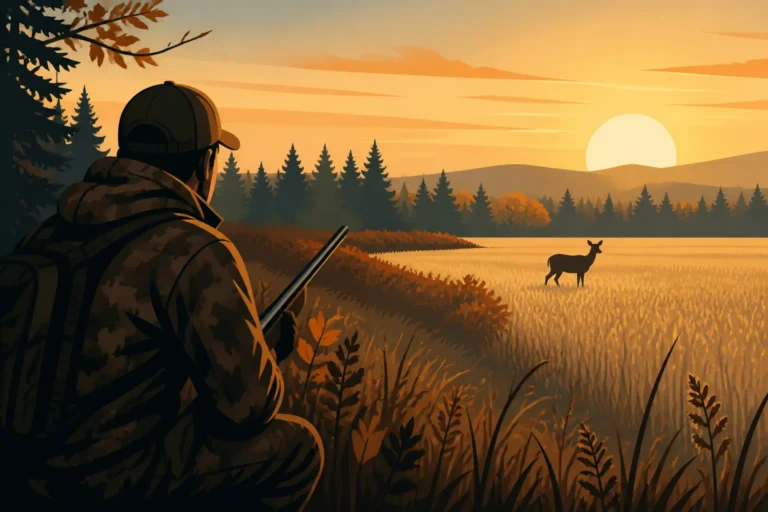
Hunting CRP field edges at first light explains deer movement patterns and stand placement strategies for early morning success.
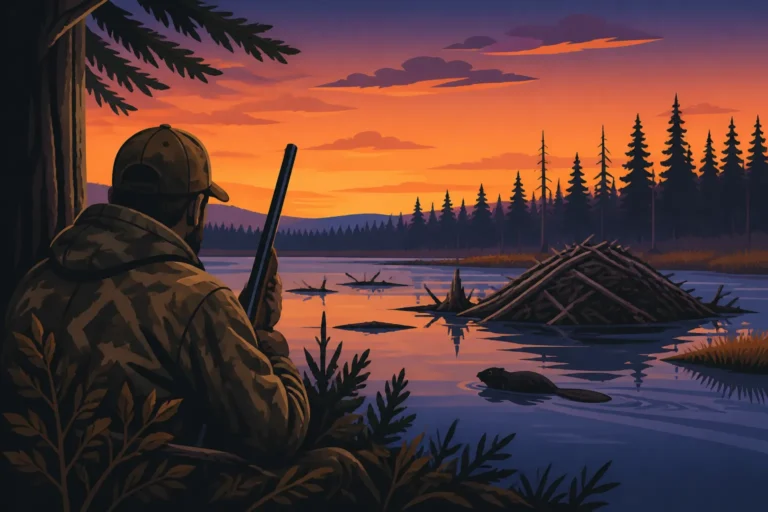
Maine beaver flowages attract whitetail deer at dusk because open water, food, and thick cover create natural evening travel corridors.
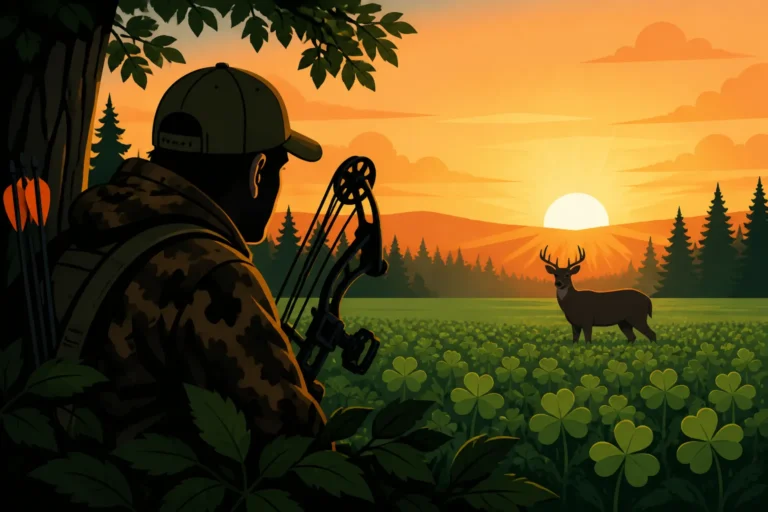
Maine deer hunting strategies for clover plots explain morning movement patterns and how to intercept whitetails at first light.
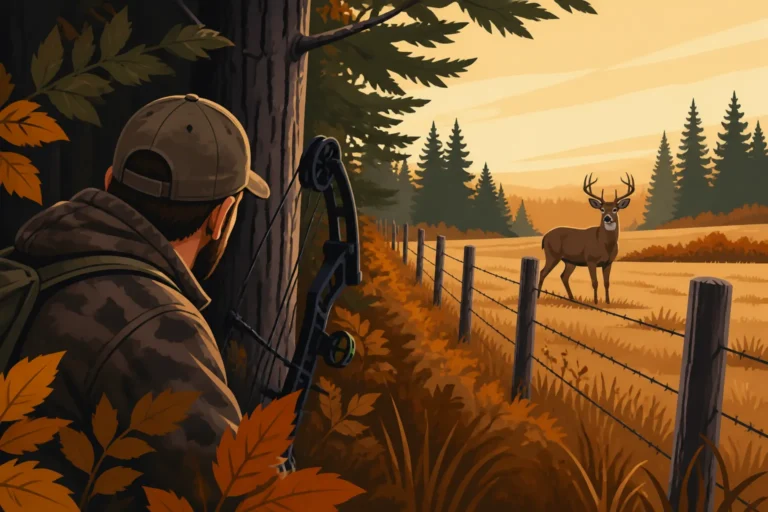
Timbered fence lines in Maine provide natural travel corridors, security cover, and direct access to food sources for white-tailed deer.
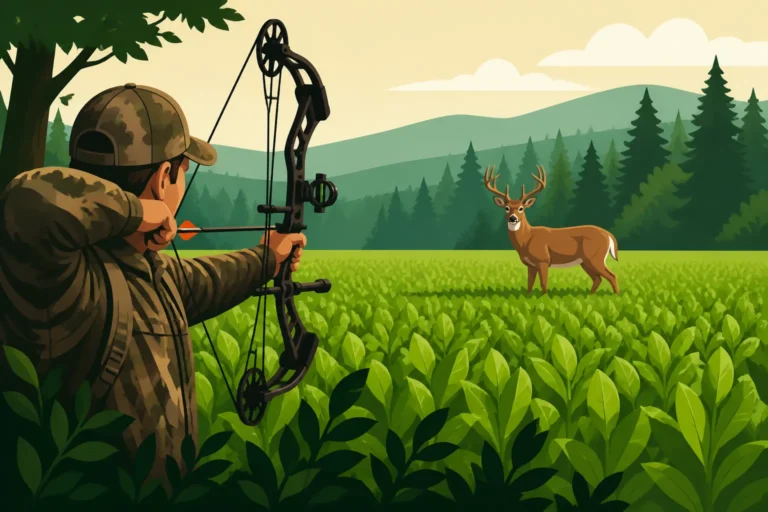
Maine deer hunting strategies for planted green fields explain forage choices, seasonal timing, and how to approach plots successfully.
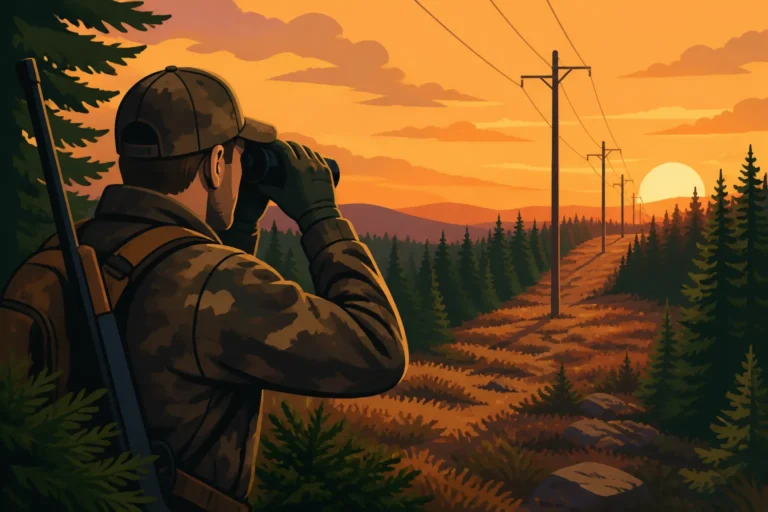
Maine whitetail hunting strategies for glassing powerline cuts at last light help turn phantom sightings into real opportunities.
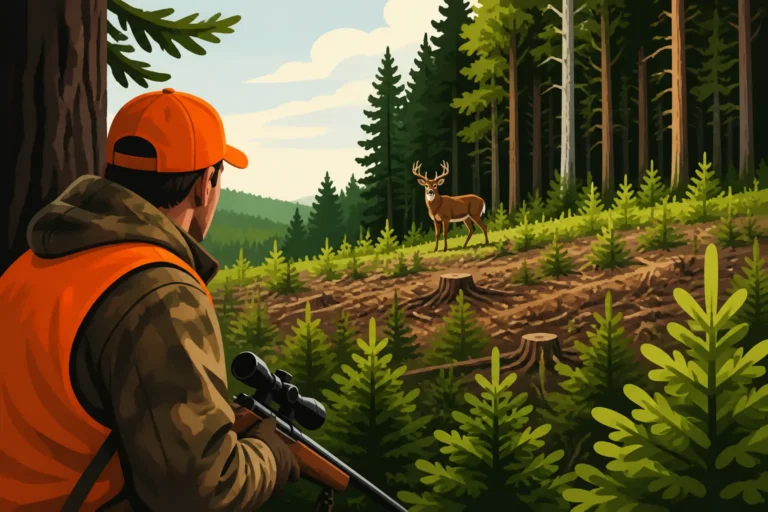
Maine clear-cut regrowth edges provide whitetail deer with food and cover across three distinct stages of forest development.
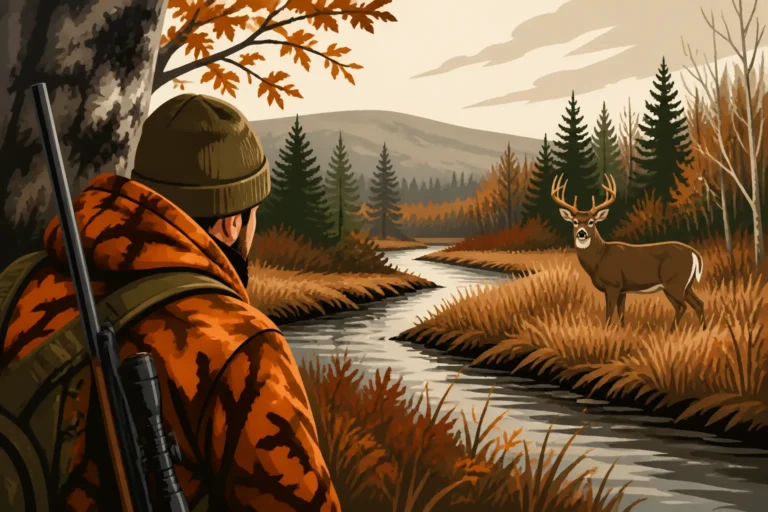
Maine creek bottom terrain provides late-season deer with evergreen cover, thermal protection, and efficient travel corridors.
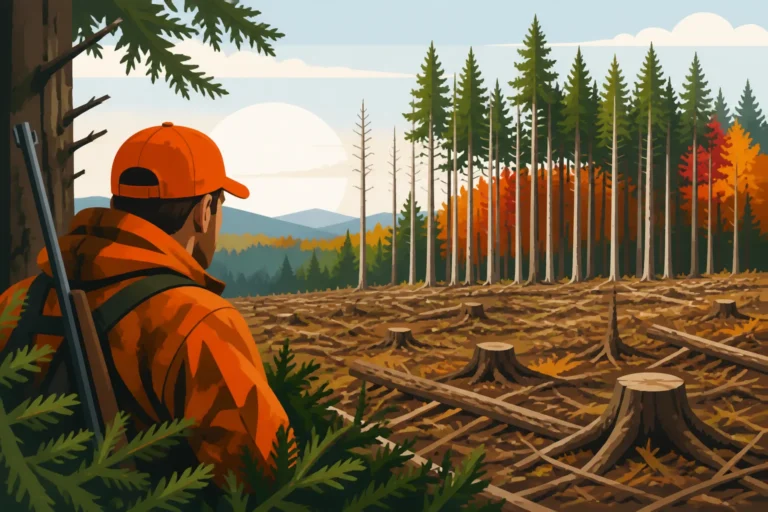
Whitetail deer remaining in harvested Maine timberlands utilize standing cover for survival, refuge, and winter protection.
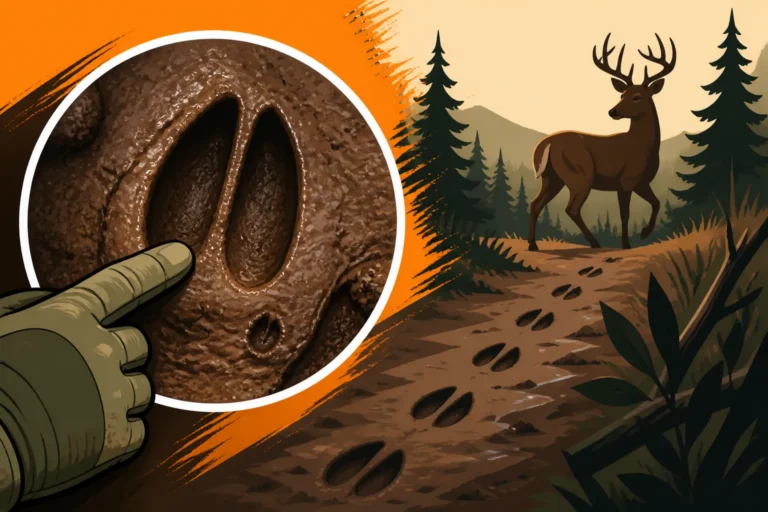
Maine mud tracks provide a real-time snapshot of deer movement, showing track freshness, crisp edges, and soil displacement.