Moose in Maine’s North Woods
For many hunters, the very thought of Maine’s North Woods conjures images of vast, untouched wilderness, and at the heart of that dream lies the magnificent moose. Pursuing one of these incredible animals is often a once-in-a-lifetime endeavor, fraught with logistical challenges, but offering unparalleled rewards. This guide is dedicated to demystifying the world of Maine moose, helping you understand their biology, the lottery system, and how to best prepare for an unforgettable hunting experience.
The Majestic Giants of Maine's Wilderness
Maine is home to the largest moose population in the lower 48 states, making it a bucket-list destination for hunters and wildlife enthusiasts alike. These colossal animals, with their impressive racks and imposing presence, are truly the kings of the northern forests. Understanding where they live and why they thrive in certain areas is the first step toward appreciating their role in Maine's ecosystem and in planning a successful hunt.
Understanding Maine's Moose Population
Maine's moose herd is a conservation success story, having rebounded dramatically from historical lows. Today, the state manages its moose population carefully, balancing recreational opportunities with ecological health. You might be wondering, "How many moose live in Maine?" Well, the Maine Department of Inland Fisheries and Wildlife (MDIFW) regularly conducts aerial surveys and other studies to monitor the herd, estimating the current population to be robust, though fluctuating due to various factors like winter tick prevalence. This careful management ensures that future generations will also have the chance to witness these incredible animals in their natural habitat.
The state's moose management objectives often involve maintaining healthy populations while also addressing concerns such as agricultural damage in certain areas and the health impacts of parasites. The goal isn't just to have a lot of moose, but to have a healthy and resilient population across their range. Hunters play a crucial role in this management by participating in regulated harvests, which helps maintain the balance of the ecosystem.
Prime Moose Habitat in the North Woods
When we talk about moose, we're really talking about the remote, expansive forests of northern and western Maine. These are the areas where you'll find the highest densities of these creatures. The North Maine Woods isn't just a catchy phrase; it's a sprawling mosaic of privately owned, industrial timberland, dotted with lakes, rivers, and bogs, offering exactly what a moose needs to thrive. This vast, often remote, country provides abundant forage, thick cover for protection, and plenty of water sources.
Moose habitat in the North Woods is characterized by a mix of young, regenerating forests – often a result of timber harvesting – which provides the browse they prefer, such as maple, birch, aspen, and willow. They also rely heavily on wetlands and riparian areas for aquatic vegetation, which is a critical source of sodium. While you might spot a moose anywhere from the Canadian border down to parts of central Maine, the true heart of moose country, where your chances of encountering one are highest, lies north of Bangor and west towards the mountains. Areas like Aroostook, Piscataquis, and northern Penobscot counties are particularly renowned for their excellent moose populations and sprawling, suitable terrain.
Life Cycle and Behavior of Maine Moose
To successfully hunt a moose, or even just observe one, understanding their annual rhythm and behavioral patterns is absolutely critical. These animals are creatures of habit, yet their habits are deeply influenced by the changing seasons, food availability, and even parasite loads.
Seasonal Movements and Feeding Habits
Moose are constantly on the move, driven by the need for food and thermal regulation. In the spring and summer, when temperatures are milder and vegetation is lush, moose can often be found in wetland areas, bogs, and along the edges of lakes and ponds. They're drawn to these spots for the nutrient-rich aquatic plants, and the water provides relief from biting insects and summer heat. It's not uncommon to see them wading belly-deep, even diving for submerged plants. As the summer progresses, they'll also feed heavily on woody browse in regenerating clear-cuts and along logging roads.
Come fall, their focus shifts dramatically. This is the rut, a period of intense breeding activity, typically peaking in late September and early October. Bulls become highly vocal, using deep grunts and thrashing vegetation with their antlers to attract cows and challenge rivals. During this time, they are less cautious and more susceptible to calling, making it a prime opportunity for hunters. Their feeding in the fall concentrates on building up fat reserves for the lean winter months, often targeting high-energy browse found in early successional forest areas. Once winter sets in, moose move into denser coniferous forests, particularly cedar swamps and mature softwood stands, known as deer wintering areas (DWAs), which offer protection from deep snow and harsh winds, as well as a limited supply of browse.
The Impact of Winter Ticks on Moose Calves
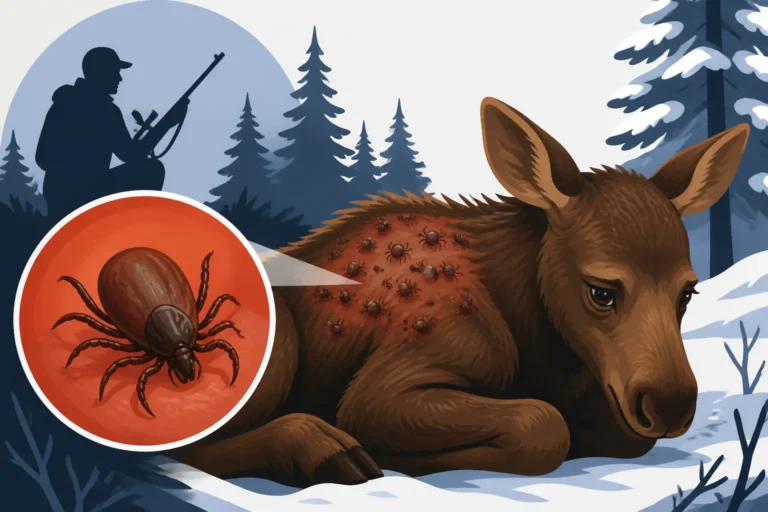
One of the most pressing challenges facing Maine's moose population, particularly in certain regions, is the impact of winter ticks. These tiny parasites, often numbering in the tens of thousands on a single moose, can have devastating effects, especially on calves. Why winter ticks are killing Maine moose calves is a complex issue tied to climate change. Milder autumns and shorter, warmer winters mean more ticks survive and attach to moose. When a calf is infested with a massive number of ticks, they can become anemic from blood loss, leading to hair loss (from constant scratching), weight loss, and severe stress.
Calves weakened by tick infestations are more susceptible to predation and often don't have enough energy reserves to survive the harsh Maine winter. This significantly impacts calf survival rates, which in turn influences the overall population health and management strategies, especially in the more southern and western moose management zones where tick burdens are often highest. Understanding this issue is vital for appreciating the delicate balance of the ecosystem and the management efforts undertaken by the MDIFW.
The Coveted Maine Moose Lottery
Hunting a moose in Maine is not as simple as buying an over-the-counter tag; it requires winning the highly anticipated Maine Moose Lottery. This system is in place to carefully manage the harvest, ensuring a sustainable population while providing a world-class hunting experience. The excitement and anticipation surrounding the lottery draw each year are palpable among aspiring moose hunters across the country.
Applying for a Maine Moose Permit
To even have a chance at hunting a Maine moose, you first need to apply for a Maine Moose Permit. This process is fairly straightforward but requires attention to detail and adherence to deadlines. Applications typically open in early spring and close in mid-May. You can apply online through the MDIFW's website, which is the most convenient method. The application allows you to select several preferences, including your top choice of Wildlife Management Districts (WMDs), your preferred season (typically September, October, or November), and whether you'd like a bull-only or an any-moose permit.
There is a non-refundable Maine Moose Application Fee, which is relatively small compared to the potential reward. For every year you apply and are unsuccessful, you accrue "bonus points," which increase your odds in subsequent draws. This system rewards persistence, making it worthwhile to apply every year, even if you don't plan to hunt immediately. Many hunters, like myself, apply annually, hoping to eventually accumulate enough points to draw a tag for themselves or a partner. The draw usually takes place in June, and the results are eagerly awaited by thousands.
Understanding Moose Permit Allocation and Zones
The MDIFW allocates a specific number of moose permits each year, based on biological data and management objectives for each WMD. Some zones are managed for higher moose densities, while others might be targeted for reduction due to winter tick impacts or agricultural conflicts. This means that the number of permits, and thus the draw odds, can vary significantly from one WMD to another. For example, remote, heavily forested WMDs in northern Maine often have more permits and better success rates for hunters, simply because there's more moose habitat and fewer roads.
Here’s a simplified look at how zones and seasons influence your hunt:
| WMD Region | Typical Season | Permit Type Focus | General Characteristics |
|---|---|---|---|
| Northern & Western Maine | Sept. (Archery), Oct. (Firearms), Nov. (Firearms) | Any-Moose & Bull | Vast wilderness, industrial timberlands, higher moose density, often better draw odds, challenging access. |
| Central & Eastern Maine | Oct. (Firearms), Nov. (Firearms) | Bull (more common), some Any-Moose | Mix of forest and agricultural land, moderate moose density, closer to amenities, often lower draw odds due to popularity/density management. |
| Southern Maine (Limited) | Rarely offered | Bull | Very low density, highly restrictive, often for specific management needs, extremely low draw odds. |
When applying, it’s wise to research the different WMDs. Resources like GoHunt, along with the MDIFW website, can provide valuable insights into historical draw odds, success rates, and habitat characteristics for each zone. Choosing the right WMD is a strategic decision. Some hunters prioritize better odds in a more challenging, remote WMD, while others might prefer a WMD closer to home, even with lower odds. Additionally, there are often different seasons: an archery-only season in September for expanded archery zones, a general firearms season in October, and a later firearms season in November in certain WMDs, often for cow moose. Each season presents unique challenges and opportunities.
Strategies for Hunting Moose in Maine's North Woods
Once you've secured that coveted permit, the real planning begins. Hunting moose in Maine, especially in the vast North Woods, is a monumental undertaking that requires significant preparation, physical stamina, and a deep understanding of moose behavior. This isn't your typical whitetail hunt; it's an immersive wilderness experience.
Scouting and Pre-Hunt Preparation
Successful moose hunting hinges largely on thorough scouting and meticulous pre-hunt preparation. You absolutely cannot just show up the day before the season opens and expect to find a bull. This is especially true if you are Hunting a Drawn Moose Zone in the North Woods for the first time. Start by poring over topographical maps and satellite imagery (GoHunt often provides excellent mapping layers for this). Look for clear-cuts, young growth, swamps, beaver flowages, and logging roads—these are all key components of good moose habitat. Pay attention to pinch points, saddles, and areas where cover meets food sources.
If possible, make a pre-season trip to your WMD. This can be challenging for non-residents, but if you can manage it, it's invaluable. Look for fresh tracks, rubs on trees, browse lines, and active feeding areas. Pay attention to water sources and marshy areas where moose might be cooling off. Consider where you’ll be Packing for a North Woods Moose Hunt – this is remote country, so you'll need to be self-sufficient. Know your access points, potential areas for a wall tent or camper, and most importantly, how you'll get a moose out if you're successful. Many hunters hire a Registered Maine Guide for this very reason, as their local knowledge and logistical expertise can be a game-changer.
Calling Tactics for Bull Moose
During the peak of the rut, Calling a Bull Moose in Late September can be incredibly effective. Moose are vocal animals, and knowing how to mimic their calls can draw an inquisitive bull right into your setup. The primary calls are the cow call, a long, drawn-out bawl, and the bull grunt, a guttural sound. When a bull hears a cow call, especially during the rut, his natural instinct is to investigate potential breeding opportunities.
Hunters often combine calling with antler raking or thrashing. Using a real moose shoulder blade or a stick to break branches and scrape the ground simulates a bull actively rubbing his antlers, signaling his presence to other moose. Set up in an area with good visibility, preferably with a wind advantage, and be patient. Call periodically, listen intently, and be ready for a bull to appear silently from the dense cover. Sometimes, they'll circle downwind to scent-check the area before showing themselves.
Tracking and Still-Hunting in Dense Cover
While calling is effective during the rut, tracking and still-hunting are also vital techniques, especially outside the peak breeding period or in heavily pressured areas. Moose leave very distinct tracks—large, cloven hoof prints that are easy to distinguish. Following fresh tracks in the snow or soft ground can lead you right to a feeding or bedding area. This takes patience, stealth, and keen observation skills. You’re essentially moving through the woods as quietly as possible, stopping frequently to glass and listen.
The North Woods is incredibly dense in places, making still-hunting a physical challenge. You'll need to navigate thick spruce and fir stands, alder runs, and beaver swamps. Focus on moving into the wind or crosswind, constantly scanning ahead. Moose have an incredible sense of smell and hearing, but their eyesight is not their strongest asset. Look for parts of an animal – an ear flick, a dark patch of hide, the glint of an antler. Often, a moose will stand perfectly still, relying on its camouflage, so thorough scanning is key. Understanding Where Maine Bucks Bed in Big Timber or similar patterns for moose can inform your approach.
The Logistics of a Successful Moose Harvest
Harvesting a moose is only half the battle; the real work begins after the shot. These are immense animals, and handling them in the remote Maine wilderness presents a unique set of challenges that can quickly overwhelm the unprepared.
Field Dressing a Moose in the North Woods
Once a moose is down, the clock starts ticking. Field Dressing a Moose in the North Woods is a physically demanding task, even for multiple people. These animals can weigh upwards of 1,000 to 1,200 pounds, with some mature bulls pushing even heavier. The priority is to gut the animal as quickly and cleanly as possible to begin the cooling process and prevent spoilage. This means removing all internal organs. You'll need sharp knives, a good bone saw (or heavy-duty axe), and plenty of rope or game bags.
Many hunters choose to quarter a moose in the field. This involves separating the animal into manageable pieces (the four quarters, backstraps, tenderloins, neck meat, and sometimes the rib meat). Quartering makes the animal much lighter and easier to transport out of the woods. It's often necessary to skin the animal, at least partially, to facilitate cooling and cleaning. If the weather is warm, getting the hide off and the meat aired out is paramount. Remember, this isn't a small deer; be prepared for significant effort and mess. Having a plan and proper tools, along with a strong back (or two, or three!), is essential.
Getting a Moose Out of the North Woods
This is arguably the most daunting part of the entire moose hunt. Getting a Moose Out of the North Woods can be a Herculean task, and it's where many hunters truly earn their tag. If you're lucky enough to drop a moose near a logging road, you might be able to use an ATV or a truck to haul out quarters. However, many moose are taken deep in the woods, far from any vehicle access.
Here's where creativity and brute force come into play:
- Quartering and Backpacking: This is the most common method for remote kills. Each quarter, along with the head and cape (if you plan to taxidermy the antlers), will weigh hundreds of pounds. You'll need sturdy game bags and heavy-duty pack frames. This often involves multiple trips by multiple people over rough terrain.
- Game Carts/Sleds: If the terrain allows, a heavy-duty game cart might work, but thick woods, bogs, and rocky ground can make them impractical. In winter, specialized moose sleds pulled by snowmobiles or multiple people can be effective if there's enough snow.
- Horses/Mules: Some guides or experienced hunters use pack animals, which are incredibly efficient but require expertise and careful planning.
- ATVs/UTVs: These are invaluable if you can get them to the kill site. However, be aware of specific regulations regarding ATV use on various lands, especially in areas like the North Maine Woods Checkpoint Tracts. Many roads are gated, and off-road travel is restricted.
Regardless of your method, it's crucial to have a solid plan before you pull the trigger. Consider the distance to the nearest accessible road, the terrain, and how many people you have in your hunting party. This is not a solo endeavor.
Preserving Maine's Moose Legacy
Maine's moose population is a precious resource, not just for hunters, but for the state's natural heritage. The MDIFW, along with conservation partners, works tirelessly to ensure these iconic animals continue to thrive. This often involves proactive management strategies and ongoing research.
Maine's Moose Density Reduction Study
One of the significant management initiatives currently underway is Maine's Moose Density Reduction Study. This program, primarily focused on specific WMDs in western and central Maine, aims to reduce moose densities in areas where winter tick infestations are severely impacting calf survival. The idea is that by having fewer moose per square mile, the number of winter ticks in the environment will decrease, leading to healthier moose overall.
The study involves issuing a higher number of antlerless moose permits in these targeted zones, allowing hunters to harvest cows and calves. This isn't about eradicating moose but about managing the herd for long-term health and sustainability, particularly in the face of environmental challenges posed by climate change. The results of this study are closely monitored and will inform future management decisions, ensuring the long-term viability of Maine's moose population. It’s a bold approach, but one driven by scientific data to protect the herd.
Supporting Conservation and Research Efforts
Beyond hunting, there are many ways to support the health and vitality of Maine's moose. Organizations like the Maine Department of Inland Fisheries and Wildlife (MDIFW) conduct crucial research into moose health, habitat use, and population dynamics. Every hunting license and permit purchased directly contributes to these efforts, as the funds are often earmarked for wildlife management and conservation programs.
You can also engage with non-profit conservation groups dedicated to preserving Maine's wild places and wildlife. These groups often work on habitat restoration, land acquisition, and public education. Participating in citizen science initiatives, reporting moose sightings (especially those with signs of tick infestation), and adhering strictly to hunting regulations are all ways to contribute. The future of Maine's moose depends on a collective effort from hunters, landowners, and the general public to understand and address the challenges they face.
Challenges and Rewards of Moose Hunting
A Maine moose hunt is not for the faint of heart, but it offers an unparalleled connection to the wild and memories that last a lifetime. It’s a blend of physical exertion, mental fortitude, and sheer awe.
Navigating the Remote Terrain
The North Woods of Maine, while beautiful, can be incredibly unforgiving. The remote terrain presents significant challenges that must be respected. Vast tracts of land have limited cell service, if any, making communication difficult. The weather can change rapidly, with bright sunshine quickly giving way to cold rain or even early-season snow. Logging roads, while providing access, can be rough, muddy, and sometimes impassable without a high-clearance 4×4 vehicle. Getting lost is a real possibility without proper navigation tools like GPS, detailed maps (consider using OnX or GoHunt for offline maps), and a compass.
Beyond the physical landscape, there's the sheer scale of the operation. Hunting moose here often means long days of hiking, pushing through dense brush, and being prepared for any contingency. Bringing extra fuel, spare tires, a winch, a chainsaw, and robust recovery gear isn't overkill; it's smart planning for the unexpected. Understanding the specific rules of Hunting a North Maine Woods Checkpoint Tract, including day-use fees and camping regulations, is also critical for a smooth trip.
The Unforgettable Experience of a Maine Moose Hunt
Despite the challenges, the rewards of a Maine moose hunt are immeasurable. The vastness of the wilderness, the crisp fall air, the silence broken only by the calls of birds or the rustle of leaves – it's an immersive experience that few other hunts can match. The thrill of hearing a bull moose respond to your call, the heart-stopping moment when one steps into view, or the incredible sense of accomplishment after successfully field-dressing and extracting an animal you've pursued in such a wild landscape – these are the moments that stick with you forever.
It's more than just harvesting an animal; it's about the adventure, the camaraderie with hunting partners, and the deep respect for the animal and its habitat. Many hunters describe it as a truly transformative experience, connecting them to a wilder, more primal side of themselves. What a Once-in-a-Lifetime Moose Tag Means extends far beyond the meat in the freezer or the antlers on the wall; it's about the journey, the challenge, and the unforgettable memories forged in the rugged beauty of Maine's North Woods.
Disclaimer
Please note that hunting regulations, seasons, and permit requirements are subject to change. Always consult the official Maine Department of Inland Fisheries and Wildlife (MDIFW) website or their current hunting law book for the most up-to-date and accurate information before planning any hunting trip. This guide is for informational purposes only and does not supersede state laws or regulations.