Maine Coyote Attacks on Livestock
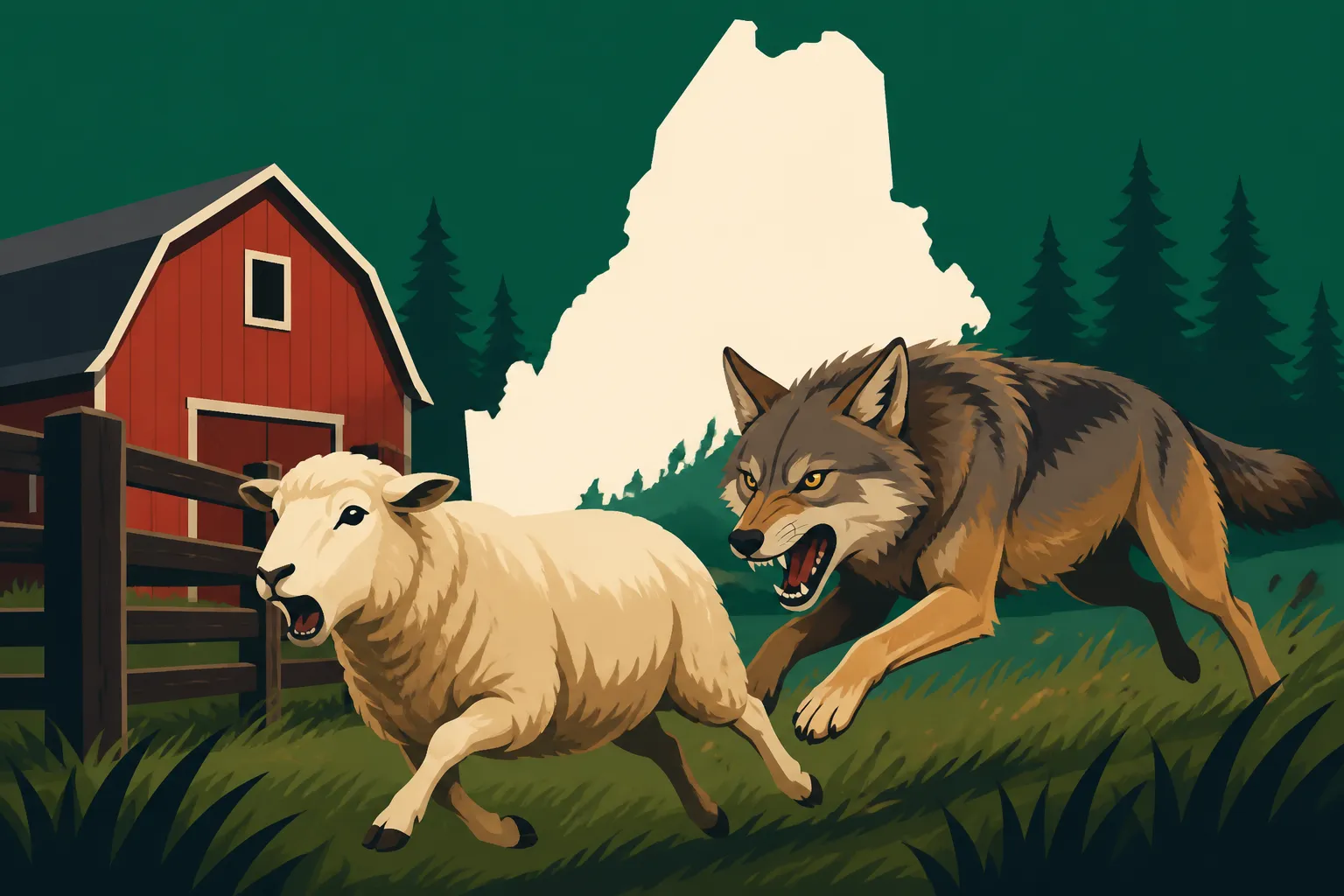
The sight of a beloved lamb or a morning's worth of fresh eggs destroyed by a predator is a gut-wrenching experience no farmer or homesteader wants to face. Coyote attacks on livestock in Maine are a very real and devastating problem, leading to significant emotional and financial loss for those trying to make a living off the land or simply sustain their family. This guide aims to shed light on why these incidents occur, how to identify them, and most importantly, what practical steps you can take to protect your valuable animals from the persistent threat of the Eastern coyote.
Understanding the Eastern Coyote in Maine
The Eastern coyote, a highly adaptable and intelligent animal, has become a permanent fixture in Maine's landscape. While they play a role in the ecosystem, their presence also brings challenges, particularly for those raising livestock.
The Rise of the Eastern Coyote
Maine's wilderness, once dominated by wolves, saw the arrival of coyotes as they expanded their range eastward in the 20th century. These animals, often larger than their western counterparts due to hybridization with wolves and domestic dogs, are incredibly resilient. They thrive in diverse habitats, from deep woods to agricultural edges, and their diet is incredibly varied, including everything from berries and rodents to deer and, yes, livestock. Their opportunistic nature means they will exploit any available food source, especially when natural prey populations might be stressed or when an easy meal presents itself right in a farmer's field. Understanding the general Maine Coyote Range and Density can provide context for how prevalent these predators are in different parts of the state. Their success is a testament to their intelligence and adaptability, but it also means livestock owners need to be equally intelligent and adaptable in their defense strategies.
Why Livestock Becomes a Target
Coyotes typically prefer wild prey like deer, hare, and small rodents, but livestock can become an attractive alternative for several reasons. Often, it's about opportunity; an unsecured chicken coop or a lamb left vulnerable in a pasture presents a much easier meal than chasing down a wary deer. During denning season, when coyotes are feeding pups, their caloric needs increase dramatically, making them more likely to take risks for readily available food. Harsh winters can also reduce natural prey availability, pushing coyotes to seek sustenance closer to human habitation. Young, sick, or small animals are particularly vulnerable. A lone calf, a flock of domestic geese, or a pen of sheep can represent a concentrated, relatively easy food source, especially if they lack proper protection. The convenience factor for a coyote often outweighs the risk, particularly if they learn that a certain farm offers consistent, unprotected meals.
Identifying and Confirming Coyote Depredation
When you find injured or deceased livestock, it's a distressing moment, and the immediate thought often turns to predators. Accurately identifying the culprit is crucial for implementing the correct preventative measures, as different predators leave different calling cards.
Signs of a Coyote Attack
Coyote attacks on livestock often leave specific clues. For smaller animals like chickens, turkeys, or young lambs, coyotes typically aim for the throat. You might find puncture marks around the neck or shoulders, often with signs of struggle and dismemberment. They tend to carry off smaller prey entirely or consume significant portions on-site, starting with softer tissues around the belly and hindquarters. With larger animals, like calves or full-grown sheep, you might see evidence of multiple bites, particularly to the flanks, legs, and throat, as the coyote attempts to incapacitate the animal. Unlike domestic dog attacks, which are often characterized by indiscriminate biting and mauling, coyotes are generally more efficient and focused on dispatching prey. Look for distinct canine teeth marks – usually smaller and more precise than a large dog's. Tracks are another key indicator; coyote tracks are typically more oval and less splayed than a domestic dog's, and they often travel in a straight line, known as a "direct register" gait, placing their hind paw directly into the print of their front paw. Scat found nearby might contain hair and bone fragments of the consumed animal, further confirming their presence.
Documenting the Incident
Proper documentation is vital, not just for your own understanding but also if you need to report the incident to authorities or seek assistance. As soon as you discover a potential depredation, take clear, detailed photographs from multiple angles. Capture images of the carcass, any wounds, tracks, scat, and the surrounding area. Note the time of day, weather conditions, and any other observations. This evidence can be invaluable for wildlife officials who may be able to help confirm the predator and offer advice. When examining the carcass, try to disturb it as little as possible. Look for specific bite patterns, blood trails, and signs of a struggle. If you suspect foul play or need professional identification, contact the Maine Department of Inland Fisheries and Wildlife (MDIFW). They can often provide guidance on carcass examination or even send a warden to investigate, helping you understand Maine Wildlife Violation Penalties if the incident involves illegal activity or domestic dogs. This thorough documentation helps build a clearer picture of the threat you're facing and can inform your next steps in defense.
Proactive Measures to Protect Your Livestock
Preventing coyote attacks before they happen is always the best strategy. A multi-layered approach combining various deterrents and protective measures is far more effective than relying on a single method.
Effective Fencing Solutions
Fencing is often the first line of defense, but not all fences are created equal when it comes to deterring coyotes. A standard field fence might keep your animals in, but it often won't keep coyotes out. Woven wire fencing, with mesh too small for a coyote to squeeze through, should be at least 5-6 feet high, and crucially, part of it should be buried horizontally, or an apron added, to prevent coyotes from digging underneath. Electric fencing, either stand-alone or as an added strand to an existing fence, can be highly effective. Several strands of high-tensile wire carrying a strong charge (around 5,000-7,000 volts) can deliver a memorable deterrent shock. Portable electric net fencing is an excellent option for rotating pastures or for smaller, more vulnerable animals like poultry or sheep, allowing you to create secure overnight enclosures. Remember, the effectiveness of any fence hinges on consistent maintenance. Check for breaches, sagging wires, and ensure your electric fence charger is always powered and properly grounded. A weak or broken fence is no fence at all against a determined coyote.
Livestock Guardian Animals
Another highly effective, and often very natural, deterrent is the use of livestock guardian animals (LGAs). These animals live with the herd or flock and are instinctively protective.
- Dogs: Breeds like Great Pyrenees, Anatolian Shepherds, and Akbash dogs are purpose-bred for this role. They are loyal, form strong bonds with their charges, and their presence, barking, and scent are usually enough to deter coyotes. Training is crucial; they need to be raised with the livestock from a young age to develop the right protective instincts.
- Donkeys: A single jenny (female donkey) or gelding (castrated male) can be fiercely protective of sheep, goats, and calves. They are naturally aggressive towards canids and will chase, kick, and bite coyotes. They bond well with livestock and are relatively low-maintenance.
- Llamas: Similar to donkeys, llamas can serve as excellent guardians, particularly for sheep and goats. A single male or female llama will typically stay with the herd and act aggressively towards predators.
It's important to choose the right LGA for your specific operation and to understand their individual needs and temperaments. Some farmers even look for tools like GoHunt to understand general predator movement patterns in their area, which, while not directly about LGAs, might indirectly inform where best to deploy them or which pastures are higher risk.
Best Practices for Farm Management
Beyond fences and guardians, several farm management practices can significantly reduce your risk of coyote depredation.
- Secure Night Housing: Whenever possible, bring vulnerable livestock into secure barns or pens at night. Coyotes are often most active during dawn, dusk, and nighttime hours. A solid, enclosed structure offers the best protection.
- Carcass Disposal: Promptly remove and properly dispose of any dead livestock. Carcasses act as a strong attractant for coyotes and other scavengers. Bury them deeply or use rendering services to remove them from your property.
- Eliminate Attractants: Keep pet food indoors, secure garbage cans, and clean up spilled grain. Anything that might attract rodents or other small animals will, in turn, attract coyotes.
- Pasture Rotation: Consider rotating your most vulnerable animals (young, small, birthing) to pastures closer to your home or areas with better visibility and protection, especially during critical times like lambing season.
- Lighting and Noise: Motion-activated lights and radios can sometimes deter coyotes, especially if they are new to the area. However, coyotes are intelligent and can quickly habituate to static deterrents. Rotating methods and locations can help maintain their effectiveness.
Responding to Persistent Coyote Threats
Despite the best preventative measures, sometimes coyotes become a persistent problem, especially if they have learned to associate your farm with an easy meal. In such cases, more direct intervention may be necessary.
Lethal Removal as a Last Resort
When all other non-lethal methods have failed, and coyotes continue to prey on livestock, lethal removal may become a necessary component of your management strategy. Maine has a year-round open season on coyotes, and they can be hunted without a bag limit. Farmers or hunters assisting them can employ various methods, including calling, trapping, and shooting. Hunters often use specialized calls to mimic prey or other coyotes to bring them into range. Knowing how to engage in Coyote Calling Maine Farm Country can be a valuable skill for a farmer or a hunter assisting them. Trapping can also be an effective way to remove nuisance coyotes, though it requires specific licenses and knowledge of trapping regulations. Anyone engaging in trapping should be aware of Trapping Maine Furbearers rules. Remember, the goal of lethal removal in this context is usually to remove the specific individuals causing the depredation, which can often resolve the problem for a time. Ethical and legal hunting practices are paramount, and individuals should ensure they meet Maine Hunter Education Requirements before engaging in any hunting activity. For hunters, tools like GoHunt can be useful for scouting potential coyote travel routes on their property or nearby areas, helping them understand where a stand or trap might be most effective, especially when trying to differentiate between private land and adjoining public ground.
Working with Wildlife Agencies
You don't have to face persistent coyote threats alone. The Maine Department of Inland Fisheries and Wildlife (MDIFW) is a valuable resource for landowners experiencing depredation issues. They can offer advice, assistance in confirming predator identification, and sometimes even provide technical support or connect you with trained trappers or hunters who can help. In severe and ongoing cases, they may issue permits for specific removal methods that might otherwise be restricted. It's always a good idea to establish a relationship with your local game warden or MDIFW office. They can provide specific guidance tailored to your situation and ensure any actions taken are within the bounds of state law. Maintaining open communication with authorities helps ensure that livestock protection efforts are both effective and legal. Remember, if you are unsure about any regulations or need assistance, reaching out to the experts is always the smartest move.
Understanding Your Options for Coyote Management
Navigating the various options for managing coyotes and protecting livestock can feel overwhelming. Here’s a summary of key strategies:
| Strategy | Description | Pros | Cons |
|---|---|---|---|
| Secure Fencing | Physical barriers like woven wire, electric fences, or netting. | Prevents direct access, provides visible deterrent. | High upfront cost, requires regular maintenance, can be breached. |
| Livestock Guardians | Dogs, donkeys, or llamas living with and protecting herds/flocks. | Constant, natural presence; highly effective. | Requires care and feeding, potential for misbehavior, initial training. |
| Farm Management | Secure housing at night, carcass disposal, removing attractants. | Low cost, addresses root causes, enhances overall farm hygiene. | Requires consistent effort, not always foolproof against determined coyotes. |
| Lethal Removal | Hunting or trapping nuisance coyotes under legal regulations. | Can quickly remove problem individuals, immediate relief. | Requires skill and legal compliance, temporary solution as new coyotes move in. |
| Wildlife Agencies | Consulting MDIFW for advice, assistance, or specialized permits. | Expert guidance, potential for direct intervention. | May require documentation and patience for response times. |
This multi-faceted approach, tailored to your specific farm and situation, gives you the best chance to protect your livestock. Whether you're looking up Maine Hunting Licenses and What They Cost to pursue lethal removal or implementing new fencing, being proactive and informed is your strongest defense.
Disclaimer
This article is for general informational purposes only and does not constitute professional advice. Laws, prices and regulations vary by location and change over time. Consult a qualified professional for guidance on your specific situation.