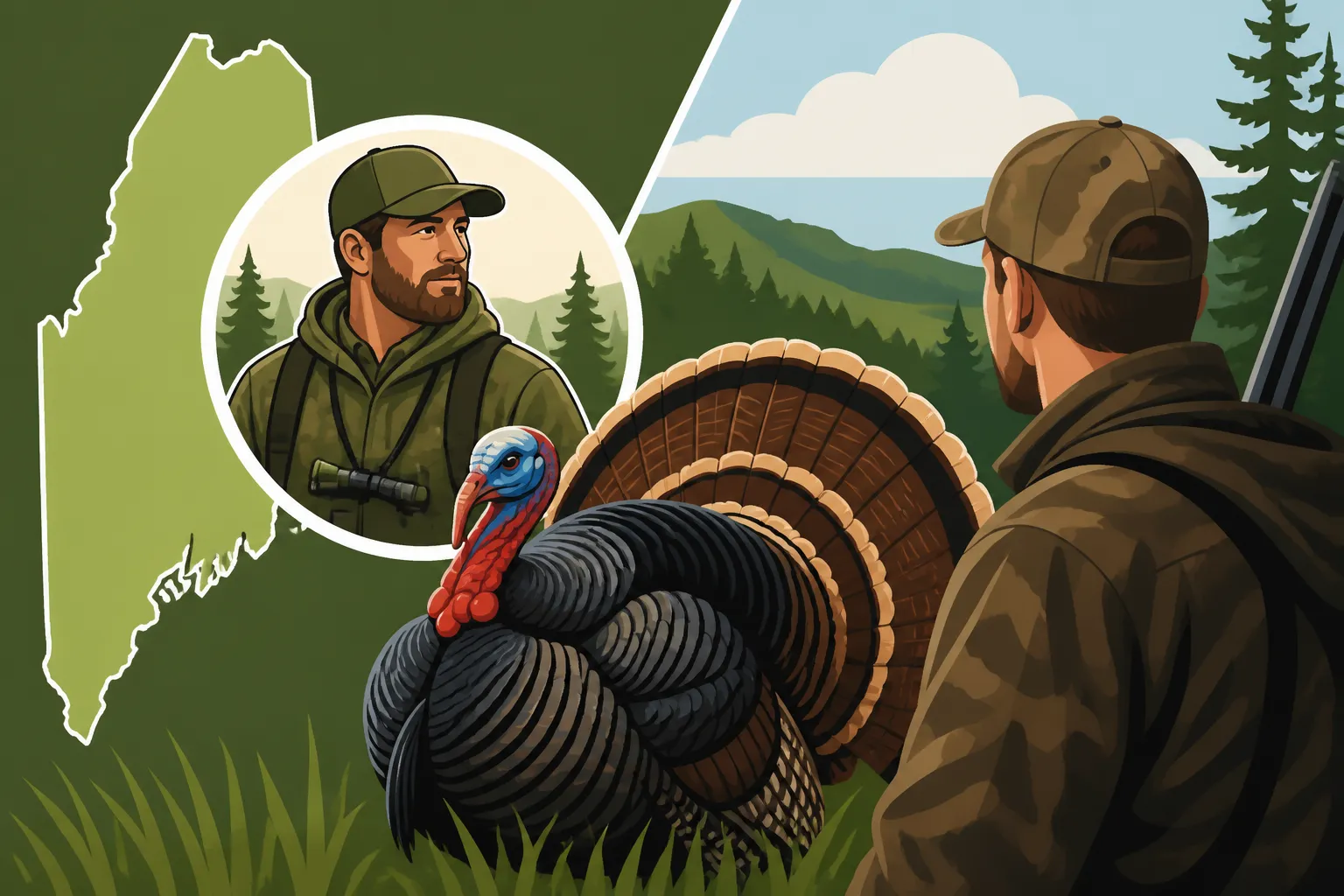
Booking a Spring Turkey Guide
For many, the thought of chasing a wary longbeard in the Maine spring woods is a dream, but the reality of scouting unknown territory, understanding local bird behavior, and navigating permits can feel overwhelming. This comprehensive guide is designed to walk you through the process of booking a spring turkey guide in Maine, ensuring you have the best possible chance at a successful and memorable hunt, especially if you're new to the state or turkey hunting entirely.
Why Consider a Spring Turkey Guide in Maine?
Hunting wild turkeys in Maine is a truly unique experience, offering picturesque backdrops from rolling farmland to dense northern forests. However, this beauty comes with its own set of challenges, particularly for those unfamiliar with the state's diverse terrain and turkey populations. A guide can be an invaluable asset, transforming a potentially frustrating trip into a rewarding adventure.
Navigating New Territory and Regulations
If you're coming from out of state, or even from a different region of Maine, the sheer variety of habitats and the nuances of local regulations can be a lot to take in. Maine has specific rules regarding Maine Spring Turkey Permit Rules and Maine's WMD-Based Turkey Bag Limits, which vary by Wildlife Management District (WMD). What's legal and common practice in one area might be restricted in another. A guide is intimately familiar with these localized rules, helping you avoid accidental violations and ensuring a smooth hunt.
Moreover, simply finding turkeys in a new area is tough. Turkeys are creatures of habit, but those habits can be subtle and hard to discern without years of local experience. A guide knows the land, often having access to prime private parcels or intimate knowledge of public grounds that hold birds. They understand where turkeys roost, feed, and travel based on seasonal changes, weather patterns, and hunting pressure. They're not just taking you to a random woodlot; they're taking you to known turkey haunts. This local intelligence is perhaps the biggest advantage, saving you days of frustrating scouting.
Learning from Experience and Expertise
Beyond merely finding birds, a good guide offers an unparalleled learning opportunity. Think of it as a masterclass in turkey hunting. They've spent countless hours in the woods, experiencing every scenario imaginable. From calling techniques to setup strategies, decoy placement, and understanding subtle turkey vocalizations, their expertise is a treasure trove for any hunter.
A guide can teach you how to read the landscape for turkey sign, identify different calls, and understand the intricate social dynamics of a spring flock. They'll show you how to Calling an Early May Gobbler Off the Roost without spooking him, or how to set up silently in a new location. For new hunters, this hands-on instruction can build a foundational skillset that would otherwise take years to acquire through trial and error. Even experienced hunters can pick up new tactics or refine their approach by observing a seasoned Maine guide at work. It's not just about filling a tag; it's about becoming a better, more knowledgeable hunter.
Increasing Your Odds and Reducing Stress
Let's be honest: turkey hunting can be challenging. Gobblers are notorious for being cagey, and spring weather in Maine can be unpredictable. When you invest your time and money into a hunting trip, you want the best possible chance of success. A guide significantly boosts those odds. They've done the pre-season scouting, located the birds, and have a game plan for opening morning. This takes immense pressure off you, allowing you to focus on the moment rather than worrying about logistics.
Furthermore, a guided hunt streamlines the entire experience. You don't have to worry about securing private land access, interpreting maps for public land, or wondering if you're in the right spot. The guide handles the bulk of the strategizing and decision-making, leaving you free to enjoy the pristine Maine wilderness and the thrill of the hunt. This reduction in stress is a huge benefit, especially for those with limited vacation time, ensuring your hunt is relaxing and enjoyable, even if a bird doesn't cooperate.
What to Expect from a Guided Spring Turkey Hunt
A guided spring turkey hunt in Maine isn't just about someone pointing you towards a bird; it's an immersive experience that often begins long before dawn and involves strategic planning, skilled calling, and often a bit of hiking. Understanding the typical structure and inclusions can help set your expectations and ensure you make the most of your trip.
Typical Hunt Structure and Schedule
Most guided spring turkey hunts in Maine operate on a daily basis, though multi-day packages are common. Your guide will typically want to be in the woods well before first light, often meeting you an hour or two before legal shooting time. This early start allows them to get into position silently, listen for gobblers on the roost, and set up before the woods awaken. The mornings are usually the most active, as gobblers fly down from the roost and begin seeking hens.
A common strategy involves attempting to call a gobbler off the roost or intercepting him as he moves to a feeding or strutting area. If the morning action slows, you might move to a new location, still-hunt through promising cover, or focus on calling birds in later in the day when they might be looking for lost hens. The hunt often lasts until mid-day or early afternoon, as turkey activity tends to wane during the middle of the day before picking up again in the late afternoon. Your guide will adapt to bird behavior, weather, and the specific WMD you're in. For instance, if you're Hunting a Two-Bird Spring WMD, they might adjust tactics for a second bird later in your trip. Some guides offer full-day hunts, while others focus on peak morning activity. Always clarify the daily schedule when booking.
Gear, Decoys, and Calling Strategies
One of the great advantages of a guided hunt is that your guide often provides much of the specialized equipment. This typically includes a variety of turkey calls (slate, box, diaphragm), which they are expert at using, and a selection of decoys designed to entice gobblers into range. You'll likely encounter foam or inflatable hen and jake decoys, strategically placed to mimic realistic turkey behavior. Your primary responsibility will be bringing your shotgun (or bow, if you're an archery hunter), appropriate camouflage clothing, and any personal items like binoculars, bug spray, and snacks.
The guide's calling prowess is a huge part of the experience. They'll use various calls to mimic hens, jakes, and even other gobblers to provoke a response. They'll also instruct you on when to move, when to be absolutely still, and when to be ready to shoot. You might be positioned in a natural blind, behind a tree, or in a pop-up ground blind that the guide sets up. Learning Decoy Placement for Pressured Maine Birds can be critical, and your guide will handle this with seasoned precision, ensuring the decoy is visible and enticing without alerting a wary tom.
What's Usually Included (and What's Not)
When booking a spring turkey guide, it's crucial to understand what's included in the package price. Generally, a guided hunt will cover the guide's time and expertise, transportation in the field (often in a truck or ATV), and the use of their calls and decoys. Some might include a light breakfast or lunch, especially on full-day hunts. Post-harvest assistance, such as field dressing and transport of your bird back to the vehicle, is almost always included.
However, there are several things usually not included. Your hunting license and turkey permit are almost always your responsibility to purchase separately. Maine Spring Turkey Permit Rules outlines how to acquire these. Ammunition for your shotgun is also something you'll need to supply. Taxidermy services and meat processing are typically additional costs, though your guide might have recommendations for local providers. Accommodation, unless specified in an all-inclusive lodge package, is also usually separate. Always get a clear list of inclusions and exclusions in writing before confirming your booking.
Choosing the Right Spring Turkey Guide
Selecting the right guide is paramount to a successful and enjoyable spring turkey hunt in Maine. It's not just about finding someone with an open calendar; it's about finding a professional who matches your hunting style, communicates well, and operates ethically.
Vetting Guides and Outfitters
The process of vetting a guide begins with research. Start by looking for Registered Maine Guides who specialize in turkey hunting. The state requires guides to be licensed, which ensures they've met certain experience and safety criteria. You can often find listings through the Maine Professional Guides Association or by searching online. Websites like BookYourHunt or GoHunt can be good starting points, as they often aggregate listings and sometimes include reviews.
Once you have a few names, dive deeper. Check for online reviews, testimonials on their websites, and active social media pages where you can see recent successful hunts. Pay attention to not just the success rate, but also the overall experience hunters describe. Did they feel safe? Was the guide personable and patient? Did they learn something new? Don't hesitate to ask for references from past clients. A reputable guide will be happy to provide them. This step is critical; you're not just hiring a service, you're investing in an experience, and a little due diligence can save a lot of disappointment. What a Registered Maine Guide License Requires can give you an idea of the qualifications they hold.
Understanding Pricing and Packages
Guide prices for spring turkey hunts in Maine can vary based on experience, reputation, duration (half-day vs. full-day, single-day vs. multi-day), and what's included. A half-day hunt might be suitable for those with limited time or looking for a more economical option, while a full-day or multi-day package offers more flexibility and opportunity, especially if a bird isn't cooperating right away. Average Cost of a Guided Spring Turkey Hunt provides a good benchmark for what you might expect to pay.
Some guides offer "all-inclusive" packages that might bundle lodging, meals, and even license assistance, which can be appealing for non-resident hunters who want a seamless experience. Others provide a more à la carte service, where you pay for the guide's time and arrange everything else yourself. Always clarify the exact costs upfront, including any potential hidden fees or additional charges. Understand the deposit policy, payment schedule, and cancellation policy. Especially for in-demand dates, like Booking a Turkey Hunt for Opening Week, deposits are often non-refundable, so be sure of your plans.
Asking Key Questions Before Booking
Once you've identified a few potential guides, a phone conversation is essential. This is your chance to ask detailed questions and get a feel for their personality and communication style. Here are some critical questions to ask:
- What is your experience specifically with spring turkey hunting in this area of Maine? Look for local expertise.
- What is your typical hunt strategy? This helps align expectations with their approach.
- What is your success rate? While not a guarantee, it's a good indicator. Ask how they define "success."
- What gear do I need to bring, and what do you provide? Double-check shot sizes, camo requirements, etc.
- What are your policies regarding bad weather, client injury, or an unsuccessful hunt? Understand contingencies.
- Can you provide references from recent spring turkey clients? This is a non-negotiable request.
- What exactly is included in the price, and what additional costs should I anticipate? Leave no stone unturned here.
- How far in advance do I need to book, especially if I want specific dates?
- Do you offer any youth hunter discounts or mentorship opportunities?
A good guide will be patient, transparent, and happy to answer all your questions thoroughly. If a guide seems evasive or rushes you off the phone, that's a red flag.
Logistics and Preparations for Your Guided Hunt
Once you've chosen your guide and booked your trip, the real planning begins. There's more to do than just pack your bags; understanding Maine's specific requirements and preparing yourself physically and mentally will ensure you're ready for the challenge and excitement of spring turkey hunting.
Maine Spring Turkey Permit Rules
Before you even think about stepping into the woods, you need to ensure you have the correct licenses and permits. Maine requires all turkey hunters to possess a valid Maine hunting license and a specific Maine spring wild turkey permit. These permits are WMD-specific and have bag limits, which vary by district. For example, some WMDs are Hunting a Two-Bird Spring WMD, allowing two bearded birds, while others are Hunting a One-Bird Spring WMD with a one-bearded-bird limit.
You can purchase your licenses and permits online through the Maine Inland Fisheries & Wildlife (MDIFW) website or from authorized agents throughout the state. It's crucial to check the current year's regulations booklet for exact dates, WMD boundaries, and bag limits, as these can change annually. Do this well in advance of your hunt to avoid any last-minute scramble. Your guide can provide advice on which WMD they typically hunt and what the local regulations are, but ultimately, obtaining the correct permits is your responsibility.
Physical and Mental Preparation
Spring turkey hunting in Maine can be more physically demanding than some realize. You might be hiking through uneven terrain, sitting still for extended periods in various weather conditions, and potentially covering significant ground in pursuit of a bird. Being in reasonably good physical condition will greatly enhance your enjoyment and effectiveness. Start with some light cardio and stretching exercises in the weeks leading up to your hunt.
Mental preparation is equally important. Turkey hunting often involves long periods of waiting, punctuated by moments of intense excitement. Patience is key. You'll need to be able to sit still, remain quiet, and be ready to react quickly when a gobbler finally appears. Understand that not every hunt results in a harvest, and be prepared to enjoy the process, the camaraderie with your guide, and the beauty of the Maine woods, regardless of the outcome. A positive attitude and willingness to learn will make for a far better experience for everyone.
Booking Process and Deposits
The booking process typically starts with an inquiry to your chosen guide, followed by a phone consultation to discuss dates, pricing, and what's included. Once you've agreed on the details, the guide will usually require a deposit to secure your hunting dates. This deposit confirms your commitment and allows the guide to block out their calendar. Deposits are often a percentage of the total hunt cost and are usually non-refundable, especially if you cancel close to the hunt date.
Be sure to ask about payment methods for both the deposit and the final balance. Some guides prefer cash for the remaining balance upon arrival, while others accept checks or electronic payments. Understand the exact dates for payment deadlines. Get a written confirmation of your booking, including dates, costs, and agreed-upon inclusions. This prevents misunderstandings down the road. Given the popularity of spring turkey hunting, especially on opening week, booking several months in advance is often necessary to secure your preferred dates.
Maximizing Your Guided Spring Turkey Hunt Experience
You've done the research, booked the guide, and prepared for your trip. Now it's time to make the most of your actual hunt. A successful guided trip is a two-way street, requiring good communication, respect for your guide, and an understanding of post-harvest procedures.
Being a Good Client and Communicating
A guided hunt is a partnership. Your guide is working hard to put you on birds, and you play a crucial role in the success of the trip. The most important thing you can do is communicate openly and honestly. Be upfront about your hunting experience, physical limitations, and expectations. If you prefer a certain type of setup or have a specific goal (e.g., getting a bird on film), let your guide know.
During the hunt, listen attentively to your guide's instructions. They know the terrain, the birds, and the safe shooting lanes. Remain silent when asked, move slowly and deliberately, and always have your firearm ready. Avoid doing your own calling unless your guide explicitly asks you to. If you see something or hear a bird, quietly point it out to your guide. Trust their judgment; they are the expert in that particular piece of Maine. Being a respectful, engaged, and cooperative client will make the experience better for both of you and significantly increase your chances of success.
Tipping Your Guide Appropriately
Tipping is a customary way to show appreciation for your guide's hard work, expertise, and dedication. It's generally expected, much like in other service industries. The typical range for tipping a hunting guide is 15-20% of the total hunt cost. However, this can be adjusted based on the guide's effort, the quality of the experience, and whether they went above and beyond. Even if you don't harvest a bird, if your guide worked hard, was knowledgeable, and made the hunt enjoyable, a tip is still warranted.
It's a good idea to have cash on hand for tipping at the end of your hunt. This is often preferred by guides and simplifies the process. If you're unsure about the amount or local customs, you can discreetly ask your guide or outfitter beforehand, or consult online forums where hunters discuss Standard Tip for an Upland Bird Guide or other hunting guide etiquette. A generous tip acknowledges their professionalism and encourages them to continue providing excellent service to future clients.
Field Care and Trophy Handling
Once you've successfully harvested a spring gobbler, your guide will assist you with field dressing the bird. This typically involves removing the entrails to help cool the meat, especially in warmer spring temperatures. They'll also help you transport your bird out of the woods.
If you plan to have your bird mounted, communicate this to your guide immediately after the harvest. They can provide instructions on how to care for the bird to preserve the cape and tail fan, often by recommending specific cuts and careful handling. They might also have local taxidermist recommendations in Maine who specialize in game birds. If you're just interested in the meat, your guide can help you get it ready for transport to a processor or for your own home butchering. Proper field care is essential for maintaining meat quality and trophy integrity, and your guide's experience will be invaluable in this final stage of your successful spring turkey hunt.
| Aspect | Self-Guided Hunt | Guided Hunt |
|---|---|---|
| Scouting | Extensive personal time, trial & error, map study | Guide handles pre-season scouting, uses local knowledge |
| Regulations | Requires in-depth self-study of WMD rules & dates | Guide provides current, localized regulatory insight |
| Gear | Must own or rent all calls, decoys, blinds | Guide often provides calls, decoys, and sets up blinds |
| Knowledge | Relies on personal experience, books, online research | Direct instruction from experienced local expert |
| Success Odds | Lower for new areas/hunters, highly variable | Generally higher due to guide's expertise & preparation |
| Stress Level | Can be high due to logistics, finding birds, access | Significantly reduced; guide manages most challenges |
| Cost | Lower upfront (license, gear, travel) | Higher upfront (guide fees + license, gear, travel) |
| Learning | Self-taught, slower progression | Accelerated learning from a mentor |
| Flexibility | High, choose your own pace and locations | Limited by guide's schedule and chosen hunting areas |
Disclaimer
This article is for general informational purposes only and does not constitute professional advice. Laws, prices and regulations vary by location and change over time. Consult a qualified professional for guidance on your specific situation.