Maine Long-Tailed Duck Daily Limit
Hunting long-tailed ducks in Maine's rugged coastal waters is an experience unlike any other, but trying to decipher the often complex and ever-changing regulations can feel like navigating a minefield, especially when you're just trying to figure out how many birds you can actually bring home. This guide is here to cut through the confusion, providing clear, detailed information on Maine's specific daily bag limit for long-tailed ducks and all the crucial details you need to hunt these spectacular birds legally and responsibly.
Understanding Maine's Long-Tailed Duck Regulations
Maine's coast offers some incredible opportunities for sea duck hunters, and the long-tailed duck, with its distinctive plumage and vocalizations, is a prized bird. But before you even think about setting out your decoys, it's absolutely vital to understand the specific rules that govern their harvest. These aren't just arbitrary numbers; they're carefully considered limits designed to ensure healthy populations for generations to come.
The Specific Daily Bag Limit for Long-Tailed Ducks
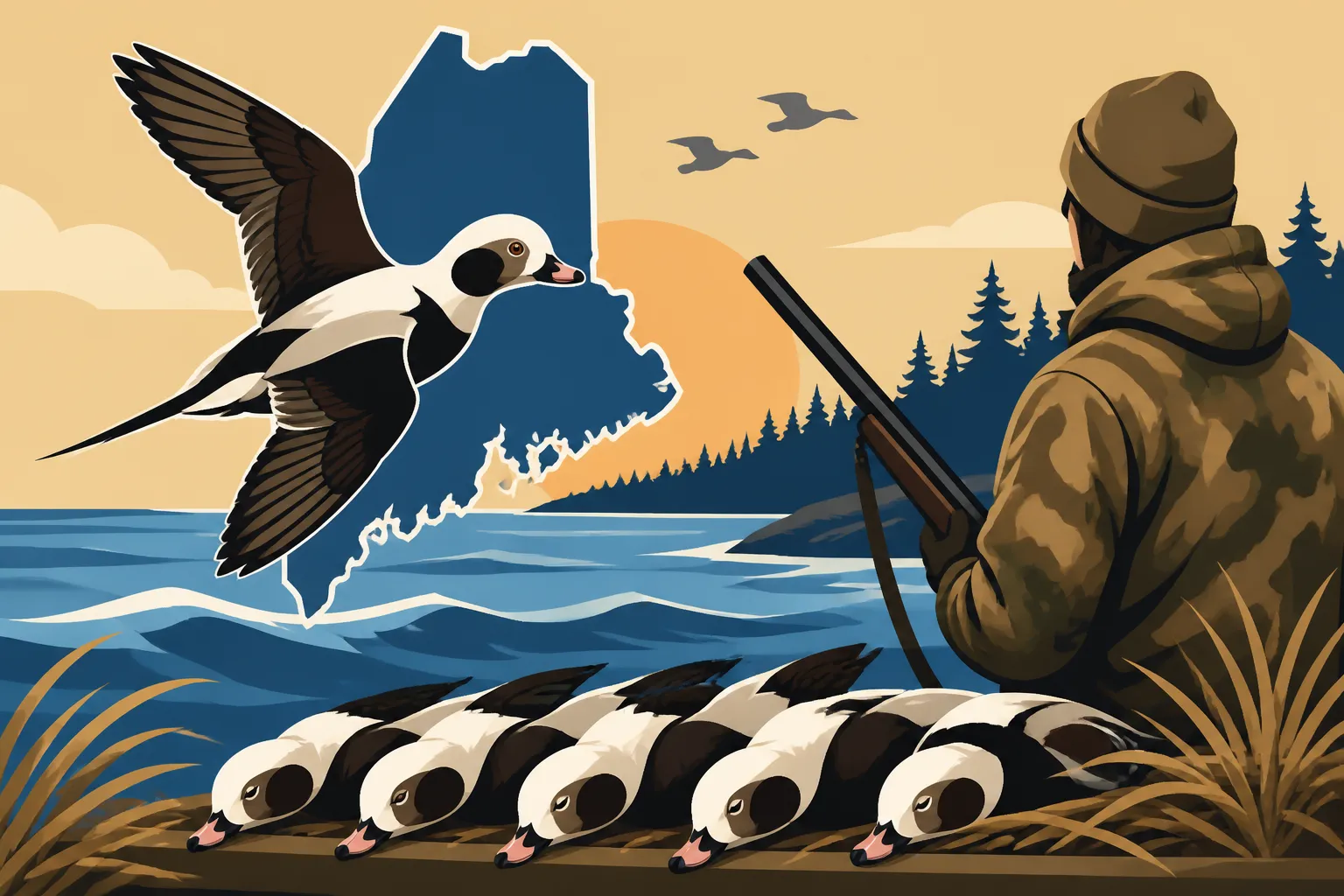
Let's get straight to the point: the daily bag limit for long-tailed ducks in Maine is currently 5 birds. This isn't just about what you can shoot in a single day, either. It’s also crucial to remember the possession limit, which is typically three times the daily bag limit. So, if you're planning a multi-day hunt or have birds stored from previous outings, you can't have more than 15 long-tailed ducks in your possession at any given time. This includes birds at your home, camp, or in transit.
It's a common misconception among new sea duck hunters that all sea ducks fall under one general limit, but that's simply not true. Long-tailed ducks have their own specific limit, distinct from common eiders or scoters. You could, for instance, harvest your 5 long-tailed ducks, 5 scoters, and 5 eiders in a day, assuming you haven't exceeded any other species-specific limits and are hunting within the legal season for each. Always check the current year's Maine hunting digest or the Maine Department of Inland Fisheries and Wildlife (IFW) website for the most up-to-date regulations. Many seasoned hunters even use apps like GoHunt to quickly verify limits while out in the field, just to be safe.
Why These Limits Exist: Conservation and Management
You might wonder why such specific numbers are placed on these birds. The daily limits for long-tailed ducks, and all migratory waterfowl, are a critical part of a vast conservation effort stretching across North America. These regulations aren't just dreamt up by state agencies; they are a result of extensive data collection, population modeling, and international agreements like the Migratory Bird Treaty Act. This act, a century-old cornerstone of wildlife conservation, makes it illegal to hunt, capture, kill, or sell migratory birds without a permit, including long-tailed ducks.
The U.S. Fish and Wildlife Service, in conjunction with flyway councils (Maine is part of the Atlantic Flyway Council), assesses population trends, breeding success, and harvest data annually. This scientific approach ensures that hunting pressure remains sustainable. For long-tailed ducks, like many sea duck species, reproductive rates can be slower than other waterfowl, and their populations can be sensitive to environmental changes. Therefore, conservative bag limits are crucial to maintaining their health and abundance. It’s all about balancing recreational opportunity with long-term species survival. Every bird you harvest contributes to the data that helps wildlife managers set these limits, so accurate reporting and ethical hunting are paramount.
Navigating Sea Duck Zones and Seasons in Maine
Maine's vast coastline offers a unique habitat for sea ducks, but it's not all open season, all the time. Understanding where and when you can legally pursue long-tailed ducks is just as important as knowing the bag limit. Ignoring these critical geographical and temporal boundaries can lead to serious legal trouble and undermines the conservation efforts we all benefit from.
Maine's Distinct Sea Duck Zone
Maine’s sea duck hunting takes place within a clearly defined Sea Duck Coastal Zone. This zone is generally considered the coastal waters of the state, extending seaward from the mainland and islands. The critical distinction here is that hunting sea ducks, including long-tailed ducks, is restricted to these designated coastal waters. You won't be finding legal opportunities for them far inland on freshwater lakes or rivers, even if you spot one there.
The precise boundary of the Maine Sea Duck Coastal Zone Line is often described as a line following the general contour of the mainland and major islands. It essentially encompasses bays, harbors, and the open ocean where these birds naturally congregate during their non-breeding seasons. Why this specific zone? Because long-tailed ducks are truly marine birds, spending the majority of their lives in saltwater environments. They feed on mussels, crustaceans, and small fish, diving deep to forage. Concentrating hunting efforts in their natural habitat helps to manage the population where they are most abundant and minimizes interactions with other waterfowl species that prefer inland waters. Always be sure you're operating within this zone to avoid any issues.
Season Dates for Long-Tailed Ducks in Maine
The timing of the hunt is everything, and Maine's sea duck season, including for long-tailed ducks, is carefully structured. While specific dates can vary slightly year to year based on federal frameworks and state adjustments, Maine typically has a split sea duck season. This means there are distinct periods when hunting is open, separated by a closure. For instance, the season might open in early October, close for a few weeks in November, and then reopen, running through January. This split is often designed to coincide with peak migration periods for different sea duck species and to manage overall hunting pressure.
It's absolutely critical to consult the most current hunting regulations booklet published by the Maine Department of Inland Fisheries and Wildlife (IFW) each year. These booklets are available online, at license agents, and often through the GoHunt app or similar digital platforms. Don't rely on last year's dates or hearsay. The season dates are often announced in late summer or early fall, giving hunters time to plan. Being off by even a single day can turn an otherwise successful hunt into a violation. Remember, understanding when Maine's Sea Duck Season and Zones are open is just as important as the bag limit itself.
Essential Gear and Practices for Coastal Long-Tailed Duck Hunting
Hunting long-tailed ducks along the Maine coast isn't your typical marsh hunt. The environment is harsh, the birds are tough, and the logistics require specialized planning and gear. Trying to hunt these birds with your standard freshwater duck setup is not only ineffective but can also be dangerous. Being prepared with the right equipment and employing sound ethical practices are cornerstones of a successful and safe sea duck adventure.
Specialized Gear for Coastal Hunting
When you're chasing long-tailed ducks, you're often heading out into open water, sometimes far from shore, where conditions can change rapidly. This demands specific equipment. First and foremost, a reliable boat is crucial. Many hunters utilize a larger, stable tender boat to transport gear and hunters to a suitable location, then deploy smaller, low-profile layout boats for the actual hunting. These layout boats, like those offered by reputable brands, are designed to keep you hidden just above the waterline, blending seamlessly with the choppy ocean. If you're Hunting Scoters From a Sea Duck Boat or other sea ducks, the boat choice is paramount.
Next, decoys are non-negotiable. Long-tailed ducks are social birds, so large spreads are often the key to success. You'll need durable, species-specific long-tailed duck decoys, sometimes mixed with eiders or scoters, to create a convincing raft. These decoys need to be heavy-keeled and able to withstand strong currents and waves. Your clothing needs to be equally robust: think multiple layers of waterproof, windproof, and insulating gear. A good quality dry suit or top-tier rain gear is a must for staying warm and dry in freezing spray. Don't forget safety gear: a VHF radio, flares, a GPS, and extra warm clothing in a dry bag are all non-negotiables when you're miles offshore. Proper navigation tools, perhaps integrated with a platform like GoHunt, can help you avoid hazards and return safely.
Ethical Hunting and Species Identification
Ethical hunting begins with accurate species identification. Long-tailed ducks have a distinct appearance – particularly the males with their long tail feathers and striking black, white, and gray patterns – but in low light, fog, or fast flight, they can be confused with scoters or even some mergansers. It's your responsibility to be 100% sure of your target before you pull the trigger. Mistaking a protected species or a bird whose limit you've already filled is a serious ethical and legal breach. Studying identification guides beforehand and even spending time observing birds without a gun can significantly improve your skills.
Beyond identification, responsible shooting practices are key. Only take shots at birds within your effective range to ensure clean kills and minimize cripples. The ocean can make retrieving downed birds challenging, so waiting for birds to commit fully to your spread and shooting them over open water (away from rocks or thick kelp beds) increases your chances of recovery. Always prioritize retrieving downed birds immediately, even if it means holding off on another shot. A good retrieve dog, if you have one trained for cold water, can be an invaluable asset. If you're Decoying Eiders Off the Maine Coast, similar principles apply. Every effort made to recover a bird reflects your respect for the game and the hunting tradition.
Maine Sea Duck Daily Limits Overview
To help you keep track of the different species, here’s a quick overview of the typical daily bag limits for the primary sea duck species found along the Maine coast. Remember that possession limits are generally three times the daily bag limit.
| Species | Daily Bag Limit | Possession Limit | Notes |
|---|---|---|---|
| Long-Tailed Duck | 5 | 15 | Distinctive long tail, often vocal |
| Common Eider | 5 | 15 | Large, heavy-bodied; males black and white |
| Scoter (Black, Surf, White-winged) | 5 (aggregate) | 15 (aggregate) | All three species combined into one limit |
Note: These limits are subject to change. Always confirm current regulations with the Maine Department of Inland Fisheries and Wildlife (IFW) or the U.S. Fish and Wildlife Service.
You'll also need to ensure you have all your proper licensing in order. This includes your Maine Hunting Licenses and What They Cost, a valid Maine hunting license, a state migratory bird permit, and a federal duck stamp. These are fundamental requirements for any migratory bird hunting in the state, including for long-tailed ducks. Make sure you've also completed your Maine Migratory Bird Certification and have purchased your Maine Federal Duck Stamp Requirement before heading out.
When you're planning your trip, consider the broader picture of Maine Sea Duck Season and Zones to maximize your opportunities. The ability to hunt all these species under their specific limits is what makes sea duck hunting in Maine so unique. Don't forget to check out details on Hunting the Split Sea Duck Season if you're trying to time your hunt for different parts of the season.
Disclaimer
Please be aware that hunting regulations, including bag limits and season dates, are subject to change by the Maine Department of Inland Fisheries and Wildlife (IFW) and the U.S. Fish and Wildlife Service. While every effort has been made to provide accurate and up-to-date information, it is the hunter's responsibility to verify all current regulations before participating in any hunting activity. Consult the official Maine hunting rulebook or the IFW website for the most current and authoritative information.