Which WMDs Allow Antlerless Without a Permit
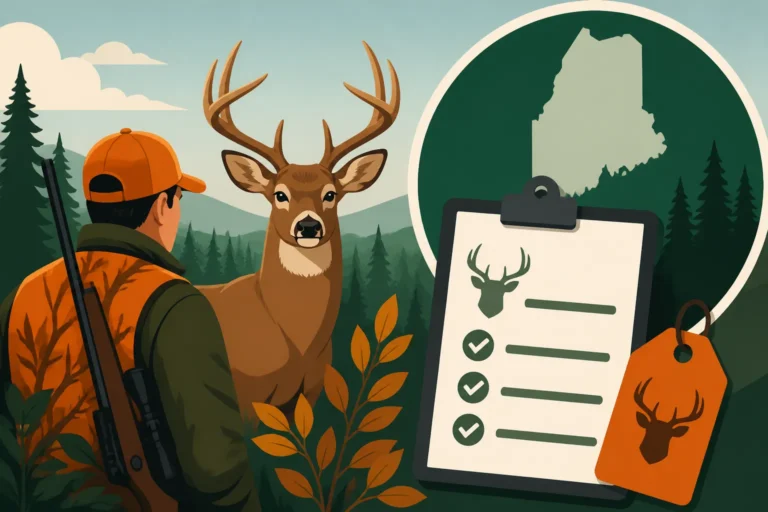
It can be incredibly frustrating to feel like you're navigating a labyrinth of regulations just to understand something as seemingly straightforward as harvesting a deer. For many hunters in Maine, the mention of "antlerless permits" brings a sigh and a quick search of the rulebook, but did you know there are specific Wildlife Management Districts (WMDs) where you don't even need one for an antlerless deer? This guide will cut through the confusion and highlight exactly which WMDs in Maine generally allow you to take an antlerless deer without needing to draw a special permit.
Understanding Maine's Antlerless Deer Management System
Maine's deer population management is a delicate balance, aiming to keep deer numbers healthy, prevent overbrowsing, and reduce deer-vehicle collisions, all while providing ample hunting opportunities. It’s a complex dance involving wildlife biologists, winter severity, habitat conditions, and hunter harvest data. The antlerless deer permit system is one of the primary tools in this management toolbox, allowing the state to control the doe population.
Why Antlerless Permits Exist in the First Place
Think of antlerless deer permits, often referred to as "any-deer" permits here in Maine, as a way for the Department of Inland Fisheries and Wildlife (MDIFW) to fine-tune the deer population. In areas where deer numbers are high or are increasing beyond desired ecological carrying capacity, issuing more antlerless permits helps reduce the doe population. Since does are the reproductive engine of the herd, managing their numbers directly impacts future fawn crops and overall deer density. Without this system, some WMDs could quickly become overpopulated, leading to increased disease, habitat degradation, and more deer-vehicle accidents, especially in the more populated southern and central parts of the state. It's all about ensuring a healthy, sustainable herd for generations to come, and sometimes that means making tough choices about how many does are harvested.
The Concept of "Open" WMDs for Antlerless Harvest
However, not every corner of Maine needs this level of antlerless harvest control. Maine is a big state, and conditions vary wildly from the sprawling potato fields of Aroostook County to the dense spruce forests of Downeast, and the more developed suburban landscapes of Southern Maine. In certain WMDs, typically those in the northern and eastern reaches of the state, deer populations are naturally lower. This can be due to harsher winters with deeper snow, less abundant quality habitat, or greater predation pressure from coyotes and bears. In these "open" WMDs, hunters are generally allowed to harvest an antlerless deer without needing an "any-deer" permit during the regular firearms season. This is because the deer herd in these areas can sustain a general harvest of both antlered and antlerless deer without risking over-harvest or significant population decline. It’s a recognition that one-size-fits-all management doesn’t work in a state as diverse as Maine.
Identifying WMDs with Antlerless Opportunities Without a Permit
The key to understanding where you can harvest an antlerless deer without a permit lies in knowing your WMDs and, crucially, checking the most current regulations. Maine's hunting rules are updated annually, so what was true last year might not be precisely the same this year. Always, always consult the official Maine Hunting & Trapping Laws Summary booklet or the MDIFW website before heading out.
Northern and Eastern Maine's General Approach
Historically and currently, the WMDs that typically do not require an antlerless permit are found in the northern and eastern regions of Maine. These are areas where the challenges of winter weather, such as heavy snow accumulation, significantly impact deer survival. As a result, deer populations here are generally lower and grow more slowly than their counterparts in central or southern Maine. The MDIFW manages these WMDs with a more liberal antlerless harvest policy, recognizing that hunters provide an important, but not overly dominant, form of population control. This approach helps maintain a stable deer population without needing the restrictive permit system used in areas with higher deer densities. Often, these WMDs are characterized by vast tracts of private timberland, making them popular destinations for hunters looking for a true North Woods experience. If you're planning a trip to the remote reaches of the state, you'll likely find these more flexible antlerless regulations in play. For those planning a moose hunt in Maine's North Woods, understanding the deer regulations in those same WMDs can be a helpful addition to your knowledge base.
Specific WMDs to Look For
While the exact list can shift each year, hunters can generally expect to find WMDs where an antlerless permit isn't required in zones like WMDs 1, 2, 3, 4, 5, 6, 9, 10, 11, 18, 19, 28, and 29. These districts cover a significant portion of northern and eastern Maine, extending from the Canadian border down towards areas like Washington County. For instance, if you're hunting in the deep woods around Ashland or Fort Kent, you're likely in a WMD where an antlerless deer can be harvested without a special permit during the regular firearms season. Similarly, areas east of Millinocket and further toward the coast, but still sparsely populated, often fall into this category.
It's vital to remember that "antlerless" means a deer without antlers, or with antlers less than three inches in length. This is different from a spike horn, which is an antlered deer. When hunting in these areas, always confirm your target is truly antlerless before pulling the trigger. The rules are generally straightforward, but misidentification can lead to violations.
Here's a quick overview of typical WMD categories regarding antlerless permits:
| WMD Region | Typical Deer Density | Winter Severity Impact | Antlerless Permit Requirement (Firearms Season) | General Landscape |
|---|---|---|---|---|
| Northern Maine | Low to Moderate | High | Generally NOT Required | Vast timberlands, remote, some agriculture |
| Eastern Maine | Low to Moderate | Moderate to High | Generally NOT Required | Mixed forest, coastal influences, some agriculture |
| Central Maine | Moderate to High | Moderate | REQUIRED | Mixed forest, more development, agriculture |
| Southern Maine | High | Low to Moderate | REQUIRED | Heavily forested, high development, agriculture |
Note: This table represents general trends. Always consult the current Maine Hunting & Trapping Laws Summary for precise, up-to-date regulations.
What "Antlerless Without a Permit" Really Means for Hunters
Understanding that some WMDs allow antlerless deer harvests without a permit is more than just a regulatory detail; it profoundly impacts a hunter's strategy, planning, and overall experience. It simplifies things, removing one layer of paperwork and chance from the equation.
Legal Definitions and Hunter Responsibility
First and foremost, it's about being absolutely clear on what constitutes an "antlerless" deer in Maine. The definition is simple: a deer without antlers, or with antlers less than three inches in length. There's no room for "maybe" when you're in the field. Every hunter bears the responsibility for correctly identifying their target. In WMDs that require a permit, if you harvest an antlerless deer without one, it's a violation. In "open" WMDs, this pressure is lessened, but the need for correct identification remains for safety and ethical hunting.
Moreover, even in these open WMDs, the bag limit for deer generally remains at one deer per hunter, unless you have additional permits like a Bonus Antlerless Tag for specific WMDs or are participating in the expanded archery season. Knowing the regulations for your chosen WMD, including the overall bag limits, is paramount. If you're interested in maximizing your deer harvest, it's crucial to understand Maine's Antlerless Permit System.
Impact on Hunting Strategy and Success
For hunters targeting these northern and eastern WMDs, the absence of an antlerless permit requirement simplifies their hunt immensely. You don't have to worry about applying for a permit, checking draw results, or being restricted to only antlered bucks if you don't draw one. This freedom allows you to focus purely on finding deer, regardless of whether they're a buck or a doe. This can be especially beneficial in areas where deer densities are lower, as any legal deer becomes a viable target.
It also changes your mindset. Instead of passing up a healthy doe because you don't have a permit, you can focus on ethical harvest and meat for the freezer. This can be a huge relief for hunters who are more concerned with putting food on the table than with trophy hunting. Many hunters also find that being able to harvest either a buck or a doe increases their overall success rates, as they have more opportunities. It takes some of the pressure off, allowing you to enjoy the hunt itself more. If you're exploring different methods, this flexibility can even extend to Bowhunting Maine's Long Archery Season or even Muzzleloader Deer Hunting in Maine if those seasons overlap with open antlerless regulations.
Navigating the Regulations and Planning Your Hunt
Maine's hunting regulations, while comprehensive, require hunters to be proactive in staying informed. The rules aren't static, and what's true this season might be adjusted for the next. This vigilance is crucial for a legal and successful hunt.
Annual Changes and Official Sources
The most critical piece of advice for any Maine hunter is to always consult the official Maine Hunting & Trapping Laws Summary booklet, published annually by the Maine Department of Inland Fisheries and Wildlife (MDIFW). This document is your bible. You can find it online on the MDIFW website, or pick up a physical copy at license agents across the state. The MDIFW portal also provides detailed information on Maine's Four-Week Firearms Deer Season, Maine Archery Season Dates, and Maine Muzzleloader Season Dates by WMD. These resources will confirm which WMDs have "any-deer" permits required, and which are "open" for antlerless harvest without one for the current year. Do not rely on old maps, outdated advice, or casual conversations. Regulations can change due to various factors, including winter severity, disease outbreaks, habitat shifts, or management goals. For example, a WMD that was open one year might require a permit the next if the deer population has grown significantly.
Using Mapping Tools for WMD Boundaries
Identifying WMD boundaries in the field can be challenging, especially in the vastness of Maine's landscape. Fortunately, modern technology makes this much easier. There are several excellent mapping applications and GPS units that allow you to overlay WMD boundaries onto topographic or satellite maps. Many hunters find mapping applications like GoHunt invaluable for quickly identifying WMD boundaries, public land access points, and even property lines (where available). Before heading out, a quick check of your GoHunt app can confirm the antlerless regulations for your chosen WMD, ensuring you're compliant. Other popular tools like onX Hunt also provide similar functionality. These apps are a game-changer for scouting and navigating, helping you determine if you're in a WMD that allows you to take an antlerless deer without a permit, or if you need to stick to antlered bucks. This kind of detailed scouting is essential, especially when you consider Reading Aerial Photos for North Woods Deer or Scouting With the Maine Hunting App. Understanding your location relative to WMD lines is just as important as knowing your property lines when you're in the woods.
Final Thoughts on Antlerless Harvests
Hunting in Maine's "open" WMDs for antlerless deer without a permit offers a fantastic opportunity for hunters seeking a more flexible and often more successful hunt. It allows for a focus on the experience and on putting venison in the freezer, rather than the added stress of permit applications and draws. Remember, the true spirit of hunting lies in respecting the game, understanding the land, and adhering to the regulations that ensure the health of our wildlife resources. So, do your homework, consult the latest MDIFW regulations, and head out to enjoy the incredible hunting opportunities Maine offers.
Disclaimer
Please remember that hunting regulations in Maine can change annually. The information provided in this guide is for general informational purposes only and should not be considered legal advice. Always consult the most current official Maine Hunting & Trapping Laws Summary booklet or the Maine Department of Inland Fisheries and Wildlife (MDIFW) website for the definitive and up-to-date regulations before participating in any hunting activities. Hunters are responsible for knowing and abiding by all applicable laws.