Average Cost of a Guided Fall Turkey Hunt
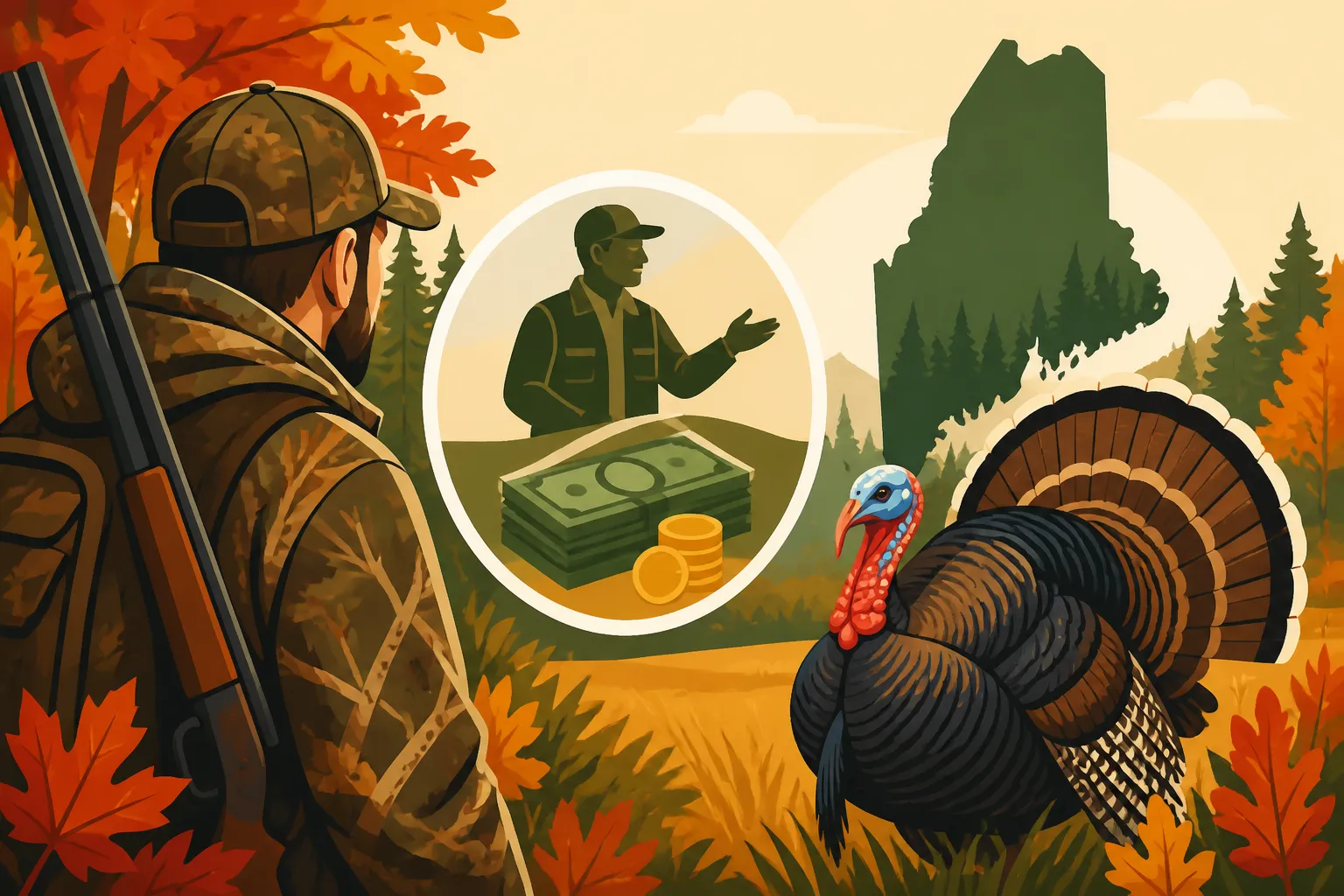
So, you're thinking about extending your turkey hunting season beyond the spring gobbler rush and trying your hand at fall turkeys in Maine? That's fantastic! But let's be real, the moment you start dreaming of those autumn woods, the practical questions creep in, especially around what a guided trip might actually cost. It's tough to budget when you're not sure what you're getting into, and frankly, a lot of folks hesitate because they don't want sticker shock. This guide is here to unravel the average costs associated with a guided fall turkey hunt in Maine, helping you understand what to expect and how to plan your adventure.
Why Consider a Guided Fall Turkey Hunt in Maine?
Fall turkey hunting in Maine offers a completely different experience than the spring, and it can be incredibly rewarding. However, it also presents its own set of unique challenges that often lead hunters to consider the expertise of a local guide.
The Unique Challenges of Fall Turkey Hunting
If you've only ever hunted turkeys in the spring, you might be surprised by how different the fall can be. Gone are the days of locating a lonely gobbler on the roost and trying to call him in for a breeding dance. In the fall, turkeys are typically in large flocks, often composed of hens and their poults. Their behavior shifts from breeding to survival and feeding, making them a much more social and often wary quarry. You're no longer trying to sound like a seductive hen; instead, you might be aiming to break up a flock and then call individuals back to you, simulating lost birds.
This requires a completely different set of calling techniques, scouting strategies, and an understanding of their fall feeding patterns and roosting habits. The Maine landscape can be vast and varied, from dense timber to agricultural fields, and knowing where these fall flocks will be is half the battle. For many hunters, especially those visiting from out of state or new to the area, trying to figure all of this out on their own can feel overwhelming and lead to a lot of unproductive hours in the woods. The thought of spending valuable vacation days confused and bird-less is enough to make anyone consider professional help. Plus, Maine offers some incredibly generous fall turkey bag limits in certain Maine's Five-Bird Fall Turkey Districts, making a guided trip even more appealing if you want to maximize your chances.
The Value a Maine Guide Brings
This is where a Registered Maine Guide really shines. They are not just someone who takes you into the woods; they are a walking, talking encyclopedia of local knowledge, animal behavior, and hunting strategies. When it comes to fall turkeys, a guide will likely have spent countless hours scouting the area, observing flock movements, and identifying prime feeding and roosting locations. They understand how a change in weather or mast crop availability can shift where turkeys are holding.
A skilled guide can interpret subtle signs, know which calls to use and when, and can help you develop a strategy to get within range of these often tight-lipped birds. They bring years of experience navigating the local terrain, ensuring your safety, and maximizing your hunting time. They often have access to private land or intimate knowledge of public land areas that see less pressure, which can be invaluable. Think about it: instead of spending days driving around, knocking on doors for permission, or blindly walking miles, a guide puts you directly in the best position from day one. They handle the logistics, so you can focus on the hunt itself.
Breaking Down the Costs: What Influences the Price Tag?
Understanding what goes into the cost of a guided fall turkey hunt means looking at several factors, from the length of your trip to where you're hunting and who you're hunting with.
Guide Fees and Trip Duration
The most significant chunk of your expense will naturally be the guide's fee. This is typically structured either as a daily rate or as a package deal for multiple days. For fall turkey hunts, you'll often find options for single-day trips, or two to three-day packages. A single day might sound appealing for its lower upfront cost, but sometimes it barely gives you enough time to get oriented, let alone seal the deal on a wily fall gobbler or hen.
Multi-day packages, while a larger initial investment, often provide a better overall value per day and significantly increase your chances of success. They allow for more flexibility, adaptation to changing conditions, and a deeper dive into scouting and strategy. Imagine if the weather turns sour on your one planned day; with a multi-day booking, you have the opportunity to adjust. Guides factor in their time, scouting efforts, equipment wear and tear, and the general operating costs of their business when setting these rates.
Inclusions and Exclusions
It's absolutely critical to clarify what's included in any guided hunt package. Many basic guide fees will cover the guide's time, transportation in the field (meaning they drive you from your meeting point to the hunting grounds), and perhaps some basic snacks or beverages.
However, a lot of things are typically not included. This almost always means your hunting license, your Maine Fall Turkey Permit Rules, lodging, and most meals are separate expenses. You'll also need to bring your own firearm or bow, ammunition, and appropriate hunting clothing for Maine's unpredictable fall weather. Don't forget items like a good pair of waterproof boots, binoculars, and a comfortable seat or ground blind. Critically, tips for your guide are almost always an additional, expected expense, and if you're successful, the cost of meat processing is also on you. Always ask for a detailed breakdown of what's covered and what isn't before you commit to anything.
Geographical Considerations and Guide Reputation
Maine is a big state with diverse habitats, and where you choose to hunt can impact the cost. Guides operating in more remote, hard-to-access areas, such as portions of the North Woods where they might have exclusive leases or specialized knowledge, might charge a premium. These areas can require more specialized equipment, more travel time, and offer a unique experience. Conversely, hunts in more accessible regions, perhaps nearer population centers, might be slightly less expensive due to lower overhead or less travel for the guide.
Furthermore, a guide's reputation and success rate play a huge role in their pricing. Highly sought-after guides with a proven track record of getting clients on birds, especially those known for their exceptional calling skills or access to prime habitat, can command higher fees. They've invested years in honing their craft and building their business. Just like in any profession, experience and expertise come at a price. When browsing options on platforms like BookYourHunt or GoHunt, you'll see a range of prices that often reflect these factors. Don't be shy about asking for references or checking reviews to get a sense of a guide's standing.
Typical Cost Ranges for a Guided Fall Turkey Hunt in Maine
When it comes to putting a number on it, the "average" cost can really swing depending on the factors we just discussed. But let's give you some general ideas of what to expect. Keep in mind that prices can change, so always verify current rates directly with the guide or outfitter.
Day Hunts vs. Multi-Day Packages
A single-day guided fall turkey hunt in Maine can certainly be an option, particularly if you're local, on a tight schedule, or just want to try it out. For a focused day of hunting, expect the cost to be in a certain range, covering just the guide's time for that one day. This is often the most economical entry point if you're looking for professional help.
However, if you're looking for a more immersive experience or feel that one day isn't quite enough to connect with a flock, a multi-day package (often 2-3 days) is usually available. While the total outlay will be higher, the daily rate often decreases when booked as part of a package, offering better value. These multi-day options allow for more flexibility, more diverse hunting locations, and a greater chance of success, especially with unpredictable fall weather or wary birds. Remember, a guide is investing their time, knowledge, and resources into your hunt, and often, more days equate to a higher likelihood of success for everyone involved.
What to Expect at Different Price Points
The range of guided fall turkey hunt costs often aligns with the level of service and experience you're seeking:
- Budget-Friendly Options: On the lower end, you might find guides who are newer to the profession, offering perhaps a more "no-frills" experience. This could mean fewer amenities, or it might involve hunting on more accessible public lands. These options are perfect for hunters who are budget-conscious but still want professional guidance. You might need to arrange more of your own logistics, like lodging and meals.
- Mid-Range Experiences: This is where you'll find many established, reputable guides. Their rates reflect their years of experience, proven success rates, and possibly access to some private land. You can expect solid communication, good organization, and a comfortable hunting experience, often with some basic amenities provided in the field. This segment offers a great balance of cost and quality.
- Premium Packages: At the higher end, you're looking at top-tier guides or outfitters who might offer all-inclusive packages. This could include high-quality lodging, gourmet meals, and even airport pickup. They often operate on exclusive private lands with carefully managed turkey populations, potentially leading to higher success rates or opportunities for larger birds. These packages are designed for hunters seeking a luxury experience where almost every detail is handled for them.
It's crucial to openly discuss your expectations and budget with any guide you're considering to ensure their offerings align with what you're looking for.
Saving Money on a Guided Fall Turkey Hunt
While a guided hunt is an investment, there are ways to manage costs:
- Group Rates: Many guides offer reduced per-person rates if you book as a small group. If you have a hunting buddy or two, this is a great way to split the cost and enjoy the experience together.
- Off-Peak Booking: Consider hunting during less popular times within the fall season, or perhaps on weekdays rather than weekends. Guides might offer slight discounts during these slower periods.
- Semi-Guided Options: Some outfitters offer "semi-guided" hunts, where they provide scouting reports, map out areas, and perhaps drop you off, but don't actively guide you throughout the entire day. This can significantly reduce costs.
- Research Platforms: Websites like BookYourHunt or GoHunt allow you to compare multiple outfitters and their packages side-by-side, helping you find the best value for your budget. You can often filter by price, inclusions, and reviews.
Here's a quick table to summarize the factors impacting cost:
| Cost Factor | Lower Cost Implications | Higher Cost Implications |
|---|---|---|
| Duration | Single-day hunt | Multi-day package (though better daily value) |
| Inclusions | Guide's time, in-field transport | Lodging, meals, specialized gear, trophy care |
| Guide Experience/Reputation | Newer guide, less established track record | Highly experienced, high success rate, well-known guide |
| Location | Easily accessible public land, lower pressure areas | Remote private land, exclusive access, unique habitat |
| Group Size | Booking solo | Booking as a small group (per person cost may be lower) |
| Season Timing | Off-peak dates, weekdays | Opening week, peak weekends |
| Outfit Type | Basic guide service | All-inclusive sporting camp or luxury outfitter |
Beyond the Guide Fee: Other Expenses to Budget For
It's easy to focus solely on the guide's fee, but a truly successful budgeting plan accounts for all the associated costs that add up quickly. Neglecting these can lead to unexpected expenses and spoil an otherwise great trip.
Licenses, Permits, and Tags
Before you even step foot in the Maine woods, you need to be properly licensed. For a fall turkey hunt, this means a valid Maine hunting license, and crucially, a fall turkey permit. These are separate purchases and their costs will vary depending on whether you're a Maine resident or a nonresident. Don't forget to factor these into your budget, and be sure to check the dates for the Maine Fall Turkey Season Closing Date in your chosen Wildlife Management District (WMD). Maine's WMDs have varying bag limits, so understanding Maine's WMD-Based Turkey Bag Limits is also key to planning your hunt. Always purchase these well in advance to avoid any last-minute stress.
Travel, Lodging, and Meals
Unless you live right next to your hunting spot, travel costs are a given. This includes gasoline if you're driving, or flights if you're a nonresident coming from further away. Once you arrive, you'll need a place to stay. While some premium guided packages include lodging, most do not. You might opt for a local motel, rent a cabin or an Airbnb, or consider staying at one of Maine's charming Maine Sporting Camps Explained. These camps often offer a more rustic, all-inclusive feel, though they come with their own price points.
Then there's food. Even if your guide provides a snack or lunch in the field, you'll still need to cover breakfasts, dinners, and any other provisions. Eating out every meal can quickly inflate your budget, so consider packing some groceries or planning for simple, camp-style meals to save money.
Gear, Gratuities, and Meat Processing
Think about your gear. Do you have appropriate camouflage, waterproof outerwear, and insulated boots for chilly Maine fall mornings? Is your firearm sighted in, and do you have enough ammunition? What about calls – will your guide provide them, or do you need to bring your own? These are all minor costs that, when added up, can make a significant dent.
One of the most important, and sometimes overlooked, expenses is gratuities for your guide. Tipping is customary in the guiding industry and is a way to show appreciation for their hard work, expertise, and dedication. While there's no hard-and-fast rule, a typical tip might be a percentage of the hunt cost for a good experience. Always budget for this separately.
Finally, if you're successful and harvest a turkey, you'll have the cost of processing it. You can either learn to field dress and butcher it yourself, which is a great skill to have, or take it to a local meat processor. Processors charge based on weight and services, so factor that in as well.
A guided fall turkey hunt in Maine is an incredible opportunity to experience a unique hunting challenge in beautiful country. By understanding the various costs involved – from guide fees and licenses to travel and tips – you can create a realistic budget and ensure your trip is as stress-free and enjoyable as possible. It's an investment, but for many, the knowledge gained, the experience shared, and hopefully, the success achieved, are truly priceless.
Disclaimer
This article is for general informational purposes only and does not constitute professional advice. Laws, prices and regulations vary by location and change over time. Consult a qualified professional for guidance on your specific situation.