Semi-Guided Versus Fully Guided Cost Difference
One of the biggest questions that swirls around the Maine hunting community, especially for those considering using an outfitter or guide, is whether to go fully guided or opt for a semi-guided experience. It's a common dilemma, and the frustration often stems from not understanding what you're truly getting for your hard-earned money and how those choices impact your overall budget and experience. This guide will walk you through the distinct cost differences and value propositions of semi-guided versus fully guided hunts in the great state of Maine, helping you make an informed decision that suits your hunting style and wallet.
Understanding the Core Differences: Semi-Guided Versus Fully Guided Hunts
Before we dive into the nitty-gritty of dollars and cents, it's crucial to grasp the fundamental differences between these two types of hunting experiences. It's not just about the guide's presence; it's about the entire package, the level of service, and ultimately, your responsibility in the hunt.
What Defines a Fully Guided Experience?
A fully guided hunt in Maine is, in essence, a concierge service for hunters. You're paying for a comprehensive, all-inclusive package where nearly every aspect of your hunting trip is handled by your Registered Maine Guide and their team. Imagine arriving in Maine, sometimes even being picked up at the airport, and from that moment on, your focus is almost entirely on the hunt itself.
Your guide is there from sunup to sundown, and often before and after, to ensure your experience is as seamless and productive as possible. This means they've done extensive pre-season scouting, know the land intimately, have stands set or blinds brushed in, and are actively putting you on game. For big game like moose or bear, a fully guided trip often involves an immersive camp experience. You might be staying in comfortable cabins, sometimes even a remote fly-in sporting camp, where delicious home-cooked meals are prepared for you. The guide will take you to your hunting spot each day, retrieve your game once harvested, assist with field dressing, and often help with the logistics of getting your animal to a local processor or taxidermist. It’s a hands-on, highly supportive approach designed for maximum convenience and often, the highest possible chance of success. This level of service is particularly appealing to first-time hunters in Maine, those pursuing a specific species with high expectations, or hunters who have limited time and want to maximize every minute afield. When you're considering Hiring a Registered Maine Guide for a dream hunt, this is often the gold standard.
What to Expect from a Semi-Guided Outing?
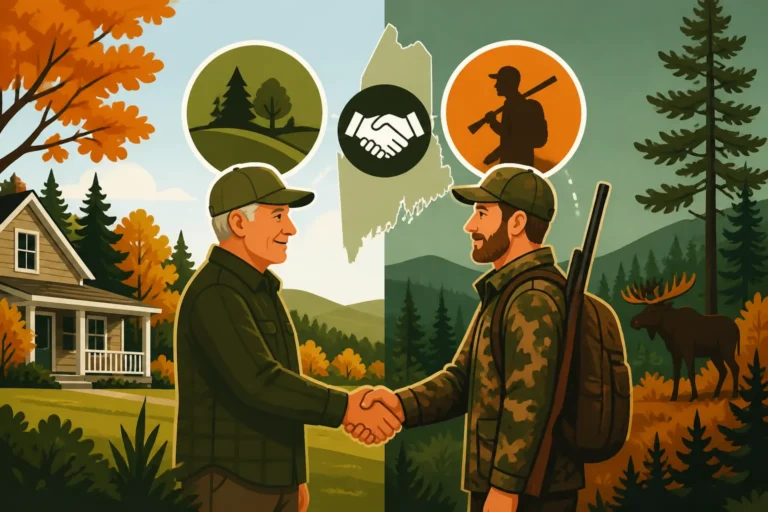
A semi-guided hunt in Maine presents a different beast entirely, one that demands more active participation and self-reliance from the hunter. Think of it as a partnership where the guide provides crucial local knowledge and logistical support, but you, the hunter, are responsible for much of the actual hunting execution. The guide's role shifts from a full-time companion to more of a consultant and facilitator.
Typically, a semi-guided package might include valuable pre-scouted areas, maps detailing promising spots like a recent timber cut or a productive beaver flowage, and advice on strategies for a particular hunting zone. The guide might transport you to specific trailheads or drop-off points each morning and pick you up at the end of the day, especially if you're venturing into more remote areas like parts of the North Maine Woods Gate System or tracts of industrial forest land. However, once you're dropped off, the hunting itself—stalking, setting up your own ground blind or treestand (if allowed and you bring it), tracking, field dressing, and often retrieving your game—falls squarely on your shoulders. You'll likely be responsible for your own lodging, whether that's a local motel, a rented cabin, or self-contained camping, and certainly your own meals. This option is popular among experienced hunters who prefer the challenge of the hunt but appreciate the crucial advantage of local expertise. It's about getting pointed in the right direction and accessing private lands or hard-to-reach public lands with confidence, without paying for the full suite of services. It's a sweet spot for those looking for a balance between doing it themselves and leveraging professional insights, often explored when looking into options for Self-Guided Versus Outfitted Maine Hunts.
Breaking Down the Costs: What You're Paying For
Now for the part that most people are really curious about: the money. The cost disparity between semi-guided and fully guided hunts can be substantial, and understanding why that difference exists is key to valuing each option appropriately.
Components of a Fully Guided Hunt's Price Tag
When you look at the price tag for a fully guided hunt, say a prime What a Guided Moose Hunt Costs or a comprehensive What a Guided Bear Hunt Costs experience, it can seem daunting. However, when you break down what's included, it starts to make more sense. The higher cost reflects the extensive services and amenities bundled into the package.
First and foremost, you're paying for the guide's professional time and expertise, which encompasses pre-season scouting, ensuring stands are safe and strategically placed, and a deep understanding of game movements and habits in specific areas. This includes their wages, insurance, and the maintenance of their equipment (trucks, ATVs, boats, blinds). Secondly, the accommodation is usually a significant factor. Many fully guided hunts are based out of comfortable sporting camps or lodges, some with rich histories as Historic North Woods Sporting Camps. These often include private rooms, hot showers, and a common area for relaxation. Thirdly, all your meals are typically provided, from hearty breakfasts to packed lunches and delicious dinners, often prepared by a dedicated cook. This means no grocery shopping, cooking, or dishwashing for you. Furthermore, transportation is usually covered, from picking you up at the nearest major airport like Bangor or Portland to driving you to and from your hunting spots each day, and crucially, assisting with game retrieval, which can be a monumental task for a large animal like a moose or bear in rugged Maine terrain. You're also often benefiting from the outfitter's investment in quality hunting equipment like comfortable blinds, sturdy treestands, and sometimes even specialized gear or communication devices. Initial trophy care, like caping and quartering, is usually part of the service, and the outfitter might have established relationships with local meat processors and taxidermists to simplify your post-harvest logistics. Essentially, you're paying for peace of mind, maximum comfort, and a significantly higher probability of success, making it an investment in a premium experience. Platforms like BookYourHunt often detail these all-inclusive packages clearly.
Components of a Semi-Guided Hunt's Price Tag
The cost of a semi-guided hunt is considerably lower than its fully guided counterpart because it strips away many of the all-inclusive amenities and puts more responsibility back on the hunter. You're paying for targeted assistance rather than full-service immersion.
The primary component of a semi-guided fee is the guide's local knowledge and limited direct support. This means they spend time scouting and identifying promising hunting areas, which they will then convey to you through maps, GPS coordinates, or direct verbal briefings. They might also provide transportation to specific, difficult-to-access public lands or private timber company lands. For instance, a guide might drop you off at a remote logging road deep in the North Woods, give you advice on how to Still-Hunting Aroostook County Farmland or Hunting a Ridge-Top Saddle for Rutting Bucks, and then arrange a pickup time. However, beyond that, the guide's direct involvement during the actual hunt is minimal. You are fully responsible for your own lodging, which means booking a hotel, renting a cabin, or bringing your own camping gear. Meals are entirely self-catered, so you'll be buying and preparing all your own food. This also extends to all your personal hunting equipment – your weapon, clothing, binoculars, daypack, and any stands or blinds you plan to use. Game retrieval is another significant difference; while a guide might offer assistance as an add-on service, you are generally expected to handle field dressing and getting your animal out of the woods yourself. This requires a much higher degree of physical fitness and planning on your part. The lower cost reflects the reduced overhead for the outfitter, as they are not providing lodging, meals, or extensive day-to-day services. It's essentially paying for the most critical piece of the puzzle: localized, expert intel and access, allowing you to execute the hunt on your terms. Resources like GoHunt can be invaluable for hunters planning these more self-reliant trips, offering tools to map out and research potential hunting grounds.
The Value Proposition: Which Option Makes Sense for You?
Choosing between semi-guided and fully guided isn't just about the dollar amount; it's about matching the service level to your hunting experience, personal preferences, and what you hope to gain from your Maine adventure.
When to Splurge on a Fully Guided Hunt
A fully guided hunt is often the right choice when you're looking for an unforgettable, high-comfort, and high-probability experience, especially if you're targeting specific, challenging game.
- First-Time Maine Hunter or Species-Specific Hunt: If you've never hunted Maine before, or if you're going after a challenging species like moose or bear for the first time, a fully guided trip offers an invaluable education and significantly boosts your chances of success. They know the habits of Moose in Maine's North Woods and Black Bears in Maine better than anyone.
- Limited Time or Physical Limitations: For busy professionals or hunters with physical constraints, the all-inclusive nature means no time wasted on logistics, maximizing your hunting hours. It’s ideal if you just want to focus on the hunt itself without the added stress of camp chores or navigation.
- High Success Rate is Paramount: While no hunt is guaranteed, outfitters with good track records (and you should always check references and reviews) often boast impressive Maine Moose Hunt Success Rates or bear harvest numbers. For a once-in-a-lifetime tag, like a moose permit, this can be a wise investment.
- "Bucket List" Experience: Some hunts are about more than just harvesting an animal; they're about the entire experience. A luxurious North Woods sporting camp, gourmet meals, and expert companionship can turn a hunt into a cherished memory.
- Specific Species Where Local Knowledge is Critical: For animals that inhabit vast, remote territories, like a North Woods moose or an elusive black bear in dense cover, a guide's intimate knowledge of the area, game trails, and habits is irreplaceable.
When a Semi-Guided Hunt is the Smarter Choice
For many seasoned hunters, the allure of a semi-guided hunt lies in its blend of independence, adventure, and cost-effectiveness. It’s perfect for those who enjoy the process of hunting but want a strategic advantage.
- Experienced and Self-Reliant Hunters: If you're comfortable with tracking, field dressing, navigation, and generally "roughing it," a semi-guided option provides the intel without the hand-holding. You appreciate the challenge and pride of a DIY harvest.
- Budget-Conscious Adventurers: This is where the significant cost savings come into play. By handling your own lodging, meals, and much of the logistics, you can dramatically reduce the overall expense of your trip. This might allow you to hunt more often or extend your stay.
- Hunters Who Enjoy the Scouting Process: For those who revel in the satisfaction of finding their own sign, Scouting Maine Private Land Before Season, and executing their own setup, a semi-guided hunt offers the perfect blend of foundational knowledge and personal effort.
- More Accessible Species or Familiar Terrain: If you're hunting white-tailed deer in more familiar or accessible regions of Maine, or upland birds where you might have your own dogs, a semi-guided approach can be very effective. What a Semi-Guided Maine Hunt Means for deer is often a guide pointing you to specific woodlots or telling you where the deer are entering cut cornfields.
- Hunting with a Group: When you have a hunting partner or a small group, you can pool resources, share the workload, and split the semi-guided fee, making it an even more economical option.
The Hidden Costs and Unexpected Savings
It’s easy to look at the base price of a hunt and assume that’s the final number. However, both fully guided and semi-guided hunts come with potential hidden costs and opportunities for unexpected savings that you should factor into your planning.
Hidden Costs:
- For Fully Guided Hunts: Even with an all-inclusive package, remember to budget for gratuities. Tipping is customary in the guiding industry, and a general rule of thumb for an excellent guide can significantly add to the overall cost. For example, understanding Standard Tip for a Moose Guide is essential. There might also be additional trophy fees for larger animals, shipping costs for meat and antlers, and your personal travel expenses to and from Maine (flights, gas, etc.). Don’t forget the cost of your actual hunting license and permits, which are almost always extra.
- For Semi-Guided Hunts: Because you're taking on more responsibility, unexpected expenses can crop up. This might include needing to purchase specialized maps or GPS units, renting an ATV for deeper access if your vehicle can't handle the terrain, or unexpected repairs to your own equipment. Game processing and taxidermy are entirely your responsibility and can be substantial for big game. You're also on the hook for any unforeseen lodging or food expenses if your initial plans fall through. The cost of fuel for extensive driving in Maine's vast hunting grounds, especially in the North Woods, can also add up.
Unexpected Savings:
- For Fully Guided Hunts: While the upfront cost is higher, you can find savings in the long run. You avoid the need to purchase specialized gear you might only use once, as good outfitters often provide quality blinds, stands, and sometimes even loaner firearms or optics. The higher success rates mean fewer "wasted" trips or the emotional cost of coming home empty-handed after significant investment. Some outfitters might offer discounts for group bookings or repeat clients.
- For Semi-Guided Hunts: The most obvious savings come from avoiding the hefty guide fees, camp costs, and food expenses. If you're an avid camper, utilizing public lands and campgrounds can drastically cut down on lodging costs. Bringing your own food and cooking your meals also saves a bundle. Furthermore, the immense satisfaction of a self-reliant harvest often feels priceless, and the "cost per pound" of your wild game meat can be significantly lower. You might discover less-pressured areas, finding What a Public Land Deer Hunt Actually Costs to be minimal beyond your license and personal gear.
Here's a quick overview to help visualize the comparison:
| Feature | Fully Guided Hunt | Semi-Guided Hunt |
|---|---|---|
| Guide Involvement | Constant, hands-on; expert instruction, assistance, and support. | Advisory, drop-offs, area suggestions; limited hands-on help during the hunt. |
| Accommodation | Provided (lodge, sporting camp); amenities like heat, hot water often included. | Self-arranged (cabins, hotels, camping); amenities are extra or DIY. |
| Meals | All provided (cooked breakfasts, packed lunches, dinners). | Self-catered (you buy, cook, and clean your own food). |
| Transportation | Included (airport pickup, daily to hunt spots, game retrieval). | Primarily self-driven; guide for specific remote access points or drop-offs. |
| Equipment | Stands, blinds, sometimes loaner gear provided. | Hunter provides all personal gear; stands/blinds may or may not be provided. |
| Game Handling | Guide assists with field dressing, retrieval, initial care, transport logistics. | Hunter responsible for field dressing, retrieval; guide may assist for extra fee. |
| Experience Level | Ideal for beginners, those with limited time, or specific goals/trophies. | Better for experienced hunters seeking local intel, autonomy, and challenge. |
| Cost Implication | Higher upfront cost; comprehensive and often stress-free. | Lower upfront cost; more variable expenses depending on choices and planning. |
Ultimately, the choice between a semi-guided and fully guided hunt boils down to your personal hunting philosophy, your budget, and the level of adventure and support you desire. Both options offer incredible opportunities to experience the rich hunting traditions of Maine. Do your research, understand what each package truly offers, and prepare for a memorable trip to the wild woods of Maine!
Disclaimer
This article is for general informational purposes only and does not constitute professional advice. Laws, prices and regulations vary by location and change over time. Consult a qualified professional for guidance on your specific situation.