Maine Sporting Camps Explained
The dream of a truly immersive Maine hunting trip often conjures images of deep woods, crackling fires, and rustic charm – but for many, turning that dream into a reality feels overwhelming with so many options and unknowns. This guide will meticulously break down everything you need to know about Maine's iconic sporting camps, helping you navigate the choices and find the perfect base for your next wilderness adventure.
What Exactly Are Maine Sporting Camps?
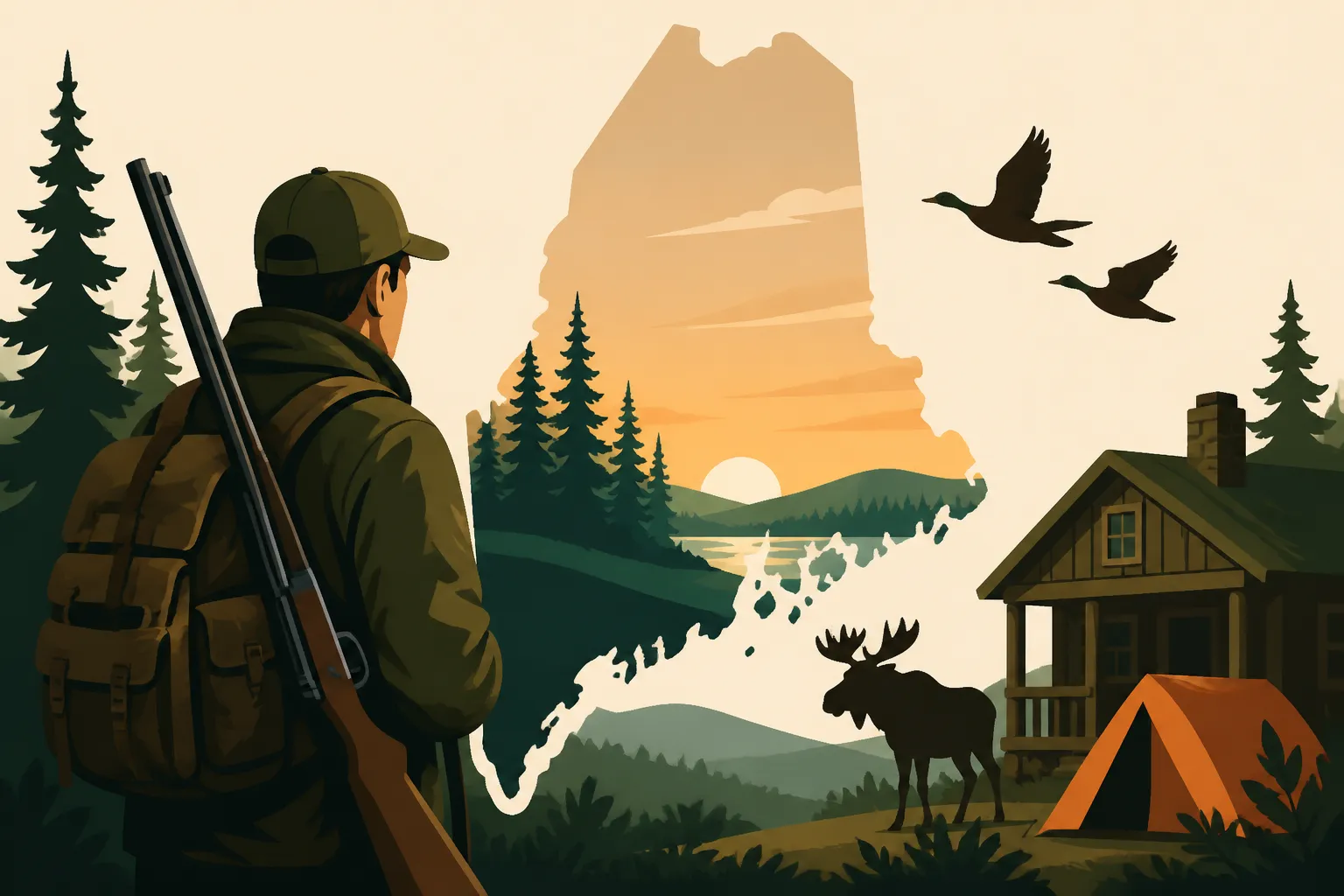
When you hear "sporting camp" in Maine, it's not just a fancy name for a motel or even a typical hunting lodge you might find out west. These are a unique, deeply ingrained part of Maine's outdoor heritage, often dating back over a century. Imagine a collection of rustic cabins, sometimes quite isolated, centered around a main lodge where meals are often served family-style. They're built specifically to cater to hunters, anglers, and outdoor enthusiasts who crave a genuine wilderness experience without having to rough it entirely.
They are typically nestled in prime hunting and fishing country, often beside pristine lakes or rivers, deep within the vast timberlands of the North Maine Woods or along the remote coast. The key characteristic is that they offer more than just a place to sleep; they provide a complete experience. This often includes hearty meals, knowledgeable guides, comfortable (though usually rustic) accommodations, and direct access to prime hunting grounds. For many, it’s not just about the hunt, but the camaraderie, the stories shared around a woodstove, and the escape from the hustle and bustle of modern life. They represent a tradition, a way of life that has been passed down through generations of Mainers and visitors alike.
A Rich History Rooted in the Wilderness
The concept of the Maine sporting camp began to flourish in the late 19th and early 20th centuries. As cities grew and transportation improved, wealthy industrialists and sportsmen from Boston, New York, and beyond sought escape in Maine's pristine wilderness. Local woodsmen, trappers, and guides, already intimately familiar with the land, began building small camps to accommodate these visitors. These weren't luxury resorts, but functional, comfortable havens that provided warmth, food, and expert guidance into the vast, untamed forests.
Over time, many of these individual camps grew into the established sporting camp operations we see today. They evolved, but their core mission remained the same: to provide an authentic Maine outdoor experience. You can still find camps with cabins built from hand-hewn logs, warmed by antique woodstoves, and walls adorned with historical photos and trophy mounts from decades past. It’s a living history lesson, where you can literally walk in the footsteps of legendary Maine guides and sportsmen. This deep heritage is a huge part of the appeal, offering a sense of connection to a simpler, wilder time.
More Than Just a Lodge: The Sporting Camp Ethos
The ethos of a Maine sporting camp is all about hospitality, shared passion for the outdoors, and a deep respect for the land and its resources. It's a place where hunters and anglers from all walks of life come together, often sharing communal meals and stories of their day's adventures. There's a strong emphasis on hearty, home-cooked food, often prepared by camp owners who have perfected their recipes over years. Think generous portions of stew, fresh-baked bread, and classic desserts – the kind of fuel you need after a long day in the woods.
Beyond the physical amenities, sporting camps foster a sense of community. Guides often become lifelong friends, and fellow guests can turn into annual hunting partners. It's not uncommon for generations of families to return to the same camp year after year, building traditions and memories. This welcoming atmosphere, combined with the expert local knowledge of the guides and the sheer beauty of the surroundings, is what truly sets Maine sporting camps apart. They are places where the adventure extends beyond the hunt, into the very fabric of the camp life itself.
The Enduring Appeal of Sporting Camps for Hunters
In an age where information is digital and wilderness can feel increasingly fragmented, sporting camps offer a tangible connection to the traditional hunting experience. They cut through the noise, providing a focused environment where the primary goal is to immerse yourself in the hunt and the natural world. This focused approach is a huge draw for both seasoned hunters looking for a deep dive and newcomers seeking guidance.
For many, the biggest frustration with planning a remote hunting trip is the sheer logistics: where to stay, how to get there, what to eat, and how to access prime hunting ground without getting lost. Sporting camps eliminate much of this headache. They provide a stable base camp, often with guides who know the local terrain like the back of their hand, ensuring you spend less time worrying about logistics and more time actually hunting. It’s about simplifying the complex so you can savor the experience.
Access to Prime Hunting Grounds
One of the most significant advantages of staying at a Maine sporting camp is the unparalleled access to prime hunting territories. Many camps are strategically located deep within vast tracts of private timberland, often in areas managed for wildlife, or on the fringes of expansive public lands that are difficult for independent hunters to reach. These locations mean less travel time to your hunting spot each morning and more time actively pursuing game.
Guides employed by these camps have often spent their entire lives in these areas. They know the subtle deer trails, the most active bear bait sites, the prime moose feeding areas, and where the grouse are drumming. This intimate knowledge is invaluable, especially in a state like Maine where the terrain can be vast and unforgiving. They’ll take you to spots you’d likely never find on your own, significantly increasing your chances of a successful hunt. Whether you're after a trophy whitetail, a black bear, or chasing upland birds, their local expertise is a game-changer. Hunting a Drawn Moose Zone in the North Woods or Hunting Bear With Hounds in Maine become far more manageable with a guide who knows the specific terrain.
Expert Guidance and Local Knowledge
Beyond just access, the guidance provided by Registered Maine Guides affiliated with sporting camps is a treasure trove of information. These guides aren't just escorts; they are naturalists, trackers, and mentors. They can read the subtle signs of the woods, understand animal behavior, and adapt hunting strategies to changing weather conditions or game patterns. For a nonresident, or even a resident unfamiliar with a particular region, this expertise is practically indispensable.
A good guide can teach you more in a few days than you might learn in years of solo hunting. They’ll share insights on everything from proper shot placement and field dressing to understanding wind currents and identifying fresh sign. This is particularly valuable for species like moose or bear, where specialized knowledge and tactics are key. If you've ever felt frustrated trying to decipher a new hunting area on your own, a guide from a sporting camp can turn that frustration into a productive learning experience, equipping you with skills that will benefit you for years to come. Hiring a Registered Maine Guide can be the difference between a successful trip and a frustrating one.
The Comfort and Camaraderie of Camp Life
After a long day of navigating dense cover or sitting patiently in a stand, returning to a warm cabin, a hot shower, and a delicious meal is a comfort that cannot be overstated. Sporting camps provide this sanctuary. The rustic cabins, while not luxurious, are typically cozy, clean, and well-maintained, offering a comfortable place to rest and recharge. Many camps are off the grid, running on generators and propane, which only adds to the authentic wilderness feel.
But perhaps even more important than the physical comfort is the camaraderie. Picture yourself gathered around a large dining table in the main lodge, sharing stories from the day's hunt with fellow sportsmen. The conversations flow easily, tips are exchanged, and new friendships are forged. It's a supportive environment where experiences, both successes and misses, are celebrated and understood. This social aspect is a huge part of the sporting camp experience, transforming a solitary pursuit into a shared adventure. It’s about building memories with like-minded individuals, creating bonds that often last long after the hunt is over.
What to Expect at a Traditional Maine Sporting Camp
Stepping into a traditional Maine sporting camp is often like stepping back in time, but with modern comforts where they count most. It’s not about five-star luxury, but about authentic experiences, hearty sustenance, and a focus on the outdoor adventure at hand. Expect genuine Maine hospitality and a relaxed, informal atmosphere where the dress code is always "camp casual."
The layout typically involves a central lodge where meals are served, sometimes a common area for relaxing, and then individual cabins or bunkhouses scattered nearby. These aren't just places to sleep; they are integral to the whole experience, becoming your temporary home in the wilderness. Understanding what’s usually included and the general setup helps manage expectations and ensures you pack appropriately for your stay.
Rustic Accommodations and Amenities
The term "rustic" is key when describing sporting camp accommodations. This usually means comfortable, heated cabins that might feature simple furnishings, log walls, and wood stoves or propane heaters for warmth. Don't expect televisions, Wi-Fi in every cabin (though some main lodges might have limited connectivity), or private bathrooms for every guest. Many camps feature communal bathhouses with hot showers and flush toilets, though some higher-end camps may offer cabins with private facilities.
Cabins often sleep anywhere from two to six people, sometimes with separate bedrooms or open-plan layouts with multiple beds. Beds will be comfortable, but linens might be provided or you might be asked to bring your own sleeping bag. The emphasis is on functionality and warmth after a day in the elements. While some might be initially apprehensive about shared facilities, it’s all part of the authentic camp experience and rarely poses an issue. It’s about disconnecting from constant digital demands and reconnecting with simpler pleasures and the natural world.
Hearty, Home-Cooked Meals
Food is a cornerstone of the sporting camp experience. You'll likely enjoy three square meals a day, often served family-style in the main lodge. These aren't gourmet, but they are incredibly satisfying, designed to fuel active hunters. Breakfasts might include eggs, bacon, sausage, pancakes, and plenty of coffee. Lunches can be packed sandwiches for the field, or if you're returning to camp, a warm soup or chili. Dinners are usually the highlight, featuring generous portions of classic comfort food like roast chicken, pot roast, stews, fresh fish, potatoes, vegetables, and often a homemade dessert.
Dietary restrictions can often be accommodated with advance notice, but remember you’re in a remote setting, so flexibility is appreciated. The communal dining experience is where much of the day's stories are swapped, and plans for the next day's hunt are discussed. It's an integral part of the camaraderie and community that makes sporting camps so special. There's nothing quite like gathering around a big table after a successful day, sharing a meal and reflecting on the adventures.
Guide Services and Hunting Packages
Most sporting camps offer various hunting packages that include accommodations, meals, and guide services. These packages are designed to take the guesswork out of planning your trip. For big game like moose or bear, a Registered Maine Guide is often an essential part of the package, either for their knowledge of the area, their ability to set up baits, or their expertise in tracking and recovery. Booking a Guided Maine Bear Hunt or Booking a Guided Maine Moose Hunt are common requests.
For deer hunting, you might have options for fully guided, semi-guided, or unguided hunts. A fully guided hunt means your guide is with you in the field, actively assisting in the hunt. Semi-guided often means the camp provides access, advice, and helps with game recovery, but you hunt independently. Unguided hunts simply provide the lodging and meals, and you're free to explore on your own. Many camps also offer packages for upland birds, waterfowl, or small game. The specific inclusions and guide-to-hunter ratios will vary, so it's always important to clarify exactly what your chosen package entails before booking. What a Sporting Camp Package Includes is a crucial question to ask.
Types of Maine Sporting Camps
Maine's vast and diverse landscape means that sporting camps come in various forms, each offering a slightly different experience tailored to their location and the type of hunting or fishing they emphasize. From easily accessible roadside operations to remote fly-in outposts, understanding these distinctions is key to choosing the right camp for your adventure. Each type offers its own unique charm and set of challenges or conveniences.
The choice often boils down to how deep into the wilderness you want to go and how much accessibility you require. Are you looking for a family-friendly camp with some amenities, or a rugged outpost where the nearest road is hours away? Knowing the differences helps set realistic expectations for your journey and ensures you pick a camp that aligns with your personal hunting style and desired level of comfort.
Drive-In and Roadside Camps
These are the most accessible sporting camps, often located just off a paved or well-maintained gravel road. They are perfect for hunters who prefer the convenience of driving directly to their accommodations, bringing their own vehicles, and perhaps exploring a wider area around the camp. While "roadside" implies proximity, many are still nestled deep enough in the woods to offer a genuine wilderness feel, just with easier logistical access.
Drive-in camps might be found in popular hunting regions like the Moosehead Lake area, parts of Aroostook County, or within some of the more accessible sections of the North Maine Woods. They generally cater to a broader range of guests, including families, and might offer amenities like satellite TV in the main lodge or limited cell service. They are an excellent option for first-time sporting camp visitors or those who appreciate the ease of come-and-go access with their personal vehicle. They also make it simpler to combine your hunting trip with other local attractions.
Remote and Wilderness Camps
For the hunter seeking a true escape, remote and wilderness camps are the answer. These camps are often located deep within the vast Maine woods, sometimes requiring travel on unpaved logging roads, ATVs, or even boat access across a remote lake. The journey itself becomes part of the adventure. Cell service is typically non-existent, and power might come solely from a generator, fostering a profound sense of disconnection from the modern world.
These camps are frequently situated in prime, less-pressured hunting zones, offering an unparalleled opportunity for solitude and an immersive wilderness experience. They appeal to hunters who prioritize getting away from it all and are comfortable with more rustic conditions. The payoff is often incredible hunting opportunities in areas that see very little human pressure. You might be staying in a traditional cabin built decades ago, surrounded by nothing but the sounds of the forest. Hunting a North Maine Woods Checkpoint Tract often involves access to these kinds of remote areas.
Fly-In Sporting Camp Access
The ultimate wilderness experience in Maine comes in the form of fly-in sporting camps. These camps are so remote that the only practical way to reach them is by floatplane, landing directly on a pristine lake or river. This kind of access automatically places you deep within untouched wilderness, far from any roads or permanent human settlements. It's an adventure from the moment you take off.
Fly-in camps offer the most exclusive hunting and fishing opportunities, as the surrounding lands are often incredibly vast and rarely pressured. Expect extremely rustic accommodations, basic amenities, and a complete immersion in nature. Packing for such a trip requires careful planning due to weight and size restrictions on the plane. While this option typically comes with a higher price tag due to the specialized transport, the experience of being truly isolated in Maine's raw wilderness, with incredible hunting at your doorstep, is often considered priceless by those who seek it. Booking a Remote Fly-In Camp is an unforgettable experience.
| Camp Type | Accessibility | Typical Amenities | Hunting Pressure | Recommended For |
|---|---|---|---|---|
| Drive-In/Roadside | Easy via paved/gravel roads | Hot showers, some cell/Wi-Fi | Moderate | First-timers, families, those with own vehicle, broader exploration |
| Remote/Wilderness | Challenging (logging roads, ATV, boat) | Limited power, no cell/Wi-Fi | Low | Seekers of solitude, experienced outdoorsmen, deeper immersion |
| Fly-In | Floatplane only | Very basic, generator power, no cell/Wi-Fi | Very Low (often untouched) | Ultimate wilderness immersion, exclusive hunting, high adventure |
Hunting Opportunities from a Sporting Camp
Maine sporting camps are strategically placed to offer fantastic hunting for a variety of species. Whether your passion lies in tracking big game through dense forests or pursuing fast-flying upland birds, there’s likely a camp perfectly situated to cater to your specific interest. The diverse habitats surrounding these camps support robust populations of many game animals, making them ideal bases for a successful hunt.
One of the greatest benefits is that camps often specialize, or at least excel, in certain types of hunting due to their location and the expertise of their guides. This specialization means you can choose a camp knowing it's perfectly geared for the kind of hunt you're dreaming of. It takes the guesswork out of finding productive areas and ensures you’re surrounded by people who share your passion for that specific game.
White-Tailed Deer Hunting
Deer hunting is a staple for many Maine sporting camps, especially during the firearms season in November. Camps located in the vast North Maine Woods, where deer populations can be more spread out but mature bucks thrive, offer a classic big-woods hunting experience. Other camps in the central or southern regions of Maine might focus on agricultural edges, mixed forests, or even the expanded archery zones closer to population centers. White-Tailed Deer Across Maine details how deer populations vary.
Guides at these camps are experts at reading deer sign, understanding buck movement patterns during the rut, and utilizing various strategies like still-hunting, stand hunting near traditional runways, or even small drives with a few hunters. They can help you interpret the subtle signs of a mature buck, set up blinds in strategic locations, or track a deer in fresh snow. For a truly authentic experience, many camps offer a traditional deer camp vibe, complete with hearty meals and stories shared at the end of each day. You might be hunting a funnel between two woodlots or setting up on an Aroostook farmland edge, depending on the camp's location.
Black Bear Hunting
Maine boasts a healthy black bear population, and many sporting camps specialize in guided bear hunts. These hunts typically employ one of Maine's three legal methods: baiting, hunting with hounds, or trapping. Camps often have established bait sites they maintain for weeks or months prior to the season, greatly increasing the chances of encountering a bear. Bear Hunting Maine's Three Legal Methods are all popular from camps.
For hunters who enjoy the thrill of the chase, some camps offer hound hunts, where experienced guides and their well-trained dogs track a bear through the woods. This can be a physically demanding but incredibly exciting experience. Trapping is another option, usually for those seeking a more hands-on, traditional method. Regardless of the method, guides provide essential expertise in understanding bear behavior, judging trophy animals, and ensuring a safe and ethical harvest. A good camp will walk you through the Baiting Black Bears Legally in Maine process or explain the dynamics of Hunting Bear With Hounds in Maine.
Moose Hunting
Moose hunting in Maine is often described as a once-in-a-lifetime experience, and sporting camps are a popular choice for those lucky enough to draw a permit. Given the size and challenge of harvesting a moose, a guided hunt from a reputable camp is highly recommended. Camps located in the prime moose country of the North Maine Woods or western mountains are perfectly situated to maximize your chances. Moose in Maine's North Woods are a true spectacle.
Guides specialize in calling moose, glassing clear-cuts, and tracking these massive animals through dense cover. They provide the necessary equipment for recovery and transportation, which is no small feat for a creature weighing upwards of a thousand pounds. Many camps offer complete moose hunting packages, including lodging, meals, guide service, and assistance with field dressing and getting your animal out of the woods. Booking with a camp after Applying for a Maine Moose Permit or if you win the Maine Moose Permit Auction Rules is a smart move.
Upland Birds and Small Game
While big game often takes the spotlight, Maine sporting camps also offer fantastic opportunities for upland bird and small game hunting. Ruffed grouse and American woodcock are abundant in many areas, particularly in regenerating timber cuts, alder runs, and mixed woodlands. Many camps cater to bird hunters, some even offering dog kennels and guide services with trained bird dogs. Upland Bird and Small Game Hunting in Maine can be incredibly rewarding.
Snowshoe hare hunting, often with beagles in the deeper snows of late fall and winter, is another popular small game pursuit offered by some camps. Squirrels and other small game can also provide action. These hunts offer a more relaxed pace than big game, perfect for enjoying the scenery and the companionship of a good dog. A good camp guide can direct you to prime areas for Grouse Hunting Maine Alder Runs or Woodcock Hunting Maine Covert Country, knowing exactly where the birds will be holding.
Choosing the Right Sporting Camp for Your Adventure
Selecting the perfect sporting camp can feel like a daunting task given the number of options available across Maine. It’s not just about finding any camp; it's about finding the right camp that aligns with your hunting goals, comfort preferences, and budget. Taking the time to research thoroughly will pay dividends in ensuring a memorable and successful trip.
Don’t rush this decision. Think about what truly matters to you in a hunting experience: is it trophy potential, the camaraderie, the solitude, or a balance of everything? Your answers to these questions will help narrow down the field considerably and guide you toward a camp that feels like a natural fit.
Researching Camp Reputations and Offerings
The first step in choosing a camp is comprehensive research. Start by identifying the species you want to hunt and the region of Maine you’re interested in. Online searches, hunting forums, and state tourism websites are great starting points. Websites like BookYourHunt can be a valuable resource, allowing you to compare various camps, their packages, and read reviews from previous guests all in one place. You can also explore specific camp websites, which often provide detailed descriptions of their facilities, guide services, and hunting success rates.
Pay close attention to what’s included in their packages. Do they offer meals? Is guide service included, and if so, what is the guide-to-hunter ratio? What are the accommodations like? Look for consistency in reviews and check if the camp is responsive to inquiries. Don't be afraid to ask for references from past clients, as direct feedback can be incredibly insightful. The more information you gather upfront, the clearer your picture of the camp will be.
Location, Access, and Wilderness Level
Consider the camp's location and how accessible it is. Do you want a drive-in camp for convenience, or are you seeking a truly remote experience that requires a longer journey or even a floatplane? The level of wilderness immersion you desire will heavily influence this choice. Camps deep in the North Maine Woods, for instance, offer unparalleled solitude and big-woods hunting, but come with the logistics of navigating logging roads or checkpoints like The North Maine Woods Gate System.
Think about the terrain surrounding the camp. Is it mountainous, flat, swampy, or heavily forested? Different terrains suit different hunting styles and species. If you're physically fit and enjoy challenging hikes, a camp in the Western Mountains might be perfect. If you prefer flatter, more open country, Aroostook County might be a better fit. Consider how far you're willing to walk from camp or a vehicle each day. The level of "roughness" you're willing to endure—from basic cabins to more comfortable lodges—is also a key factor here.
Matching Your Hunting Style and Budget
Every hunter has a unique style and budget. Are you a bowhunter, muzzleloader enthusiast, or rifle hunter? Ensure the camp and its guides are experienced with your preferred method. If you're looking for a specific type of hunt, like a spot-and-stalk bear hunt versus a bait hunt, confirm that the camp offers it. Some camps are more focused on trophy hunting, while others prioritize a general recreational experience.
Budget is, of course, a significant factor. Prices for sporting camp packages can vary widely depending on the species, duration, inclusions, and level of remoteness. Be transparent about your budget, and ask for a detailed breakdown of costs. Remember to factor in additional expenses like licenses, transportation to Maine, gear, and tips for your guides. Sometimes, a slightly higher initial cost might offer more inclusions and better value in the long run. GoHunt, for example, can sometimes provide insights into regional hunting opportunities that might influence whether a camp's location aligns with your budget for specific game.
Making the Most of Your Sporting Camp Experience
You've chosen your camp, packed your gear, and arrived ready for adventure. Now, how do you ensure that you squeeze every drop of enjoyment and success out of your Maine sporting camp experience? It goes beyond just showing up; it involves being prepared, engaging with your guides and fellow hunters, and embracing the unique culture of camp life.
A successful trip isn't just about punching a tag; it's about the entire journey. By being proactive and adopting the right mindset, you can elevate your experience from merely a hunting trip to a cherished memory, forging connections and deepening your appreciation for Maine's wild heart.
Pre-Trip Preparation and Communication
The success of your trip often starts long before you arrive. Communicate clearly with the camp owners and your guide about your hunting goals, experience level, and any physical limitations. Ask about recommended gear, clothing for specific weather conditions, and any specific items you should bring. For instance, knowing what kind of terrain you’ll be hunting will help you choose the right footwear. Don't forget to check Maine Hunting Licenses and What They Cost and purchase them well in advance, along with any necessary permits.
Being physically prepared for your hunt is also crucial. Maine hunting can be physically demanding, with long walks through rough terrain, especially in the big woods. Start a fitness regimen if needed. Ensure your hunting equipment is in top shape, and practice shooting well before your trip. The more prepared you are, the more you can focus on the hunt itself and enjoy the experience without unnecessary stress.
Engaging with Guides and Fellow Hunters
Your guides are your greatest asset. Listen to their advice, respect their knowledge of the local area, and be open to their strategies. They want you to succeed and have a great time. Don't be afraid to ask questions, but also understand that sometimes silence and patience are part of the process. Building a good rapport with your guide can significantly enhance your hunt.
The camaraderie with fellow hunters is another highlight of sporting camp life. Be open to sharing stories, insights, and even some laughs. You'll often find a wealth of experience around the dinner table. Respect different hunting styles and perspectives. These interactions are where lifelong friendships often begin and where some of the most memorable moments of your trip will occur. It’s a unique environment for connection, where everyone shares a common passion.
Embracing the Wilderness and Disconnecting
One of the greatest gifts of a sporting camp experience is the opportunity to truly disconnect from the digital world and immerse yourself in nature. Many camps have limited or no cell service, which can be initially challenging but ultimately liberating. Embrace the quiet, the sounds of the forest, and the simplicity of camp life.
Take the time to appreciate the natural beauty of Maine, whether it's a stunning sunrise over a lake or the vast expanse of the northern forest. Focus on the nuances of the hunt, the tracking, the patience, and the connection to the wild. This mindful approach not only makes for a more fulfilling hunting experience but also provides a much-needed mental break from the stresses of everyday life. Let go of the need to be constantly connected and simply be in the moment.
Cost Considerations and Booking Your Stay
Understanding the financial investment required for a Maine sporting camp experience is crucial for planning your trip. The costs can vary widely, but generally, you're paying for more than just a bed; you're investing in an experience that includes expert guidance, prime access, and a unique atmosphere. Being aware of the different components of the total cost will help you budget effectively and avoid any surprises.
Booking your stay requires foresight, especially for popular seasons or specific species hunts. Maine's reputation as a premier hunting destination means good camps and guides book up quickly. Therefore, a proactive approach to reservations is always recommended to secure your spot.
Understanding Package Pricing
Sporting camp packages typically bundle several services into one price. These almost always include accommodations and meals. Guide services are often included, especially for big game hunts like moose or bear, but sometimes they are an additional cost or offered in varying tiers (fully guided, semi-guided). Transportation to and from hunting areas, field dressing assistance, and initial game recovery might also be part of the package.
However, it's vital to clarify what is not included. Your hunting licenses and permits, for example, are almost always a separate expense. Travel to the camp itself, gratuities for guides and camp staff, meat processing, taxidermy, and any personal gear purchases will add to your total cost. Some camps might have additional fees for special requests or extra services. Always ask for a detailed breakdown of costs, so you know exactly what you’re paying for and what you need to budget for separately. What a Guided Moose Hunt Costs or Average Cost of a Guided Bear Hunt can fluctuate, so always check directly.
Deposit Policies and Payment Schedules
Most sporting camps require a non-refundable deposit to secure your booking, with the balance due closer to your arrival date. Deposit amounts can vary significantly, from a few hundred dollars to a substantial percentage of the total package cost. It’s essential to understand the camp’s cancellation policy. What happens if you need to cancel? Are there any options for rescheduling or transferring your deposit?
Given the remote nature of many camps, payment might be required via check or bank transfer, though some may accept credit cards. Always confirm payment methods and schedules when booking. For those planning a high-cost hunt like moose, consider travel insurance that includes trip cancellation coverage, especially if you’re traveling from a distance. This can offer peace of mind against unforeseen circumstances.
Booking Lead Times and Availability
Popular sporting camps, especially those known for high success rates or in prime hunting zones, book up very quickly. For highly sought-after hunts like moose, you might need to book a year or even two in advance, particularly if you're securing a guide before the Maine Moose Lottery Application Process results are even known. Bear hunts, especially during the peak baiting season, also fill up rapidly.
Deer and bird hunting packages might have slightly more flexibility, but booking several months in advance is still a good idea, particularly for prime weeks during the firearms season or early fall bird migrations. If you have specific dates in mind, reach out to camps as early as possible. For last-minute trips, sometimes you can snag a cancellation, but it's not something to rely on. Don't be afraid to utilize online resources like BookYourHunt to check for last-minute availability, as some camps list openings there when they occur.
Disclaimer
This article is for general informational purposes only and does not constitute professional advice. Laws, prices and regulations vary by location and change over time. Consult a qualified professional for guidance on your specific situation.