How Maine’s Bear Population Compares Nationally
It’s easy to feel like Maine is "bear country" when you're out in the woods, or even when you spot one rummaging through a backyard compost bin. But have you ever wondered how our black bear population truly stacks up against other states known for their bruins? This guide will dive deep into Maine's impressive black bear numbers, compare them to national figures, and explore what makes our corner of the country such a haven for these magnificent animals, along with the opportunities and responsibilities that come with it.
Understanding Maine's Black Bear Population
Maine's black bear population is a conservation success story, a testament to effective wildlife management and the vast, undeveloped landscapes that still define much of our state. For many, seeing a bear is a thrill, and for hunters, the opportunity to pursue one is a true privilege.
The Current Numbers and Trends in Maine
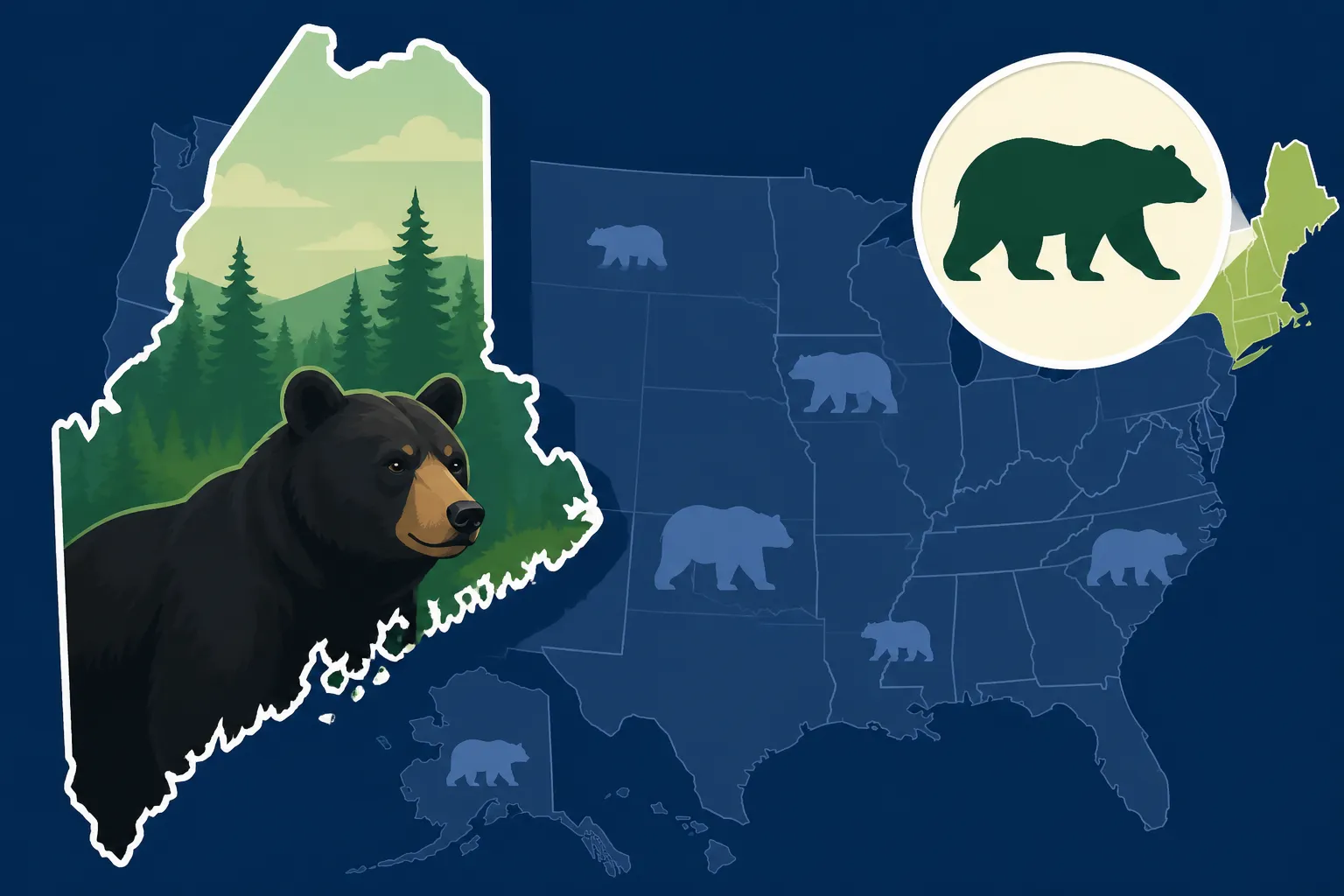
When we talk about black bears in Maine, we're discussing a truly robust population. The Maine Department of Inland Fisheries and Wildlife (MDIFW) estimates that our state is home to approximately 35,000 to 36,000 black bears. That's a staggering number when you consider the scope of the state! These numbers aren't static; MDIFW biologists are constantly monitoring the population, using a variety of scientific methods to ensure these majestic animals thrive while managing potential conflicts with humans. They employ techniques like mark-recapture studies, which involve trapping and tagging bears to track their movements and survival rates, and analyze data from den surveys, where researchers visit hibernating bears to gather critical health and reproductive information. Additionally, the annual harvest data provides invaluable insights into population trends and age structures. This diligent work helps confirm that the Maine bear population estimate remains strong and healthy.
Over recent decades, Maine's black bear population has shown a steady increase, expanding its range further south and east within the state. This expansion is largely due to excellent habitat conditions, an abundance of natural food sources like berries and acorns, and a well-regulated hunting framework that helps stabilize the population without over-harvesting. While there are natural fluctuations in bear numbers year to year, influenced by factors like food availability and cub survival, the overall trend points to a thriving and resilient population across Maine. This consistent growth ensures that opportunities for wildlife viewing and hunting will continue for generations.
Habitat and Distribution Across the State
Maine's landscape is exceptionally diverse, offering a mosaic of habitats that are ideal for black bears. From the vast, unbroken forests of the North Woods to the mixed woodlands and agricultural edges of central and eastern Maine, bears find everything they need to survive and flourish. The North Woods, in particular, is a stronghold, boasting some of the highest bear densities in the state. This expansive region provides dense cover, remote denning sites, and a rich variety of natural foods, making it perfect for bears to live largely undisturbed.
However, bears aren't confined to the deep wilderness. They are highly adaptable animals, and as their population has grown, so too has their presence in more settled areas. You'll find black bears in practically every county in Maine, from Aroostook in the far north down to York County in the south. While their numbers might be more concentrated in areas like Piscataquis, Penobscot, and Washington counties, sightings are increasingly common in agricultural belts and even suburban fringes, especially where woodlands abut human development. This adaptability means they can utilize everything from vast timberlands to small woodlots and marsh edges, foraging for everything from wild berries and nuts to agricultural crops and, yes, sometimes even trash cans if easily accessible.
National Overview of Black Bear Populations
To truly appreciate Maine's standing, it helps to understand the broader national picture of black bear populations. These intelligent and resilient animals inhabit a wide range of ecosystems across North America, from the dense forests of the East to the mountains and chaparral of the West.
Key States with Large Bear Populations
While Maine is certainly a top contender, several other states across the U.S. also boast impressive black bear populations, each with its own unique habitat challenges and management strategies. For instance, Pennsylvania is often cited for its high bear numbers, particularly given its smaller geographic size compared to western states. Their successful management programs have allowed bears to thrive even in more populated areas. Wisconsin is another state with a very healthy black bear population, centered mostly in its northern forests. States in the Southeast, like North Carolina and Florida, also support significant bear numbers, with specific subspecies adapted to their unique environments, such as the Florida black bear. Further west, California, Washington, and Oregon have large populations, leveraging their vast national forests and mountainous terrains. Even states like Minnesota and Michigan have substantial bear populations that are carefully managed. Each of these states offers different types of terrain, food sources, and hunting cultures, but all share a common goal of maintaining healthy bear populations through scientific management.
These states implement various management approaches, often tailored to their specific ecological and social contexts. Some emphasize robust hunting seasons, while others focus more on habitat preservation and mitigating human-bear conflicts in increasingly urbanized environments. What ties them all together is a commitment to conservation, recognizing the black bear's vital role in ecosystem health.
Factors Influencing National Bear Populations
Across the nation, black bear populations are influenced by a complex interplay of factors. Habitat availability is, without a doubt, the most critical. Bears need large tracts of land with a mix of forest cover for denning and security, and diverse food sources for foraging throughout the year. States with vast, unfragmented forests tend to support larger and healthier bear populations. Urbanization and habitat loss pose significant threats in many regions, pushing bears into closer contact with human communities, which often leads to increased human-bear conflicts and, unfortunately, higher mortality rates from vehicle collisions or nuisance situations.
Conservation efforts, including protected lands, habitat restoration projects, and public education campaigns, play a crucial role in maintaining and even growing bear numbers in many states. Hunting regulations are another major factor; well-managed hunting seasons are a primary tool for controlling bear populations, preventing overpopulation in some areas while allowing growth in others. Different states allow different methods, like Maine's use of baiting, hounding, and trapping, which can significantly impact harvest numbers. Climate change is also beginning to emerge as a significant influence, affecting food availability (such as berry and mast crops), denning patterns, and the severity of droughts or wildfires in some regions, which can stress bear populations.
Maine's Rank and Uniqueness on the National Stage
Maine truly stands out when it comes to black bears. While some states might have a similar total number, our unique blend of vast wilderness, careful management, and hunting tradition puts us in a league of our own.
Maine's Standing in Terms of Overall Numbers
When you look at the raw numbers, Maine consistently ranks among the top states in the nation for its black bear population. With an estimated 35,000 to 36,000 bears, we're not just a player; we're a leading force. Many states would be thrilled to have half that many. While exact rankings can shift slightly year to year as populations fluctuate, Maine typically finds itself in the top three to five states, often alongside places like Wisconsin, Pennsylvania, and California. This isn't just a point of pride; it represents a thriving ecosystem and a testament to successful wildlife management strategies that prioritize the health and abundance of the species. Our state has managed to foster a robust bear population even as other states face increasing challenges with habitat loss and human encroachment.
This high standing means that opportunities for Maine hunters are plentiful. Unlike some regions where a bear tag might be a once-in-a-lifetime draw, Maine offers various avenues for pursuit, thanks to these healthy numbers. It also reflects a long-standing cultural appreciation for these animals and the wilderness they inhabit, woven into the fabric of our state.
Let's put some perspective on Maine's bear population with a quick comparison to some other top states:
| State | Estimated Black Bear Population | Key Management Differentiators |
|---|---|---|
| Maine | 35,000 – 36,000 | Three legal hunting methods (bait, hound, trap); vast North Woods |
| Wisconsin | 24,000 – 29,000 | Concentrated in northern forests; baiting and hound hunting |
| Pennsylvania | 20,000 – 22,000 | High density in relatively smaller area; archery and firearms hunt |
| California | 30,000 – 40,000 | Diverse habitats, high population but limited hunting areas |
| North Carolina | 15,000 – 20,000+ | Stronghold in Appalachian Mountains and coastal plains |
Note: Population estimates can vary based on methodology and year of study.
Density and Management Strategy Distinctions
It's not just about the total number of bears; it's also about density, especially in the prime habitats. In certain areas of the North Maine Woods, the bear density is incredibly high, offering a true wilderness experience. This is partly due to the sheer size of undeveloped land, but also a direct result of Maine's unique and highly effective bear management strategy. Our state is one of the few that allows three distinct legal methods for hunting black bears: baiting, hunting with hounds, and trapping. These methods are not just traditional; they are scientifically proven tools that allow MDIFW to manage the population effectively and ensure a consistent, sustainable harvest. You can learn more about Maine's three-method bear season in our detailed guide.
The ability to use these varied methods allows for precise control over the harvest. For example, baiting black bears legally in Maine is incredibly effective in targeting specific bears and provides high success rates, drawing bears into predictable locations. Hunting bear with hounds, on the other hand, offers a more dynamic, physically demanding pursuit, often targeting more mature, elusive bears over vast tracts of land. And trapping black bears in Maine, though less common, is a vital management tool, particularly in addressing nuisance bears or collecting valuable biological data. This multi-pronged approach allows MDIFW to gather comprehensive data on the population while providing diverse hunting opportunities. Many other states restrict these methods or only allow one or two, making Maine's approach quite distinctive and instrumental in maintaining our robust bear population. This flexibility is a cornerstone of why Maine's bear population remains so strong.
Implications for Hunters and Conservation
Maine's impressive bear population has significant implications, both for those who seek to hunt these incredible animals and for the broader conservation landscape. It shapes our hunting seasons, guides our management practices, and underscores our responsibility to these creatures.
Hunting Opportunities in Maine Compared to Other States
For hunters, Maine's abundant black bear population translates directly into some of the best and most diverse hunting opportunities in the nation. The liberal season structure and multiple legal methods mean that obtaining a Maine bear license offers a genuine chance at success, rather than being a long-shot lottery draw common in states with more limited populations. You can explore the specific details of the Maine bear license cost to understand the investment. The state's bear season typically runs from late August through early November, with specific dates for each method. The Maine bear bait season dates usually kick off in late August, offering a warm-weather hunt. This is a very popular method, and understanding when Maine's bear bait season closes is key for planning.
Compared to many other states where bear hunting might be restricted to a short archery season or a very limited firearms window, Maine offers flexibility and extended opportunities. This diversity attracts both resident and nonresident hunters. Our success rates, especially for those utilizing guided bait or hound hunts, are consistently high. For example, a hunter pursuing a bear using bait has a significantly higher chance of success than in states where only spot-and-stalk or incidental encounters during deer season are allowed. This strong opportunity also facilitates Maine's two-bear bag limit explained, allowing for specific management goals in different zones, and sometimes even allowing a second bear to be harvested on a separate permit under certain conditions, a rarity nationally. This combination of healthy numbers, extended seasons, and diverse methods makes Maine a premier destination for bear hunters.
Conservation Challenges and Future Outlook
Even with a healthy and growing population, Maine's black bears face ongoing conservation challenges, just like wildlife everywhere. Habitat fragmentation, while less severe than in more densely populated states, is still a concern, especially in southern Maine where development continues. As bears expand their range into these areas, human-bear conflicts, such as bears raiding bird feeders, compost piles, or even causing minor property damage, become more frequent. Managing these interactions requires ongoing public education and proactive strategies to minimize negative encounters. Disease, though currently not a widespread issue for Maine's bears, is always a watchful concern for wildlife managers, who actively monitor for any signs of emerging threats.
The future outlook for Maine's black bear population remains largely positive, thanks to the MDIFW's science-based management. Their approach balances hunting as a critical management tool with robust conservation efforts. By maintaining a regulated harvest, they prevent overpopulation in specific areas, which could otherwise lead to increased conflicts and food shortages for the bears themselves. Furthermore, continued land conservation efforts, responsible forestry practices, and public awareness campaigns about coexisting with bears are all vital components of ensuring these iconic animals continue to thrive in Maine for generations to come. The proactive approach to understanding and managing bear populations, including tracking factors like denning habits and cub survival, underpins this optimistic future.
The Role of Data and Technology in Tracking Bears
Understanding a population as dynamic and widespread as Maine's black bears requires more than just educated guesswork. It demands rigorous scientific data collection and the smart application of modern technology.
How Agencies Monitor Bear Populations
State agencies like the Maine Department of Inland Fisheries and Wildlife (MDIFW) are at the forefront of this scientific endeavor. They employ a multi-faceted approach to monitor Maine bear population trends. One primary method involves den studies. Biologists locate bear dens during winter hibernation, allowing them to safely examine bears, collect biological samples, and tag cubs. This provides invaluable data on reproductive rates, cub survival, and overall bear health. Another crucial technique is the mark-recapture method, where bears are safely trapped, marked with ear tags, and then released. Recaptures or harvest reports of these tagged bears provide statistical data used to estimate population size and survival rates. This information, combined with extensive harvest data reported by hunters each year, including details on age, sex, and weight of harvested bears, creates a comprehensive picture of the population's dynamics. Understanding how to interpret a Maine harvest report is key for any interested party to see the trends themselves. This detailed data collection allows MDIFW to make informed decisions about hunting seasons, bag limits, and conservation priorities, ensuring the long-term health of the species. When hunters go through the process of handling a bear harvest check-in, they are directly contributing to this vital data collection.
Additionally, MDIFW conducts bait station surveys, particularly in the vast North Maine Woods, to track bear abundance and distribution. These stations, set up with attractants and sometimes hair snares, allow biologists to identify individual bears through DNA analysis and estimate population densities in different regions. This consistent, long-term data collection is the backbone of Maine's successful bear management, allowing biologists to detect shifts in population, habitat use, and health long before they become critical issues.
Using Modern Tools for Scouting and Analysis
For both wildlife biologists and dedicated hunters, modern technology has revolutionized the way we interact with and understand black bears. Gone are the days of purely relying on anecdotal evidence or generalized maps. Today, sophisticated tools provide unprecedented insight into bear movement and habitat use. GPS technology, embedded in collars on research bears, provides detailed movement patterns that help biologists understand seasonal ranges, denning locations, and habitat preferences. This data helps refine management zones and inform conservation strategies.
For hunters, applications like GoHunt have become indispensable for scouting and planning. These platforms often integrate detailed satellite imagery, topographic maps, and public/private land ownership overlays, allowing hunters to identify potential bear habitat, travel corridors, and even ideal locations for bait sites from the comfort of their homes. A hunter might use GoHunt to analyze timber cuts and where deer move after logging, which can also be prime bear habitat. Trail cameras are another game-changer, providing continuous, real-time surveillance of remote areas. By deploying cameras near bait sites or known travel routes, hunters can monitor bear activity, identify specific animals, and pattern their movements, increasing their chances of a successful hunt. These technologies don't just aid individual success; the cumulative data, often shared informally among hunting communities or used by outfitters, indirectly contributes to a broader understanding of bear distribution and behavior. Whether you're a serious bear hunter or simply someone fascinated by these incredible animals, leveraging modern mapping tools and scouting technology offers a deeper connection and understanding of Maine's thriving bear population. Using a GPS to mark scrape lines along a logging road, for example, can reveal not just buck activity but also bear presence.
Disclaimer
Please remember that hunting regulations and wildlife populations are subject to change. Always consult the most current Maine Department of Inland Fisheries and Wildlife (MDIFW) regulations before planning any hunting activity. This guide is for informational purposes only and should not be considered legal advice.