Maine Golden Eagle Sightings
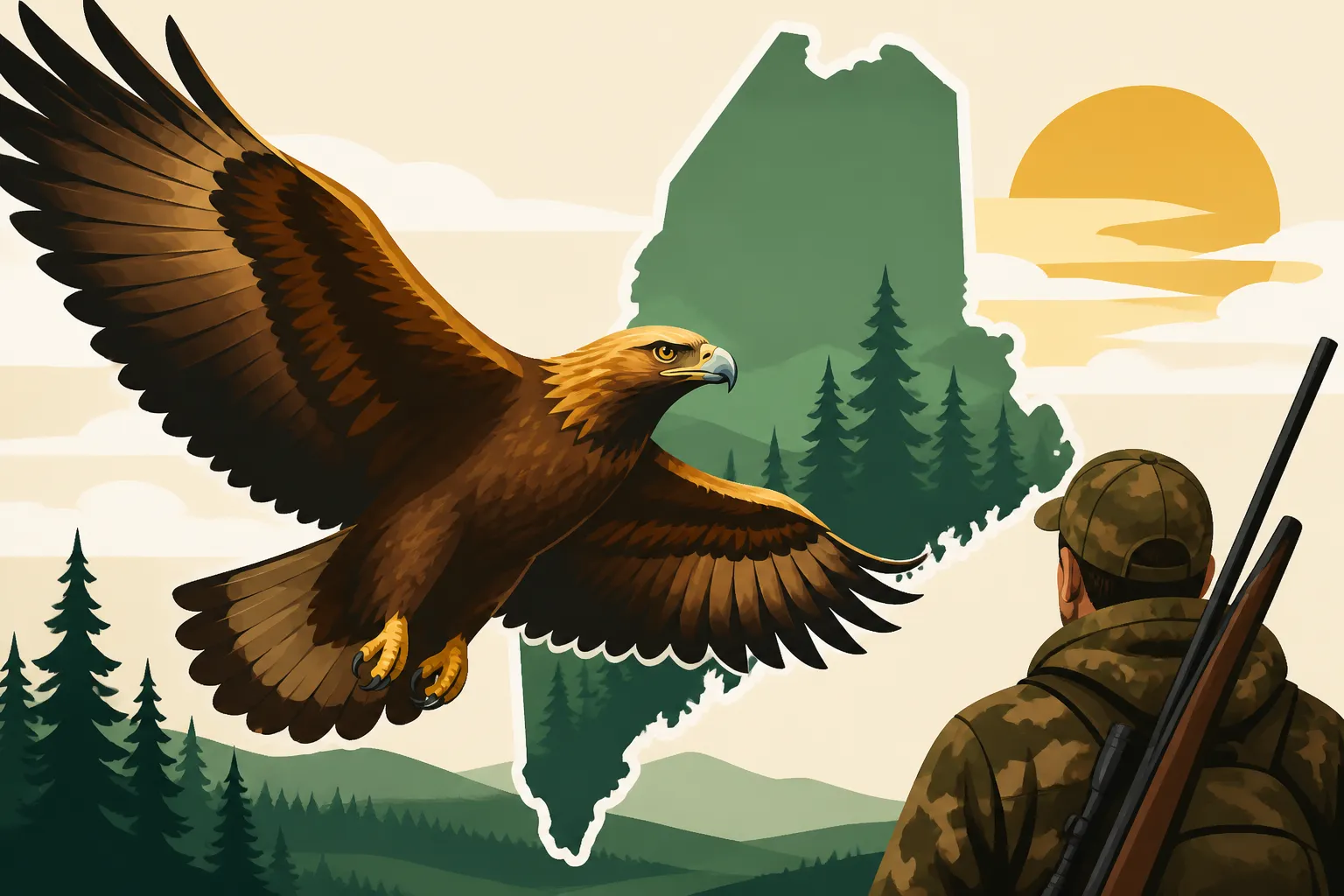
One of the most thrilling and, let's be honest, often frustrating experiences for any outdoors enthusiast in Maine is trying to catch a glimpse of the elusive golden eagle. Unlike our ubiquitous bald eagle, spotting a golden eagle here feels like hitting the wildlife lottery, leaving many of us wondering if they even truly exist in our state or if every dark raptor we see is just another juvenile bald eagle playing tricks on our eyes. This guide will help you understand the presence of these magnificent birds in Maine, how to identify them, and where your best chances lie for a memorable sighting.
Understanding Maine's Golden Eagle Status
For many years, the presence of golden eagles in Maine was largely considered a fleeting moment, with sightings often chalked up to migrating individuals passing through. They weren't nesting here, at least not in any significant, documented way that would suggest a resident population. This made any confirmed sighting feel like a true anomaly, a rare gift from the wilderness.
However, over recent decades, with increased focus on raptor research and more eyes in the woods (especially those belonging to dedicated birders and wildlife enthusiasts), we're starting to build a clearer picture. While they certainly aren't as common as bald eagles – not by a long shot – it's becoming evident that golden eagles do utilize parts of Maine, particularly during migration and in specific, often remote, wintering grounds. They are still considered a species of conservation concern in the Northeast, but understanding their seasonal presence is the first step in appreciating and protecting them. Their rarity is precisely what makes each sighting so special, turning a regular day in the field into an unforgettable adventure.
Distinguishing Golden Eagles from Other Large Raptors
This is where the real challenge often lies, and where most of us have probably made a mistaken identification at some point. It's easy to see a large, dark bird soaring high above and immediately think "eagle!" But then comes the mental checklist: Is it a bald eagle? Is it immature? Is it a golden? It's like trying to tell apart different models of trucks at 500 feet – you know it's a truck, but the specifics get fuzzy.
Identifying Marks of a Golden Eagle
When you manage to get a good look, there are some key features that separate the golden eagle from its bald counterpart, especially the tricky immature bald eagles that lack the iconic white head and tail.
First and foremost, look for the golden nape. This patch of golden-brown feathers on the back of the head and neck is the species' namesake and, when visible, is a dead giveaway. It's not always easy to see, especially from below or in poor light, but it's the primary characteristic.
Secondly, observe the flight profile. Golden eagles tend to fly with their wings held in a slight dihedral (a shallow "V" shape), similar to a turkey vulture, but their wings are longer and more slender than a bald eagle's. Bald eagles, by contrast, usually hold their wings flat when soaring. This subtle difference in wing posture can be a critical identifier once you train your eye. Also, golden eagles often appear more graceful, with deeper, more powerful wing beats when actively flapping.
Finally, consider the plumage. Adult golden eagles are uniformly dark brown with that golden nape. Immature golden eagles will have a distinct white patch at the base of their primary flight feathers (out near the wingtips) and a white tail with a dark terminal band. This is where it gets confusing with immature bald eagles. Immature bald eagles also have variable amounts of white on their underwings and tails, but it's typically more mottled and less distinct than the crisp white patches on a young golden eagle. The white on an immature bald eagle's tail will also typically extend further up the tail feathers, often appearing dirty or splotchy, whereas a young golden eagle has a very clean, defined white base with a strong black band.
The Bald Eagle Imposter Challenge
I've been fooled more times than I care to admit by a soaring juvenile bald eagle. They come in all sorts of drab, mottled brown plumages without the bright white head and tail, making them look very similar to a golden eagle at a distance. The trick is patience and good optics. If you're out scouting for deer, setting up a trail camera, or just enjoying nature, always carry binoculars. Scouting With the Maine Hunting App can also help you identify topographical features that might be good vantage points for spotting raptors.
Here's a quick comparison table to help differentiate:
| Feature | Golden Eagle (Adult) | Golden Eagle (Immature) | Bald Eagle (Adult) | Bald Eagle (Immature) |
|---|---|---|---|---|
| Head/Nape | Golden-brown nape | Golden-brown nape | White head | Dark, mottled brown |
| Body Plumage | Uniform dark brown | Uniform dark brown | Dark brown | Dark, mottled brown |
| Tail | Dark | White base, distinct dark terminal band | White | Variable white/dark mottling, often splotchy |
| Underwing | Dark, often faint white patch at wrist | Distinct white patch at base of primaries | Dark, no distinct white patches | Variable white mottling, not distinct patches |
| Flight Profile | Wings in shallow dihedral ("V") | Wings in shallow dihedral ("V") | Wings held flat, board-like | Wings held flat, board-like |
| Size | Large, often appears slender | Large, often appears slender | Large, often appears bulky | Large, often appears bulky |
Remember, the easiest way to tell the difference is often the "dirty armpit" look of the immature bald eagle (mottled white on the underwing coverts) versus the clean, bright white patches on the flight feathers of an immature golden. It takes practice, but it's incredibly rewarding when you finally make that confident identification. This keen observation skill will also serve you well when you're in the woods trying to identify other wildlife, like assessing Maine Deer Antler Growth Timeline or spotting Maine Bear Den Study Findings.
Where and When to Spot a Golden Eagle in Maine
Given their rare status, a golden eagle sighting in Maine often feels like pure luck. However, if you know where to focus your efforts and during which times of the year, you can significantly improve your odds. These birds are not found everywhere, and their preferred habitats offer clues.
Preferred Habitats and Wintering Grounds
Golden eagles are creatures of open, expansive landscapes, often preferring mountainous or rugged terrain, vast clear-cuts, and large forest openings for hunting. They are incredibly powerful predators, primarily hunting medium-sized mammals like rabbits, marmots, and even small deer fawns, as well as large birds. This means they need good visibility and ample prey.
In Maine, their presence is most noted in the western and northern parts of the state. Think of the mountainous regions of Western Maine, areas around the large lakes like Moosehead, and certainly the vast tracts of the North Maine Woods Gate System. These areas provide the remote, rugged landscape they prefer, with less human disturbance and a greater abundance of wild prey. When you're out Hunting Western Maine Mountain Slopes or exploring logging roads in Aroostook, keep an eye on the sky above those big timber cuts or remote ridges.
During the winter months, some golden eagles will establish wintering territories in these less disturbed parts of Maine, often in areas with a mix of forest and open habitat, such as blueberry barrens or large agricultural fields that offer good hunting opportunities. Hunting Downeast Blueberry Barrens could potentially put you in a location where a golden eagle might be searching for prey, though sightings there are still quite rare. They are also known to hunt along major river valleys, using the open corridors for travel and hunting.
Migration Corridors and Peak Times
The best time to actively look for golden eagles in Maine is during their spring and fall migrations. These periods offer the highest likelihood of seeing one as they move between their breeding grounds further north in Canada and their wintering grounds in the eastern U.S. and potentially even southern Maine.
Fall Migration: Typically peaks in October and November. This is when many raptors are on the move, and golden eagles will often follow major ridge lines and coastal routes. If you're out during Maine's November Firearms Deer Season, pay close attention to the sky, especially on clear, crisp days with northwest winds. These winds often funnel migrating raptors along specific paths. Hawk watches, like those found on coastal headlands or mountain peaks, are prime locations to witness this spectacle. For example, inland ridgelines in Western Maine can concentrate them.
Spring Migration: Usually occurs from late March through April. Again, look for good weather days with favorable winds that aid their journey north. They often use similar corridors in reverse. During this time, you might also encounter them if you're doing some early season scouting or preparing for Spring Turkey Hunting in Maine.
While a sighting is never guaranteed, understanding these patterns and preferred habitats will increase your chances from slim to slightly less slim. Tools like GoHunt's mapping features, which provide detailed topographical maps, satellite imagery, and public land boundaries, can be incredibly helpful in identifying potential golden eagle habitat, even if you're planning a trip for Moose Hunting Maine's North Woods. You can pinpoint remote ridgelines, expansive clear-cuts, or large, undisturbed river valleys that might offer the perfect vantage point for these majestic birds.
Contributing to Golden Eagle Conservation
Because golden eagles are still relatively rare in Maine and the Northeast, every confirmed sighting is valuable data for wildlife biologists and conservationists. This isn't just about ticking a box on a bird list; it's about helping to monitor their populations, understand their movements, and identify critical habitats that need protection.
Reporting Your Sightings
If you are fortunate enough to see a golden eagle in Maine, especially if you can get good photos or detailed observations, reporting your sighting is crucial. The Maine Department of Inland Fisheries and Wildlife (MDIFW) often welcomes such reports. You can typically find a contact or reporting form on their website for rare species sightings. Be prepared to provide:
- Date and Time: As precise as possible.
- Location: Specific details, including GPS coordinates if possible, or a clear description of the area (e.g., "1 mile north of Route 16 on logging road, near XYZ pond"). Using an App for North Maine Woods Land Status or onX Layers for Maine Land Status can help you pinpoint exact locations.
- Number of Birds: How many individuals did you see?
- Behavior: What was the eagle doing? Soaring, hunting, perching?
- Identification Notes: What features helped you identify it as a golden eagle (golden nape, flight pattern, tail markings)? Photos are invaluable if you can get them.
Even if you're not 100% sure, it's often better to report a strong possibility than to say nothing. Biologists can help confirm the identification or use the information to focus future surveys. This kind of citizen science is vital for understanding species like the golden eagle, which are hard to track due to their vast home ranges and elusive nature.
Why Conservation Efforts Matter
Golden eagles are apex predators, and their health is an indicator of the overall health of an ecosystem. They need large, undisturbed areas, which are increasingly hard to come by in much of the eastern United States. Habitat loss, lead poisoning from ammunition (though less of an issue for golden eagles than scavengers like bald eagles, it's still a concern), and human disturbance are all threats they face.
By being aware of golden eagles, respecting their habitat, and reporting sightings, hunters, hikers, and all outdoor enthusiasts play a role in their conservation. It's about preserving the wildness of Maine for future generations. Just as efforts like Maine Bald Eagle Recovery have shown us how successful conservation can be, similar attention to rare species like the golden eagle ensures their continued presence in our skies. We're all custodians of this incredible natural heritage.
Disclaimer
This article is for general informational purposes only and does not constitute professional advice. Laws, prices and regulations vary by location and change over time. Consult a qualified professional for guidance on your specific situation.