Maine Deer Record Book
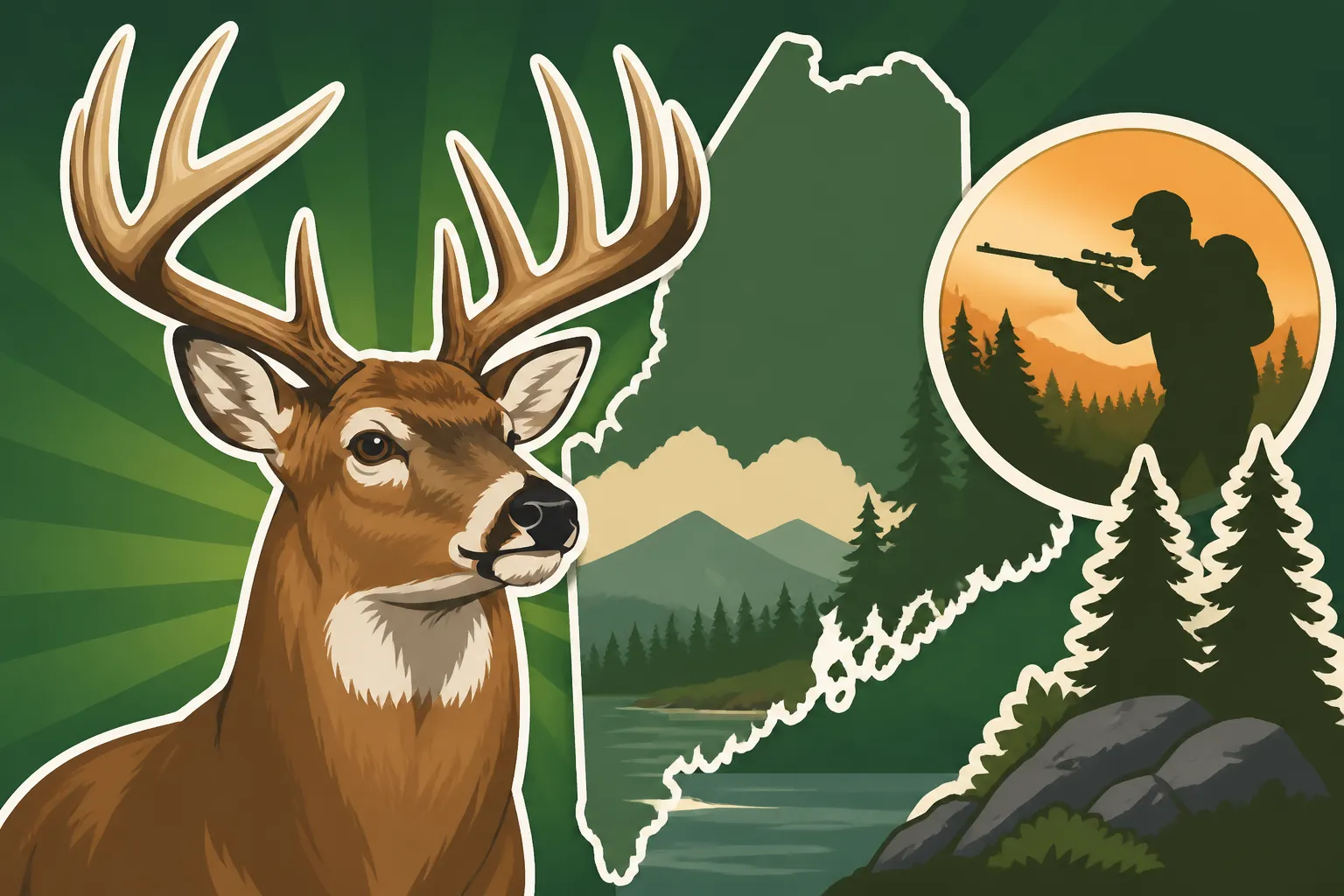
For many dedicated hunters in Maine, the pursuit of a truly magnificent whitetail buck is a lifelong passion. Beyond the thrill of the chase and the satisfaction of a successful hunt, there's a natural curiosity about how a particular buck's antlers measure up to the giants of the past. This comprehensive guide will explain what the Maine Deer Record Book represents, how a buck qualifies for official recognition, and the process involved in getting your hard-earned trophy properly scored and acknowledged.
What Exactly is the Maine Deer Record Book?
The concept of a "Maine Deer Record Book" isn't a single, physical tome you can pick up off a shelf, though various state-level organizations and individuals do maintain lists and rankings of impressive harvests. Instead, it primarily refers to the formal recognition of exceptional white-tailed deer harvests from the state of Maine, usually through nationally recognized record-keeping organizations like the Boone and Crockett Club and the Pope and Young Club. These clubs set the scientific standards for measuring and documenting trophy animals, ensuring consistency and historical accuracy across North America. When hunters talk about "making the book" in Maine, they are almost always referring to meeting the strict entry requirements of these prestigious clubs.
Beyond Just Antlers: Defining a Trophy Maine Deer
While the Boone and Crockett and Pope and Young systems are primarily focused on antler measurements, the idea of a "trophy" Maine deer extends beyond inches and points for many of us. A trophy can be a buck that represents years of diligent scouting, a challenging hunt in brutal weather, or one taken from a highly pressured area. It might be a deer with unique character or a particularly elusive demeanor. However, for the record book, the definition narrows significantly to the physical characteristics of the antlers themselves, meticulously measured according to established formulas. This objective approach allows for direct comparison and a standardized way to celebrate truly outstanding antler growth. It acknowledges the genetic potential and habitat quality that allowed a particular buck to flourish in the challenging Maine environment.
The Significance of Official Recognition
Having a Maine buck officially recognized in a record book provides a lasting legacy for the animal and the hunter. It's more than just bragging rights; it's a historical documentation of wildlife management success and the genetic quality of deer populations in specific regions of the state. For some, it signifies the culmination of a lifetime of hunting efforts, a testament to their dedication, skill, and ethical hunting practices. These records also serve a vital role for wildlife biologists, providing data points that can hint at trends in herd health, habitat quality, and management zone effectiveness. While the deer population is carefully monitored, the consistent entry of top-tier animals into national records speaks volumes about Maine's CWD-Free Cervid Herd and the state's robust hunting traditions.
How Does a Buck Qualify for the Maine Record Book?
Qualifying for a major record book like Boone and Crockett or Pope and Young involves a precise process centered around antler measurements. It’s not just about a big rack; it’s about a measurable score that meets or exceeds a set minimum. These standards ensure that only truly exceptional animals are entered, maintaining the integrity and prestige of the record books.
Understanding Scoring Systems: Boone and Crockett and Pope and Young
When we talk about scoring a trophy deer, two names dominate the conversation: Boone and Crockett (B&C) and Pope and Young (P&Y). Both clubs utilize a similar set of criteria for measuring antlers, focusing on length of main beams, length of tines, circumference measurements, and inside spread. The key difference lies in the hunting method:
- Boone and Crockett Club: This club recognizes animals taken by any legal hunting method, including firearms, muzzleloaders, and archery. Their minimum scores are typically higher, reflecting a broader pool of harvested animals over a longer hunting season. Many of the legendary Maine Boone and Crockett Whitetails were taken during the firearms season, leveraging the state's traditional four-week hunt.
- Pope and Young Club: This club is specifically dedicated to fair chase archery harvests. Their minimum scores are generally a bit lower than B&C, acknowledging the inherent challenges and closer ranges typically associated with bowhunting. For those who hunt Bowhunting Maine's Long Archery Season, a Pope and Young entry is the ultimate goal.
Both systems categorize antlers into "typical" and "non-typical" configurations. A typical rack is symmetrical, with points growing uniformly from the main beams. A non-typical rack has abnormal points, drop tines, or other irregularities that deviate from the typical structure. While non-typical antlers often look massive and impressive, the scoring system deducts for these irregularities in the typical category, or adds them in a separate non-typical score.
The Importance of the Minimum Score and Drying Period
Before any measuring tape comes out, your buck needs to meet a minimum visual standard, and critically, undergo a mandatory drying period. Antlers, like bone, will shrink slightly after harvest as they dry out. To ensure fair and consistent scoring, both B&C and P&Y require a 60-day drying period from the date of harvest before a final, official score can be taken. Attempting to score a green (freshly harvested) set of antlers will result in an unofficial measurement that may not hold up after the drying period.
As for minimum scores, these vary by species and by typical/non-typical categories. For white-tailed deer:
| Category | Weapon Type | Boone and Crockett Minimum | Pope and Young Minimum |
|---|---|---|---|
| Typical Whitetail | Any Legal Weapon | 160 points | 125 points |
| Non-Typical | Any Legal Weapon | 185 points | 155 points |
Note: These are general figures. Specific minimums can be found on the respective club websites. Always confirm current requirements directly.
Meeting these minimums means the animal possesses exceptional antler growth. Many hunters use tools like those found on GoHunt to research potential trophy areas and understand the factors contributing to larger antler size. For instance, knowing the Maine Buck-to-Doe Ratio by Region can give insights into herd health and trophy potential in a specific Wildlife Management District (WMD).
The Process of Getting Your Maine Trophy Scored
You've put in the time, scouted hard, and finally harvested a magnificent buck in Maine. Now, after the initial excitement and the 60-day drying period, you're ready to see how it officially measures up for the Maine Deer Record Book. The process requires precision, patience, and the expertise of a certified measurer.
Finding a Certified Measurer in Maine
The first step is to locate a certified measurer. Both the Boone and Crockett Club and the Pope and Young Club maintain online directories of their official measurers. These individuals have undergone rigorous training to understand and apply the complex scoring rules consistently. It's essential to use an official measurer, as their scores are the only ones recognized for entry into the record books. You can often find these directories by visiting the official websites of Boone and Crockett or Pope and Young and searching by state. Alternatively, your local Maine Department of Inland Fisheries and Wildlife (MDIFW) office might be able to direct you to local measurers in your area. Many sporting goods stores or prominent hunting clubs in Maine also have members who are certified measurers or can point you in the right direction. Don't be afraid to reach out and ask for recommendations.
What to Expect During the Scoring Session
Once you connect with a measurer, you'll arrange a time to bring your antlers in. It’s a meticulous process, not a quick glance. Here's what you can generally expect:
- Preparation: Ensure your antlers are clean and dry, free of any debris or loose material. The skull cap should be intact, as some measurements are taken from the skull.
- Initial Assessment: The measurer will visually inspect the antlers to determine if they are typical or non-typical and whether they meet the general appearance for entry. They will confirm the 60-day drying period has passed.
- Taking Measurements: Using specialized flexible tapes and calipers, the measurer will systematically take numerous measurements. This includes:
- Main Beam Lengths: Measured along the outside curve of each main beam.
- Length of Tines: Each abnormal point and typical point will be measured from the main beam.
- Circumference Measurements: Taken at the smallest points between typical tines on the main beam.
- Inside Spread: The widest measurement between the main beams.
- Symmetry and Deductions: For typical racks, any significant differences in length or circumference between corresponding points on each side will result in deductions from the overall score. Non-typical racks have additional measurements for abnormal points, which are added to the score, rather than deducted from a symmetrical framework.
- Paperwork: The measurer will complete an official score sheet, which includes all the individual measurements, the final gross score, and the net score (after deductions for typicals). You will receive a copy, and the measurer will typically submit the official copy to the relevant record book organization. They may also take photographs of the antlers for documentation.
The entire process can take some time, often an hour or more, depending on the complexity of the rack. It’s a fascinating glimpse into the science of antler growth and the detail required for official record keeping.
Celebrating Your Maine Deer and Preserving Its Legacy
After the measuring is done and the scores are submitted, there’s a sense of accomplishment and pride. Whether your buck makes the official record book or not, the experience of a successful hunt in Maine is truly special. But for those fortunate enough to have a record book entry, it’s a moment to truly celebrate and ensure the story of that deer lives on.
The Value Beyond the Score Sheet
While the numbers on a score sheet are an objective measure, the true value of your Maine trophy often transcends those figures. It’s about the memory of that crisp November morning, the adrenaline of the shot, and the immense satisfaction of harvesting a wild animal. It's the story you'll tell around the campfire for years to come, the camaraderie with hunting partners, and the knowledge that you successfully navigated Maine's challenging terrain and outsmarted a wise old buck. Every hunter has a different definition of their "trophy," and it doesn't always have to be a record book contender. A smaller buck taken during Maine's November Firearms Deer Season with a challenging shot or from a particularly remote area might hold just as much personal significance. The Maine Deer Harvest Records are full of fantastic stories, both those that make the book and those that are cherished personally.
Leveraging Technology for Record Keeping and Beyond
In today's digital age, even the most traditional pursuit like hunting benefits from technology. While official record books are maintained by specific clubs, hunters can use modern tools to track their personal successes, scout future opportunities, and learn about deer trends. Platforms like GoHunt offer incredible mapping and land ownership tools, invaluable for Scouting Maine Private Land Before Season or finding public access points. You can mark your harvest locations, track deer sign, and even record preliminary antler measurements using their integrated features. This not only helps with personal record keeping but also aids in understanding patterns over time, potentially leading to future record book opportunities. These platforms can become a personal "Maine Deer Record Book" of sorts, detailing your hunting adventures and the wildlife you encounter. Beyond just tracking your own achievements, such platforms can also offer insights into general trends, helping you learn about Why Southern Maine Grows Bigger Bucks or understand the impact of habitat on antler development.
Disclaimer
This article is for general informational purposes only and does not constitute professional advice. Laws, prices and regulations vary by location and change over time. Consult a qualified professional for guidance on your specific situation.