How Many Moose Live in Maine
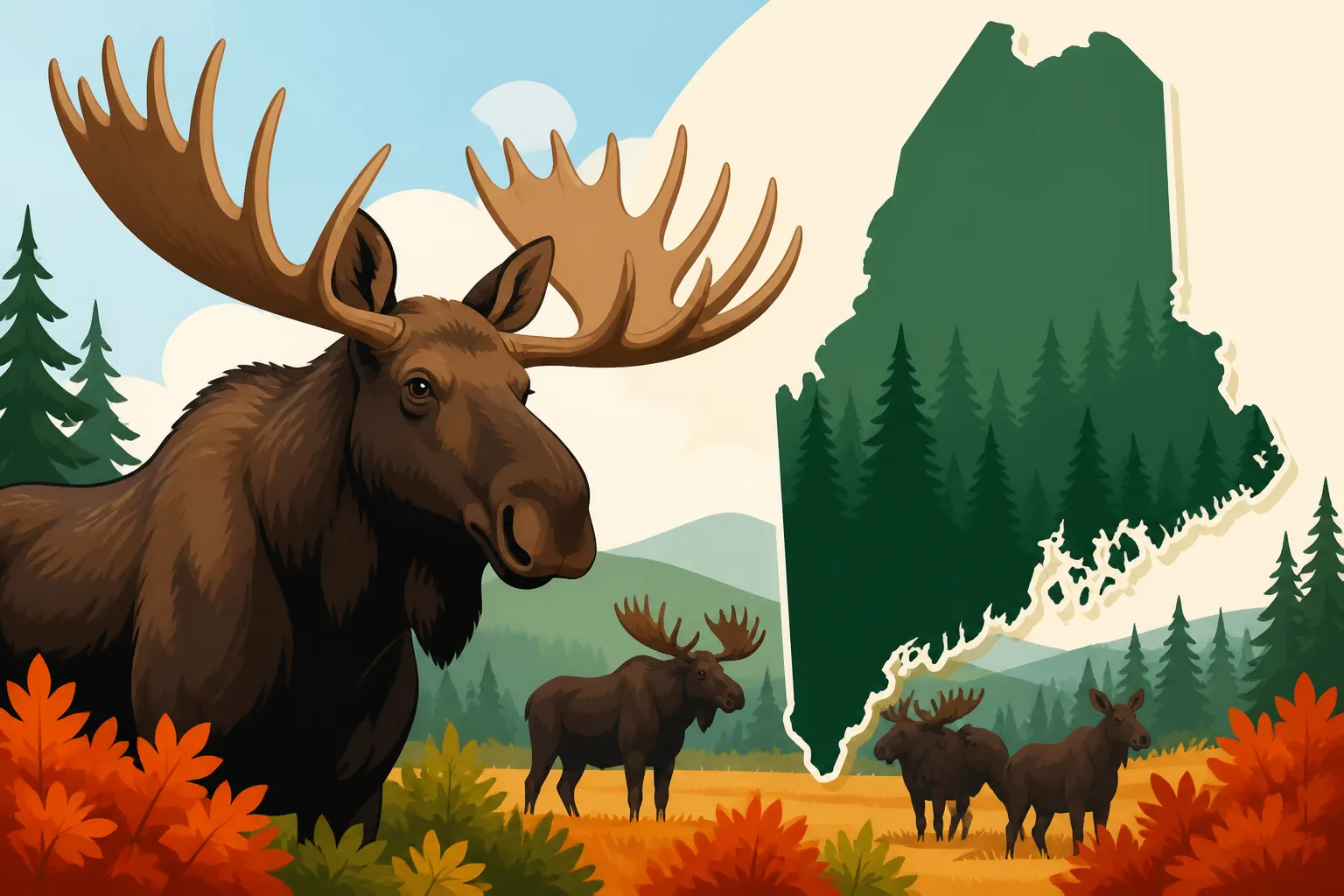
For anyone who's ever driven a logging road in the North Woods at dawn, or simply dreamt of Maine's wild places, the thought often crosses their mind: just how many of these magnificent animals actually roam our vast forests? It’s a question that captivates hunters, wildlife enthusiasts, and anyone who appreciates the wild heart of our state. Pinpointing an exact, real-time number is a monumental task, but this guide will dive deep into how biologists estimate our moose population, what those numbers generally look like, and the critical factors that influence them, so you can better understand this iconic Maine species.
Understanding Maine's Moose Population Estimates
Maine's moose population is one of the most robust in the lower 48 states, a testament to our immense tracts of forestland and dedicated wildlife management. However, getting a precise count of animals that blend so seamlessly into their environment, especially across hundreds of thousands of acres of dense timber, is no easy feat. Biologists don't just walk through the woods counting heads; they employ sophisticated methods to arrive at these crucial figures.
How Biologists Count Moose in Maine
Counting moose isn't like counting deer on a field edge. Moose live in vast, often remote, and heavily wooded areas, making ground surveys impractical for large-scale estimates. Instead, Maine's wildlife biologists rely primarily on aerial surveys, particularly using helicopters, to get a handle on the numbers. This is a highly specialized operation, often conducted in late winter when snow cover makes moose more visible against the white backdrop and deciduous trees have shed their leaves.
During these surveys, teams fly transects across designated survey blocks. They count observed moose, categorize them by age (calf vs. adult), and sometimes sex, if discernible. Critically, they also record environmental factors like snow depth and canopy cover, which can influence visibility. These raw counts are then fed into complex mathematical models that account for sightability bias—the fact that not every moose in the survey area will be seen. These models help extrapolate the observed numbers to provide a statewide or regional population estimate. It's an incredibly labor-intensive and expensive undertaking, but it provides the most accurate snapshot we have of the Maine Moose Population Estimate. Without these dedicated efforts, we'd be completely guessing, and effective management would be impossible.
The Latest Population Trends and Numbers
Over the years, Maine's moose population has seen its share of ups and downs. For a long time, the population grew significantly, expanding into new areas of the state. However, recent trends have shown some stabilization and even declines in certain regions, particularly in the core moose habitat of northern and western Maine.
While exact numbers fluctuate and are constantly refined, Maine's moose population is generally understood to be in the range of 60,000 to 70,000 animals. Some estimates have placed it even higher in the past, closer to 75,000, particularly during peak periods of population growth. It’s important to remember that these are estimates, not precise censuses, and they represent a dynamic, ever-changing wildlife population. The trend of these numbers, and the factors driving those trends, are often more informative than a single snapshot figure. For instance, understanding the Maine Moose Population Estimate allows wildlife managers to make informed decisions about hunting permits and habitat projects.
Historically, Maine saw incredible growth in its moose population, largely due to excellent habitat and proactive management after a period of much lower numbers. This boom allowed for the reintroduction of moose hunting seasons and expanded opportunities. However, the last decade or so has presented new challenges, leading biologists to adjust their strategies and, in some cases, implement measures like Maine's Moose Density Reduction Study to address specific issues impacting the herd's health.
Factors Influencing Maine's Moose Population
It's easy to think of a wild population as simply existing, but the truth is, many complex factors constantly shape the number of moose roaming our woods. From tiny parasites to vast forest changes, everything plays a role.
The Impact of Winter Ticks
Perhaps the most significant challenge facing Maine's moose population in recent years is the winter tick, Dermacentor albipictus. These tiny arachnids have a devastating impact, especially on calves. Unlike deer, moose haven't evolved effective defenses against heavy tick loads. A single moose can carry tens of thousands of winter ticks, which attach in the fall and feed throughout the winter.
The sheer volume of blood loss from these parasites can weaken moose, making them more susceptible to cold, starvation, and disease. For calves, which are smaller and have less blood to spare, the effect can be fatal. Many calves succumb to anemia by late winter, or they emerge from winter so compromised that they don't survive spring. This phenomenon, often referred to as "ghost moose" due to the significant hair loss ticks cause, has led to alarmingly high calf mortality rates in some areas, directly impacting overall population growth. To truly grasp the severity, it's worth learning about Why Winter Ticks Are Killing Maine Moose Calves—it's a critical piece of the puzzle for anyone concerned about our moose. This has spurred a lot of research and management actions aimed at mitigating this threat.
Habitat Changes and Logging Practices
Moose are creatures of the forest, but not just any forest. They prefer early successional habitats – areas with young, regenerating trees and abundant browse. Clear-cuts and areas harvested a few years prior often provide excellent food sources, as tender saplings and shrubs sprout up. However, as these areas mature, the canopy closes, shading out the understory browse that moose depend on.
Maine's extensive timber industry, while sometimes creating beneficial clear-cuts, also leads to a more mature forest landscape over time. Changes in logging practices, such as longer rotation cycles or different harvesting methods, can alter the availability of prime moose habitat. Additionally, while some road networks opened by logging can help hunters with access for tasks like Packing for a North Woods Moose Hunt, they can also increase human disturbance in some areas. The balance between timber production and creating suitable moose habitat is a constant consideration for land managers and wildlife biologists. The vast, interconnected forests of the Moose Habitat in the North Woods are not static; they are constantly changing, and moose populations change with them.
Predation and Other Natural Causes
While winter ticks are a major concern, other natural factors also influence moose numbers. Predation, primarily by coyotes and black bears, can impact moose, especially calves. Young calves are vulnerable to predators in their first few weeks of life, though a healthy cow moose is a formidable defender. As moose grow, their size offers significant protection, making adult moose relatively safe from most predators, aside from the rare wolf encounter (which are not established in Maine).
Diseases other than tick-borne ailments can also play a role, though typically on a smaller scale than the tick issue. Malnutrition, especially in harsh winters, can also lead to mortality, particularly for older or weaker animals. Environmental stresses, such as prolonged periods of unusually hot weather in summer, can also take a toll on moose, which are better adapted to cold climates. These factors, combined with accidental deaths (like vehicle collisions), contribute to the natural ebb and flow of moose numbers.
Regional Moose Densities Across Maine
Maine is a big state, and while moose are present in many areas, their density isn't uniform. You'll find pockets where they are incredibly abundant and others where they are much rarer. Understanding these regional differences is key to appreciating the overall population picture.
Where Moose Thrive: North Woods vs. Southern Maine
The undisputed stronghold for moose in Maine is the vast expanse of the North Woods. Here, in the unorganized territories and expansive timberlands of Aroostook, Piscataquis, and Somerset counties, moose find the large tracts of unbroken forest, abundant wetlands, and regenerating clear-cuts they need to thrive. This region boasts the highest moose densities, making it a prime destination for those looking to see or hunt a moose. If you're planning on Applying for a Maine Moose Permit, chances are you'll be hoping for a zone in this incredible wilderness.
As you move south into more populated and fragmented landscapes, moose densities generally decrease. While moose are certainly present in central and even parts of southern Maine, they tend to be less common and more scattered. These areas often have smaller patches of suitable habitat, more roads, and higher human populations, which can limit moose expansion and survival. Seeing a moose south of, say, Augusta, is still a thrill, but it's a much rarer occurrence than stumbling upon several while Glassing a Cut for a Bull Moose deep in northern Maine.
Wildlife Management Districts and Local Populations
Maine is divided into numerous Wildlife Management Districts (WMDs), and these districts are the basis for how the state manages its wildlife populations, including moose. Each WMD has unique habitat characteristics, moose densities, and specific management objectives. Biologists use these districts to tailor hunting permit allocations and research efforts.
For example, a WMD in the deep North Woods might have a high moose density and therefore receive a higher number of moose permits in the annual lottery, particularly if the goal is to manage the population and reduce tick impacts. Conversely, a WMD in southern Maine with lower moose numbers might receive very few, if any, permits, focusing instead on protecting the existing local population. This granular approach allows for more effective, localized management, ensuring that resources are allocated where they are most needed and that population goals are met on a regional basis. Hunters keen on understanding their chances of drawing a tag will spend hours poring over the details of their preferred WMD, often with the help of tools like GoHunt that provide insights into draw odds and harvest data for specific zones. It's a critical aspect of preparing for your hunt, whether you're trying to figure out What a Drawn Moose Zone Assignment Means or simply understand local wildlife.
Moose Population Factors & Their Impact
| Factor | Description | Impact on Population | Management Response |
|---|---|---|---|
| Winter Ticks | Parasites that attach in fall, feed all winter, causing blood loss and stress. | Significant calf mortality, weakened adults. | Moose density reduction, research on tick mitigation. |
| Habitat Availability | Need for early successional forest, young browse, and wetland areas. | Varies with logging practices and forest maturity. | Encouraging specific timber harvesting, habitat protection. |
| Predation | Coyotes and black bears can prey on vulnerable calves. | Localized impacts on calf survival. | Generally considered natural, not a primary driver of decline. |
| Disease/Malnutrition | Other diseases or lack of food, especially in harsh winters. | Minor, but can exacerbate tick impacts. | Monitor herd health, maintain robust habitat. |
| Climate Change | Warmer winters contribute to increased tick survival and spread. | Long-term threat, increasing tick burden. | Proactive management, advocating for climate action. |
Management Strategies and the Future of Maine Moose
Managing a species as iconic and economically important as the moose is a complex dance between conservation, recreational opportunity, and ecological health. Maine's Department of Inland Fisheries and Wildlife (MDIFW) continually adjusts its strategies to ensure a healthy and sustainable moose population for generations to come.
Moose Management Goals and Challenges
The primary goal of Maine's moose management is to maintain a healthy, viable moose population that is in balance with its habitat and minimizes impacts from factors like winter ticks. This isn't just about having more moose; it's about having healthy moose. In areas severely affected by winter ticks, for instance, a key management goal is often to reduce moose density. This might seem counterintuitive, but fewer moose per square mile can mean fewer ticks per moose, thereby improving the survival rate of the remaining animals.
Another challenge is balancing public demand for moose hunting opportunities with conservation needs. Many hunters are eager to experience Moose Hunting Maine's North Woods, but the state must ensure that hunting pressure is carefully controlled through permit allocations to avoid overharvesting and allow the population to remain robust. The complexities of climate change also loom large, as warmer winters directly contribute to the tick problem, making future management even more challenging.
Hunter Contribution to Population Data
Hunters play a surprisingly vital role in moose management. When you successfully Field Dressing a Moose in the North Woods or any other WMD, the process doesn't end there. Every harvested moose must be registered, and this registration provides crucial data to MDIFW. Biologists collect information such as the moose's sex, estimated age, and location of harvest.
In some cases, hunters are also asked to submit biological samples, such as teeth for accurate age determination or tissue samples for disease monitoring. This ground-level data, collected directly from the field, complements the aerial survey information and helps biologists build a more complete picture of the herd's health, age structure, and distribution. Your successful hunt contributes directly to the ongoing conservation efforts. Tools like GoHunt can help hunters visualize these harvest statistics, providing deeper insights into success rates for particular zones and giving them an edge when planning their own trips, right down to understanding how to handle logistical challenges like Getting a Moose Out of the North Woods. Without the cooperation of hunters, managing Maine's moose population would be significantly more difficult.
Disclaimer
This article is for general informational purposes only and does not constitute professional advice. Laws, prices and regulations vary by location and change over time. Consult a qualified professional for guidance on your specific situation.