Deer Meat Yield From a Maine Buck
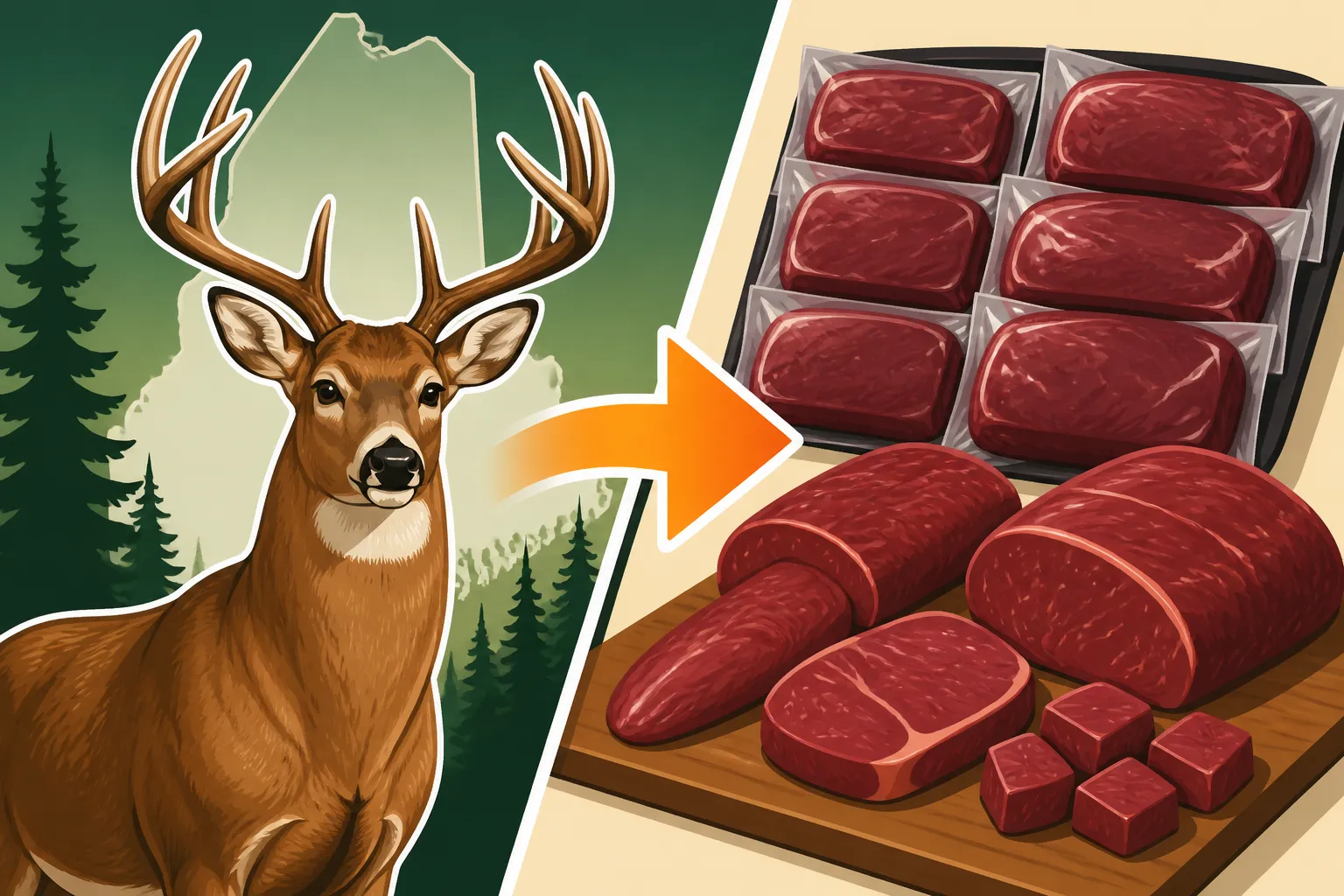
After you’ve put in all the scouting, the early mornings, the long waits in the stand, and finally punched your tag on a respectable Maine buck, one of the first questions that pops into your mind (after the initial rush of adrenaline, of course) is often, "How much actual meat am I going to get from this?" It’s a completely valid thought! Hunters dedicate so much time and effort, and understanding the practical yield of venison is key to appreciating the full reward. This guide will walk you through estimating and maximizing the deer meat yield from your Maine buck, ensuring all that hard work translates into a freezer full of delicious, lean protein.
Understanding the Factors Affecting Your Deer Meat Yield
It’s not just about the size of the rack; several crucial elements play into how much usable venison you’ll actually bring home from your Maine buck. Every deer is a little different, and paying attention to these details can make a significant difference in your final take.
Live Weight Versus Dressed Weight: The Initial Drop
This is often where the first bit of surprise hits new hunters. A deer that looks massive on the hoof loses a substantial amount of weight once it's field dressed. Field dressing, which involves removing the internal organs, typically reduces the live weight by about 20-30%. So, if you're lucky enough to drop a 200-pound live weight buck, you're realistically looking at a dressed weight in the neighborhood of 140-160 pounds. This initial weight reduction is a critical step, not just for processing, but for cooling the animal down quickly, which is absolutely vital for meat quality, especially here in Maine where temperatures can swing wildly during hunting season.
Age and Sex of the Buck: More Than Just Antlers
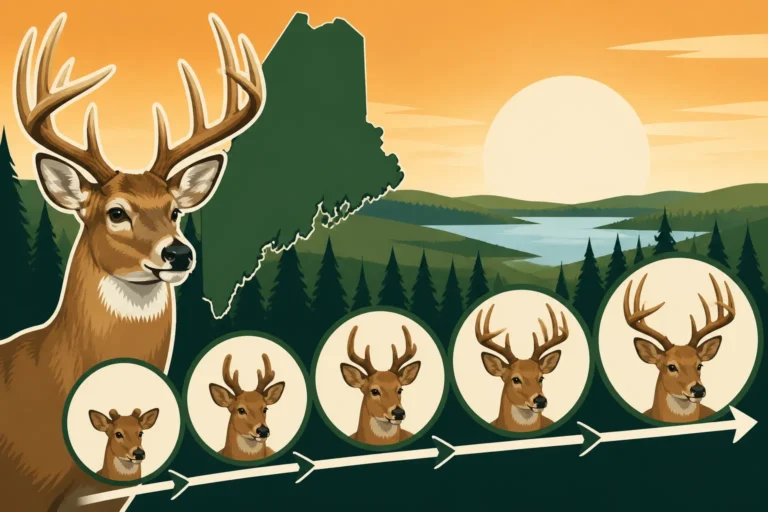
While antlers are often the focus of bragging rights, the age and sex of your deer are far more indicative of meat yield. A younger buck, say a year and a half old, might have a modest rack but often yields incredibly tender meat. An older, mature Maine buck, on the other hand, might be heavier and have an impressive rack, but his meat might be a bit tougher due to muscle development and age. Of course, a buck will generally yield more meat than a doe of comparable age because of their larger body size and muscle mass, especially those big-bodied northern Maine bucks that are built to handle our harsh winters. The condition of the deer, whether it’s well-fed or struggling, also impacts meat quantity and quality.
Shot Placement and Damage: Minimizing Waste
This is perhaps one of the most direct factors you control. A clean, ethical shot that takes out the lungs and heart without extensively damaging major muscle groups is ideal. Unfortunately, not every shot is perfect. A shoulder shot, while effective in dropping a deer quickly, can sometimes destroy a significant amount of meat from one or both front quarters. Similarly, a gut shot, while recoverable, often means a substantial amount of trimming and potential contamination, reducing your overall yield. Aiming for that "boiler room" just behind the shoulder is always the goal to maximize your clean meat.
Processing Techniques: Every Ounce Counts
Once the deer is down and field-dressed, how it’s processed makes a world of difference. Proper skinning, meticulous butchering, and careful trimming of fat, silverskin, and damaged areas are paramount. A skilled butcher, whether professional or a dedicated DIY enthusiast, will know how to extract the maximum amount of usable meat, including smaller muscles, trim, and bones for stew meat or grinding. This attention to detail can add several pounds to your final yield compared to a rushed or inexperienced job. Consider how you're Butchering a Deer at Camp to really optimize this part of the process.
Estimating Meat Yield from a Maine Whitetail
So, what can you actually expect to haul home? It's never an exact science, but we can get pretty close with some generally accepted rules and a bit of Maine-specific context.
The 50% Rule of Thumb: A Starting Point
A good general rule that many hunters use is the "50% rule." This suggests that the boneless, trimmed meat yield will be roughly 50% of the dressed weight. Let's break that down:
- Live Weight: The weight of the deer when it's still alive and walking around.
- Dressed Weight: Live weight minus the internal organs (stomach, intestines, heart, lungs, etc.). This is typically 70-80% of the live weight.
- Usable Meat Yield (Boneless/Trimmed): This is the actual amount of meat you put in your freezer, free of bone and excessive fat/connective tissue. This is generally around 50% of the dressed weight.
Let's look at an example to illustrate:
| Factor | Small Buck (150 lb Live) | Medium Buck (200 lb Live) | Large Buck (250 lb Live) |
|---|---|---|---|
| Estimated Live Weight | 150 lbs | 200 lbs | 250 lbs |
| Estimated Dressed Weight | 105-120 lbs (70-80%) | 140-160 lbs (70-80%) | 175-200 lbs (70-80%) |
| Estimated Usable Meat Yield (Boneless) | 52-60 lbs (50% of Dressed) | 70-80 lbs (50% of Dressed) | 87-100 lbs (50% of Dressed) |
This table gives you a ballpark figure, but remember, every deer and every harvest is unique.
Adjusting for Maine's Deer Characteristics
Maine deer, especially the mature bucks in the big woods, can be substantial animals. While not reaching the mythical sizes of some midwestern whitetails, a healthy, older Maine buck can certainly push the scales. Areas with good nutrition, like agricultural regions in Aroostook County or parts of southern Maine with ample apple orchards and suburban browse, tend to produce larger, heavier deer. Conversely, deer in dense, northern forest habitats, especially after a particularly harsh winter that affected Maine Deer Wintering Yards Explained, might be a bit lighter.
When you're out there on a Hunting a Ridge-Top Saddle for Rutting Bucks, keep in mind that the deer you encounter might be more muscle-bound and rangy than a feedlot-fattened animal. Your "average" Maine buck might be a bit leaner overall, which translates to a higher percentage of lean meat and less excess fat to trim. This is a good thing for taste and health! You might find that your actual usable meat percentage from the dressed weight creeps closer to 55-60% if you're very meticulous and the deer is particularly lean.
Calculating Usable Meat: Beyond the Quarters
Most hunters think of the four main quarters and backstraps when they consider meat yield. However, there's a lot more to it. The neck roast, for example, is often overlooked but can yield several pounds of delicious stew meat or ground venison. The shanks, while tough, are perfect for slow cooking. The trim from various cuts, often combined with some beef or pork fat, makes excellent burger or sausage.
For hunters using tools like those offered by GoHunt, you're constantly analyzing data to optimize your hunt. That same analytical approach can be applied to maximizing your meat yield. Don't just toss what seems like "scraps." A careful eye and a sharp knife can turn those seemingly insignificant pieces into valuable protein. This isn't just about efficiency; it's about respecting the animal and making the most of your harvest, which is a core tenant of being a responsible hunter.
Maximizing Your Maine Buck's Meat Yield
Getting the most out of your deer isn't just about the initial shot; it's a process that starts immediately after the animal hits the ground and continues until the meat is in the freezer.
Field Dressing and Cooling Promptly
This step cannot be stressed enough, particularly in Maine where temperatures can be warm during the early archery season or surprisingly mild in November. Prompt field dressing allows the carcass to begin cooling down immediately. Getting the guts out quickly prevents internal heat from spoiling the meat from the inside out. In warmer weather, stringing the deer up and getting air circulation around it, or even using bags of ice in the chest cavity, can be critical. When the weather turns cold, especially if you're out Hunting Into the December Muzzleloader Close, natural cooling takes over, but still, prompt field dressing is key to preventing bacterial growth.
Once field dressed, the deer needs to be transported to a cooler location as soon as possible. Whether that's a walk-in cooler, a cold garage, or hanging in a shaded, breezy spot when temperatures are consistently below 40 degrees Fahrenheit, proper cooling is essential for tender, flavorful meat. Don't let your hard work go to waste by neglecting this crucial step.
Professional Processing Versus DIY Butchering
The choice between taking your deer to a professional processor and doing it yourself at home is a personal one, often dictated by time, skill, and equipment.
-
Professional Processing: Many hunters in Maine opt for a professional butcher. They have the right tools, experience, and temperature-controlled environments to process your deer efficiently and safely. They can custom-cut, package, and often even make specialty products like sausage or jerky. This is a great option if you're new to butchering, lack the facilities, or simply don't have the time. The downside is the cost, but for many, it's a worthwhile investment for quality and convenience. They're often experts at maximizing yield, knowing how to get every bit of usable meat.
-
DIY Butchering: If you have the space, tools, and willingness to learn, butchering your own deer can be an incredibly rewarding experience. It gives you complete control over the cuts, the cleanliness, and how every ounce of the animal is utilized. You can experiment with different preparations and save money in the long run. Many hunters find great satisfaction in going from field to freezer entirely on their own. Learning to properly Aging Venison in Cold Weather or making your own burger blend are skills that build confidence and self-sufficiency. This is a path many dedicated hunters, much like those who utilize advanced mapping features from GoHunt to meticulously scout properties, choose for the ultimate control over their harvest.
Utilizing All Parts: Beyond the Prime Cuts
To truly maximize your yield, you need to think beyond just the steaks and roasts. The neck, shanks, and rib meat are fantastic for stewing, braising, or grinding. The heart and liver are incredibly nutrient-dense and delicious when prepared properly. Even the bones can be used to make rich, flavorful venison stock, which is an amazing base for soups and sauces all winter long. Don't be afraid to try new recipes and explore different ways to cook these often-overlooked cuts. Every part of the animal you use is a pound of meat that didn't go to waste. This holistic approach is part of the hunting tradition, echoing the deep respect for the animal and the resource that fuels our passion for the outdoors.
The Value of Your Hard-Earned Venison
Beyond the numbers on a scale, the meat you get from a Maine buck represents a significant value that goes far beyond monetary cost. It’s a return on your investment of time, effort, and passion.
Financial Savings and Food Security
In today's world, the cost of groceries seems to climb endlessly. A freezer full of venison from even an average-sized Maine buck can provide dozens, if not hundreds, of meals for your family throughout the year. Imagine replacing expensive beef or pork cuts with lean, organic, wild game. This is a substantial financial saving that many hunters deeply appreciate. It's a tangible form of food security, knowing that a significant portion of your protein needs is met through your own efforts. The satisfaction of serving a meal knowing exactly where it came from, and the effort involved in obtaining it, is priceless.
Health Benefits of Wild Game
Venison is celebrated for its health benefits. It's typically much leaner than store-bought red meat, lower in fat and cholesterol, and higher in protein. It's also free of hormones, antibiotics, and other additives often found in commercially raised livestock. This means you're putting a truly natural, healthy product on your table. Many studies tout the benefits of a diet rich in wild game, contributing to better cardiovascular health and overall well-being. This natural, wholesome food source is another incredible advantage of hunting in Maine, where animals live a truly wild and free existence.
The Satisfaction of a Full Freezer
There's a deep, primal satisfaction that comes from filling your freezer with the bounty of a successful hunt. Each package of ground venison, every steak, and every roast tells a story of perseverance, skill, and connection to the land. It’s a tangible reminder of your outdoor adventures, the crisp Maine air, and the challenge overcome. This isn't just about sustenance; it’s about providing for yourself and your family in a meaningful way.
Whether you're strategizing for Maine's Four-Week Firearms Deer Season or getting ready for Bowhunting Maine's Long Archery Season, the end goal is not just the thrill of the chase, but the wholesome food it provides. It's why many hunters, much like how they use GoHunt to meticulously scout and plan their trips, invest so much into learning and refining their craft. So, next time you're admiring your deer, remember that its true value extends far beyond its weight or antler score – it’s measured in delicious, healthy meals and the profound satisfaction of a well-earned harvest.
Disclaimer
This article is for general informational purposes only and does not constitute professional advice. Laws, prices and regulations vary by location and change over time. Consult a qualified professional for guidance on your specific situation.