Maine Eider Population Trends
For those of us who spend our winters scanning the rugged Maine coastline, the sight of common eiders bobbing in the frigid Atlantic is as iconic as a lighthouse. These resilient sea ducks are a true symbol of our wild coast, and frankly, they're a challenging and rewarding bird to pursue with a shotgun. But like any wildlife population, their numbers aren't static. We hear whispers, anecdotal stories, and sometimes even official reports that leave us wondering: are Maine's eider populations doing okay? This guide dives deep into the intricate dance of factors affecting these magnificent birds, from coastal development to the very waves they call home, and how we, as hunters and conservationists, fit into the bigger picture.
Understanding Maine's Eider Population
Eiders are more than just another duck; they're a keystone species of Maine's cold, rocky shores. Their presence, or lack thereof, can tell us a lot about the health of our coastal ecosystems. It's an issue that touches the heart of anyone who appreciates the unique wildness of our state.
The Iconic Sea Duck of Maine's Coast
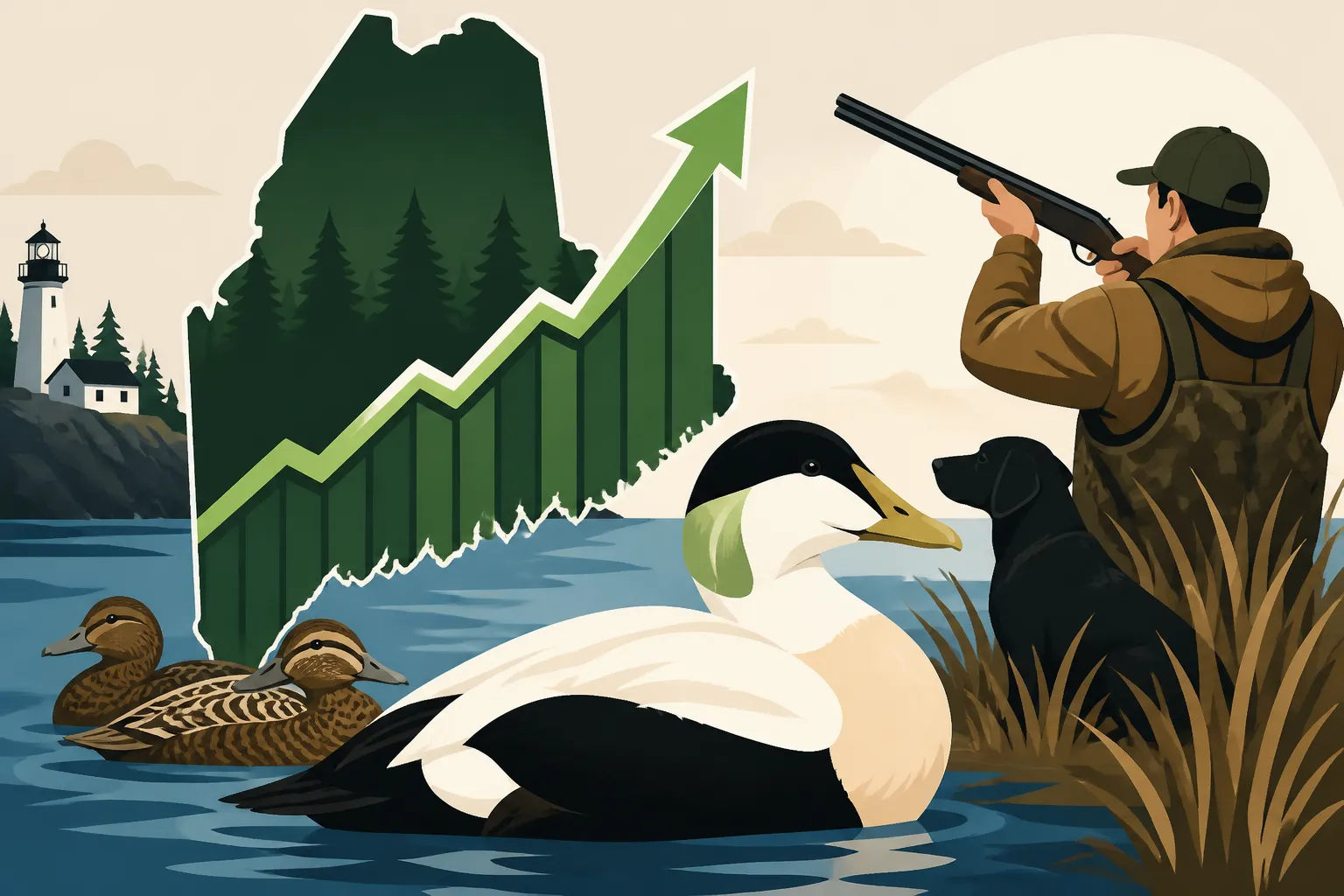
When you talk about sea ducks in Maine, the common eider is often the first image that comes to mind. These large, robust ducks are built for the harsh marine environment, with their thick down feathers providing insulation against the biting winds and icy waters of the North Atlantic. Males, with their striking black and white plumage and distinctive green nape, are truly a sight to behold, especially against a backdrop of breaking waves. Females are a mottled brown, blending in perfectly with the rocks and seaweed where they nest.
They are incredibly specialized birds, feeding primarily on mussels, sea urchins, and other benthic invertebrates they dive deep to retrieve. This strong connection to specific food sources means they are particularly vulnerable to changes in the underwater environment. Their lives revolve around the rhythm of the tide and the availability of their preferred diet, which means any disruption to these delicate coastal food webs can have a ripple effect on their well-being. Their strong preference for certain coastal features, particularly ledges and islands for nesting, makes them quite particular about their real estate.
Their resilience is legendary; these birds can withstand some truly brutal weather. But even with their tough exterior, they are deeply interconnected with their environment. Their nesting colonies, often on small, isolated offshore islands, become bustling communities each spring. For hunters, understanding these unique adaptations is key to appreciating the quarry and hunting them responsibly, especially when Decoying Eiders Off the Maine Coast or setting up for Decoying Eiders on a Falling Tide. It's a connection that runs deeper than just the pursuit; it's about respecting the entire lifecycle of a truly remarkable bird.
Historical Context and Recent Trends
Maine's eider populations have seen quite a rollercoaster over the centuries. Historically, these birds were incredibly abundant, forming massive nesting colonies on our islands. However, like many waterfowl species, they faced intense pressure during the market hunting era of the late 19th and early 20th centuries. Their incredibly warm down made them a target for feather harvesting, and their eggs and meat were also sought after. It was a period where, frankly, we took too much without understanding the consequences, and populations plummeted to dangerously low levels.
Thankfully, with the advent of conservation laws, the establishment of migratory bird treaties, and the dedicated efforts of biologists and conservationists, eiders began a slow but steady comeback through much of the 20th century. By the latter half of the century, we saw healthy numbers returning to traditional nesting grounds, which was a huge success story for wildlife management. Many of us who grew up hunting or birdwatching in Maine remember those robust populations as a given.
However, recent decades have presented new challenges. While we don't see the catastrophic declines of the market hunting days, there have been subtle shifts and concerning trends that wildlife agencies are carefully monitoring. Some areas report stable numbers, while others show concerning drops in nesting success or overall bird counts. These fluctuations aren't always immediately obvious to the casual observer, but they are crucial for those managing the species. Tracking these subtle, long-term shifts is incredibly complex, requiring dedicated research, accurate surveys, and a deep understanding of the diverse factors at play. It's a stark reminder that conservation is an ongoing process, not a problem solved once and then forgotten. Understanding these broader trends is vital for anyone invested in the future of Eiders on the Maine Coast.
Factors Influencing Eider Trends in Maine
When we talk about population trends for a species like the eider, it's never just one thing that's impacting them. It's a complex web of environmental changes, natural pressures, and human activity, all interacting in ways that can be difficult to fully unravel.
Coastal Habitat Changes
Maine's coastline is a dynamic place, constantly shaped by ocean and weather, but also increasingly by human hands. These changes have profound implications for eider populations. One of the most significant issues is coastal development. As more people seek to live, work, and recreate along our beautiful shore, critical nesting islands and foraging areas are either developed, fragmented, or experience increased human disturbance. Eiders need undisturbed spaces for nesting, especially on small, isolated islands that offer protection from terrestrial predators. When these islands become popular recreation spots or their habitats are altered, it directly impacts their ability to reproduce successfully.
Pollution is another insidious threat. While large-scale oil spills make headlines, chronic, smaller-scale pollution from runoff, chemicals, and plastics also takes a toll. Eiders spend their entire lives in and around the water, making them highly susceptible to contaminants that can impact their health, reproductive success, and food sources. A thriving mussel bed can quickly become a toxic zone if pollution enters the ecosystem, and once those vital food sources are compromised, the eiders suffer. Even subtle changes in water quality or sedimentation can reduce the availability of the shellfish and crustaceans they depend on.
Finally, we can't ignore the broader impacts of a changing climate. Rising sea levels can inundate low-lying nesting islands, reducing available habitat. Changes in ocean temperature and currents can affect the distribution and abundance of the eiders' primary food sources, forcing them to expend more energy to find sustenance or even impacting the viability of entire populations. Stronger, more frequent coastal storms can also devastate nesting colonies during critical periods, washing away nests and young. These large-scale environmental shifts create a dynamic and often challenging environment for eiders to navigate.
Predation and Disease
While human impact and habitat changes are significant, eiders also face natural pressures that play a role in their population dynamics. Predation, especially on nesting islands, is a constant concern. Gulls, particularly great black-backed gulls, are opportunistic predators of eider eggs and ducklings. On islands accessible to the mainland, terrestrial predators like foxes and mink can decimate an entire colony. Even bald eagles, while majestic, can prey on adult eiders, especially during vulnerable times like molting or if an individual is weakened.
Managing these predator populations on critical nesting sites is a delicate balance. Sometimes, intervention is necessary to protect vulnerable eider colonies, while other times, it's about understanding the natural cycles. These predatory pressures can be exacerbated if nesting habitat is limited, concentrating the eiders and making them easier targets. It’s a harsh reality of the wild, but when populations are already stressed, even natural predation can become a significant hurdle to recovery.
Disease outbreaks, though less frequent than in some other waterfowl species, can also impact eider populations. Avian botulism or other pathogens can spread quickly through dense colonies or wintering flocks, leading to localized mortality events. While wildlife agencies monitor for these occurrences, they highlight another layer of vulnerability for these otherwise hardy birds. Maintaining a robust Maine Wildlife Disease Monitoring Program is crucial for early detection and mitigation of these threats, helping to safeguard not only eiders but other coastal wildlife.
Harvest and Human Disturbance
It's natural for hunters to wonder what role hunting plays in these population trends. Maine has a long tradition of sea duck hunting, and Sea Duck Hunting the Maine Coast is a challenging and rewarding pursuit. However, regulations around Maine Eider Daily Limit are carefully managed to ensure sustainable harvest. The harvest is regulated by federal and state agencies using scientific data, and limits are set based on population assessments to ensure hunting pressure doesn't jeopardize the overall health of the species. Responsible hunters are a vital part of conservation, providing funding through license sales and often acting as eyes and ears on the water, reporting observations that help biologists.
Beyond direct harvest, human disturbance can also impact eiders. Boating, kayaking, island camping, and other recreational activities can inadvertently disturb nesting eiders, causing them to flush from their nests and leave eggs vulnerable to predators or exposure. During critical nesting periods, repeated disturbances can lead to nest abandonment and reduced reproductive success. While most people don't intend to harm wildlife, simply being present in sensitive areas at the wrong time can have a negative cumulative effect.
It's a balance between public access and wildlife protection. This is why certain islands are designated as wildlife sanctuaries or have restrictions during nesting season. Educating the public about the importance of giving nesting birds space is just as crucial as managing harvest levels. The goal is to allow for both human enjoyment of our coast and the continued thriving of species like the eider.
Conservation Efforts and Management Strategies
The good news is that wildlife agencies and conservation organizations aren't sitting idly by. There are active, ongoing efforts to understand, protect, and enhance Maine's eider populations. These strategies combine scientific research with practical, on-the-ground action.
Monitoring and Research
Effective conservation starts with good data. Wildlife biologists employ a variety of methods to monitor eider populations and understand their trends. Aerial surveys are a common tool, allowing researchers to count large numbers of birds over expansive coastal areas, particularly during wintering periods when birds congregate. These surveys help estimate the overall population size and track year-to-year changes. These observations are carefully recorded and analyzed to give us a clearer picture of How Many Sea Ducks Winter Off Maine and their distribution.
Another critical component is the Maine Waterfowl Banding Programs. Biologists capture eiders, attach small, numbered bands to their legs, and then release them. When these banded birds are later harvested by hunters or found deceased, the band numbers are reported, providing invaluable information on migration routes, survival rates, and harvest mortality. This data is absolutely essential for fine-tuning management strategies and ensuring that hunting regulations, such as Maine Sea Duck Season and Zones, are appropriate and sustainable.
Beyond broad surveys, specific studies focus on nesting success. Biologists visit key Maine Common Eider Nesting Islands to count nests, monitor egg viability, and track the survival of ducklings. This intense, localized research provides insight into reproductive output, which is a key indicator of population health. It helps identify specific threats at the breeding grounds and informs targeted conservation actions. All of this collected data is crucial, and hunters often contribute by reporting their harvest and any banded birds they encounter. Using a platform like GoHunt can help hunters easily find and report relevant data points or stay informed on the latest agency updates regarding these species.
Habitat Protection and Restoration
Direct habitat work is another cornerstone of eider conservation. Protecting key nesting islands from development, erosion, and human disturbance is paramount. This often involves land acquisition by conservation trusts, working with private landowners, or establishing protected areas. These efforts aim to secure the undisturbed spaces that eiders absolutely need to raise their young successfully. Without safe nesting grounds, even a healthy adult population will struggle to grow.
In some cases, restoration efforts might involve improving existing nesting habitats. This could mean controlling invasive vegetation that outcompetes native plants, enhancing predator barriers, or even creating artificial nesting structures in suitable areas if natural sites are insufficient or compromised. These actions are often the result of findings from monitoring programs that identify specific bottlenecks in the eider's life cycle.
Beyond nesting sites, protecting and restoring foraging areas, such as mussel beds and rocky intertidal zones, is also vital. These areas are the grocery stores for eiders, providing the energy they need to survive the harsh winter and fuel their reproductive efforts. Collaborative efforts involving state agencies, federal partners, and local conservation groups are essential for these landscape-scale projects, recognizing that the eider's life cycle spans a wide range of coastal habitats.
How Hunters Can Stay Informed and Contribute
For those of us who cherish Maine's hunting traditions, it's not enough to just go afield. Being an informed and responsible hunter means understanding the game we pursue and contributing to its long-term health.
Being a Responsible Hunter
Responsible hunting is about more than just following the law; it’s about a deeper respect for the quarry and the environment. For eiders, this means thoroughly understanding Maine Sea Duck Zone Boundaries and all pertinent regulations before heading out. It means knowing how to identify your birds correctly, especially when Hunting Scoters in Maine's Open Water or Hunting Long-Tailed Ducks Along the Coast in mixed flocks, to ensure you're harvesting within legal limits for eiders and avoiding protected species. Misidentification not only leads to potential violations but can also impact species that are less numerous.
Adhering strictly to bag limits, such as the Maine Eider Daily Limit, is non-negotiable. These limits are set by biologists based on the best available science to ensure the sustainability of the population. Beyond just the law, it’s about personal ethics and ensuring future generations have the same opportunities we do. Additionally, reporting any banded birds you harvest is incredibly important for data collection. That tiny piece of metal on a duck’s leg is a treasure trove of information for researchers, contributing directly to the ongoing monitoring efforts that shape future seasons.
Hunters are often among the first to notice subtle changes in wildlife populations or habitat conditions. By staying observant and informed about the species you hunt, you become an important partner in conservation. Your license fees and excise taxes on hunting equipment directly fund wildlife management and habitat restoration projects across the state, including those benefiting sea ducks. It’s a powerful testament to how hunters contribute meaningfully to conservation.
Utilizing Resources and Reporting Observations
In this modern age, there are more resources than ever to help hunters stay informed and engage with conservation efforts. State wildlife agency websites are a primary source for the latest regulations, season dates, and detailed Maine Duck Harvest Numbers and reports on population trends. Subscribing to their newsletters or following their social media channels can keep you updated on emerging issues or changes in management. These agencies are actively working to protect and manage all wildlife, and their public outreach is designed to empower hunters with knowledge.
Tools and apps like GoHunt can be incredibly useful for digital mapping, scouting, and even keeping track of your own observations afield. Many platforms integrate public land boundaries, habitat types, and even some weather data, allowing you to plan your hunt more effectively and responsibly. You can use these tools to better understand the coastal areas where you hunt eiders, identifying potential nesting islands or key feeding grounds that might be sensitive. This kind of technology puts a wealth of information at your fingertips, making you a more informed and impactful participant in the outdoors.
Finally, your eyes and ears on the water are invaluable. If you notice anything unusual – a large number of sick or deceased birds, significant habitat degradation, or any other anomaly – don't hesitate to report it to the Maine Department of Inland Fisheries and Wildlife. Your observations can be crucial early warning signs, helping biologists to investigate and potentially mitigate problems before they escalate. It's a small but significant way for every hunter to contribute to the health and future of Maine's iconic eider populations.
Factors Affecting Maine Eider Populations
| Factor Category | Specific Examples | Potential Impact on Eiders | Hunter Action |
|---|---|---|---|
| Habitat Loss | Coastal development | Loss of nesting islands, increased disturbance | Support land conservation, respect private land postings |
| Coastal erosion | Reduced low-lying nesting habitat | Advocate for coastal habitat restoration | |
| Pollution | Oil spills, chemical runoff | Direct mortality, food source contamination, reproductive issues | Support clean water initiatives, proper waste disposal |
| Climate Change | Rising sea levels, ocean temp shifts | Inundation of nests, changes in food availability | Support climate-aware conservation efforts |
| Predation | Gulls, foxes, eagles | Egg and duckling mortality, adult predation on nesting islands | Support predator management where necessary for conservation |
| Disease | Avian botulism, other pathogens | Localized die-offs, population declines | Report sick/dead birds to wildlife agencies |
| Human Disturbance | Boating, recreation near nesting sites | Nest abandonment, increased predation vulnerability | Avoid sensitive nesting areas, maintain respectful distance |
| Hunting Pressure | Unregulated or excessive harvest | Direct population reduction | Adhere to Maine Eider Daily Limit, report banded birds |
Disclaimer
This article is for general informational purposes only and does not constitute professional advice. Laws, prices and regulations vary by location and change over time. Consult a qualified professional for guidance on your specific situation.