Maine Turkey Population Trends
It can feel like a real mystery sometimes, trying to figure out what's truly happening with our beloved wild game populations here in Maine. One year you're seeing turkeys everywhere, practically stepping on them in your backyard, and the next, it feels like they've vanished into thin air, leaving you wondering if their numbers are crashing. This guide aims to pull back the curtain on Maine turkey population trends, offering an honest look at where things stand, what influences these incredible birds, and what we can realistically expect in the years to come.
The Amazing Comeback: How Turkeys Returned to Maine
It's hard to believe now, given how common they are in many parts of the state, but there was a time when wild turkeys were completely absent from Maine. Their return is a testament to dedicated conservation efforts and a story every hunter should know.
Historical Decline and Extirpation
Back in the 1800s, as European settlers expanded across the landscape, they brought with them widespread habitat destruction through logging and unregulated market hunting. The vast, mature forests that turkeys relied on for food and cover were cleared for agriculture and timber, and unchecked hunting pressure meant birds were taken faster than they could reproduce. By the early 1900s, wild turkeys were completely gone from Maine, extirpated from the state. It must have been a truly disheartening time for anyone who remembered seeing these majestic birds roam the woods. For generations, the only turkeys seen here were domestic ones, far removed from their wild, wary cousins.
Restoration Efforts Through Trap-and-Transfer
The idea of bringing wild turkeys back to Maine started gaining traction in the 1970s and early 80s, primarily spurred by successful restoration projects in other New England states. The Maine Department of Inland Fisheries and Wildlife (MDIFW) embarked on a groundbreaking trap-and-transfer program, literally catching wild turkeys in states like Vermont and Connecticut and releasing them into suitable habitats here in southern Maine. This wasn't a quick or easy task; it required careful planning, identifying ideal release sites, and securing permission from landowners. These initial releases were small, cautious steps, with biologists closely monitoring the birds to see if they could adapt and thrive in their new home. It was a true leap of faith, hoping that these transplanted birds would establish a foothold.
Early Successes and Population Expansion
Thankfully, those early efforts paid off beautifully. The initial releases, particularly in areas like York and Cumberland counties, saw remarkable success. The birds found ample food sources—from acorns and beechnuts to agricultural grains—and sufficient cover. As these initial populations grew, MDIFW continued the trap-and-transfer strategy, moving birds from these burgeoning southern Maine flocks to new release sites further north and east within the state. This strategic redistribution allowed the turkey population to expand its range naturally, eventually reaching central Maine, and even establishing a presence in Aroostook County. It’s a classic wildlife success story, demonstrating what can be achieved with dedicated conservation work and public support. The wild turkey had not only returned but was thriving in its ancestral home. You can learn more about how the state pulled off this amazing feat by reading about How Turkeys Were Restored to Maine.
Current Maine Turkey Population Estimates and Distribution
So, where do things stand today? After such a remarkable comeback, it's natural to wonder just how many turkeys are out there, and if they're spread evenly across our diverse landscape. The reality, as with most wildlife, is a bit more nuanced than a simple statewide number.
Statewide Numbers and General Trends
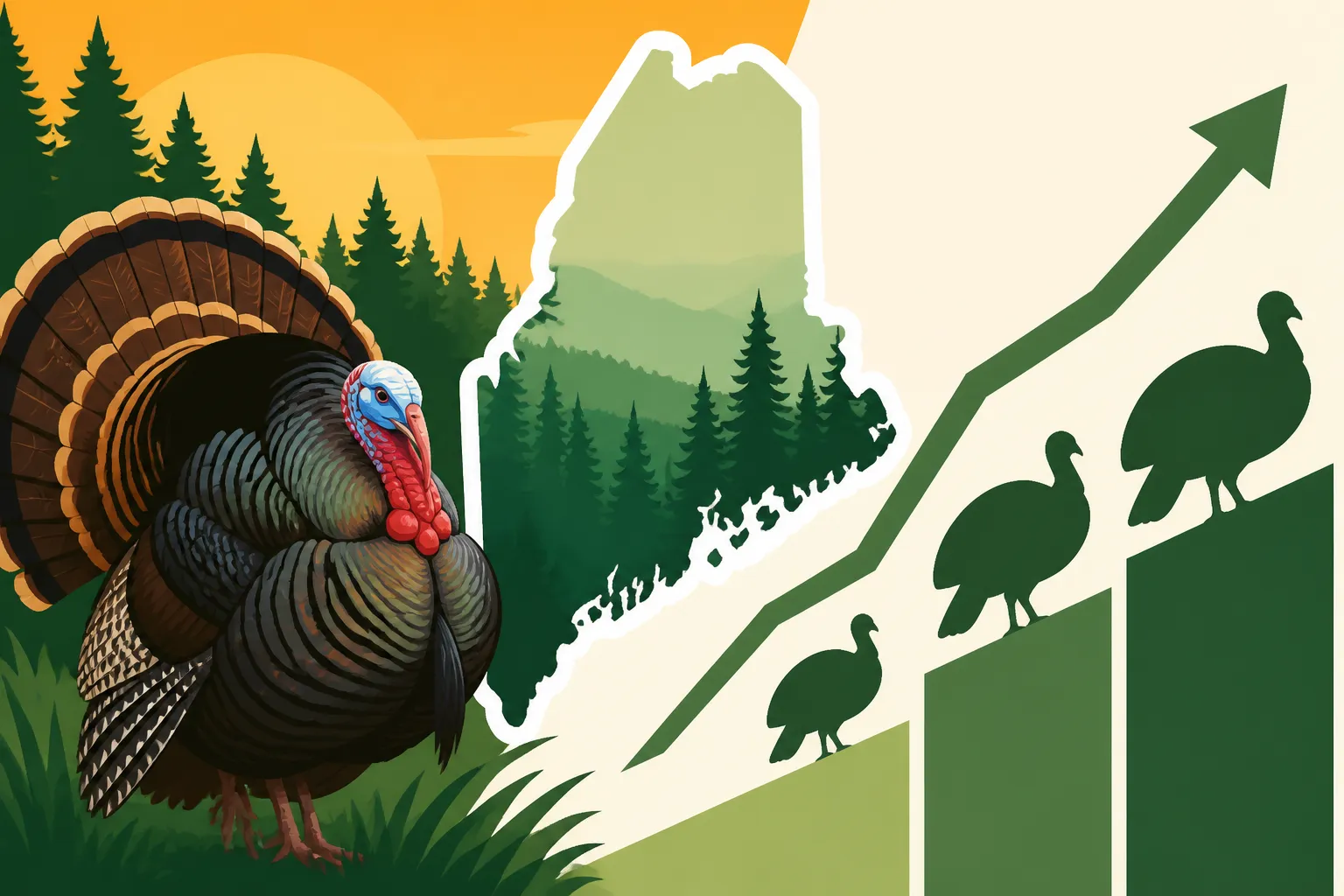
While precise, real-time population counts for wild turkeys are incredibly challenging to obtain due to their elusive nature and wide range, the Maine Department of Inland Fisheries and Wildlife (MDIFW) utilizes harvest data, brood surveys, and public sightings to generate estimates and monitor overall trends. Currently, the statewide Maine turkey population estimate hovers around 60,000 to 70,000 birds, and in some good mast years, it can push even higher. This represents a robust and healthy population, especially when you consider where we started just a few decades ago. While there might be local fluctuations year-to-year based on weather or food availability, the general trend for Maine's wild turkey population has been one of continued growth and stability over the past few decades. Hunters can get a good feel for these trends by checking out the annual Maine Turkey Population Estimate reports.
Regional Differences in Density
Despite the overall health of the statewide population, anyone who's hunted turkeys in different parts of Maine will tell you that their presence isn't uniform. The highest densities of wild turkeys are still found in southern and central Maine. These areas typically offer a mosaic of mature hardwood forests, agricultural fields (think corn and hay), and suburban woodlots, providing an ideal mix of roosting cover, foraging opportunities, and relatively milder winters. In these regions, it's not uncommon to see large flocks of birds, especially in the fall and winter. Places like Kennebec, Waldo, and Cumberland counties consistently report high turkey numbers and excellent hunting success.
As you move northward into the more heavily forested and harsher winter climates of Aroostook, Piscataquis, and northern Somerset counties, turkey densities tend to decrease. While turkeys have expanded their range into these areas, the deep snows of winter, combined with less agricultural land to supplement natural food sources, can make survival more challenging. However, even in these northern reaches, local pockets with good habitat—often near farmlands or sheltered river bottoms—can hold surprisingly strong turkey numbers. If you're looking for Where Maine Turkeys Are Densest, you'll almost always find the answer points south.
The Impact of Available Habitat
Habitat remains the single most critical factor influencing Maine turkey population trends and their distribution. Wild turkeys thrive in diverse landscapes that offer a combination of mature timber for roosting, open woodlands for foraging insects and mast, and field edges for greenery and bugs. A healthy mix of hardwoods providing acorns and beechnuts, along with areas offering soft mast like berries, is vital. Furthermore, good winter cover, such as thick stands of evergreens, helps protect them from harsh weather and predators.
Agricultural lands, particularly cornfields left standing or recently harvested, become critical food sources, especially in late fall and winter when natural mast crops are depleted. Suburban sprawl, while sometimes reducing large contiguous blocks of habitat, can inadvertently create favorable conditions by creating more edge habitat and limiting larger predators in some areas. However, this also brings turkeys into closer contact with humans, leading to different management challenges. Understanding the availability and quality of these diverse habitats is key to interpreting the ups and downs of local turkey populations.
Factors Influencing Maine's Turkey Population Trends
Turkey populations, like all wildlife, are dynamic. They ebb and flow based on a complex interplay of environmental factors. For hunters and conservationists, understanding these influences is key to appreciating the resilience of these birds and the challenges they face.
Habitat Availability and Quality
As we just touched on, prime habitat is the bedrock of a healthy turkey population. Maine's diverse landscape offers a lot of what turkeys need, but changes in land use can have significant impacts. When forests are sustainably managed, creating a mosaic of mature timber, regenerating clear-cuts, and open understories, it generally benefits turkeys by providing varied food sources and cover types. However, extensive residential development, especially in southern Maine, can fragment large blocks of suitable habitat, isolating populations and making them more vulnerable. While turkeys can adapt to suburban environments, a continuous loss of quality, contiguous habitat will ultimately cap their growth potential.
Conversely, shifts in agricultural practices can also play a role. If more fields are converted from hay to corn, especially if some of that corn is left standing through winter, it can provide a huge boost to local turkey numbers, acting as a critical late-season food source. Hunters, too, can impact local habitat by creating small food plots or managing woodlots for turkey benefits, demonstrating how even small-scale efforts can contribute to the larger picture.
Predation Pressure
Wild turkeys face a gauntlet of predators throughout their lives, from the eggs and poults to adult birds. Common predators in Maine include coyotes, foxes, bobcats, raccoons, opossums, and various raptors. While predation is a natural and necessary part of ecosystem function, an imbalance can put pressure on turkey populations, especially during vulnerable nesting and brooding periods. Raccoons and opossums are notorious for raiding nests, while coyotes and foxes target hens on nests and poults.
MDIFW monitors predator populations, but generally, a healthy, robust turkey population can sustain typical predator pressure. It’s when other factors like poor nesting success due to weather combine with high predator numbers that the impact can become more noticeable. Hunters who participate in predator and furbearer hunting in Maine contribute to maintaining a healthy balance within the ecosystem, indirectly benefiting turkey populations.
Weather Impacts and Disease
Weather is perhaps one of the most unpredictable and impactful factors. Severe winters with deep, prolonged snow cover can significantly stress turkey populations, making foraging difficult and increasing susceptibility to predation and disease. Poult survival is particularly vulnerable to cold, wet springs. Young turkeys are not fully feathered and are highly susceptible to hypothermia, making a rainy, chilly May or June disastrous for a year's recruitment. This is why Maine Turkey Brood Survey Results are so important for understanding future population health.
Diseases, while less commonly a widespread population depressor than habitat or weather, can also play a role. Blackhead disease, avian pox, and lymphoproliferative disease (LPD) are known to affect wild turkeys. While MDIFW monitors for these, widespread outbreaks that decimate populations are rare in healthy, well-distributed turkey populations. However, concentrated feeding or baiting efforts can sometimes facilitate the spread of disease by bringing birds into unnaturally close contact.
Human Hunting Pressure
Maine's wild turkey seasons are carefully regulated by MDIFW to ensure sustainable harvest and healthy populations. While hunting undeniably removes birds from the population, it is a managed activity designed to have a minimal long-term negative impact on overall numbers. In fact, regulated hunting can be a crucial management tool, helping to control populations in areas where they are abundant, reduce conflicts with agriculture, and generate revenue for conservation programs.
Maine offers both spring and fall hunting seasons, with specific bag limits and WMD-based restrictions to tailor pressure to local population health. The spring season targets gobblers, which typically has less impact on overall population growth as it removes males that have already bred. The fall season allows for taking birds of either sex in many areas, but limits are still conservative. MDIFW consistently analyzes Maine Turkey Harvest Numbers by WMD to ensure that hunting pressure remains within sustainable limits, demonstrating that hunters are a vital part of the conservation solution, not the problem.
Understanding Maine's WMD-Based Turkey Management
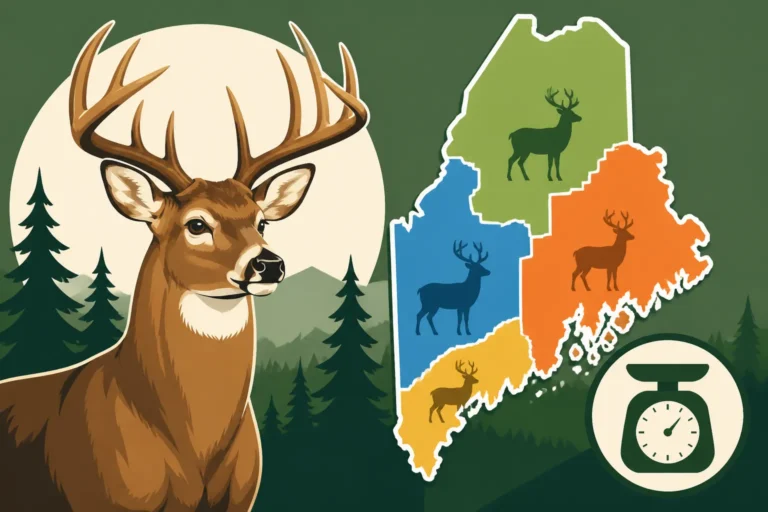
Maine's approach to managing its vibrant wild turkey population is highly localized and data-driven, primarily utilizing a Wildlife Management District (WMD) system. This nuanced approach allows the Department of Inland Fisheries and Wildlife (MDIFW) to tailor hunting regulations to the specific conditions and population health in different parts of the state.
Bag Limits and Season Structure by WMD
Instead of a one-size-fits-all approach, Maine implements varying bag limits and season structures for turkeys based on individual WMDs. This is a critical distinction and one that can sometimes confuse hunters new to the state or those who don't regularly check the regulations. For instance, some WMDs in southern and central Maine, where turkey populations are robust and widely distributed, may allow for a two-bearded-bird limit during the spring season and a more generous five-bird limit during the fall season. This reflects a healthy, expanding population that can sustain a higher harvest. Conversely, WMDs in the more remote or northern parts of the state, which might have lower turkey densities or more challenging winter conditions, often have more conservative limits, such as a one-bearded-bird spring limit or even closed fall seasons.
These varying regulations are not arbitrary; they are directly informed by population data, harvest reports, and biologist observations from each specific WMD. Hunters absolutely must consult the current year's hunting law book or the MDIFW website for the specific rules pertaining to the WMD they plan to hunt. Ignoring these WMD-specific regulations can lead to violations and is a disservice to the careful management efforts. The state outlines these limits clearly in Maine's WMD-Based Turkey Bag Limits, which are updated annually.
Data Collection and Surveys for Management Decisions
The success of Maine's WMD-based management hinges on robust data collection. MDIFW biologists are constantly gathering information to make informed decisions about season lengths, bag limits, and population health. This includes several key methods. First, mandatory registration of harvested birds provides crucial harvest data, allowing biologists to track success rates, overall harvest numbers, and the age and sex ratios of harvested turkeys within each WMD. This direct feedback from hunters is invaluable.
Second, MDIFW conducts annual brood surveys, often relying on citizen scientists and hunters to report sightings of hens with poults during the summer months. These surveys provide vital insights into nesting success and poult survival, which are direct indicators of future population trends. A strong poult-to-hen ratio in a given year bodes well for the next year's hunting prospects. Finally, field observations by biologists and game wardens, combined with public input, help to paint a comprehensive picture of turkey activity and distribution across the state. All of this data feeds into the decision-making process, ensuring that regulations are adaptive and biologically sound. For detailed information, check the official MDIFW sources for Maine Spring Turkey Permit Rules and Maine Fall Turkey Permit Rules before heading afield.
The Role of Technology in Understanding WMDs
In today's hunting world, technology plays a significant role in helping hunters navigate and understand WMDs, thereby aiding in responsible hunting and indirectly supporting management efforts. Mapping applications and online platforms have become indispensable tools. Services like GoHunt allow hunters to visually overlay WMD boundaries onto detailed topographical maps, satellite imagery, and even property ownership data. This capability is invaluable for knowing exactly which WMD you are in, especially when hunting near boundary lines, and for quickly referencing the specific regulations for that area.
Furthermore, these platforms can help hunters identify prime turkey habitat within specific WMDs by analyzing land cover types, identifying mature timber for roosting, or locating agricultural fields. By having access to such detailed information, hunters can make more informed decisions about where and how to hunt, which contributes to more accurate harvest reporting and a better overall understanding of local turkey populations. This technological assistance helps bridge the gap between broad WMD regulations and the on-the-ground realities of hunting.
How Hunters Can Contribute to Healthy Turkey Populations
As hunters, we're more than just participants in the annual harvest; we are vital stewards of Maine's wildlife. Our actions in the field and beyond have a direct impact on the health and future of our wild turkey populations.
Practicing Ethical and Responsible Hunting
At the core of conservation lies ethical and responsible hunting. This means knowing and strictly adhering to all hunting laws and regulations, including specific WMD bag limits and season dates. It means positive identification of your target, ensuring it's a legal bird and not a hen during the spring season unless specifically allowed. Ethical hunting also involves making clean, humane shots and making every effort to recover any bird you hit. These practices minimize waste and prevent unnecessary suffering. Hunters who take the time to learn skills like Calling an Early May Gobbler Off the Roost and understanding turkey behavior are often more successful and more ethical in their pursuits.
Beyond the shot, it means respecting private property, always asking permission if required, and leaving no trace behind. When we demonstrate respect for the land, wildlife, and landowners, we build goodwill and ensure continued access for future generations. Ethical hunting is not just about legality; it's about our personal responsibility to the resource and the image of hunting as a whole.
Diligent Harvest Reporting
This might seem like a minor detail, but reporting your harvest is absolutely crucial for sound wildlife management. Every single turkey you tag and register provides valuable data to MDIFW biologists. This information, combined with thousands of other reports, helps paint a clear picture of localized population health, success rates, and overall harvest numbers within each WMD. Without accurate harvest data, biologists are essentially flying blind when it comes to setting future season structures and bag limits.
Maine makes it relatively easy to register your bird, often through online portals or designated check stations. It's a fundamental part of the hunting privilege and a direct contribution to conservation. Don't think of it as a chore; view it as your part in ensuring that Maine's turkey populations remain healthy and huntable for years to come. This data directly informs management strategies, including those for Hunting a Two-Bird Spring WMD or a Hunting a Five-Bird Fall Turkey District.
Participating in Habitat Improvement Efforts
While MDIFW and large land trusts do extensive habitat work, individual hunters and small groups can also make a difference on a local scale. This doesn't necessarily mean buying a bulldozer; it could be as simple as working with a landowner to maintain field edges, plant native forage species, or clear invasive plants that choke out beneficial vegetation. Consider joining local conservation groups or organizations that focus on habitat restoration.
Even small-scale efforts, like creating brush piles for cover, planting a few acres of winter food plots, or managing woodlots to create diverse forest age classes, can create pockets of exceptional turkey habitat. Using mapping tools from companies like GoHunt can help you identify areas with potential for habitat improvement and visualize how changes might impact turkey movement and foraging. These actions directly enhance the local environment for turkeys, providing better food, cover, and nesting opportunities, and ultimately bolstering the population one small area at a time.
Future Outlook for Maine's Wild Turkeys
Maine's wild turkeys have an incredible success story, but like all wildlife, their future isn't without its challenges. By understanding these, we can continue to be proactive in our conservation efforts.
Emerging Challenges and Concerns
While the overall trend for Maine's turkey population has been positive, there are always emerging challenges to keep an eye on. Habitat fragmentation due to continued development, particularly in southern and coastal regions, remains a persistent concern. As more land is developed, the large, contiguous blocks of forest and farmland that turkeys thrive in become smaller and more isolated. This can lead to increased human-wildlife conflict, reduced genetic diversity in localized populations, and greater vulnerability to disease spread if birds are forced into tighter concentrations.
Climate change also presents a potential long-term challenge. Milder winters might seem beneficial at first, but they can also lead to increased parasite loads (like winter ticks affecting other cervids), changes in mast crop production, and shifts in predator-prey dynamics. Conversely, more extreme weather events, such as unusually wet and cold springs, could negatively impact poult survival, leading to dips in recruitment. Disease emergence and spread, especially in the context of changing climate and habitat, is another factor that wildlife managers continually monitor.
Ongoing Conservation Efforts and Research
Thankfully, the MDIFW and various conservation partners are not resting on past successes. Ongoing conservation efforts are crucial for maintaining healthy turkey populations. This includes continued monitoring through harvest data analysis, brood surveys, and opportunistic observations to track population trends across all WMDs. Research into turkey habitat use, predator interactions, and disease prevalence helps inform management decisions and ensures that regulations are adaptive to current conditions.
Furthermore, land acquisition and habitat improvement projects continue to play a vital role. Protecting large tracts of forested land, encouraging sustainable forestry practices that benefit turkeys, and working with private landowners to enhance habitat on their property are ongoing priorities. Public education campaigns also aim to inform residents about living with wildlife and the importance of ethical practices, whether hunting or simply observing. These efforts ensure that the success story of Maine's wild turkeys continues well into the future.
The Role of IDIFW and Hunter Participation
The Maine Department of Inland Fisheries and Wildlife (MDIFW) remains the primary agency responsible for the stewardship of our wild turkey resource. Their biologists and game wardens are on the front lines, conducting research, enforcing regulations, and making critical management decisions. Their expertise is invaluable in navigating the complexities of wildlife populations. However, they cannot do it alone.
The continued participation of hunters is paramount. By purchasing licenses and permits, hunters provide essential funding for MDIFW's conservation programs. By responsibly harvesting birds, diligently reporting their success, and engaging in ethical practices, hunters become active partners in management. The passion and commitment of Maine's hunting community, coupled with the scientific expertise of MDIFW, form a powerful alliance dedicated to ensuring that the thunderous gobble of a wild turkey will echo through Maine's woods for generations to come. Whether you're trying Run-and-Gun Turkey Tactics on Private Land or simply observing from afar, every connection with these birds is a reminder of their remarkable journey.
Maine Turkey Management Snapshot by WMD
To help visualize some of the regional differences we've discussed, here's a simplified look at how some typical WMDs might compare under Maine's management framework. Remember, specific regulations can change annually, so always check the latest MDIFW rulebook!
| WMD | General Location | Estimated Turkey Density | Spring Bag Limit (Bearded Birds) | Fall Bag Limit (Either Sex) | Typical Habitat |
|---|---|---|---|---|---|
| WMD 17 | Southern Maine (e.g., Cumberland/York) | High | 2 | 5 | Mixed hardwoods, agriculture, suburban woodlots |
| WMD 23 | Central Maine (e.g., Kennebec/Waldo) | High to Moderate | 2 | 5 | Mixed hardwoods, extensive agriculture |
| WMD 20 | Downeast Coastal Maine | Moderate | 2 | 1 | Mixed forests, coastal influence, blueberry barrens |
| WMD 6 | North Central Maine (e.g., Piscataquis) | Low to Moderate | 1 | Closed | Large timber tracts, limited agriculture |
| WMD 3 | Aroostook County | Low | 1 | Closed | Forested, potato fields, harsher winters |
This table provides a generalized view. The MDIFW website, and resources like GoHunt, offer the most up-to-date and granular information to plan your hunt effectively.
Disclaimer
Please note that hunting regulations, season dates, and WMD boundaries are subject to change by the Maine Department of Inland Fisheries and Wildlife (MDIFW). Always consult the most current official MDIFW hunting law book or their website before planning any hunting activities. This guide provides general information and should not be considered a substitute for official legal documentation.