Maine Fisher Trapping Trends
Maine's wild landscapes offer some incredible opportunities for those who appreciate the challenge and tradition of furbearer trapping. However, navigating the nuances of species like the fisher, with its elusive nature and specific habitat requirements, can be a real learning curve. This guide is here to shed light on the compelling story of fisher populations and the intricate trends that shape trapping efforts in the Pine Tree State, giving you a clearer picture of what to expect on your trapline.
Understanding Maine's Fisher Population
Fishers, those sleek, swift members of the weasel family, are truly fascinating creatures of the Maine woods. They embody resilience, having faced historical challenges and made a remarkable comeback in many parts of the state. Understanding their journey and where they thrive is fundamental to any trapper hoping to pursue them successfully.
The Resilient Comeback of the Fisher
Not so long ago, fishers were a much rarer sight in Maine. Like many furbearers, they faced significant pressure from unregulated trapping in the past and habitat loss as Maine's forests were heavily logged and cleared for agriculture. There was a time when sighting a fisher was an almost unheard-of event in many areas, and their populations were severely depressed across much of their historical range. It’s a testament to good wildlife management practices and the incredible adaptability of these animals that we see them as widespread as they are today. Conservation efforts, including regulated trapping seasons and careful habitat management, played a crucial role in allowing their numbers to rebound, enabling them to reclaim their rightful place in the ecosystem. This comeback story is a source of pride for many Mainers, showcasing how wildlife and human activity can coexist and even thrive with responsible stewardship.
Current Population Estimates and Distribution
Today, fishers are well-established throughout much of Maine, particularly in areas with extensive forests and mixed woodlands. They prefer mature forests with a dense canopy, often interspersed with younger growth that provides good cover and prey. You'll find them widely distributed from the deep woods of northern Maine, where vast timberlands provide ideal conditions, down into the more fragmented but still wilder landscapes of central and even some southern regions. While they are known for their preference for continuous forest, they are also quite adaptable and can be found in smaller woodlots and riparian zones closer to human habitation, as long as adequate prey like snowshoe hare, squirrels, and small rodents are present. Their distribution isn't uniform; some areas boast higher densities than others, often correlating with large tracts of unbroken forest and less human disturbance. Agencies actively monitor these populations through various surveys and harvest data, keeping a close eye on their health and numbers. Knowing these distribution patterns is key to Scouting With the Maine Hunting App or other tools to identify promising trapping locations.
Maine's Fisher Trapping Regulations and Seasons
Trapping fishers in Maine requires a thorough understanding of the state's regulations. These rules are put in place not just for safety but, more importantly, to ensure the long-term health and sustainability of the fisher population. It's not enough to just know how to trap; you absolutely must know the rules that govern your actions.
Key Regulations for Fisher Trappers
Anyone looking to set a trapline for fishers in Maine must first possess the appropriate licenses. This typically includes a general trapping license, and there might be additional permits or certifications required. Always consult the most current Maine Department of Inland Fisheries and Wildlife (MDIFW) regulations, as they can change annually. The season dates for fisher trapping are strictly defined and generally fall within the late fall and early winter months, aiming to coincide with prime fur conditions and minimize impact on breeding cycles. These dates can also vary by Wildlife Management District (WMD), so paying close attention to your specific location is critical.
Bag limits are another crucial aspect. Maine imposes limits on the number of fishers an individual trapper can harvest during a season. This ensures that harvest levels remain sustainable and prevents over-trapping in any given area. Furthermore, there are strict rules regarding trap types, sizes, and setting methods designed to be humane and to minimize the incidental capture of non-target species. For instance, specific trap dimensions, pan tension requirements, and setback distances from public ways or dwellings are common. You'll also need to understand carcass tagging and registration requirements, which are vital for accurate data collection by wildlife biologists. This comprehensive framework of rules is essential for those learning Maine Trapping License Requirements and preparing for the season.
Ethical Trapping Practices and Equipment
Ethical trapping goes beyond just following the law; it's about minimizing animal stress and ensuring a quick, humane dispatch. For fishers, this often means using body-gripping traps (like Conibear-style traps) that are appropriately sized and set to achieve a clean, efficient kill. Traps must be checked regularly, typically every 24 hours, to prevent prolonged suffering and to retrieve fur in prime condition. Proper trap placement is also key—setting traps in cubby sets or boxes helps to direct the animal's approach and can reduce the chances of catching non-target species.
Choosing the right equipment is paramount. Durable traps, strong anchors, and reliable setting tools are non-negotiable. Trappers often use specific baits and lures tailored to attract fishers, which can include various meat scraps, commercial lures, or even certain sweet scents. Learning to identify fisher tracks and sign, understanding their travel corridors, and recognizing prime habitat are all part of becoming an effective and ethical trapper. Many experienced trappers rely on resources like GoHunt to scout potential areas, looking at topographical features and habitat types that fishers are known to frequent. This commitment to ethical practice not only ensures the welfare of the animals but also upholds the integrity of the trapping tradition. For more on this, you might check out Running a Trapline in Rural Maine.
Analyzing Fisher Trapping Trends in Maine
Understanding the trends in fisher trapping means looking at both historical data and the dynamic factors that influence success on the trapline today. It's a complex interplay of biology, economics, and human effort.
Historical Harvest Data and Trends
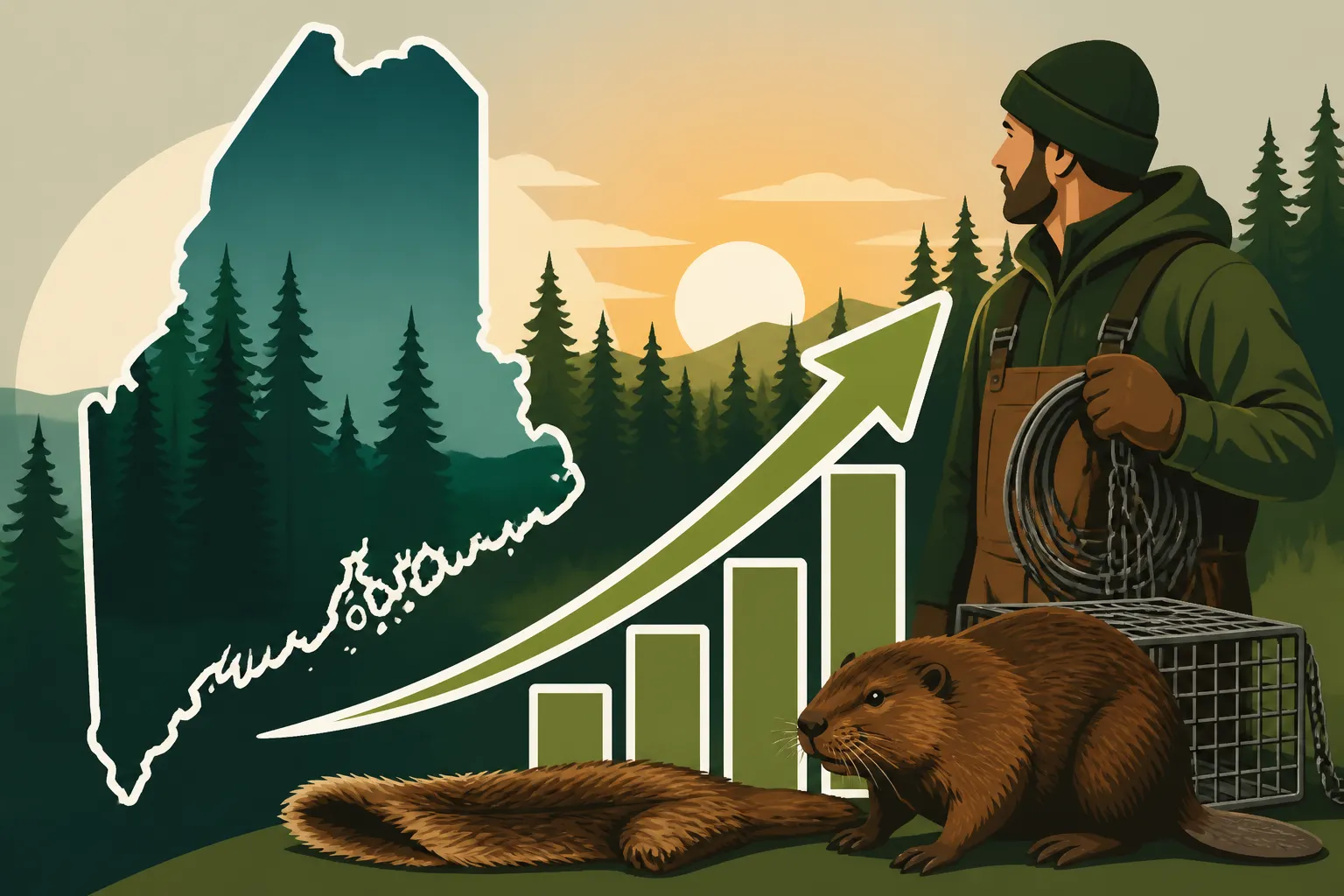
Maine has a long history of furbearer trapping, and fisher harvests have seen their ups and downs over the decades. In the past, harvest numbers might have been lower due to depressed populations, as discussed earlier. As populations rebounded with improved management, harvest numbers generally increased, reflecting a healthier and more widespread fisher presence. These trends are carefully monitored by the MDIFW, which collects data from mandatory registration of harvested animals. This data helps wildlife biologists track population health, assess the impact of trapping, and make informed decisions about future regulations. For example, a spike in harvest in a particular region might indicate a robust local population, while a consistent decline could signal a need for closer examination.
Historically, the value of fisher fur also played a significant role. Higher fur prices often led to increased trapper effort, which, if not properly regulated, could put undue pressure on populations. Conversely, low fur prices might reduce trapper interest, even if populations are high. This economic factor is a constant influence on trapping trends, though modern management aims to decouple population health from pure market forces by setting conservative bag limits and season lengths. This long-term perspective is vital for sustainable Trapping Maine Furbearers.
Factors Influencing Modern Trapping Success
Today, several factors converge to influence fisher trapping success in Maine. Firstly, population density is paramount. You simply won't catch fishers where they aren't abundant. Habitat quality, including the availability of prey and suitable denning sites, directly impacts these densities. Areas with healthy populations of snowshoe hare and red squirrels, for example, tend to support more fishers. Digital tools and apps, including those found on platforms like GoHunt, can be incredibly useful for trappers to assess habitat before heading out, identifying promising areas by analyzing forest types, elevation changes, and proximity to water.
Weather patterns also play a significant role. A winter with deep, persistent snow can make travel more difficult for both fishers and trappers. While fishers are adapted to snow, very deep, fluffy snow can reduce their hunting efficiency, and it certainly makes setting and checking traps a much harder chore for trappers. Conversely, mild winters might mean fishers are more active and easier to target. Trapper effort is another key variable; the more trappers actively setting lines, and the more experienced they are, the higher the potential harvest. Finally, fur prices, while less of a primary driver than in the past, still influence how many trappers are out and how much effort they put in. A strong market can energize the trapping community, while a weak one can see trapper numbers dwindle, leading to a natural fluctuation in harvest data even if populations remain stable. These dynamics make Maine furbearer trapping trends a constantly evolving picture.
The Role of Fisher Trapping in Wildlife Management
Trapping, when done responsibly and scientifically, is far more than just a recreational pursuit or a means of harvesting fur. It's a critical tool in modern wildlife management, and fisher trapping in Maine is no exception. It serves to maintain ecological balance and provides valuable data for conservation efforts.
Balancing Conservation and Sustainable Harvest
The MDIFW uses trapping as a key component of its furbearer management strategy. Regulated seasons and bag limits are carefully designed to ensure that the annual harvest does not negatively impact the long-term viability of the fisher population. This isn't just about ensuring there are always fishers to trap; it's about maintaining a healthy, balanced ecosystem. Fishers, as predators, play a role in regulating populations of smaller prey animals. A healthy fisher population contributes to overall forest health.
The data collected from registered harvests – including location, sex, and age when possible – provides biologists with crucial insights into population trends, reproductive success, and overall health. This information is invaluable for detecting any potential issues early and for adapting management strategies as needed. For example, if harvest data consistently shows a decline in younger animals, it might indicate issues with reproduction or juvenile survival, prompting further research. This careful balance between allowing sustainable harvest and ensuring the conservation of the species is a cornerstone of Maine's approach. This also ties into broader efforts like Maine Wildlife Disease Monitoring Program, ensuring all furbearer populations remain robust.
The Future of Fisher Trapping in Maine
The future of fisher trapping in Maine looks stable, thanks to robust populations and a commitment to science-based management. Wildlife agencies continue to monitor populations closely, adapting regulations as new data emerges or environmental conditions change. As habitat continues to evolve due to forestry practices and development, trappers and biologists will need to remain vigilant. The ongoing challenge will be to ensure that these valuable furbearers continue to thrive in a changing landscape, providing opportunities for both their ecological role and for sustainable harvest.
There’s also an important educational component. New trappers need to be well-versed in ethical practices, regulations, and species identification. Organizations and the MDIFW offer educational programs to ensure the tradition of trapping is passed down responsibly. As more people explore the outdoors, resources like GoHunt also play a part in informing and educating individuals about wildlife, helping foster a greater appreciation for species like the fisher. Keeping the lines of communication open between trappers, landowners, and wildlife managers ensures a collaborative approach to the future.
To give you a snapshot of historical trends, here's an illustrative example of what annual fisher harvest data might look like in Maine over a few representative years, reflecting the kind of information state wildlife agencies track for management purposes:
| Year | Registered Fisher Harvest | Average Pelt Price (Illustrative) | Management Notes |
|---|---|---|---|
| 2018 | 1,250 | Moderate | Stable population, good season |
| 2019 | 1,180 | Lower | Slight decrease in effort due to fur prices |
| 2020 | 1,320 | Moderate | Strong year, good snow conditions |
| 2021 | 1,090 | Lower | Reduced effort, local fluctuations |
| 2022 | 1,280 | Moderate | Population robust, steady harvest |
This table illustrates how factors like trapper effort (influenced by fur prices) and environmental conditions can lead to variations in harvest, even with a stable underlying population. This kind of data helps in assessing Maine Fisher Trapping Trends over time.
Disclaimer
This article is for general informational purposes only and does not constitute professional advice. Laws, prices and regulations vary by location and change over time. Consult a qualified professional for guidance on your specific situation.