Why Maine Is a Woodcock Migration Corridor
There's nothing quite like the rush of a timberdoodle busting out of thick cover, a whir of wings and a zigzag flight that challenges even the most seasoned scattergunner. For many of us who cherish upland bird hunting, the American woodcock holds a special place, and if you've spent any time chasing them, you know Maine is often the destination. This guide is all about unraveling the mystery behind why our beautiful state serves as such a critical migration corridor for these enigmatic birds, and what that means for hunters hoping to intercept them.
The Allure of the Timberdoodle's Journey Through Maine
The woodcock is a fascinating creature, often referred to as the "ghost of the alder run" due to its uncanny ability to blend into its surroundings. Their annual migration is a grand affair, moving from northern breeding grounds to southern wintering areas, and Maine sits squarely in the sweet spot for a significant portion of this journey. It's more than just a stopping point; it's a funnel, a temporary home, and a crucial fueling station.
Understanding Woodcock Migration Patterns
Woodcock migration is largely driven by temperature and the availability of soft, moist earth for probing their long bills into for earthworms, their primary food source. As the northern reaches begin to freeze in the fall, these birds instinctively head south. They travel at night, often flying low, and during the day, they rest and feed, replenishing their energy stores. This stop-and-go pattern means that a prime piece of habitat can be empty one day and crawling with birds the next, making the pursuit a thrilling game of timing and location. The timing can vary slightly each year based on weather, but generally, the movement begins in earnest once the first hard frosts hit the northern forests, prompting the birds to push towards milder climates.
The Atlantic Flyway and Maine's Strategic Position
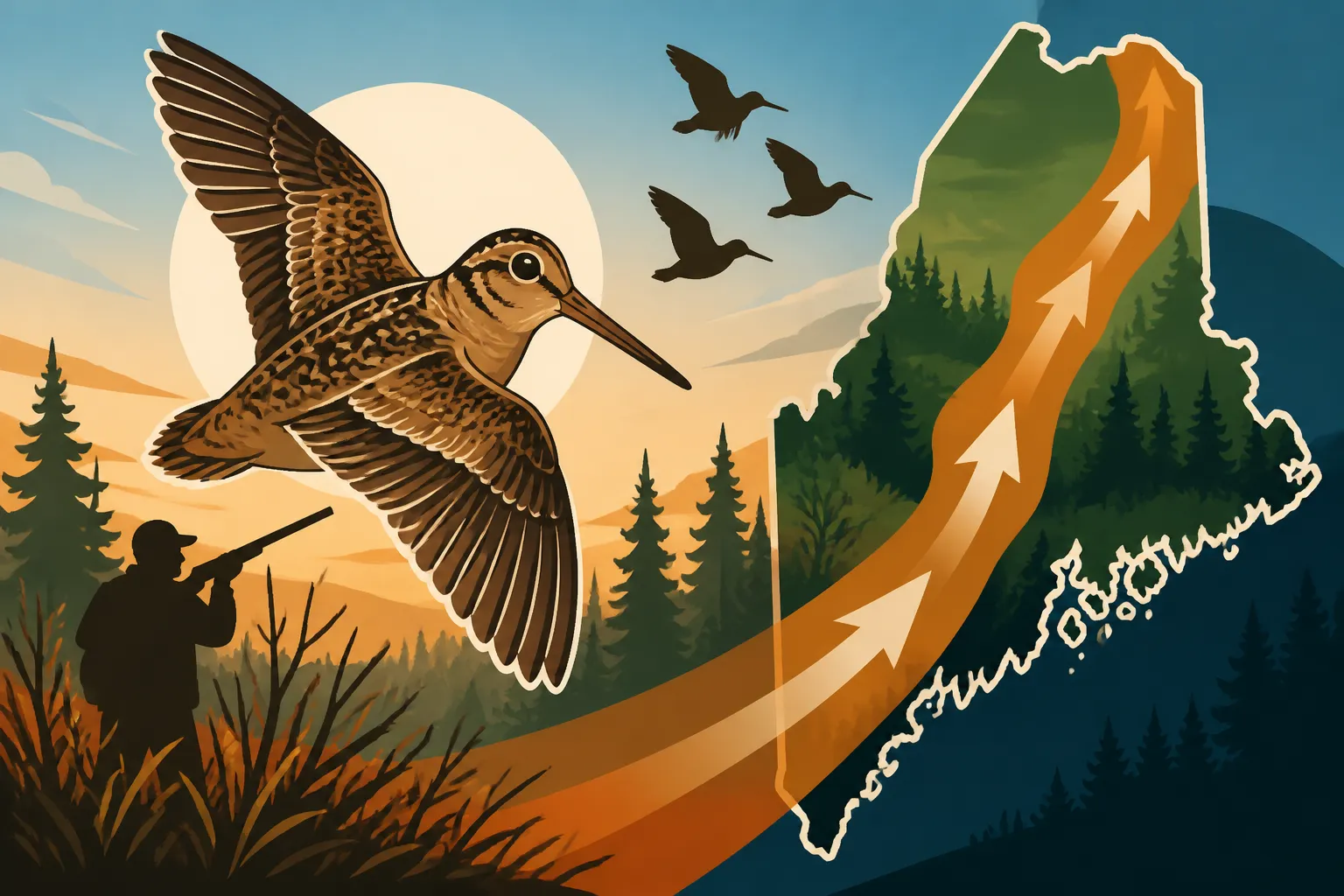
Maine is a vital segment of the Atlantic Flyway, one of North America's major bird migration routes. Imagine a vast highway stretching from Canada down to the Gulf Coast, and Maine is a bustling service plaza right at the beginning of the journey for many species. For woodcock, specifically, our state's varied topography and extensive forest cover provide exactly what they need before making longer flights over less hospitable landscapes. They don't just pass over Maine; they pass through it, utilizing the abundant resources our state offers. This strategic position ensures that a significant portion of the total woodcock population will traverse Maine at some point during their fall southern migration, presenting incredible opportunities for hunters. It's truly a marvel to witness, and for those interested in the broader picture, understanding Maine's place on the Atlantic Flyway can enrich any hunting experience.
Prime Habitat: What Makes Maine a Woodcock Magnet?
You can have all the right migration patterns, but without the right habitat on the ground, the birds won't stick around. Maine truly shines in this regard, offering an abundance of exactly what woodcock crave: dense, young cover, moist soil, and plenty of earthworms. It's a combination that's becoming increasingly rare in some parts of the country, making Maine's role even more critical.
The Ideal Mix of Cover and Food Sources
Woodcock are creatures of the thicket. They need dense, young forest growth – places like regenerating clear-cuts, old apple orchards gone wild, and especially alder swales along streams and rivers. This isn't just for hiding from predators; it's also where their preferred food, earthworms, thrive in the rich, moist soil. The structure of these young forests, often characterized by a dense understory of alders, dogwoods, and saplings, provides both vertical and horizontal cover, allowing the birds to feel secure while they forage. They also benefit from the diverse insect life found in these areas, complementing their worm-heavy diet. If you've ever found yourself busting through a thick stand of alders, you know you're in prime woodcock country, making it essential to understand what exactly you're looking for when scouting or even just reading a map.
Water Availability and Soil Conditions
The key to woodcock habitat often boils down to water and soil. These birds absolutely require moist, pliable soil that allows them to effortlessly probe for earthworms. Areas with a high water table, such as floodplains, stream bottoms, and swamp edges, are gold mines. The constant moisture keeps the soil soft and the earthworm populations booming. You'll rarely find woodcock in dry, sandy uplands, for example. Look for areas where the ground feels spongy underfoot, or where you see sedges and other water-loving vegetation. The soil itself also matters; rich, loamy soils tend to support healthier earthworm populations than acidic, nutrient-poor soils. This combination of readily available water and fertile ground ensures a continuous buffet for migrating woodcock, allowing them to rest and refuel effectively.
Navigating Maine's Diverse Woodcock Terrain
One of the great joys of hunting woodcock in Maine is the sheer diversity of landscapes they inhabit. From the remote North Woods to the more settled southern regions, there's woodcock cover to be found, each offering its own unique challenge and charm. Knowing where to look and what type of cover to expect can drastically improve your chances of finding birds. Many hunters rely on tools like GoHunt or similar mapping applications to identify these varied terrain types before they even step foot in the woods, helping them narrow down promising areas.
River Bottoms and Alder Runs
Perhaps the quintessential woodcock habitat in Maine, river bottoms and alder runs are where many hunters focus their efforts. These areas, particularly those along smaller streams and brooks, offer a perfect confluence of moist soil and dense cover. The alders often form impenetrable thickets, creating challenging but rewarding shooting opportunities. When you're Grouse Hunting Maine Alder Runs, you're often in prime woodcock territory too. These linear strips of habitat act like natural highways for migrating birds, guiding them through the landscape. The cool, damp environment beneath the alder canopy keeps the ground soft, ensuring a plentiful supply of earthworms. Often, you'll find these runs winding through otherwise mature timber, making them distinct pockets of habitat.
Young Forest Growth and Abandoned Farmland
Beyond the river bottoms, Maine's extensive commercial timberlands and history of farming provide vast tracts of young forest growth and abandoned agricultural fields that have reverted to brush. Clearcuts, typically 3-10 years old, with their dense regeneration of aspen, birch, and various shrubs, are absolute woodcock magnets. These areas, especially if they have some underlying moisture, can hold an incredible number of birds. Similarly, old farms where fields have grown up into dense tangles of apple trees, sumac, and young conifers offer similar appeal. The diverse mix of cover, edge habitat, and often richer soils from previous cultivation creates ideal conditions for woodcock to feed and roost. Hunting these areas often means traversing tougher terrain, but the reward of flushing multiple birds from a single thicket is well worth the effort. Consider exploring Maine Public Reserved Land Explained or other state and federal lands, as many are actively managed to promote this type of early successional habitat.
The Hunter's Advantage: Timing Your Maine Woodcock Pursuit
Timing is everything when it comes to woodcock hunting in Maine. Because a significant portion of the birds you encounter will be migrants, their presence is fleeting. Hitting the woods during the right window can mean the difference between a few flushes and an unforgettable day. It's a game of paying attention to weather patterns, temperature drops, and local reports, often shared through hunter networks.
Early Season: Resident Birds and First Arrivals
When Maine's small game season opens, you'll initially be hunting primarily resident woodcock. These are the birds that hatched and spent their summer in Maine. They're often found in familiar local coverts, and while they may not be as numerous as during peak migration, they offer a great opportunity to get your dog on birds and knock the dust off your shotgun. As the calendar progresses into late September and early October, you'll start to see the first waves of migrating birds, pushed south by colder weather further north. These early migrants often supplement the resident populations, increasing the bird count in prime areas. This is a good time to visit your favorite local spots and start looking for those tell-tale splashes of white on the forest floor – the sure sign of a woodcock's feeding activity.
Peak Migration: The "Flight" Birds Arrive
The magic truly happens when the "flight" birds arrive. This is the period, typically from mid-October through early November, when major cold fronts sweep down from Canada, pushing vast numbers of woodcock ahead of them. A covert that held a few birds one day can be brimming with dozens the next. These flight birds are often less wary than local residents, having just completed a long leg of their journey and being focused on feeding. This is the time when you might experience multiple flushes from a single small patch of cover. Many hunters will monitor weather maps and use mapping apps like GoHunt, which can sometimes integrate real-time weather and even bird sighting reports to help predict these major movements. Success during peak migration isn't just about finding good habitat; it's about being in that habitat at precisely the right time to intercept these traveling flocks. When the flight is on, the hunting for American Woodcock in Maine can be truly spectacular.
Conservation Efforts and Sustainable Hunting in Maine
While the thrill of the hunt is undeniable, it's crucial to remember our responsibility to the resource. Maine's reputation as a woodcock corridor is not just about geography; it's also about a commitment to conservation and sustainable hunting practices. We want future generations to experience the same excitement of chasing these unique birds. The Maine Woodcock Singing Ground Surveys are a critical part of how we monitor the population.
Importance of Habitat Management
The availability of suitable habitat is the single most important factor for woodcock populations. Because they rely so heavily on young, regenerating forests, active forest management is vital. This often means carefully planned timber harvests that create the necessary early successional habitat. Without these disturbances, forests mature, and the dense understory woodcock require disappears. Landowners, timber companies, and state agencies all play a role in creating and maintaining these critical areas. Programs that incentivize or promote "young forest" initiatives are incredibly important for ensuring that Maine continues to offer prime habitat for woodcock throughout their migration. Every bit of thoughtful habitat work helps sustain healthy woodcock populations, and in turn, the rich tradition of Upland Bird and Small Game Hunting in Maine.
Maine's Role in Woodcock Research and Monitoring
Maine is an active participant in regional and national efforts to monitor woodcock populations. Through initiatives like the singing-ground surveys conducted each spring, biologists track population trends, breeding success, and overall bird health. Hunter harvest data, which can be reviewed by looking at Maine Woodcock Harvest Numbers, also provides valuable insights. This ongoing research helps ensure that hunting regulations, such as bag limits and season lengths (outlined in the Maine Small Game Season Rules), are set at sustainable levels. It's a collaborative effort between wildlife agencies, researchers, and hunters to ensure that woodcock continue to thrive and utilize Maine as a vital migration corridor for years to come. Hunters also contribute by participating in voluntary banding programs and reporting their harvest accurately, providing crucial data for conservation. Remember to always make sure you have your Maine HIP Certification for Bird Hunters if you plan to target woodcock.
Disclaimer
This article is for general informational purposes only and does not constitute professional advice. Laws, prices and regulations vary by location and change over time. Consult a qualified professional for guidance on your specific situation.