White-Tailed Deer Across Maine
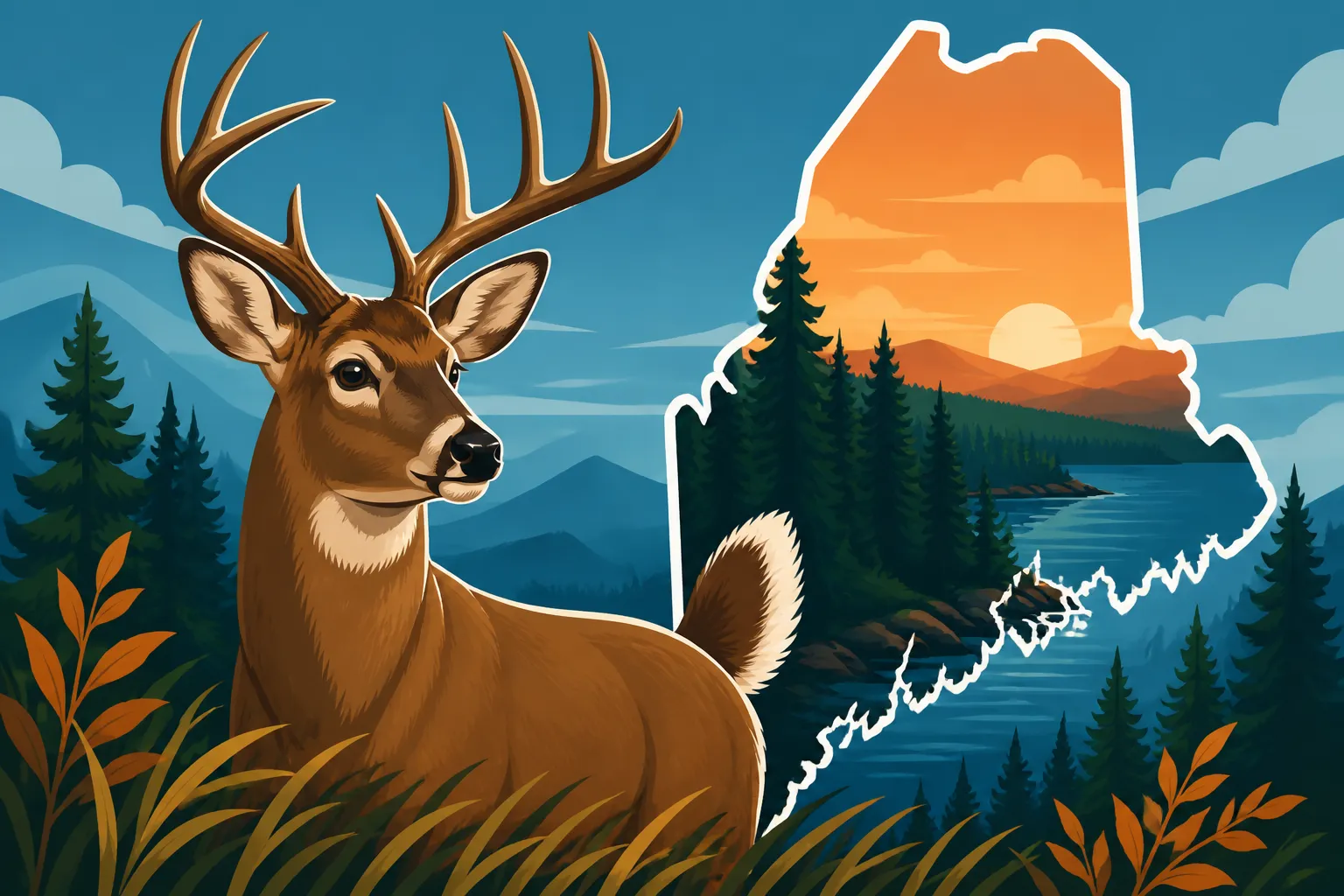
Navigating the vastness of Maine for white-tailed deer can feel like a daunting task, whether you're a seasoned local or a hopeful nonresident. The sheer diversity of habitat, from the rugged North Woods to the agricultural fields of Aroostook, presents unique challenges and opportunities that can leave even experienced hunters scratching their heads. This guide aims to demystify the Maine whitetail, offering a deep dive into their habits, habitats, and how you can successfully pursue them across our beautiful state.
The Enduring Presence of Maine's White-Tailed Deer
For many, the white-tailed deer is the very heart of the Maine hunting experience. It's not just about the meat in the freezer or the antlers on the wall; it's about the connection to the land, the crisp autumn air, and the tradition passed down through generations. While our deer herd faces unique challenges compared to states further south, they are resilient and abundant in many areas. Understanding their population dynamics is the first step to successful hunting.
Historical Population Trends and Resilience
Maine's deer population has always been subject to the whims of its harsh winters. Unlike states with milder climates, deer here historically experienced significant fluctuations, often dictated by snow depth and prolonged cold. In the early 20th century, uncontrolled hunting and habitat changes had an impact, but conservation efforts, including regulated seasons and habitat management, helped populations rebound. Even with these successes, the northern reaches of the state historically struggled to maintain high deer densities due to deep snow and limited winter forage, a challenge that persists. However, deer are incredibly adaptable, and their numbers have generally trended upwards in central and southern Maine over recent decades.
Today, the Maine Deer Herd Size is a topic of constant discussion among hunters and wildlife biologists alike. The Maine Department of Inland Fisheries & Wildlife (MDIFW) works tirelessly to manage the herd, balancing hunter opportunity with deer health and population goals. Their scientific approach helps ensure a sustainable resource for future generations, even as the landscape continues to evolve with development and changing forest practices. It's a testament to the resilience of these animals and the dedication of those who care about them that deer continue to thrive in much of the state, providing incredible hunting opportunities.
Regional Differences in Deer Density
When we talk about white-tailed deer in Maine, it's crucial to understand that it's not a monolithic population. The state is vast, and deer densities vary dramatically from the heavily timbered, sparse forests of the unorganized territories to the more fragmented, agricultural, and suburban landscapes of southern Maine. You simply won't find the same numbers of deer per square mile in northern Aroostook County as you will in, say, central Kennebec County or coastal York County.
The reason for these discrepancies often comes down to winter severity and habitat quality. The deep snow that frequently blankets northern Maine severely limits deer mobility and access to food, leading to higher winter mortality, especially for fawns and older deer. This is precisely Why Deep Snow Limits Northern Maine Deer. Conversely, southern and central Maine benefit from milder winters, more diverse agricultural food sources, and less expansive, unbroken forest, leading to higher deer densities and often, larger-bodied animals. Aroostook County, while famous for its potato fields and vast woods, presents a unique mix; the agricultural belts can hold strong deer numbers, but the surrounding big timber tends to have lower densities than comparable areas further south. Understanding these regional variations is key to adjusting your expectations and hunting strategies, ensuring you're targeting areas where deer have the best chance to thrive.
Prime Habitat and Preferred Cover for Maine Whitetails
Deer, like any wildlife, are products of their environment. In Maine, their survival hinges on finding the right mix of food, cover, and water, all within a reasonable distance. The landscape here offers a tremendous variety of terrain, and understanding where deer prefer to bed, feed, and travel can make all the difference in your hunting success.
The Importance of Deer Wintering Yards
Winter is the crucible for Maine's deer herd, and nowhere is this more evident than in the critical role of deer wintering yards, often called "deer yards" or "cedar swamps." These aren't just random patches of woods; they are specific areas of dense coniferous growth, primarily cedar, spruce, and fir, that offer crucial thermal cover. The thick canopy intercepts snowfall, reducing snow depth on the forest floor, and the dense evergreens block wind, helping deer conserve precious energy during frigid temperatures. This makes deer yards absolute magnets for deer when the snow starts to pile up.
During the deep snows of late fall and winter, deer will migrate, sometimes many miles, to reach these sheltered havens. Once there, they'll often stay for the duration of winter, relying on what little browse they can find within the yard, primarily cedar, balsam fir, and other regenerating woody plants. Recognizing these critical areas on a map, or better yet, scouting them in person, is paramount for late-season hunting success. Understanding Maine Deer Wintering Yards Explained will help you identify these vital areas, especially when hunting the muzzleloader season into December. You'll find sign like compacted snow trails, heavy browsing on cedar saplings, and even beds packed down by multiple deer. It's a stark reminder of the harsh realities our deer face each winter and why these yards are so vital for their survival.
Diverse Landscapes: From Forests to Farmlands
Beyond the specific wintering grounds, Maine's deer utilize a vast array of habitats throughout the rest of the year. The traditional image of a deer in deep woods certainly holds true, but it's far from the only picture. In the vast North Maine Woods, deer are often found along the edges of clear-cuts, where regenerating forest provides abundant browse and cover. Mature hardwood ridges offer acorns and other mast crops in the fall, drawing deer away from evergreen thickets. Logging roads and old skidder trails act as natural travel corridors, connecting different feeding and bedding areas.
As you move south, the landscape changes, and so do the primary habitats. Agricultural fields, particularly corn, alfalfa, and even fallow ground, become major drawcards. Deer will bed in thick brush along field edges, using the cover for security during the day and slipping out into the fields to feed at night. River bottoms, with their rich soils and diverse vegetation, are also incredibly productive. Even in more populated areas, deer adapt to suburban woodlands and even larger backyards, utilizing thickets, wetlands, and small woodlots. Using tools like GoHunt can help you overlay satellite imagery with public and private land boundaries to identify these varied habitat types and pinpoint potential deer locations, whether it's a Hunting a Funnel Between Two Woodlots or a small, overlooked parcel of thick cover near a busy road. The key is to think like a deer: where can I eat, where can I hide, and how can I get between the two safely?
Understanding Maine Deer Behavior
Deer behavior is complex, influenced by everything from seasonal changes and food availability to hunting pressure and the presence of predators. To consistently find success in Maine, you need to be able to read the deer and anticipate their movements throughout the hunting season.
Seasonal Movement Patterns
Deer movements are largely dictated by the changing seasons in Maine. In spring and early summer, does are focused on fawning, often retreating to dense cover. Bucks are typically solitary or in small bachelor groups, growing their antlers and feeding heavily. As summer progresses into early fall, deer activity increases. They'll begin to shift their focus to prime food sources as they become available – think early apples, soft mast, and lush green fields. Their movements are generally more predictable, often following established trails between bedding and feeding areas.
As the leaves begin to turn and the first frosts arrive, deer movements intensify. This is the pre-rut, when bucks start to feel the urge to breed, scraping and rubbing trees. Come November, especially around the second and third weeks, the rut truly kicks in, and bucks become much more active during daylight hours, often chasing does. This period offers some of the best hunting opportunities, but it also means deer can be found in unexpected places. Finally, as winter sets in, deer transition to their wintering yards, and their movements become restricted, focused almost entirely on conserving energy within the confines of the yard. Each season demands a different approach, and understanding these shifts in behavior is paramount.
The Influence of the Rut and Winter Stress
The rut is undoubtedly the most exciting time for many deer hunters. In Maine, this intense breeding period generally peaks in early November, often coinciding with Maine's firearms season. During the rut, bucks, fueled by surging hormones, are constantly on the move, searching for receptive does. They will create scrape lines along logging roads and field edges, rub trees to mark their territory, and become less cautious, making them vulnerable to hunters. Chasing a doe, a buck might cross open fields in broad daylight or move through areas they'd normally avoid. This heightened activity makes calling, rattling, and decoying effective tactics, provided you're in the right place at the right time.
However, once the rut subsides, deer behavior rapidly shifts. The post-rut is a period of recovery, where deer, particularly bucks, are depleted of energy and focus on finding high-calorie food sources to rebuild reserves for winter. As winter deepens, the primary driver for all deer is survival. Energy conservation becomes paramount. This is when deer retreat to their wintering yards, minimizing movement to protect themselves from the cold and deep snow. Hunting during this late season requires a highly targeted approach, focusing squarely on these yarding areas and any reliable, calorie-rich food sources that remain accessible. It's a stark contrast to the frenetic pace of the rut, demanding patience and a deep understanding of winter deer survival strategies.
Key Food Sources for Maine Whitetails
Food is the fuel for deer, driving their movements, growth, and overall health. Knowing what Maine deer are eating and when they're eating it is like having a roadmap to their current location. The diversity of Maine's landscape offers a wide variety of food sources throughout the year.
Acorns, Apples, and Natural Browse
In the fall, there are few things that can pull deer like a reliable mast crop. Acorns, particularly from red oaks, are a major draw. Deer will travel significant distances to feast on a good acorn crop, packing on critical fat reserves before winter. Areas with mature oak stands can be incredibly productive hunting spots, especially in central and southern Maine. Similarly, wild apple trees, often remnants of old homesteads or neglected orchards, are absolute deer magnets. Deer will visit these trees religiously from late summer through the fall until all the apples are gone or covered by snow. Finding a productive Hunting a Standing Apple Orchard can be a goldmine, but be prepared for competition from other hunters and local wildlife.
Beyond these seasonal treats, deer constantly browse on a variety of woody plants and forbs. Regenerating clear-cuts and young forest stands provide an abundance of tender shoots and leaves, especially species like maple, birch, aspen, and various berry bushes. During winter, when other food sources are scarce, deer will rely heavily on the browse available within their wintering yards, such as cedar and balsam fir, though these are lower quality. Understanding the cycle of natural food availability means scouting before the season to identify which mast crops are producing well and where the freshest browse is growing.
Agricultural Crops and Food Plots
In Maine's agricultural regions, especially in Aroostook County, parts of central Maine, and river valleys, farm crops become a major component of the deer's diet. Cornfields, once the stalks turn brown, offer both food (the remaining kernels) and excellent cover. Deer will spend days bedding down in standing corn, only to emerge at night to feed. Potato fields, while not directly providing food, often have waste potatoes left after harvest, which deer will eagerly consume. Alfalfa, clover, and even winter wheat fields also draw deer, particularly in the early morning and late evening.
While large-scale agriculture dominates some regions, smaller, privately managed food plots also play a significant role. Hunters and landowners often plant plots of clover, brassicas, or winter rye to attract and hold deer. These plots can be particularly effective in areas with limited natural food sources or during the late season when other forage is gone. Identifying the location of these agricultural fields or privately managed plots, often by using scouting apps like GoHunt to analyze aerial photography and land ownership, can give you a significant advantage. Deer will often travel along fencerows or woodlot edges to access these calorie-rich food sources, creating predictable travel patterns that savvy hunters can exploit.
Effective Hunting Strategies for Maine Deer
Hunting Maine whitetails successfully requires a versatile toolkit of strategies, adaptable to the diverse terrain and conditions you'll encounter. There's no single "best" way to hunt, but rather a combination of tactics that can increase your odds.
Stand Hunting and Still Hunting
Stand hunting is a tried-and-true method that allows hunters to remain concealed and elevated, offering a wider field of view and keeping their scent above a deer's nose. This involves setting up a tree stand or ground blind in a strategic location – perhaps overlooking a known travel corridor, a pinch point between two woodlots, or near a prime food source like a Hunting a Standing Apple Orchard. The key is scouting extensively before the season to identify these high-traffic areas and potential ambush points. Often, stands are placed along active scrape lines or rub lines during the rut to intercept cruising bucks. Patience is paramount with stand hunting; often, the longer you sit, the better your chances. Being comfortable and quiet is crucial, especially during those long, cold Maine mornings.
Still-hunting, on the other hand, is a more active approach, where the hunter moves slowly and deliberately through the woods, pausing frequently to observe, listen, and glass for deer. This method is particularly effective in areas of varied terrain and dense cover, where deer might be bedded down or subtly moving. The advantage of still-hunting is that you cover more ground and can adapt to fresh sign you discover. It requires keen observation skills, a deep understanding of deer habits, and the ability to move silently, utilizing wind and thermals to your advantage. In the quiet, snow-dusted woods of late season, or the rustling leaves of early fall, still-hunting can be incredibly productive, allowing you to connect with deer that might never pass a stationary stand.
Tracking and Drives
When the first snows arrive in Maine, a whole new world of hunting opens up: tracking. There's something primal and deeply satisfying about following fresh deer tracks in the snow, learning to read the nuances of a deer's gait, speed, and behavior from its print. Tracking a Deer in Fresh Maine Snow allows a hunter to directly pursue a specific animal, often a large buck, by interpreting its movements. A good tracker understands that a consistent, deliberate stride often indicates a feeding or cruising deer, while a hurried, erratic track might mean the deer is alarmed. The goal is to follow the track until the deer beds down, then make a stealthy approach for a shot. This method demands patience, skill, and often, days of dedication.
Deer drives, while less common for solo hunters, can be incredibly effective in certain situations, especially with a group of three or four hunters. The basic premise is simple: one or more "drivers" walk through a specific block of cover, pushing deer towards "posters" positioned strategically to intercept the deer as they try to escape. This is a tactic often used in thicker cover or on private parcels where deer might be holed up. Deer Drives With Three or Four Hunters requires careful planning, clear communication, and a good understanding of how deer will react to pressure. It's not about running through the woods making noise, but rather a coordinated, often quiet, push to move deer in a predictable direction, giving the posters an ethical shot opportunity. This method is particularly popular during the firearms season and can be a great way to hunt thicker woodlots.
Regional Differences in Maine Deer Hunting
Maine's diverse geography means that hunting deer in Aroostook County is a vastly different experience than hunting near the coast or in the western mountains. Understanding these regional nuances is critical for planning a successful hunt.
North Woods vs. Southern Maine
The contrast between hunting the vast North Maine Woods and the more fragmented landscapes of southern Maine couldn't be starker. In the North Woods, you're dealing with vast tracts of timber company land, often accessed through gates and checkpoints, where deer densities are generally lower but the deer themselves tend to be less pressured and more truly wild. Here, hunters often cover immense areas, focusing on recent clear-cuts, logging road edges, and remote timber blocks. The sheer scale of the landscape means you might go days without seeing many deer, but when you do, it's often a mature, undisturbed animal. Success here often hinges on extensive scouting, a willingness to hike miles, and a deep understanding of how deer use regenerating forest. Hunting here is as much about the wilderness experience as it is about filling a tag.
Southern Maine, conversely, boasts higher deer densities, thanks to milder winters, a mix of agricultural land, suburban edges, and smaller woodlots. The deer here are often more accustomed to human activity, but they are also more pressured. Hunters in southern Maine often focus on smaller private parcels, relying on landowner permission (Hunting Small Private Tracts in Maine), or hunt public reserved lands and wildlife management areas. Tactics might involve hunting field edges, small woodlots, or funnel points between developed areas. While trophy bucks are certainly present, the challenge lies in navigating fragmented landscapes, managing hunting pressure, and often, getting permission to hunt prime ground. Identifying Best Maine WMDs for Big Bucks will often point towards these more moderate-climate regions.
Aroostook Farmland and Coastal Habitats
Aroostook County, often called "The County," presents its own unique blend of hunting challenges and opportunities. While the vast northern stretches fall into the "North Woods" category, the central and southern portions of Aroostook are dominated by expansive potato fields and other agriculture. Here, deer densities can be surprisingly high, with deer using the thick fencerows, small woodlots, and swamp edges for cover during the day, then moving into the fields to feed at night. Hunting these areas often involves sitting on field edges at dawn and dusk, or working woodlots adjacent to farmland. The key is to understand deer movement between bedding cover and feeding fields.
Along the Maine coast, deer face yet another unique environment. Dense spruce-fir thickets, salt marshes, and coastal islands provide distinctive habitat. Deer here are often smaller-bodied than their inland counterparts but can be incredibly elusive in the thick, coastal cover. Hunting downeast might involve still-hunting dense spruce stands or glassing blueberry barrens (Hunting Downeast Blueberry Barrens) during the early morning and late evening. The challenge is navigating the dense coastal vegetation and often, the fluctuating tides. These areas, while perhaps not known for producing the largest antlers, offer a truly unique and beautiful backdrop for a deer hunt, often with less pressure than some inland areas.
Maine Deer Health and Management Challenges
Maintaining a healthy deer herd is a constant balancing act, and Maine faces its own set of challenges, from environmental factors to disease concerns. Understanding these elements is crucial for anyone interested in the long-term sustainability of our deer population.
Winter Tick Impact and Predation
While Maine's deer herd is robust in many areas, harsh winters pose significant threats. The winter tick is a growing concern, particularly for moose, but also affecting deer. These parasites can heavily infest individual deer, leading to blood loss, lethargy, and in severe cases, death, especially for fawns and deer already weakened by winter. While not as devastating to deer as they are to moose, winter ticks are an ongoing management challenge, and biologists closely monitor their prevalence. A severe winter, coupled with high tick loads, can significantly impact deer survival rates.
Predation is another natural, but sometimes challenging, aspect of deer management. Eastern coyotes are the primary deer predators in Maine, particularly impacting fawns and older, weaker deer during winter. While coyotes play a natural role in the ecosystem, their population dynamics and impact on deer are a constant consideration for wildlife managers. Bears can also prey on fawns, though their impact is generally less significant than coyotes. MDIFW manages predator populations through regulated hunting and trapping seasons to help maintain a healthy balance within the ecosystem, ensuring that predator numbers don't disproportionately impact deer survival, especially in regions already struggling with severe winters.
Chronic Wasting Disease (CWD) Monitoring
One of the most significant threats to deer herds across North America is Chronic Wasting Disease (CWD), a fatal neurological disease affecting cervids. Thankfully, Maine has remained CWD-free, a status wildlife managers work diligently to maintain. Maine's CWD-Free Status Explained highlights the proactive measures taken to prevent its introduction and spread. These measures include strict regulations on importing cervids (deer, moose, elk, etc.) into the state, mandatory testing of hunter-harvested deer in certain scenarios, and surveillance programs.
Hunters play a vital role in this effort. If you harvest a deer that appears sick or exhibits unusual behavior, it's crucial to report it to MDIFW. Additionally, understanding and adhering to regulations regarding the transportation of deer carcasses from out-of-state hunts is paramount. For example, hunters bringing deer or moose meat from CWD-positive states must ensure that certain high-risk parts (brain, spinal cord, etc.) are removed before entering Maine. This vigilance helps protect our native deer herd from a disease that could decimate populations and dramatically alter hunting traditions. Using resources like GoHunt can sometimes provide updates or alerts on CWD zones or testing requirements in surrounding states, helping Maine hunters remain informed and compliant.
Trophy Potential and Maine's Record Books
For many, the pursuit of a large-antlered buck is the pinnacle of deer hunting. Maine, with its rugged wilderness and diverse habitats, certainly has the potential to produce truly magnificent white-tailed deer.
Understanding Antler Growth and Age
The size and quality of a buck's antlers are primarily influenced by three factors: age, nutrition, and genetics. In Maine, older bucks generally grow larger antlers, assuming they have access to good nutrition. A young buck, say 1.5 or 2.5 years old, might have spikes or a small rack, simply because its body is still focused on growth and survival. As bucks mature into the 3.5, 4.5, and especially 5.5+ year classes, their bodies redirect more energy towards antler development, leading to larger frames, more points, and greater mass. This is why antler point restrictions (APR) are sometimes implemented in other states, though not widely in Maine, to allow younger bucks to age.
Nutrition is also critical. Bucks that live in areas with abundant, high-quality food sources – whether natural mast crops, lush browse, or agricultural fields – will generally exhibit better antler growth than those in food-stressed environments. This is often why southern and central Maine tend to produce more larger-antlered bucks; milder winters and richer forage allow deer to allocate more resources to antler development. The Maine Deer Antler Growth Timeline can be fascinating to study, showing how quickly antlers can develop from velvet nubs in spring to hardened bone in late summer, ready for the fall rut. Hunters who understand these factors can better assess the potential of a buck they're pursuing, recognizing that patience often pays off in the quest for a truly mature animal.
Maine's Boone and Crockett Whitetails
While Maine might not be widely recognized as a "trophy buck state" in the same vein as some Midwestern powerhouses, it absolutely produces world-class whitetails. The sheer vastness of the North Woods, the dense cover, and the resilience of our deer herd mean that some bucks simply live long enough to grow truly impressive antlers, often unseen by human eyes until they're harvested. Maine Boone and Crockett Whitetails is a testament to the state's potential, showcasing the incredible animals that have been taken here over the decades. These record-book bucks are typically mature animals, often 5.5 years old or older, that have managed to evade hunters and predators for many seasons.
Hunting a record-book buck in Maine often requires a different mindset. It's not about seeing dozens of deer; it's about persistent effort, keen observation, and often, a bit of luck in vast, challenging terrain. Many of Maine's largest bucks come from areas with strong genetics, good nutrition, and adequate cover to reach maturity, which can be found across the state, from remote northern townships to well-managed private lands in the south. The reward for enduring the cold, the challenging terrain, and the long hours is not just the antlers, but the knowledge that you've outsmarted a truly wild, magnificent animal in one of the most beautiful and rugged hunting environments in the country.
Disclaimer
Please note that hunting regulations, seasons, and licensing requirements can change. Always consult the official Maine Department of Inland Fisheries & Wildlife (MDIFW) website or the current hunting lawbook for the most up-to-date and accurate information before planning any hunting trip in Maine.