Maine Spring Turkey Harvest Numbers
Maine spring turkey harvest numbers reveal wild population health, regional differences, and Wildlife Management Districts data trends.
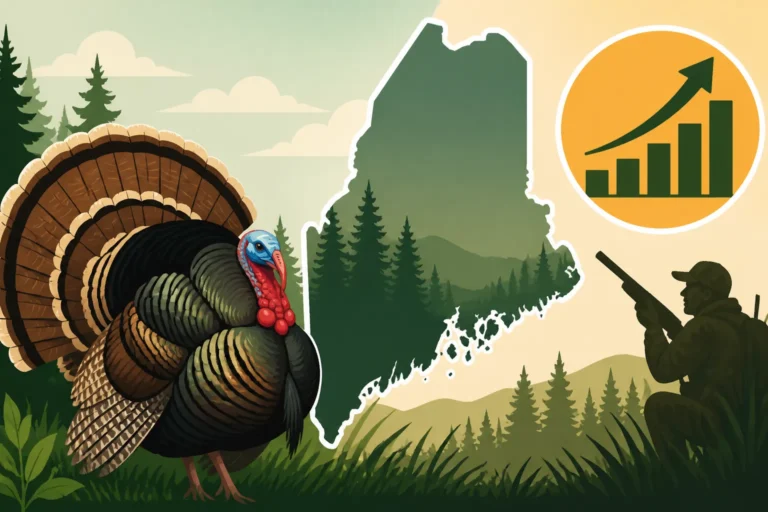
Maine spring turkey harvest numbers reveal wild population health, regional differences, and Wildlife Management Districts data trends.
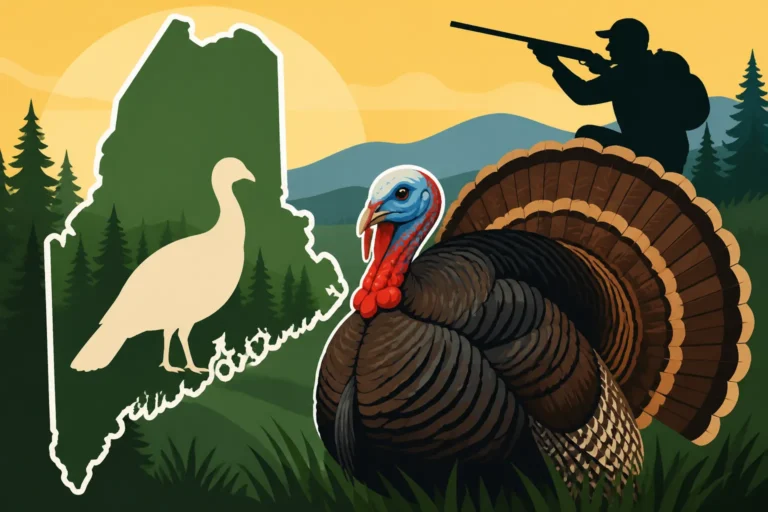
Maine wildlife biologists use harvest data, field surveys, and habitat analysis to estimate wild turkey population numbers.
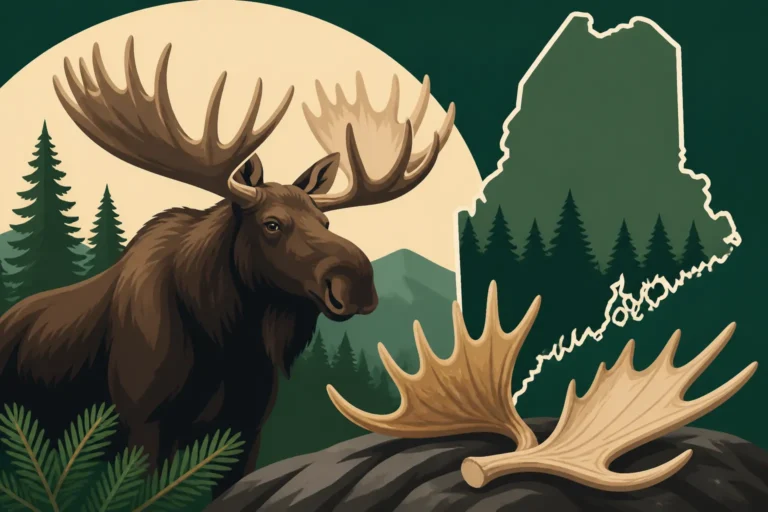
Maine moose antler records explain official scoring criteria, Boone and Crockett standards, and measurements for massive bull trophies.
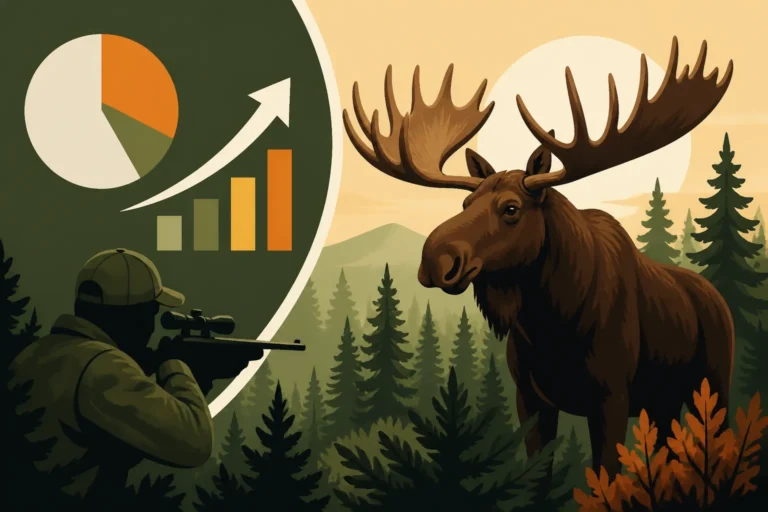
Maine moose hunt success rates depend on the permit lottery, residency status, bonus points, and Wildlife Management Districts.
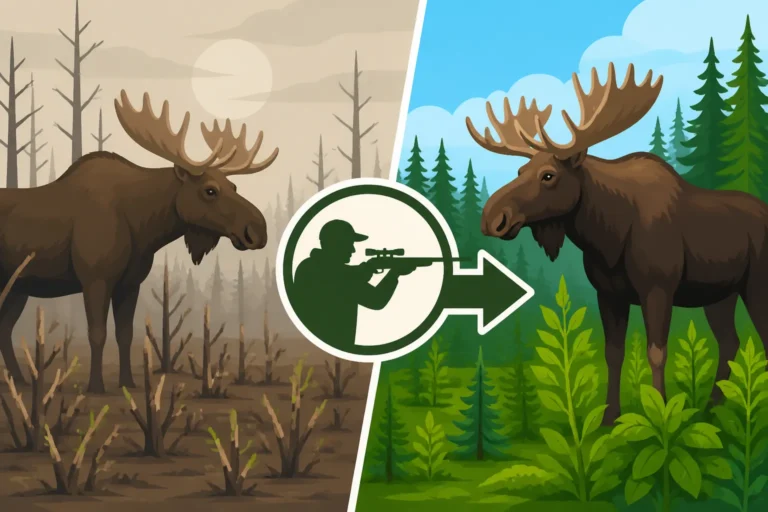
Maine moose density reduction strategies explain how lowering herd numbers decreases winter tick burdens and increases calf survival.
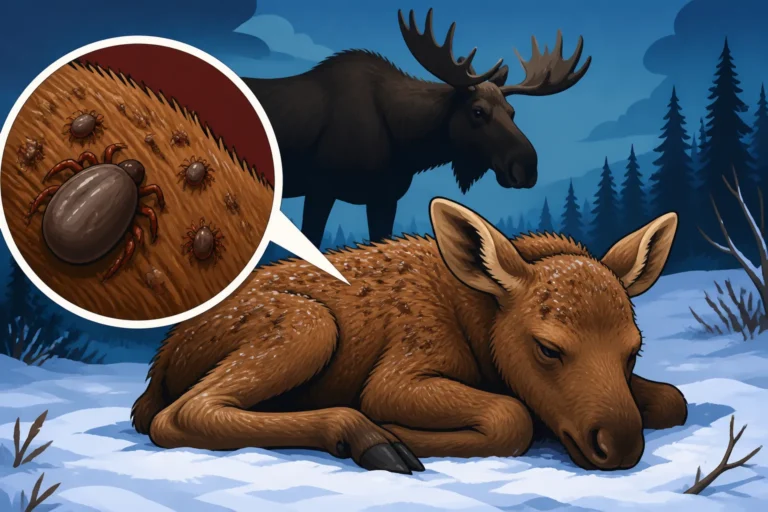
Winter ticks cause severe anemia and hair loss in Maine moose calves through continuous blood feeding from autumn to spring.
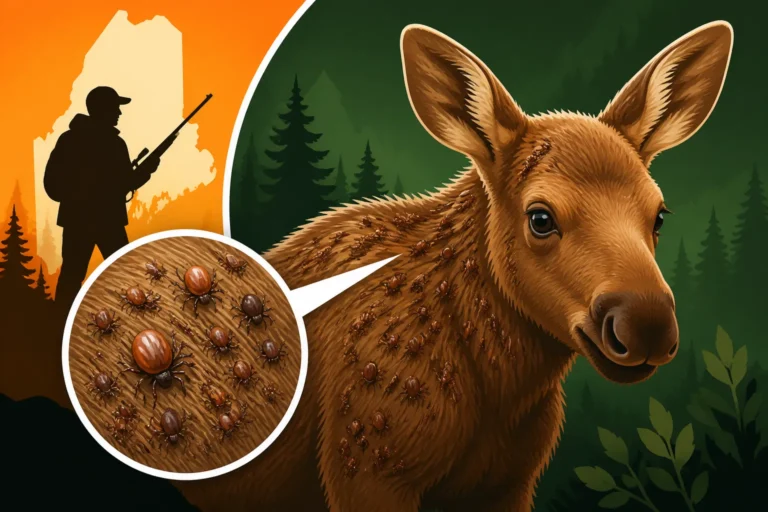
Winter tick infestations on young Maine moose calves cause severe anemia, hypothermia, and high mortality rates during winter.
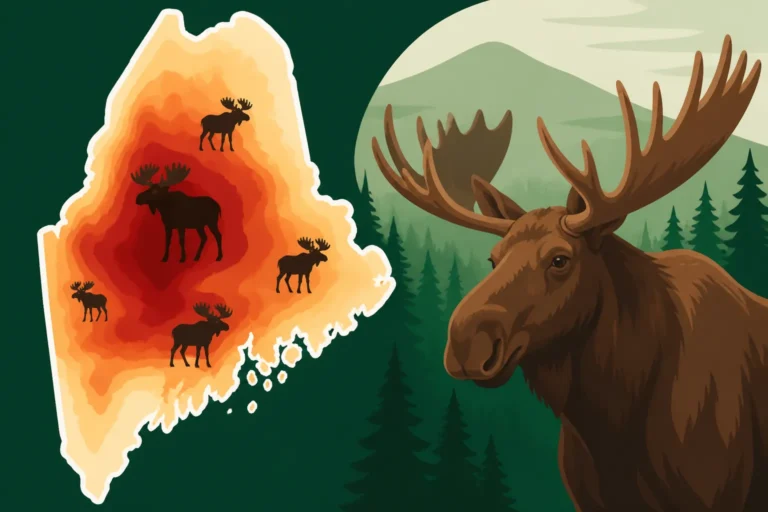
Maine moose density is highest in northern and western regions featuring young forests, wetlands, and remote wilderness areas.
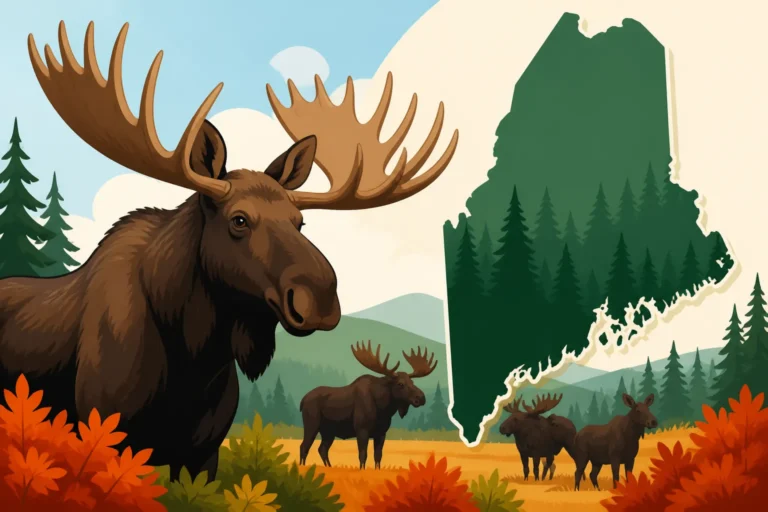
Maine moose population estimates and aerial helicopter surveys show between 60,000 and 70,000 animals roam the state forests.
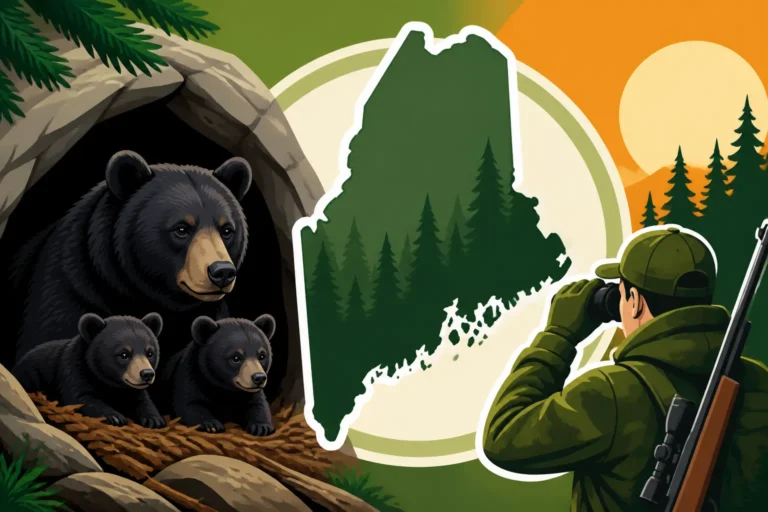
Maine bear den studies reveal how biologists monitor winter cub survival, sow body condition, and radio collared populations.