Maine Bear Den Study Findings
If you've ever spent time in Maine's woods, especially in the more remote reaches, you know that black bears are an undeniable presence. They're intelligent, elusive, and incredibly resilient, making them one of the most fascinating game animals in our state. But understanding these creatures isn't just about spotting them from a treestand; it's about delving deep into their lives, especially when they're tucked away for the winter. That's where Maine's extensive bear den studies come in, offering critical insights that shape how we manage and appreciate our magnificent Black Bears in Maine.
The Silent World of Winter Dens: Why Maine Studies Bears
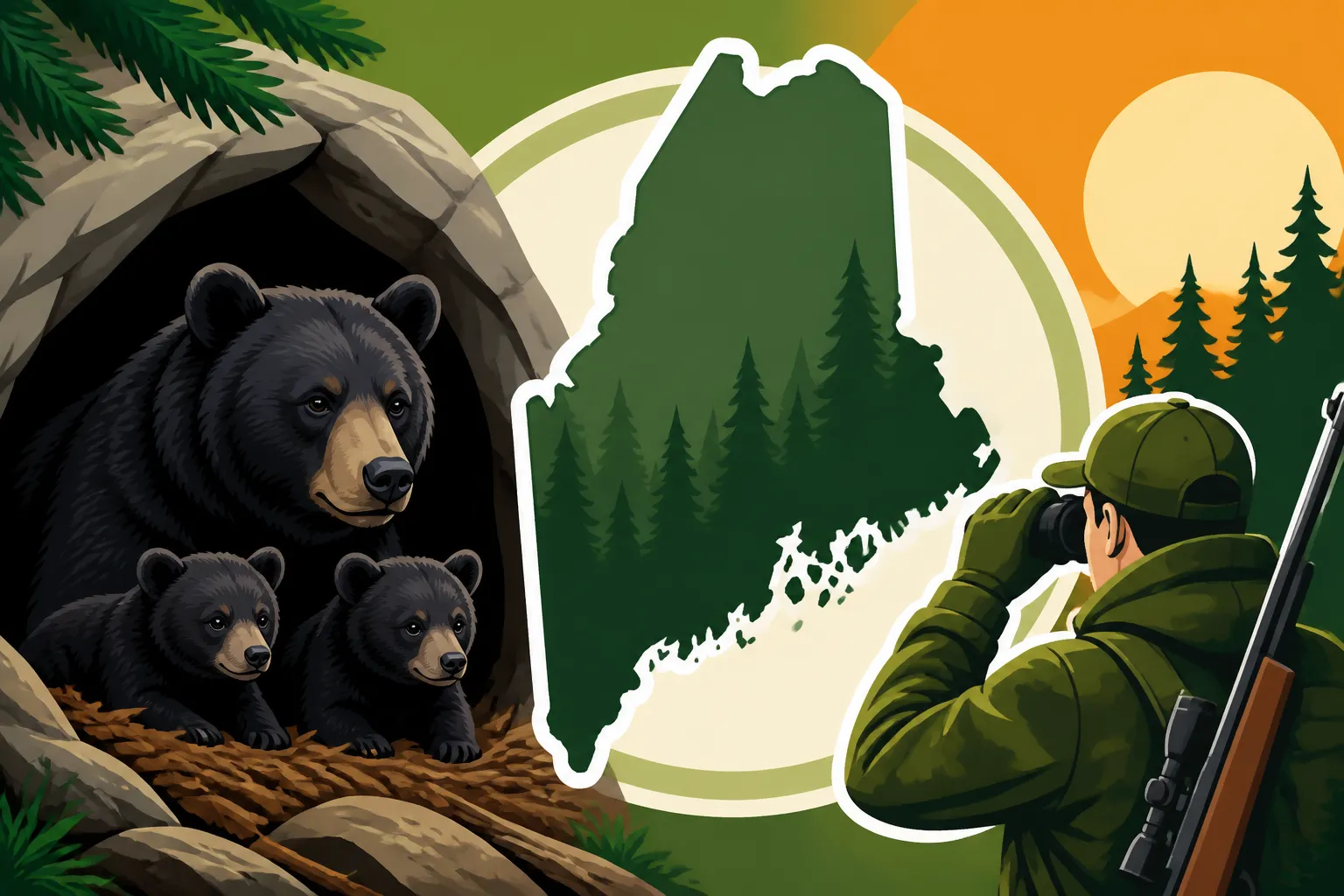
For a significant portion of the year, usually from late November through early April, Maine's black bears disappear from the landscape, retreating to their winter dens. This period isn't just a long nap; it's a critical phase for survival, reproduction, and the overall health of the bear population. Biologists in Maine don't just guess what happens during these months; they actively seek out and study these hidden nurseries. The "why" behind these studies is multi-faceted, ranging from fundamental ecological understanding to ensuring the long-term sustainability of Maine's thriving Maine Bear Population Estimate.
One of the primary drivers for these den studies is the need to monitor reproductive success. Unlike many other large game species, bears often give birth during their denning period. Imagine tiny, blind, helpless cubs, sometimes no bigger than a squirrel, being born in the dead of winter, relying entirely on their mother's stored fat and the warmth of the den. Without opening these dens, we'd have no way of knowing how many cubs are born, their sex ratio, or how many survive their first few weeks of life. This baseline data is absolutely crucial for understanding population trends and predicting future bear numbers. If cub survival is low due to harsh winters or other factors, it signals a potential challenge for the population years down the line.
Furthermore, den studies provide invaluable information on the physical condition of the bears themselves. When a bear is handled in its den, biologists can assess its weight, measure its body, and take biological samples. This data helps paint a picture of the bear's health going into and coming out of winter. Was it a good mast year with plenty of acorns and berries, leading to heavier, healthier bears? Or was food scarce, resulting in thinner sows that might have smaller litters or cubs with lower survival odds? These insights are vital for adaptive management, allowing the state to adjust Maine's Three-Method Bear Season or other regulations to reflect the current health and productivity of the bear population. It's all about striking that delicate balance to ensure a robust and healthy bear population for future generations of Mainers.
The Intricate Process of Locating and Monitoring Bear Dens
Now, you might be wondering, "How do they even find these dens?" It's not like bears put up signposts. The process is a testament to dedicated fieldwork, careful planning, and a deep understanding of bear behavior. Much of the success relies on tracking radio-collared sows (female bears) that were captured during the active hunting season. These collars emit signals that allow biologists to pinpoint a bear's location from the air or ground. As winter approaches, researchers monitor these signals more closely, looking for extended periods of inactivity in a specific location, which usually indicates denning.
Once a potential den site is identified, the real fieldwork begins. This isn't a walk in the park; it often involves navigating deep snow, rugged terrain, and remote parts of the North Maine Woods. The team approaches the den cautiously, ensuring their own safety while minimizing disturbance to the bear. The bear is typically tranquilized, a procedure handled by highly trained professionals, to allow for safe handling and data collection. This is where the magic happens: while the sow is sedated, biologists carefully enter the den. This could be a hollow log, a rock crevice, a brush pile, or even a simple ground nest under a thick spruce.
Inside, they meticulously gather data. This includes counting cubs, weighing them, determining their sex, and assessing their overall health. The sow herself gets a thorough check-up: her weight is recorded, measurements are taken, and often blood samples are drawn. These samples provide insights into diet, disease exposure, and reproductive hormones. All this information is logged, and the bear and cubs are marked (often with ear tags or by replacing a radio collar) before being carefully returned to their den. The goal is always to collect maximum data with minimal impact, ensuring the bears wake up safe and sound. It's an incredible glimpse into their most vulnerable time, providing truly unique data that you simply can't get any other way. For hunters who rely on detailed scouting and mapping tools like GoHunt to understand terrain and potential game sign, you can appreciate the level of precision and effort that goes into tracking these animals in their off-season.
What Maine's Den Studies Reveal About Black Bears
The treasure trove of data collected over decades of bear den studies has provided Maine wildlife biologists with unparalleled insights into the life cycle and health of our black bear population. These findings directly inform how we understand and manage these formidable creatures.
One of the most significant revelations from these studies concerns reproductive rates and cub survival. Biologists have learned that average litter sizes in Maine typically range from two to three cubs, though single cubs and litters of four are not uncommon. More importantly, they've been able to track cub survival through the denning period and into their first year. Factors like the sow's age and health, the availability of food resources in the preceding fall, and the severity of the winter all play a role. For instance, a lean fall with poor mast crops might lead to sows entering the den in poorer condition, potentially resulting in smaller litters or cubs that are less likely to survive. Understanding these fluctuations allows for proactive management, ensuring that hunting pressure aligns with the population's ability to reproduce and sustain itself.
Beyond the numbers, these studies have shed light on the diversity of den preferences among Maine's black bears. While some bears opt for classic hollow logs or rock caves, many are far less particular, choosing brush piles, dense thickets of spruce, or even simple depressions dug into the ground beneath a fallen tree or root ball. The specific type of den often depends on the available habitat in a given region. Bears in the heavily timbered North Woods might favor different den structures than those in more agricultural areas or close to human habitation. These insights into denning behavior help biologists understand critical winter habitat needs and can influence land management decisions to protect these vital areas.
Finally, the health metrics gathered from the den studies—such as the Average Weight of a Maine Black Bear at den entry and exit, fat reserves, and blood work—provide a crucial barometer for the overall health of the state's bear population. They can identify trends in disease, nutritional stress, or other environmental impacts. For example, if multiple years of data show a decline in the average weight of denning sows, it could indicate broader issues with food availability or habitat quality across the landscape. This comprehensive data allows for science-based decision-making, ensuring that conservation efforts are targeted and effective, and that Maine continues to boast one of the healthiest and most robust black bear populations in the country.
| Den Type | Typical Location | Average Litter Size | Cub Winter Survival Rate | Key Advantage |
|---|---|---|---|---|
| Hollow Log/Cavity | Large fallen trees, old stumps | 2-3 cubs | High | Excellent insulation, strong protection |
| Rock Crevice/Cave | Rocky ledges, boulder fields | 2-3 cubs | High | Durable, well-hidden, good thermal mass |
| Brush Pile/Ground Nest | Dense conifer thickets, root balls of blowdowns | 1-2 cubs | Moderate-High | Camouflaged, easily constructed |
| Excavated Earth Den | Under stumps, small hillsides | 2 cubs | Moderate-High | Good insulation, secure |
How Den Study Findings Shape Bear Management and Hunting
The painstaking work of Maine's bear biologists in the depths of winter isn't just for academic curiosity; it forms the bedrock of our state's widely respected and successful bear management program. The findings from these den studies directly influence the regulations and strategies that govern Maine's Three-Method Bear Season, ensuring that hunting remains a sustainable tool for managing the population while providing ample opportunities for hunters.
For starters, understanding reproductive rates and cub survival is paramount for setting harvest quotas and season structures. If den studies indicate a particularly harsh winter or a period of reduced cub recruitment, wildlife managers can adjust permit numbers or season lengths to err on the side of caution, allowing the population to rebound. Conversely, if data shows consistently high reproductive success and robust cub survival, it confirms that the population is healthy and can withstand a carefully managed harvest. This scientific approach helps maintain a stable and thriving bear population, distinguishing it from states that might rely more on anecdotal evidence or less comprehensive data. When you're out there in the woods, scouting potential locations for Baiting Black Bears Legally in Maine or preparing for a chase during Hunting Bear With Hounds in Maine, the regulations you abide by are a direct result of these deep biological dives.
Furthermore, these studies help inform public education efforts, particularly around responsible hunting practices. Insights into denning patterns, the health of sows, and cub development help reinforce the importance of Judging a Legal Bear From a Sow With Cubs and avoiding situations where a sow might be harvested and leave dependent cubs orphaned. While the Maine Bear Bait Season Dates and Maine Bear Hound Season Dates are designed to minimize this risk, the underlying knowledge from den studies strengthens the ethical framework of bear hunting in the state.
Even for those just exploring Maine's vast wilderness, perhaps planning a backcountry trip using a reliable mapping application like GoHunt to identify remote areas, the results of these den studies are at work. They inform broader habitat management, identifying critical areas for bear foraging, travel, and, of course, denning. This holistic approach ensures that not only do we have a healthy and huntable bear population, but also that we understand and conserve the intricate ecosystems they depend on. It's a testament to Maine's commitment to science-based wildlife management, providing peace of mind to hunters and a secure future for our black bears.
Disclaimer
This article is for general informational purposes only and does not constitute professional advice. Laws, prices and regulations vary by location and change over time. Consult a qualified professional for guidance on your specific situation.