What a Sea Duck Charter Day Includes
Heading out for a sea duck hunt along the rugged Maine coast is an unforgettable experience, but if you've never booked a charter before, the logistics can feel a bit overwhelming. You're probably wondering what exactly you're paying for, what you need to bring, and what to expect when you're out there on the open water. This guide will meticulously break down a typical sea duck charter day in Maine, helping you prepare for an exciting and successful hunt.
The Core Components of Your Sea Duck Charter Day
When you book a sea duck charter, you’re not just paying for a ride in a boat; you're investing in an entire experience orchestrated by a professional who knows these tricky birds and treacherous waters inside and out. Understanding these core components will set your expectations from the get-go.
The Boat, Captain, and Crew
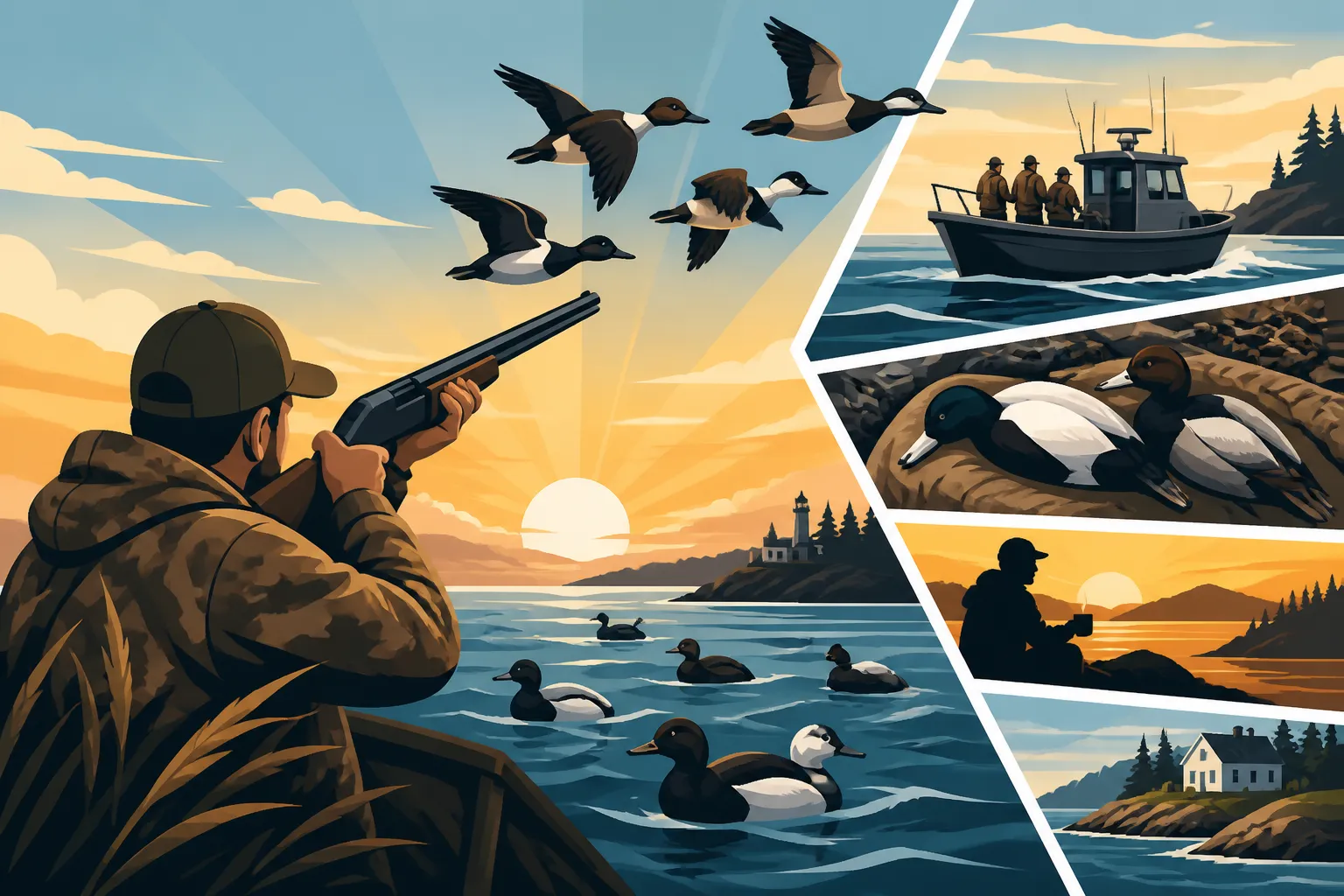
The heart of any sea duck charter is, naturally, the boat and the folks running it. Forget about your casual fishing skiff; these are specialized vessels, often stout, stable, and designed to handle the often-choppy conditions of the Atlantic coast. They need to be robust enough to transport hunters, gear, and expansive decoy spreads safely and efficiently.
Your captain will almost certainly be a Registered Maine Guide, specifically licensed for hunting and often with a specialized endorsement for coastal operations. This isn't just a formality; it means they've passed rigorous tests on navigation, safety, first aid, and Maine hunting regulations. Their expertise is paramount – they know the feeding grounds, the flight paths, and how the birds behave under different weather and tidal conditions. They're your guide to finding the birds, setting up effectively, and ensuring everyone's safety from the moment you leave the dock until you return. You can learn more about the requirements for these professionals in Hiring a Registered Maine Guide. The typical charter day often starts well before dawn and usually wraps up by early to mid-afternoon, giving you plenty of prime hunting time without pushing into unsafe evening hours. Onboard, you'll find all the necessary safety equipment: personal flotation devices (PFDs), communication devices (VHF radio, satellite phone often), and comprehensive first aid kits. Some larger operations might have a dedicated crew member to assist with decoy deployment, bird retrieval, and general deck duties, which can make for an even smoother operation, especially if the seas are running a bit rough.
Decoy Spreads and Hunting Setup
Sea duck hunting is a game of attraction, and that means decoys – lots of them. Unlike puddle duck hunting with a dozen mallard blocks, sea duck charters typically deploy massive, realistic spreads designed to mimic large rafts of feeding or resting Eiders, Scoters, and Long-tailed Ducks. We're talking dozens, sometimes even hundreds, of specialized decoys that are much larger and more durable than their inland counterparts. Decoying Eiders on a Falling Tide delves into some specific techniques.
Your guide will have a meticulously planned strategy for deploying these decoys. This involves anchoring them in specific patterns, taking into account the powerful tidal currents and the direction of the wind to make the spread look as natural as possible. They understand how these birds approach a spread, where they want to land, and how to create the most enticing setup. The actual hunting "blind" might vary. Sometimes, you'll be set up on a rocky ledge or a small, uninhabited island, blending into the coastal landscape. Other times, the hunt might involve specialized layout boats – small, low-profile craft that keep hunters just above the water level, nearly invisible to approaching birds. Layout Boat Hunting the Maine Coast offers a deeper dive into this exciting method. The guide is constantly assessing the conditions, watching bird movements, and making adjustments to the spread or your position to maximize opportunities. It's an active, dynamic process, not just a static setup.
Transportation to the Hunting Grounds
Your sea duck adventure begins with a meeting at a pre-determined dock or boat ramp, usually in the dark hours before sunrise. From there, the captain will transport you to the hunting grounds, which can be anywhere from a short zip across a bay to a significant run out to an exposed ledge miles offshore. This travel time is a crucial part of the experience.
Navigating Maine's coastal waters requires intimate knowledge of local geography, currents, and weather patterns. Your guide will pilot the boat through various conditions, from calm, glassy seas to rolling swells. You'll witness stunning coastal sunrises, often with a raw, bracing wind that reminds you just how wild this environment is. Expect the ride to be open-air, possibly wet from sea spray, and definitely cold, especially in the late fall and winter months. The guide's priority during transit is safety and getting you to the best hunting location efficiently. These are not always pleasure cruises, but they offer incredible views and the promise of a unique hunting experience.
Essential Gear and Services Provided (and What You Need to Bring)
Understanding what your charter fee covers versus what you’re responsible for is key to a stress-free trip. You don't want to show up missing a critical piece of gear or, conversely, overpack with items the guide already has.
What the Charter Typically Provides
At its core, a sea duck charter provides the boat, the fuel for the day, and the invaluable expertise of your Registered Maine Guide. This includes their knowledge of the hunting grounds, the birds, and, most importantly, ensuring your safety throughout the trip. They also provide the extensive decoy spreads—which, trust me, are a significant investment and logistical challenge to transport and deploy.
Beyond these essentials, offerings can vary. Some guides might provide basic amenities like a thermos of hot coffee, tea, or cocoa, and perhaps a few snacks to help you brave the cold. It's always a good idea to confirm this ahead of time. When it comes to handling your harvest, most guides will offer field dressing services, removing the guts and wings (for migratory bird tagging requirements) on the boat or back at the dock. They'll also often have a cooler on board to store the birds until you return to shore. Don't expect full processing, however; that's generally up to you once you're back home.
Your Personal Gear Checklist
Now, for your part of the equation. Being prepared for the elements and the rigors of sea duck hunting is crucial. This isn't a casual stroll in the woods; it's a demanding environment.
- Firearms: You'll need a reliable shotgun, typically a 12-gauge or 20-gauge, capable of handling steel shot. Many hunters prefer a 12-gauge for the increased payload capacity. Ensure your shotgun is clean, well-maintained, and functions flawlessly.
- Ammunition: This is critical. Only steel shot is legal for waterfowl hunting. Bring plenty – sea ducks are tough birds, and shooting opportunities can be fast and furious, leading to higher shot expenditure. Common shot sizes are #2, #3, or BB. Discuss specific preferences with your guide.
- Clothing: Layers, layers, layers! Maine's coast can be incredibly cold, wet, and windy. Start with moisture-wicking base layers, add insulating fleece or down mid-layers, and top it all with a waterproof and windproof outer shell. A warm hat that covers your ears, waterproof gloves (or multiple pairs), and waterproof boots are non-negotiable. Think neoprene waders or sturdy rubber boots that can get wet without soaking your feet.
- Safety Gear: While the guide provides PFDs, it's good practice to ensure it fits properly. Eye protection (shooting glasses) and ear protection (muffs or plugs) are essential for safety and comfort.
- Food and Drink: Bring ample snacks and, perhaps most importantly, a thermos filled with hot coffee, soup, or cocoa. Staying hydrated and fueled is vital for battling the cold.
- Documentation: Don't forget your Maine hunting license, a valid Federal Duck Stamp, and your Maine Migratory Bird Permit (HIP registration). You can find details on these requirements in Maine Hunting Licenses and What They Cost, Maine Federal Duck Stamp Requirement, and Maine HIP Certification for Bird Hunters. Carry physical copies or ensure you have digital versions accessible on your phone, even if cell service is spotty.
Comparing Charter Offerings (and what to ask)
Not all charters are created equal, and their offerings can vary widely beyond the basics. Some might operate as simple "guide-only" services, while others offer more comprehensive packages that include lodging, meals, or even multi-day hunts. When you're researching, don't hesitate to ask specific questions:
- What specific shot size and type do you recommend? (They know what works best for their birds and setup.)
- How many shells should I plan to bring? (Better to have too many than too few.)
- What is your policy for bad weather or cancellations? (This is crucial for planning and managing expectations, especially if you're traveling from afar. See Weather Cancellations on a Sea Duck Charter).
- Do you offer assistance with bird processing beyond field dressing? (Most do not, but it's worth asking.)
- What are the average bag limits we can expect for the day?
- Are there any lodging recommendations or packages available?
Platforms like BookYourHunt or GoHunt can be excellent resources for finding and comparing different outfitters and their packages, allowing you to ask these questions directly before committing.
The Hunt Itself: What to Expect on the Water
The actual hunting experience on a Maine sea duck charter is unlike almost any other waterfowl hunt. It's a blend of raw natural beauty, patience, and bursts of intense action.
Setting Up and Waiting
The day begins with that pre-dawn journey to the chosen hunting spot. The guide will carefully navigate, often in the dark, using radar and GPS to reach the perfect location before legal shooting light. Once there, the real work begins: deploying the elaborate decoy spread. This can involve maneuvering the boat, setting anchors, and meticulously arranging decoys to create a lifelike scene. You'll then settle into your blind, whether it's on a rocky outcropping or tucked into a layout boat, as the first hints of light begin to paint the eastern sky.
Patience is a virtue in sea duck hunting. There will be periods of calm, where you're simply watching the horizon, sipping hot coffee, and soaking in the incredible coastal environment. The guide will be scanning the skies and water, looking for distant specks that might be incoming birds. When a flock approaches, the guide will often call the shot, ensuring everyone is safe and the birds are within effective range. It’s a moment of focused intensity as the birds commit to the spread, wings locked, before breaking away at the sound of the shot. Dealing with challenging conditions, from rocking waves to biting winds, is part of the experience, requiring mental and physical fortitude.
Shooting Opportunities and Retrieval
When the birds come in, they often come in fast and hard. Sea ducks are powerful flyers, and their thick feathers make them incredibly tough to bring down. You'll need to be ready for quick, decisive shooting. This isn't always a leisurely hunt; there can be moments of high-volume action, followed by lulls. The guide is key here, helping identify species to ensure you stay within legal bag limits. Maine Sea Duck Bag Limit provides an overview of the general rules, with specific limits for Maine Eider Daily Limit, Maine Scoter Daily Limit, and Maine Long-Tailed Duck Daily Limit.
Retrieval is another critical aspect. Because of strong currents and waves, downed birds can quickly drift away. The guide or crew will be swift in retrieving your birds, often using specialized poles or a retrieve boat. If you're hunting from a layout boat, retrieval becomes even more of a coordinated effort. If you plan to bring your own retrieving dog, you must clear this with the charter captain well in advance, as not all boats or setups can safely accommodate a dog on the open ocean.
Post-Hunt Procedures
As the morning progresses and either the bag limits are met, or the flight slows, the guide will begin the process of breaking down the decoy spread. This is often just as much work as setting it up! Once all the gear is stowed, it's time for the ride back to the dock. This return trip offers another chance to appreciate the coastal scenery, perhaps with a successful harvest laid out in the boat.
Upon returning to shore, your guide will assist with the final handling of your birds. This typically includes bagging them for transport, ensuring any necessary tags are affixed, and helping you load your gear into your vehicle. Many hunters then take their birds to a local processor or prepare them themselves back at camp. Before you depart, don't forget the etiquette of tipping your guide. It's customary to offer a gratuity that reflects their hard work, expertise, and the quality of your experience.
Common Questions and Realistic Expectations
Embarking on a sea duck charter is an investment in an experience. Managing your expectations for conditions and outcomes is a vital part of enjoying the hunt.
Weather and Cancellations
Maine coastal weather is famously unpredictable. A beautiful, calm forecast one day can turn into high winds and heavy seas the next. Fog can roll in suddenly, reducing visibility to mere feet. Your guide's top priority is safety, and they have the final say on whether conditions are safe to hunt. This might mean rescheduling or even canceling a trip.
Most charters have clear cancellation policies regarding deposits and rescheduling options for weather-related issues. It's absolutely crucial to understand these policies when you book. While it can be disappointing to have a trip called off, remember that your guide is making that decision to protect you and their equipment. Be flexible and understand that Mother Nature often has the last word on the Maine coast. Details on this can be found in Weather Cancellations on a Sea Duck Charter.
Success Rates and Bag Limits
While every hunter dreams of a limit, sea duck hunting, like all hunting, is never a guarantee. Success rates can vary dramatically based on weather, bird migration patterns, tidal conditions, and, of course, shooter skill. Sea ducks are often considered one of the most challenging waterfowl to hunt due to their speed, flight patterns, and resilience.
It's important to understand the species-specific bag limits (e.g., Eiders, Scoters, Long-tailed Ducks) and to respect them. A successful hunt isn't solely defined by a full limit, but by the unique challenge, the incredible scenery, and the camaraderie of the experience. Many experienced sea duck hunters will tell you that getting a few birds after a challenging layout hunt on the open ocean is more satisfying than limits of easier birds.
Physical Demands and Comfort
Let's be realistic: sea duck hunting is not for the faint of heart or those averse to discomfort. It's a physically demanding hunt. You'll be exposed to cold, often wet, and windy conditions for extended periods. Boat rides can be bumpy, especially if you're running offshore in a chop. You'll need to be able to get in and out of a boat, sometimes onto slippery rocks, and maintain your balance on an unstable platform.
Prepare yourself for this. Dress appropriately (remember those layers!), bring plenty of hot drinks and snacks, and consider motion sickness remedies if you're prone to seasickness. The reward for enduring these conditions, however, is an incredible, raw, and authentic hunting experience that truly connects you with the wildness of coastal Maine.
| Item Type | Typically Provided by Charter | Hunter Must Bring (Essential) | Hunter Should Consider Bringing (Optional) |
|---|---|---|---|
| Boat/Gear | Specialized Boat, Fuel, Decoy Spread | ||
| Personnel | Registered Maine Guide, (Crew if applicable) | ||
| Safety | PFDs, First Aid, Communications | Eye & Ear Protection | Personal PFD (if preferred fit) |
| Firearm/Ammo | Shotgun (12/20 gauge), Steel Shot Ammo | Extra Ammunition (for high volume) | |
| Clothing | Layered Warm Clothing, Waterproof Outerwear, Hat, Gloves, Waterproof Boots | Hand Warmers, Neck Gaiter, Face Mask | |
| Food/Drink | (Sometimes) Coffee/Snacks | Ample Water, Snacks, Thermos w/ Hot Drink | |
| Documents | Maine Hunting License, Federal Duck Stamp, Maine Migratory Bird Permit (HIP) | ||
| Post-Harvest | Field Dressing, Bird Cooler (on boat) | Cooler for Transport Home | Game bags, Ziploc bags for cleaned meat |
Disclaimer
This article is for general informational purposes only and does not constitute professional advice. Laws, prices and regulations vary by location and change over time. Consult a qualified professional for guidance on your specific situation.