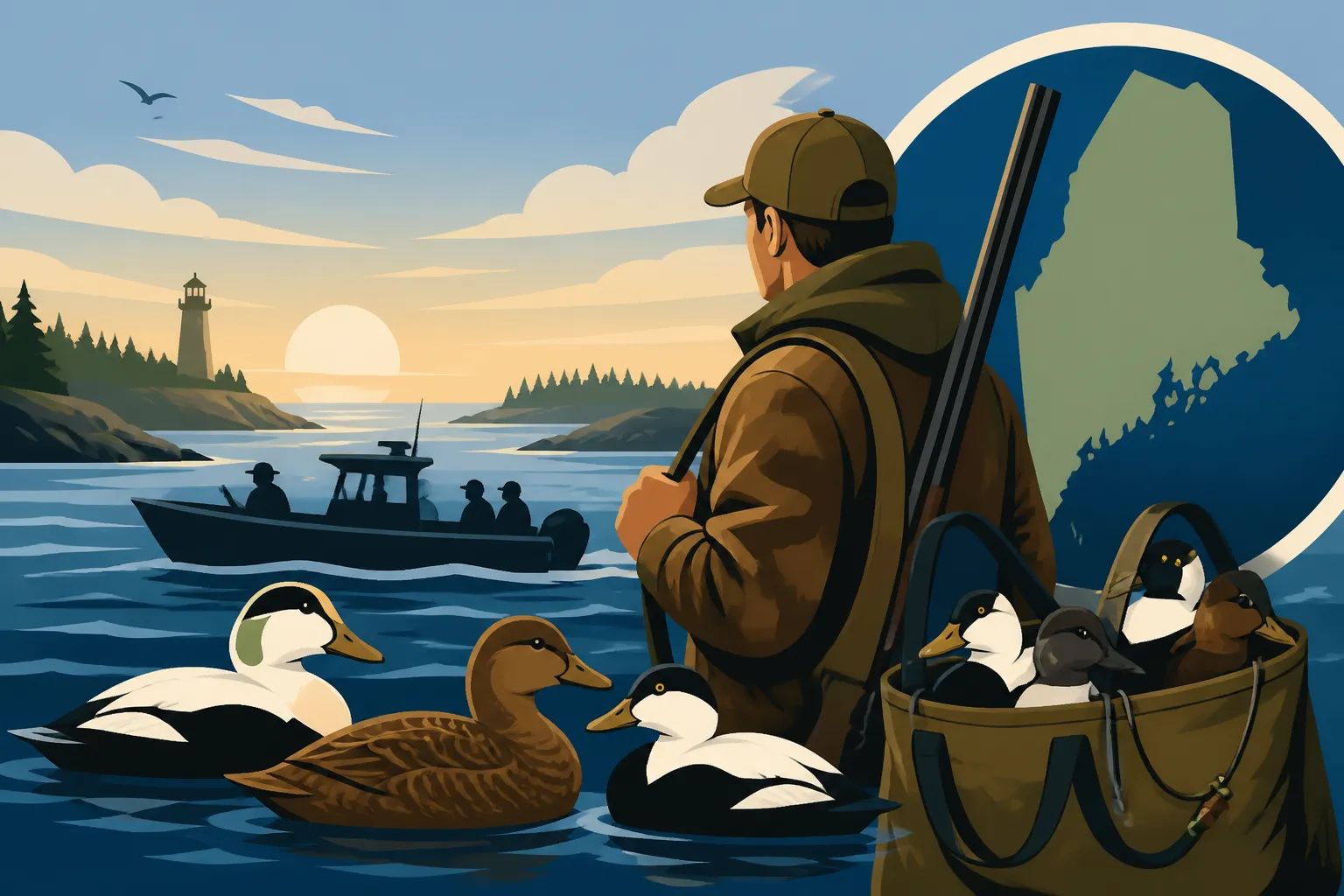
Booking a Multi-Day Sea Duck Trip
Embarking on a multi-day sea duck trip in Maine is a commitment, not just of time, but of spirit and preparedness. Many hunters dream of the rugged beauty of Maine's coast and the adrenaline rush of sea duck hunting, only to find that a single day might not be enough to truly experience it, especially when weather rolls in or birds move. This guide will walk you through everything you need to know to plan and execute a successful multi-day sea duck adventure, ensuring you make the most of your hard-earned time on the water.
Why Commit to a Multi-Day Sea Duck Trip?
Hunting sea ducks along the Maine coast is an experience unlike any other waterfowl pursuit. It's often cold, windy, and challenging, but the rewards are immense – big birds, stunning scenery, and a true test of grit. While a single-day trip can certainly be productive, opting for a multi-day adventure offers distinct advantages that can significantly enhance your success and overall enjoyment.
Maximizing Your Opportunities on the Water
The reality of sea duck hunting is that it's highly dependent on weather and bird movement. One day might bring flat calm seas and few birds, while the next could usher in a cold front, rough water, and a flurry of activity. With a multi-day trip, you're not putting all your eggs in one basket. If the weather turns foul or the birds are simply not cooperating on day one, you have additional days to adapt your strategy, move to different locations, or simply wait for conditions to improve. This flexibility is invaluable when chasing these migratory birds that are constantly on the move along the Maine Sea Duck Coastal Zone Line.
Think about it: you've driven for hours, maybe even flown across the country, to be here. To pack up and leave after just one challenging day can be incredibly frustrating. A multi-day booking provides a buffer against the whims of Mother Nature and the unpredictable nature of wild birds, giving you more chances to put birds in the boat. It allows for a more relaxed pace, too, letting you soak in the unique coastal environment without the pressure of a single-day window.
Experiencing Diverse Habitats and Species
Maine's coast offers a rich tapestry of sea duck habitats, from rocky ledges and island chains to sheltered coves and vast open waters. Different species tend to frequent different areas, and even within a single species, their behavior can vary depending on feeding patterns and tidal stages. On a single day, you might only hit one or two spots. A multi-day trip, however, opens up the possibility of exploring a wider range of these diverse environments.
Imagine spending one morning setting up decoys for Decoying Eiders Off the Maine Coast on an exposed ledge, and the next day targeting Hunting Scoters in Maine's Open Water from a boat blind further offshore, or even looking for Hunting Long-Tailed Ducks Along the Coast in a more protected bay. A good guide, familiar with these patterns and locations, can tailor your multi-day experience to pursue a wider variety of sea ducks, offering a more comprehensive and exciting hunt. It's about getting the full Maine sea duck experience, not just a snapshot.
Planning Your Multi-Day Sea Duck Adventure
Once you’ve decided that a multi-day sea duck trip is the way to go, the real planning begins. This isn't a spur-of-the-moment camping trip; it requires careful consideration of dates, group dynamics, lodging, and your budget.
Choosing the Right Time of Year
Maine's sea duck season generally offers a long window, but specific times of the season can offer different experiences and target species concentrations. Early season might still be relatively mild, but birds might not be fully migrated south yet. The mid-season, particularly November and early December, often sees peak numbers of all three main species—eiders, scoters, and long-tailed ducks—making their way down the Atlantic Flyway. However, this also means colder temperatures and potentially rougher seas. Later in the season, after the new year, can provide some incredible hunting as birds are concentrated, but you'll need to be prepared for truly frigid conditions.
Consider what you're hoping to experience. Are you chasing a specific species, or do you want a mixed bag? Are you comfortable with extreme cold and heavy seas, or do you prefer slightly milder conditions? Discuss these preferences with potential outfitters, as their local knowledge of bird patterns throughout the Maine Sea Duck Season and Zones will be invaluable in pinpointing the best time for your trip. Remember, planning far in advance, sometimes a year out, is often necessary to secure prime dates with popular guides.
Budgeting and Group Considerations
A multi-day guided sea duck trip is an investment, both in terms of time and finances. While I can't give you exact numbers, understand that the cost will be significantly higher than a single-day outing, reflecting the guide's time, equipment, fuel, and expertise over multiple days. Factors like the number of hunters in your group, the duration of the trip, and whether lodging and meals are included will all shape the overall expense. It's wise to set a realistic budget from the outset and communicate it clearly with any potential guide.
Often, hunters find that splitting the cost among a small group makes a multi-day trip more accessible. Gather a few trusted hunting partners who share your enthusiasm for rugged conditions and early mornings. A group of 2-4 hunters is often ideal for sea duck charters, allowing for good camaraderie without overcrowding the boat. Before you book, make sure everyone in your group understands the physical demands, the financial commitment, and the potential for challenging weather. Communication is key to ensuring everyone has a positive experience.
Selecting a Reputable Sea Duck Guide
For a multi-day sea duck trip, especially if you're not intimately familiar with the Maine coast, a reputable Registered Maine Guide is absolutely essential. Their local knowledge, safety protocols, and specialized equipment are paramount to a successful and safe adventure. Don't underestimate the expertise a seasoned guide brings to the table.
What to Look for in a Guide and Charter
When researching sea duck charters, prioritize experience and safety. Look for guides who specialize specifically in sea duck hunting, as it requires unique skills, equipment, and knowledge of coastal conditions. A good guide will have a seaworthy boat, the right decoys (often large spreads of diver decoys, longlines, and specialized sea duck blocks), and a deep understanding of tides, currents, and where birds are likely to be moving or feeding. Make sure they are fully licensed and insured, which you can usually verify through the state's official channels.
Beyond the practicalities, consider their communication style. Are they responsive to your questions? Do they clearly outline what's included in the trip, such as blinds, decoys, boat, and guide services? What about bird cleaning, meals, or lodging options? Platforms like BookYourHunt and GoHunt can be excellent starting points for finding and comparing licensed Maine guides who offer multi-day sea duck packages. You can often see reviews and success rates, which provide valuable insights into what other hunters have experienced. Don't hesitate to ask for references; a professional guide will be happy to provide them.
Confirming Logistics and Expectations
Before you finalize your booking, have a clear understanding of all the logistical details for your multi-day trip. This includes confirming the daily schedule (what time do you meet? when do you return?), what gear you need to bring (shotgun, shells, appropriate clothing, food/drink), and what the guide provides. It's also crucial to discuss contingencies for bad weather. What is their cancellation or rescheduling policy if high winds or heavy seas make hunting unsafe? Most reputable guides will prioritize safety above all else and have clear procedures for such situations.
| Aspect of Booking | Key Considerations for Multi-Day Trips |
|---|---|
| Duration | How many full days of hunting? How many nights? |
| Inclusions | What's covered? Guide fee, boat, decoys, fuel, lodging, meals, bird cleaning? |
| Exclusions | What's not covered? Licenses, stamps, shells, personal gear, tips? |
| Group Size | What's the minimum/maximum for your boat? Does price per person change? |
| Deposit/Payment | What's the deposit amount? When is final payment due? |
| Cancellation | What happens if you cancel? What if the guide cancels due to weather? |
| Safety Protocols | What are emergency procedures? Do they have all required safety gear? |
| Species Focus | Are they targeting specific ducks, or what's generally available? |
| Lodging | Is lodging included, or do you need to arrange it? Where? |
Remember to purchase your Maine hunting license and federal duck stamp well in advance. You'll also need to get your Maine Migratory Bird Certification before heading out. Don't forget that blaze orange requirements are often in place when traveling to and from hunting areas or during transport, so have appropriate outer layers.
What to Expect on a Multi-Day Sea Duck Hunt
A multi-day sea duck trip is an immersive experience that will challenge you, but also create lasting memories. Being prepared for the unique conditions and daily routine will ensure you get the most out of your time on the coast.
Gear and Clothing Essentials
Maine sea duck hunting is synonymous with cold, wet, and windy conditions, especially mid-season. Layering is not just recommended; it's absolutely critical. Start with a moisture-wicking base layer, add insulating mid-layers like fleece or wool, and top it off with a completely waterproof and windproof outer shell. Bring multiple sets of gloves, hats, and warm socks, as they can easily get wet. Waterproof boots are a must, ideally insulated ones. Many hunters opt for chest waders even in the boat to stay dry and warm. Think about the cold spray on the boat ride out and back, and the biting wind once you're set up.
Your shotgun should be a reliable 12-gauge, capable of handling 3-inch or 3.5-inch magnum steel shot loads. Bring plenty of shells; you'd be surprised how quickly you can go through a box when the birds are working. For those long, cold days, a thermos of hot coffee or soup and plenty of high-energy snacks are invaluable. Don't forget your shooting glasses, ear protection, and a dry bag for electronics like your phone or camera. A well-stocked small first-aid kit is also a wise addition.
Typical Daily Routine and Challenges
Expect very early mornings. Depending on the tide and location, you'll often be meeting your guide well before first light, sometimes as early as 3 or 4 AM, to ensure you can get to the hunting grounds, deploy decoys, and set up your blind before shooting hours begin. The boat ride out, especially in choppy seas, can be exhilarating but also chilly and wet. Once set up, it's a game of patience, scanning the horizon for approaching birds. You'll likely spend several hours hunkered down, enduring the elements, as flocks of eiders, scoters, or long-tailed ducks come sweeping in.
Challenges are part of the adventure. Rough seas can make shooting difficult and boat rides uncomfortable. Changing weather, from driving rain to heavy fog, can impact bird movement and visibility. Birds can be wary, especially later in the season, requiring stealth and precise calling. However, when a flock of big, dark eiders bombs into the decoys, or a string of scoters barrels down the coastline, all those challenges fade away, replaced by the thrill of the hunt. After the hunt, your guide will typically assist with retrieving decoys, cleaning birds, and returning to the launch. A multi-day trip might involve staying at a local inn, a quaint sporting camp, or a rental cabin, allowing you to warm up, share stories, and prepare for the next day's adventure. It’s an immersion into coastal Maine hunting life.
Disclaimer
This article is for general informational purposes only and does not constitute professional advice. Laws, prices and regulations vary by location and change over time. Consult a qualified professional for guidance on your specific situation.