What License Costs an Outfitter Package Covers
One of the most common headaches when planning a hunting trip to Maine, especially if you're working with an outfitter, is trying to figure out exactly what’s covered in the package price. You’ve budgeted for the trip, you’re excited about the hunt, but then you start seeing all these additional fees and permits, and suddenly, that "all-inclusive" dream starts looking a lot less inclusive. This guide is going to walk you through what outfitter packages typically cover when it comes to licenses and permits, and more importantly, what you should almost always expect to pay for out of your own pocket, so there are no nasty surprises.
The Sticker Shock of Hunting Licenses in Maine
Maine offers some truly incredible hunting opportunities, from pursuing a monster whitetail in the vast woods to calling in a spring gobbler or testing your mettle against a big black bear. But with these opportunities come a set of licensing and permitting requirements that can feel like a complex puzzle, especially for those new to the state or nonresident hunters. The sheer variety of licenses, stamps, and special permits can be daunting, and it's easy to get confused about what you need for your specific hunt.
The Base Hunting License: Resident vs. Nonresident Differences
At the very foundation of any hunting trip in Maine is the base hunting license. This is your fundamental permission slip to even carry a firearm or bow in the field with the intent to hunt. The cost and requirements for this differ significantly depending on whether you're a resident of Maine or coming from out of state.
For Maine residents, securing a license is usually a straightforward process and relatively affordable. You typically have options for combination licenses that might bundle hunting and fishing, which can be a great value. Many residents simply renew their license year after year, so they’re quite familiar with the process and the price. For a deeper dive into what's available for local hunters, check out Maine Resident License Options.
Nonresident hunters, however, face a different landscape. The cost for a nonresident hunting license is substantially higher than for residents, a common practice in many states to help fund wildlife management programs and offset local resources. This base license is non-negotiable and essential before you even consider adding special tags. Outfitters know this, and while they might help guide you through the application process, they almost never absorb this fundamental cost into their package price. It’s simply too variable and too significant an expense for them to cover without drastically increasing their own rates, which would make their packages uncompetitive.
Species-Specific Permits and Tags
Beyond the base hunting license, Maine requires specific permits or tags for certain game animals. This is where the costs really start to add up, and where confusion often sets in.
Take deer hunting, for example. While your base license allows you to hunt deer (typically a buck with antlers, or an antlerless deer if you’re in a specific WMD or have an "any-deer" permit), specific antlerless permits are often allocated through a lottery system in designated Wildlife Management Districts (WMDs). If you want to hunt a second deer, or if you're targeting an antlerless deer in a restricted zone, you’ll need one of these special permits. The fees for applying and, if drawn, purchasing these permits are almost always the hunter's responsibility.
Moose hunting is another prime example. Maine has a renowned Maine Moose Lottery Application Process for its highly coveted moose permits. The application fee, and then the substantial permit fee if you are successfully drawn, falls squarely on the hunter. No outfitter is going to cover the cost of a moose permit; they simply cannot guarantee you'll draw one, and the cost is far too high to include speculatively. Guides are there to guide you once you have a permit.
Bear hunting also involves specific permits, regardless of whether you’re baiting, using hounds, or still-hunting. The Maine Bear License Cost will be an additional expense on top of your base hunting license. Similarly, spring turkey hunting requires a specific Maine Spring Turkey Permit Rules, which again, you’ll be paying for yourself. These species-specific permits are crucial for legal hunting and are almost universally treated as separate costs from an outfitter's package fee.
Additional Stamps and Certifications
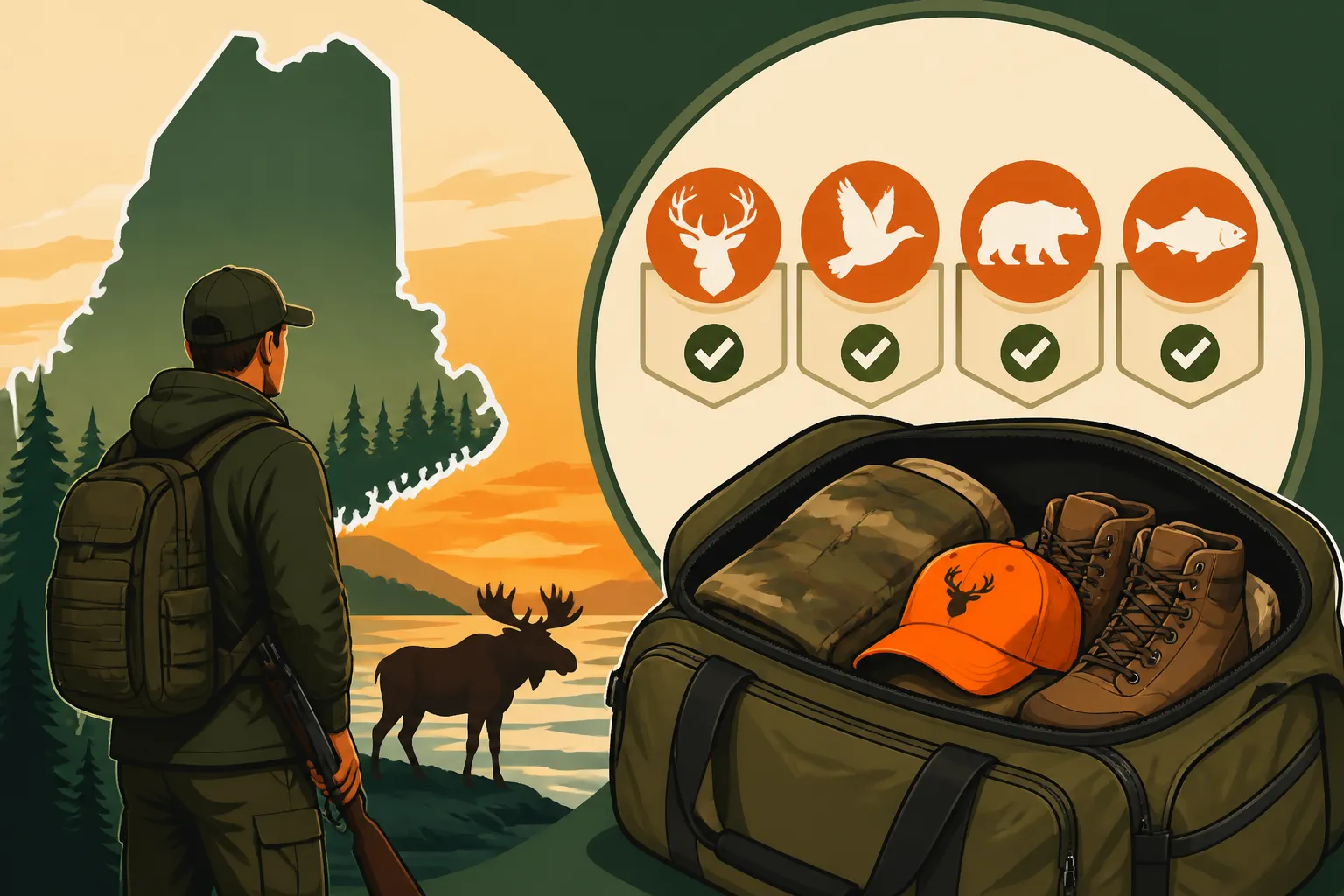
To complicate matters further, some types of hunting in Maine require additional stamps or certifications. Migratory bird hunting, which includes popular species like sea ducks, requires both state and federal certifications.
If you plan to hunt ducks, geese, or other migratory game birds, you'll need to purchase a Federal Duck Stamp. This is a federal requirement, not just a state one, and the funds from these stamps go directly towards conserving wetlands and waterfowl habitat. In addition to the Federal Duck Stamp, you'll need to register with the Migratory Bird Harvest Information Program (HIP). While HIP registration is usually free, it's still a requirement you need to fulfill yourself. Your outfitter might remind you, but they won't handle the payment or registration for you. For more information on this, see Maine Federal Duck Stamp Requirement.
Archery-specific permits or muzzleloader permits are also sometimes required, depending on the season and your chosen weapon. These are usually small fees, but they are still on your tab, not the outfitter’s. Each of these specific requirements represents a distinct line item in your overall hunting budget that you need to account for personally.
Deciphering Outfitter Packages: What's Typically Included (and What Isn't)
So, if outfitters don't cover your licenses, what do they actually include? This is the heart of understanding your booking and preventing unexpected costs. Reputable outfitters are usually very clear about what their packages entail, but it’s always on you, the hunter, to read the fine print and ask questions.
Common Inclusions in Outfitter Packages
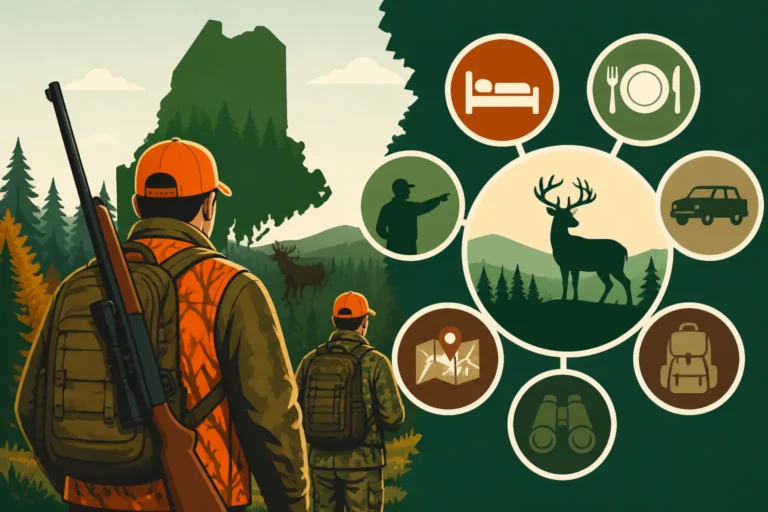
When you book a package with a Maine hunting outfitter or a sporting camp, you're primarily paying for their expertise, access, and logistical support. These are the things that make a guided hunt so valuable, especially for nonresidents or those unfamiliar with specific regions or hunting methods.
- Guide Service: This is the core offering. You're paying for a Registered Maine Guide to lead your hunt, provide insights into game movement, scouting, calling, tracking, and recovery. They know the land, the game, and the local regulations. For details on guides, read Hiring a Registered Maine Guide.
- Lodging: Most packages include accommodations, whether it's a rustic cabin in the North Woods, a comfortable lodge, or a remote tent camp. This often includes bedding and basic amenities.
- Meals: Many full-service outfitters and sporting camps provide meals, typically breakfast, lunch (often a packed lunch for the field), and dinner. These can range from hearty home-cooked fare to more gourmet options, depending on the camp.
- Transportation During the Hunt: Once you arrive at the outfitter's base camp, they will typically handle transportation to and from hunting areas. This might involve ATVs, trucks, boats, or snowmobiles, depending on the terrain and season.
- Game Care (Initial): Basic field dressing, caping for taxidermy, and getting the animal back to camp for storage are often included. Some might even have cold storage facilities. However, advanced processing is usually extra.
- Pre-Scouting/Baiting: For bear hunts, bait sites are usually established and maintained by the outfitter well in advance of the season, and this labor is built into the package cost. For deer or moose, guides will have done extensive scouting to know active areas.
What You Should Always Expect to Pay Separately
This is the critical list of items that almost universally fall outside the scope of an outfitter package. Getting these clear upfront will save you a lot of grief and prevent budgeting surprises.
- Hunting Licenses and Permits: As we’ve discussed, your base hunting license, any species-specific tags (like moose, bear, or turkey permits), and federal stamps (like the duck stamp) are your responsibility. This is the biggest single item that new hunters often misunderstand.
- Travel To and From Camp: The cost of getting yourself to the outfitter's meeting point or camp is always yours. This includes flights, gas, vehicle wear and tear, or any shuttle services you might arrange independently.
- Meat Processing: While field dressing is often included, having your game professionally processed into cuts, wrapped, and frozen is almost always an additional cost. Outfitters will usually have a trusted local butcher they recommend.
- Taxidermy: If you want to mount your trophy, that's an entirely separate service and expense. Your guide can prepare the hide/head for the taxidermist, but the taxidermy itself is on you.
- Gratuities for Guides and Camp Staff: Tipping is customary and expected in the hunting industry, much like in hospitality. Your guide, cooks, and other camp staff work incredibly hard to make your trip successful and enjoyable. These tips are never included in the package price. To understand this better, you can review Tipping a Maine Hunting Guide.
- Personal Gear and Ammunition: Your rifle, bow, clothing, boots, backpack, binoculars, and ammunition are all items you bring yourself.
- Alcoholic Beverages: While some camps might offer non-alcoholic drinks, any adult beverages are typically purchased separately by the hunter.
- Special Requests or Customizations: Any specific needs outside the standard package, like extra days, specialized equipment rentals, or additional non-hunting activities, will incur extra charges.
To make it clear, here's a quick comparison:
| Category | Typically Included by Outfitter | Typically Not Included by Outfitter (Hunter's Expense) |
|---|---|---|
| Guide Service | Yes | No |
| Lodging | Yes | No |
| Meals | Yes (for full-service packages) | Snacks, alcoholic beverages |
| Transportation (on-hunt) | Yes (to/from hunting areas from camp) | Travel to/from home to outfitter's meeting point |
| Game Care | Field dressing, caping, initial storage | Professional meat processing, taxidermy |
| Hunting Licenses | No | All base licenses, permits, stamps (deer, bear, moose, turkey, migratory bird) |
| Personal Gear | No | Hunting clothing, weapons, ammo, optics, personal items |
| Gratuities | No | Tips for guides, cooks, camp staff |
| Insurance | No (usually recommended for hunter) | Travel insurance, hunting specific insurance |
The "Hidden" Costs to Budget For
Beyond the obvious, there are always a few "hidden" costs that can sneak up on you if you don't plan for them. These aren't necessarily hidden because outfitters are trying to trick you, but because they are highly personal and variable.
- Souvenirs and Gifts: If you visit a local town or sporting goods store, you might find something you want to bring home.
- Unexpected Gear Needs: Did you forget your gloves? Rip your waterproof pants? A quick trip to a local outfitter or general store can add up.
- Emergency Supplies: While rare, an emergency can lead to unexpected costs.
- Communication: If you're in a remote area, satellite phone rentals or data plans for remote access might be an expense. Many Sporting Camps With No Cell Service exist.
- Post-Hunt Celebrations: A celebratory meal or drinks after a successful hunt can add to your bill.
Thinking through these potential extras can help you build a more robust budget for your overall trip.
Navigating the License Labyrinth as a Nonresident Hunter
For out-of-state hunters, the Maine licensing system can feel particularly complex. The state has specific requirements designed to manage hunting pressure and generate revenue for conservation, and these often differ significantly from what residents face.
Maine's Nonresident License Options
As a nonresident, your primary hurdle is obtaining the base nonresident hunting license. This is often the most expensive single license you'll purchase. Many states, including Maine, also offer combination licenses that might bundle hunting and fishing privileges. While these can sometimes be a good value if you plan to do both, always calculate if the combined cost is truly beneficial for your specific trip. You can learn more about these specific options through Maine Nonresident License Options.
It's also worth noting that Maine has specific regulations regarding guiding nonresidents for certain species. For instance, in some situations, nonresidents may be required to hire a guide for certain hunts if they don't meet specific residency or experience criteria. While a licensed guide is typically already part of a package, understanding this nuance is important.
Applying for Lottery Permits Through an Outfitter
When it comes to highly sought-after permits like a Maine moose permit, outfitters play a crucial role, not by covering the cost, but by guiding you through the application process. Many reputable outfitters will help their clients apply for the moose lottery, ensuring all the paperwork is correctly filled out and submitted by the deadline. They might offer advice on which Wildlife Management Districts (WMDs) to apply for based on their scouting and success rates, increasing your odds of drawing a tag in a zone they operate in.
However, the application fee and the permit fee if you win the lottery are always the responsibility of the hunter. An outfitter might collect these fees from you to submit as a group, but they are simply facilitating the process; they are not paying for your permit. This is an important distinction, as the cost of a moose permit for a nonresident can be quite substantial. Make sure you understand What a Drawn Moose Zone Assignment Means for your hunting prospects.
Verifying License Inclusion Before You Book
This cannot be stressed enough: always verify what is included in your package before you commit to booking. Never assume. A simple, direct question to your outfitter can clear up any ambiguity.
When you're comparing packages, whether through an outfitter directly or via platforms like BookYourHunt or GoHunt, make sure the description clearly states what's covered. If it doesn't mention licenses, assume they are not included.
Here are a few questions to ask:
- "Does your package include the base Maine hunting license?" (The answer will almost certainly be no.)
- "Does your package cover any species-specific permits, such as a bear permit or a turkey permit?" (Again, likely no.)
- "What about federal stamps like the duck stamp, or HIP registration?"
- "Can you provide a detailed breakdown of all my expected out-of-pocket costs, including estimated license fees, before I book?"
Any reputable outfitter will be happy to provide this transparency. If they are vague or evasive, consider that a red flag. Using platforms like BookYourHunt can be helpful here, as they often standardize how packages are listed, making it easier to compare and see what's included and excluded across different outfitters. It helps to clearly define what's part of the deal and what you're on the hook for.
Smart Strategies for Budgeting Your Maine Hunt
Navigating the financial aspects of a guided Maine hunt doesn't have to be a source of stress. With a proactive approach and a clear understanding of what to expect, you can budget effectively and focus on the thrill of the hunt.
Asking the Right Questions Before You Commit
Before you hand over any deposit, a thorough conversation with your potential outfitter is crucial. This isn't just about clarifying costs; it's also about gauging their professionalism and ensuring they're a good fit for your hunting style and expectations. Beyond licenses, ask about:
- Total Package Price: Get a clear, all-in figure for the package itself.
- Deposit and Payment Schedule: Understand when payments are due and what the cancellation policy is.
- What to Bring List: A good outfitter will provide a comprehensive list of recommended gear, clothing, and personal items.
- Success Rates: While success rates aren't guaranteed, they can give you an idea of what to expect. Just be sure to ask Questions to Ask Before Booking an Outfitter to ensure clarity.
- Hidden Fees: Ask specifically if there are any other fees that might come up during the trip.
- References: A reputable outfitter will be able to provide references from past clients.
Remember, clear communication upfront prevents misunderstandings and makes for a more enjoyable trip.
Utilizing Resources for Transparent Booking
In today's digital age, hunters have more resources than ever to research and book hunts. Websites and platforms designed to connect hunters with outfitters can be invaluable in clarifying what license costs an outfitter package covers.
For example, platforms like BookYourHunt and GoHunt often feature detailed listings for Maine outfitters, breaking down package inclusions and exclusions explicitly. These sites aim to provide transparency, allowing you to easily compare offerings and see whether licenses, permits, and other common add-ons are part of the stated price or if they're separate expenses. Using such platforms can streamline your research and help you pinpoint outfitters who are clear about their pricing structure. They are designed to help you avoid those frustrating surprises by presenting information in a consistent, easy-to-digest format.
Beyond booking platforms, online forums and reviews can also offer insights. Past clients often share their experiences, including details about unexpected costs or how transparent an outfitter was with their pricing. Doing your homework across multiple sources is always a smart move.
Planning Ahead for Permit Deadlines and Costs
Many of Maine's most popular hunts, like moose and some antlerless deer opportunities, involve lottery drawings with strict application deadlines. Missing a deadline means missing out on the opportunity, regardless of whether you’ve booked an outfitter.
It's wise to research the Maine Hunting Licenses and What They Cost well in advance of the season you plan to hunt. Keep a calendar of key dates for permit applications, lottery results, and license purchases. Outfitters can guide you on these dates, but ultimately, the responsibility for applying and paying on time rests with you.
By understanding the license costs, knowing what to expect from your outfitter, and budgeting for those inevitable extras, you can ensure your Maine hunting adventure is memorable for all the right reasons, not for unexpected bills. Maine offers some truly wild and rewarding hunting experiences; a little homework beforehand will ensure you can fully immerse yourself in the journey.
Disclaimer
This article is for general informational purposes only and does not constitute professional advice. Laws, prices and regulations vary by location and change over time. Consult a qualified professional for guidance on your specific situation.