Tipping a Maine Hunting Guide
One of the trickiest parts of planning any guided hunting trip in Maine, especially if you're new to using a guide, often isn't the booking or the packing, but rather that moment at the end of the trip: knowing how and what to tip. It can feel awkward and uncertain, leaving many hunters wondering if they've shown enough appreciation for the guide's hard work. This guide aims to demystify the process of tipping your Maine hunting guide, ensuring you feel confident and appreciative after your incredible outdoor adventure.
Why Tipping Your Maine Hunting Guide Matters
Let's be real, a Maine hunting guide isn't just someone who points you to a good spot. They're often the unsung heroes of your trip, putting in countless hours before, during, and even after your hunt. Understanding this can really shift your perspective on why tipping isn't just an expectation but a genuine gesture of respect for their profession and dedication.
Acknowledging Hard Work and Dedication
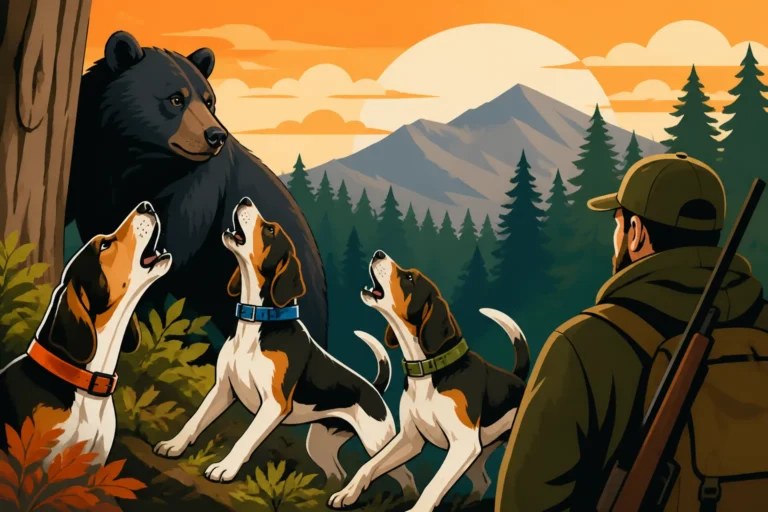
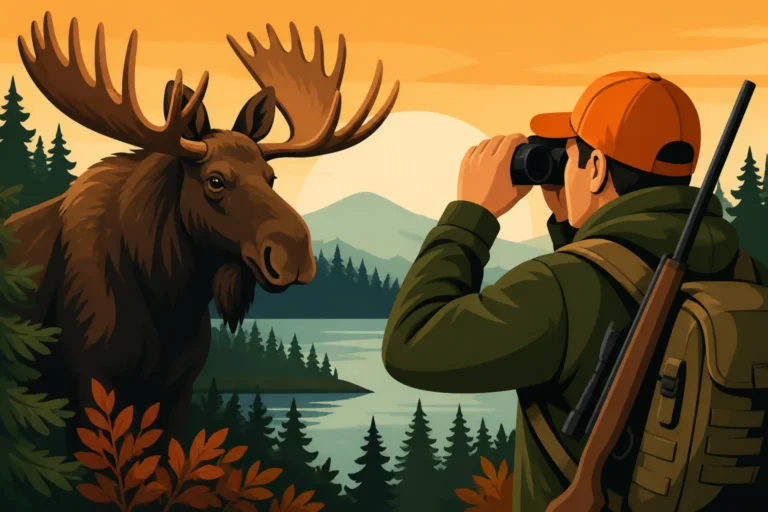
Think about everything a guide does. Before you even arrive, they've likely spent weeks, if not months, scouting, setting up stands, checking trail cameras, monitoring game movement, and making sure all the necessary permits and logistics are in place. If you're on a Booking a Guided Maine Bear Hunt, they might have been baiting sites for weeks, checking them daily. For a Booking a Guided Maine Moose Hunt, they've probably been out glassing cuts and calling to pattern animals. This isn't just a part-time gig; it's a lifestyle that demands constant attention to the details of the Maine woods.
During your actual hunt, your guide is your alarm clock, your chef, your driver, your tracker, and often, your therapist! They're up before dawn, often in the pitch black, getting you to your stand or blind, ensuring your safety, and doing everything possible to put you in front of game. They share their deep knowledge of the area, the animal behavior, and the local traditions. This level of personalized service and commitment is what makes a guided trip truly special, and a tip is a direct way to acknowledge that effort.
The "Hidden" Costs of Guiding
When you see the upfront cost of a guided trip, it might seem substantial, but it often doesn't fully account for a guide's operating expenses. They're running their own small business, which comes with a myriad of costs that the average hunter might not consider. Fuel for their truck, ATV, or boat, maintenance on all that equipment, licenses, insurance, gear replacement, and even the cost of specialized tracking dogs for some hunts all add up significantly.
Many guides rely heavily on tips to supplement their income, much like servers or fishing captains. The daily rate you pay often covers overhead and a baseline income, but it's the tips that truly reflect the value of their expertise and hard work. By tipping generously, you're not just rewarding a single individual; you're contributing to the sustainability of a passionate profession that helps keep Maine's rich hunting heritage alive. This is especially true for independent guides or those working at smaller Maine Sporting Camps Explained.
Building Long-Term Relationships
Tipping isn't just transactional; it's relational. A fair and thoughtful tip at the end of your trip shows your guide that you appreciate their efforts, and it can open doors for future bookings and even better experiences. Guides often remember clients who are respectful, easy to work with, and appreciative. If you plan on becoming a repeat client, perhaps for Hunting Maine's November Firearms Deer Season or Hunting Maine's Generous Fall Turkey Season year after year, establishing a good rapport that includes a fair tip is invaluable.
A positive experience, capped off with a genuine thank you and a good tip, means your guide will be more eager to accommodate you in the future, maybe even going the extra mile to secure your preferred dates or put you on a prime piece of ground they've been scouting. It’s about more than just money; it's about mutual respect and camaraderie in the hunting community. A guide might even offer to call you if a last-minute cancellation opens up a prime slot, knowing you're a good client.
How Much to Tip: General Guidelines and Industry Standards
So, you understand why to tip, but the big question remains: how much? There's no hard and fast rule set in stone, but industry standards provide a helpful starting point. Remember, these are guidelines, and personal discretion always plays a role based on your specific experience.
Percentage-Based Tipping: The Common Approach
The most widely accepted practice for tipping a hunting guide is to base it on a percentage of your total trip cost. This method is familiar from other service industries and scales naturally with the duration and expense of your hunt.
Generally, a tip of 10% to 20% of the total hunt cost is considered appropriate.
- 10-15% is typically considered a good, solid tip for a guide who performed competently, safely, and professionally. They did their job well, got you out there, and delivered on the expectations of the trip.
- 15-20% or even higher is reserved for guides who truly went above and beyond. This could mean they put in extraordinary effort, navigated difficult conditions with grace, provided exceptional hospitality, or genuinely made your trip unforgettable, even if a harvest didn't occur.
Let's say your What a Guided Maine Deer Hunt Costs package was $2,000 for a three-day hunt. A 15% tip would be $300, while a 20% tip would be $400. This range gives you flexibility to reflect your satisfaction level. Many hunters find it useful to budget for this tip amount when they are first planning their trip, just like they budget for licenses and gear. You can even find platforms like BookYourHunt.com or GoHunt.com that, while focused on booking, often have community forums where hunters discuss these kinds of expectations.
Flat-Rate Tipping for Shorter Trips or Specific Services
While percentage-based tipping works well for multi-day, all-inclusive packages, sometimes you might hire a guide for a shorter, more specific service where a percentage might feel less intuitive. For example, maybe you've hired a local Maine guide for a single day of Grouse Hunting Maine Alder Runs or to help track a wounded deer after you've made your own shot.
In these scenarios, a flat-rate tip can be more appropriate. For a single-day guided trip, a tip ranging from $100 to $250 per day per hunter is a common range, depending on the intensity of the service and the guide's effort. For specialized services like tracking, where the guide might spend several hours with a dog, a tip of $50 to $150 might be suitable, acknowledging their specific skill and time.
It's always a good idea to clarify the guide's preferred tipping structure or general expectations beforehand, especially if it's a less conventional service. Don't be shy to ask when you're making initial inquiries – a professional guide will appreciate your thoughtfulness. This is one of those Questions to Ask a Maine Outfitter during your pre-booking conversations.
Factors That Influence Tip Amounts
While percentages provide a baseline, many elements can sway your final tip amount. It’s a holistic assessment of your experience.
Here's a quick table to illustrate some influencing factors:
| Factor | Potential Impact on Tip | Explanation |
|---|---|---|
| Guide's Effort | Higher | Did they work tirelessly? Were they energetic and proactive? Did they go the extra mile to ensure comfort? |
| Guide's Knowledge | Higher | Did they demonstrate deep understanding of game, terrain, and local conditions (e.g., Wind and Thermals in Maine Hill Country)? |
| Safety & Professionalism | Baseline/Higher | Was the trip run safely? Was the guide organized, punctual, and respectful? This is expected, but exceptional execution deserves recognition. |
| Hospitality & Personality | Higher | Was the guide personable, friendly, and did they make the camp experience enjoyable? Great company adds value. |
| Success Rate | Moderate | While a harvest is never guaranteed, a guide's ability to put you on game often influences perception. However, effort is key, not just results. |
| Weather Conditions | Higher (if challenging) | Did the guide adapt well to tough weather (e.g., Hunting After a Cold Front) and maintain a positive attitude despite difficulties? |
| Quality of Equipment | Moderate | Was the gear (stands, blinds, vehicles) well-maintained and appropriate for the hunt? |
When considering these factors, think beyond just filling your tag. Did the guide create an experience that you'll cherish, regardless of the outcome? Did they teach you something new about White-Tailed Deer Across Maine or American Woodcock in Maine? These intangible aspects are often more valuable than a trophy.
When to Adjust Your Tip: Beyond the Standard Percentages
Sometimes, the standard 10-20% might feel either too low or too high based on the actual experience. This is where personal judgment comes in. It's perfectly acceptable to adjust your tip to truly reflect the quality of the service you received.
Exceptional Service and Going Above and Beyond
There are those guides who just get it. They don't just guide; they create an unforgettable experience. Maybe your guide anticipated your needs before you even voiced them, like having a hot cup of coffee ready before a freezing morning sit. Perhaps they shared incredible stories of the North Maine Woods Gate System or taught you a new calling technique for Calling an Early May Gobbler Off the Roost. They might have gone significantly out of their way to retrieve a downed animal from difficult terrain, spending hours meticulously Tracking a Deer in Fresh Maine Snow or Blood Trailing After Dark in Maine.
When a guide provides exceptional service, going above and beyond the call of duty, a tip towards the higher end of the 15-20% range, or even exceeding it, is a wonderful way to show your deep appreciation. This tells them their extra effort was noticed and truly valued. It differentiates them from a guide who simply did the bare minimum.
Challenges, Conditions, and Unforeseen Circumstances
Hunting in Maine, especially in the remote North Woods, often means dealing with Mother Nature's unpredictable temperament. Heavy rain, sudden snowstorms, or unexpected equipment breakdowns can turn a smooth hunt into a challenging ordeal. How your guide handles these situations can be a significant factor in your tipping decision.
A good guide will remain calm, problem-solve efficiently, and prioritize your safety and comfort through adverse conditions. If your guide navigated treacherous roads, kept spirits high despite bad weather, or quickly fixed a broken ATV with ingenuity, their resilience and resourcefulness deserve extra recognition. They might have turned what could have been a miserable trip into a memorable adventure. Their ability to adapt and maintain a positive attitude under pressure is a testament to their professionalism and often warrants a more generous tip.
The "No Harvest" Dilemma and Tipping Ethics
This is perhaps the most sensitive aspect of tipping: what do you do if you don't harvest an animal? It's a common misconception that tips are solely based on success. In reality, a guide's efforts are what you're tipping for, not just the outcome, which is often influenced by factors beyond their control, such as weather, game movement, or even your own shooting.
A reputable guide will tell you upfront that hunting is never a guarantee. They promise to put you in the best possible position and work tirelessly to give you an opportunity. If your guide put in the effort, scouted diligently, adapted to conditions, and showed you plenty of game, but you simply didn't connect, or the animals just weren't moving, then they still deserve a tip within the standard range (10-15%). Their hard work, knowledge, and dedication were still present, even if luck wasn't on your side. Think of it as tipping for the experience, not just the kill. This is a fundamental ethical principle of Hiring a Registered Maine Guide.
Practicalities of Tipping: Cash, Checks, and Digital Payments
Once you've decided on the amount, the next question is how to actually give the tip. The method matters, and having your ducks in a row ensures a smooth and respectful exchange.
The Preferred Method: Cash is King
In almost all cases, cash is the preferred method for tipping a Maine hunting guide. There are several reasons for this:
- Immediacy: Cash can be given directly to the guide at the end of the trip, providing immediate recognition.
- Privacy: It's a discreet transaction between you and the guide.
- Convenience for the Guide: Guides are often in remote areas, and dealing with credit card processing or waiting for checks to clear can be cumbersome. Cash is universally accepted and allows them direct access to their earnings.
- Tax Considerations: While guides should report all income, cash tips are sometimes simpler for them to manage.
It's a really good idea to plan ahead and withdraw the anticipated tip amount before you head into the woods. Many remote Maine Sporting Camps Explained or North Woods checkpoints don't have ATMs, and cell service can be spotty for digital transactions. Having the cash ready simplifies everything. This is a common piece of advice, often discussed when thinking about Tipping in Cash Versus Ahead of Time.
When Other Payment Methods Come Into Play
While cash is king, there might be situations where other payment methods are necessary or acceptable.
- Checks: If you're giving a very large tip, or if you simply didn't have enough cash on hand, a personal check can be an option. Always confirm with your guide if they accept checks, as some might prefer not to. Make sure it's written clearly and given directly to the guide.
- Digital Payment Apps (Venmo, PayPal): In more modern operations or with younger guides, digital payment apps might be an option. However, never assume this is the case. Always ask your guide if they use such services and if they prefer them. Be aware that these apps often have fees for business transactions, which might cut into the guide's earnings. Also, remember that cell service in many of Maine's prime hunting areas can be nonexistent, making these apps impractical until you're back in civilization.
The best practice is always to have cash ready, and only resort to other methods if the guide explicitly suggests them or if you have no other choice.
Tipping the Support Staff: Don't Forget the Crew
Sometimes, your guided hunt isn't just about the primary guide. Many operations, especially larger Maine Sporting Camps Explained, might have additional staff who contribute to your experience. This could include:
- Camp cooks: Providing delicious meals and keeping you fueled.
- Assistant guides or spotters: Helping with glassing, calling, or tracking.
- Housekeepers: Keeping your cabin clean and comfortable.
- Game processors: Assisting with field dressing or butchering.
These individuals also work hard to make your trip enjoyable and deserve recognition. It's common practice to tip them separately, or to give a lump sum to the head guide with clear instructions on how to distribute it among the staff. A general guideline for support staff might be $20-$50 per person per day, or a pooled amount if you give it to the lead guide. When booking with services found on platforms like BookYourHunt, you might even find their policies regarding staff tipping clearly outlined. Always ask if there's a specific "tip jar" for staff or if your main guide handles distribution.
The Etiquette of Tipping: When and How to Present Your Gratitude
Presenting a tip gracefully is just as important as the amount itself. It's a gesture of appreciation, not a transaction to be rushed or handled awkwardly.
Presenting the Tip: End of the Hunt
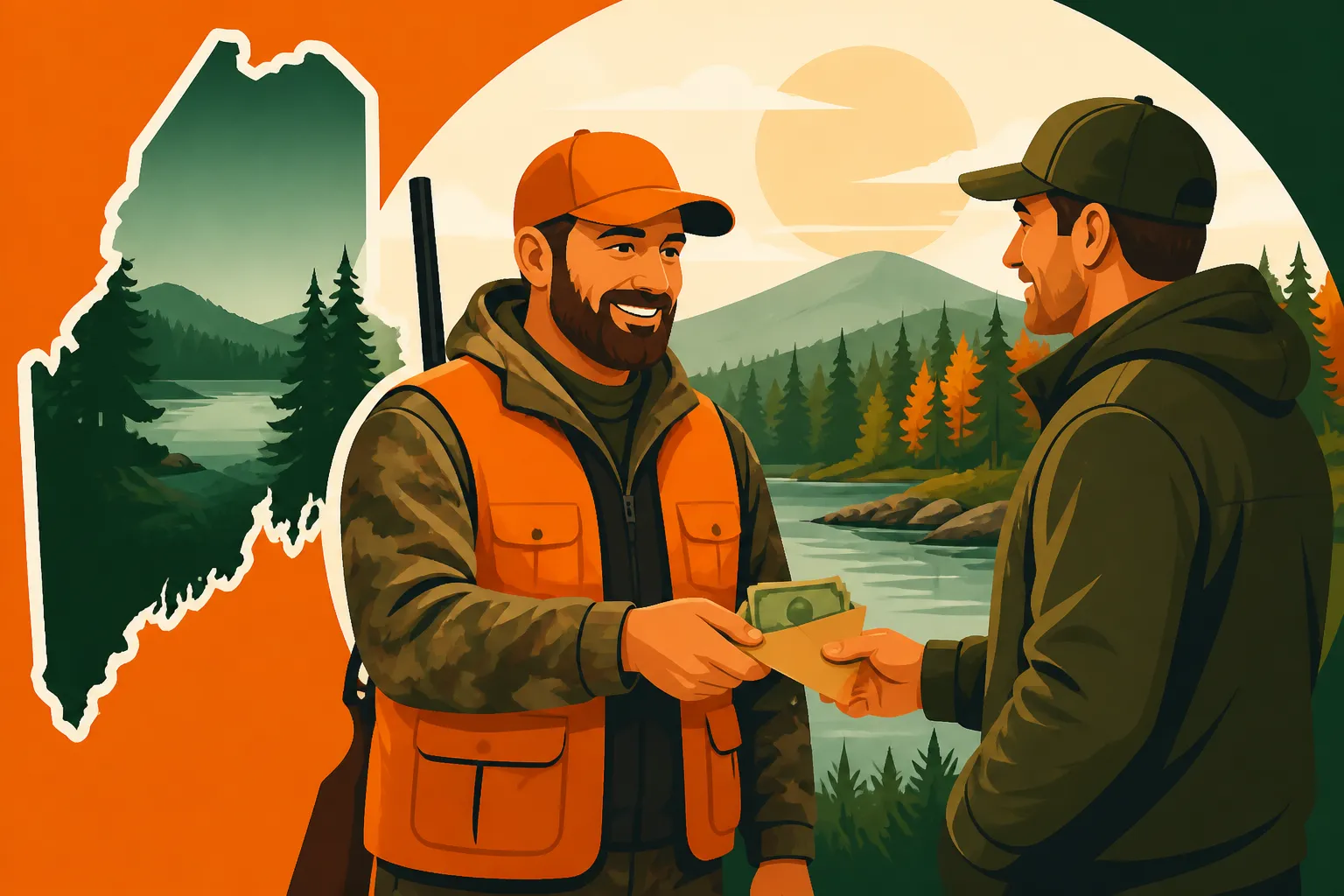
The most appropriate time to present your tip is at the very end of your hunt, just before you depart or during your final farewell. Waiting until the very end ensures that the entire experience has concluded and allows you to base your tip on the complete picture of their service.
- Avoid Tipping Too Early: Don't tip on the first day, even if things are going great. It can be seen as presumptuous or create an uncomfortable dynamic for the rest of the trip.
- Find a Private Moment: While not strictly necessary, if possible, try to find a moment to give the tip to your guide privately. This can make the exchange more personal and less awkward than doing it in front of a large group, although in a bustling camp, a discreet handover might be the best you can do.
A simple, heartfelt "Thank you for an incredible trip, I really appreciate all your hard work and effort" accompanied by the envelope or handshake with the cash, is often all that's needed. This sentiment goes a long way and is more meaningful than a silent exchange of money.
A Personal Thank You Goes a Long Way
Beyond the monetary tip, a genuine, personal thank you is priceless. Take a moment to articulate what you appreciated most about their service. Did they patiently teach you about Hunting a Ridge-Top Saddle for Rutting Bucks? Did they expertly navigate a Recovering a Deer From a Cedar Swamp? Did they share a great story around the campfire?
Expressing specific examples of their excellent service makes the thank you more meaningful and reinforces their dedication. This personal touch builds a stronger connection and helps the guide feel genuinely valued, not just compensated. This human element is what turns a good trip into a great one and fosters those long-term relationships we talked about earlier.
What If You Have a Bad Experience?
This is a tough one, but it happens. What if your guide was unprofessional, unsafe, or simply didn't deliver on reasonable expectations? First, distinguish between a "no harvest" situation (where effort was made) and a truly "bad experience" (where the guide's performance was lacking).
- If the Guide Tried Their Best but Luck Wasn't There: As mentioned, a standard tip (perhaps at the lower end of the 10-15% range) is still appropriate for their effort.
- If the Guide Was Truly Unprofessional or Unsafe: In rare cases of genuinely poor service, unsafe practices, or egregious behavior, you are absolutely not obligated to tip the standard amount, or even at all. This is a situation where you might consider reducing your tip significantly, or in extreme cases, withholding it. However, if you choose to withhold a tip, it's often advisable to also communicate your concerns to the outfitter or camp owner. This provides valuable feedback and helps address potential issues. You can even use resources like GoHunt to research potential outfitters and their reviews to minimize these risks upfront. Always document any serious concerns, and don't hesitate to report unethical or illegal behavior to the Maine Department of Inland Fisheries and Wildlife. This is part of doing your due diligence, similar to Checking an Outfitter's Maine License.
Beyond the Cash: Other Ways to Show Appreciation
While a monetary tip is the primary way to show gratitude, there are other, equally valuable ways to appreciate your Maine hunting guide, especially if you had an outstanding experience. These gestures can significantly impact their business and reputation.
Spreading the Word: Referrals and Reviews
For any guide or outfitter, word-of-mouth is golden. If you had a fantastic trip, telling others about it is one of the best forms of appreciation.
- Personal Referrals: Recommend your guide to friends, family, and fellow hunters who are looking for a Hiring a Registered Maine Guide. A direct referral from a satisfied client is incredibly powerful and often leads to future bookings.
- Online Reviews: Take the time to write a positive review on their website, social media pages, or popular hunting forums. Mention specific details that made your trip great. Platforms like BookYourHunt and GoHunt thrive on user reviews, so leaving a detailed, positive write-up there can be hugely beneficial for your guide's visibility and credibility. A well-written review can be seen by hundreds, if not thousands, of potential clients.
These actions cost you nothing but a little time, yet they can provide a guide with invaluable marketing and new business opportunities, which translates into real income.
Small Gestures and Thoughtful Gifts
Sometimes, a little something extra, beyond the cash, can make a lasting impression. These aren't mandatory, but they are a lovely way to personalize your thank you.
- Small Gifts: A good quality knife, a useful piece of hunting gear, a gift certificate to a local sporting goods store, or even a nice bottle of coffee or local Maine maple syrup can be a thoughtful gesture. Consider something that reflects a shared interest or a conversation you had during the hunt.
- Sharing Your Harvest: If you bagged an animal, offering to share some of the meat with your guide or their family is a classic gesture of hunting camaraderie. It's a way to close the circle of the hunt and share in the bounty.
- Photos: Send your guide some of your best photos from the trip, especially if you captured them with your game. Guides love to have pictures of their clients with successful harvests for their portfolios and memories.
These small, personalized tokens of appreciation show that you truly valued their role in your experience and thought of them beyond the financial transaction.
Maintaining Contact and Future Bookings
Finally, staying in touch and rebooking for future hunts is perhaps the highest compliment you can pay a guide.
- Stay in Touch: A simple email or phone call a few weeks after your trip to say hello, check in, and perhaps share how the meat turned out, shows genuine connection.
- Rebook: If you had a great time, don't hesitate to express your interest in booking another trip for next season. Knowing they have repeat clients is a huge source of satisfaction and business stability for guides. This shows not just appreciation for a single trip, but confidence in their long-term ability to provide exceptional experiences. For example, if you had a great bear hunt this year, express interest in Hunting the Expanded Archery Season Into December with them next year.
Ultimately, your relationship with your Maine hunting guide is a partnership in pursuit of an incredible outdoor experience. A thoughtful tip, coupled with genuine appreciation, ensures that relationship remains strong and mutually rewarding for years to come.
Disclaimer
This article is for general informational purposes only and does not constitute professional advice. Laws, prices and regulations vary by location and change over time. Consult a qualified professional for guidance on your specific situation.