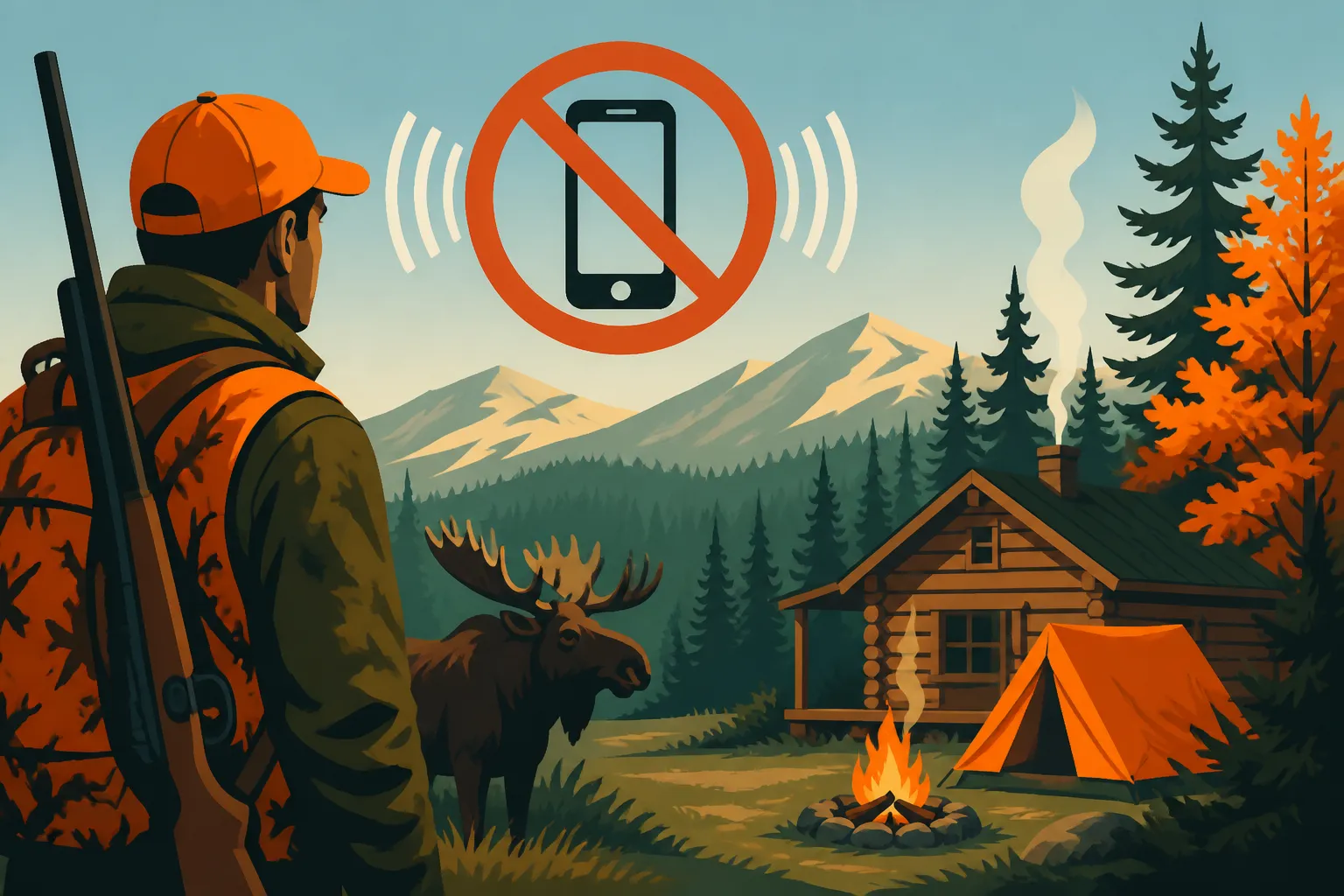
Sporting Camps With No Cell Service
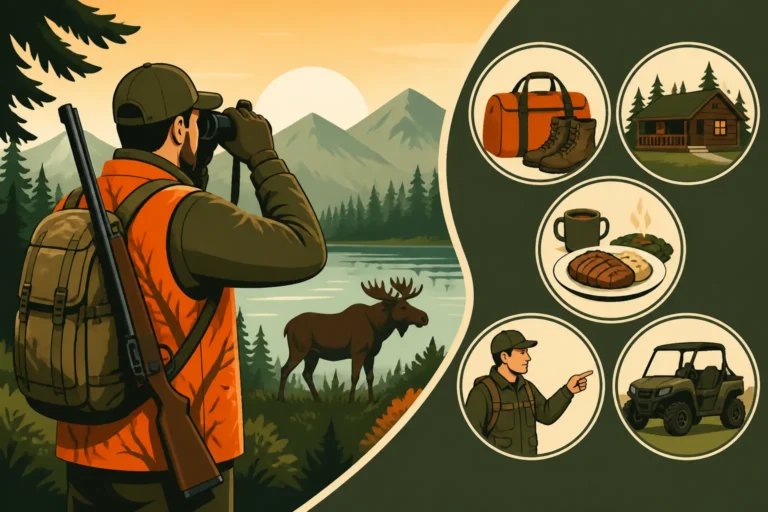
In our hyper-connected world, where the constant buzz of notifications and emails can feel relentless, the idea of truly disconnecting has become a rare luxury, especially when you're dreaming of a deep woods hunting trip in Maine. It's a common frustration to plan an escape to the wilderness, only to find yourself still tethered to the digital world. This guide dives into the unique and rewarding experience of Maine's sporting camps that are truly off the grid, offering a much-needed respite from connectivity and how to embrace and prepare for an adventure where your phone is just a camera, not a lifeline.
The Allure of Disconnecting in Maine's Wilderness
There's a special kind of peace that settles over you when your cell phone screen displays "No Service." For many, the very thought brings a shiver of anxiety, but for a growing number of hunters and outdoor enthusiasts, it's the ultimate goal. Maine, with its vast tracts of undeveloped forests and remote lakes, offers some of the last bastions of true wilderness in the Eastern United States, and that often means leaving your digital leash behind.
Why Go Off-Grid for Your Hunt?
The reasons hunters seek out places devoid of cell service are as varied as the landscapes themselves, but they often boil down to a profound desire for immersion and simplicity. Imagine waking up to the sound of a loon calling across a still lake, not the insistent ping of a text message. Picture hours spent tracking deer or calling a moose, your mind entirely focused on the hunt, rather than wondering what's happening back home or checking social media. This deep focus is incredibly liberating. It strips away the distractions of modern life, allowing you to connect more intimately with the rhythm of the wilderness and the ancient pursuit of hunting. It's a chance to truly decompress, to engage fully with your companions, and to appreciate the quiet grandeur of Maine's remote forests without interruption.
The frustration of constantly being "on call," even on vacation, is a real one. Many hunters feel that even a momentary glance at their phone can pull them out of the moment, breaking the spell of the wild. By consciously choosing a camp with no cell service, you're making a statement: this time is for the woods, for the hunt, and for genuine human connection, unmediated by screens.
The Mental Health Benefits of an Unplugged Trip
It might sound dramatic, but a digital detox can do wonders for your mental well-being, and a hunting trip in a remote Maine sporting camp is an ideal setting for it. The constant stimulation from our devices can lead to mental fatigue, increased stress, and a diminished ability to focus. When you remove that stimulus, your mind has a chance to slow down, to process thoughts more deeply, and to simply be. The silence of the woods, broken only by natural sounds, can be incredibly restorative. You might find your senses sharpening, noticing details in the forest that typically get overlooked.
This unplugged state fosters a different kind of camaraderie. Without phones to retreat into, conversations become richer and more sustained. Stories are told, lessons are shared, and bonds are strengthened around the campfire or over a hearty meal. It’s a return to simpler times, where human interaction and the natural world are the primary sources of engagement. This intentional disconnection allows for a deeper appreciation of your surroundings and a clearer perspective on what truly matters. It’s an opportunity to truly be present, which is a rare and precious commodity in today’s world.
What to Expect from a Cell-Free Sporting Camp Experience
When you commit to a sporting camp with no cell service, you're not just choosing a place to stay; you're opting for a specific kind of adventure. It's about stepping back in time a little, embracing a different pace, and understanding that communication will happen on the camp's terms, not your smartphone's. These camps are often nestled deep within the vast tracts of the North Maine Woods or tucked away on secluded lakeshores, offering an authentic wilderness immersion that modern amenities sometimes dilute.
Communication Alternatives in Remote Camps
Just because you don't have cell service doesn't mean you're completely cut off from the outside world in an emergency. Reputable sporting camps in remote areas understand this concern and provide reliable alternatives for urgent communication. Most will have a landline phone, often a satellite phone, or a VHF radio for direct contact with local authorities or for reaching out to family in case of a true emergency. These are not for casual calls, but for critical situations.
Many camps also have a schedule for checking messages or a designated time when guests can use their communication devices if provided. It's common for them to have Wi-Fi available in a central lodge for a brief period each day, or to offer a satellite internet connection that can be accessed for a fee, primarily for checking essential emails or sending short messages. This strikes a balance, allowing for necessary contact without letting the digital world invade your entire experience. Always inquire about these specific communication options when booking your stay, so you know exactly what to expect. You might be surprised at how quickly you adapt and even prefer this measured approach to connectivity.
Navigating Logistics Without Constant Connectivity
Planning a hunting trip to a camp with no cell service requires a shift in mindset, especially regarding navigation and coordination. Gone are the days of relying solely on your phone's GPS for directions to the camp or for navigating the woods. You'll need to revert to more traditional methods, which can be part of the adventure! Most camps will provide excellent directions, often detailing landmarks on remote logging roads or even requiring a floatplane or boat ride for access.
Once at camp and heading out for the day, physical maps and compasses become your best friends. Many guides recommend the use of a GPS unit with pre-loaded maps or even a satellite messenger device like a Garmin inReach or a Zoleo, which allows you to send text messages and SOS signals via satellite, no cell service required. These devices are invaluable for safety and for checking in with family at pre-determined times. For finding the perfect spot, learning Reading Aerial Photos for North Woods Deer or Scouting With the Maine Hunting App before you leave an area with service can be incredibly helpful. Furthermore, clear communication with your guide or camp hosts about your daily hunting plans and expected return times is paramount. This ensures that someone always knows your whereabouts, which is a crucial safety measure when you're truly off the grid.
Types of Remote Sporting Camps and What They Offer
Maine's sporting camps vary widely, from rustic, remote cabins accessible only by floatplane or extended drive down logging roads, to more comfortable lodges with a bit more infrastructure, but still firmly in areas without cell coverage. The common thread is their deep immersion in the natural world.
- Traditional, Rustic Camps: These are often family-run, generations-old establishments where the focus is entirely on the outdoor experience. Expect basic but comfortable accommodations, hearty home-cooked meals, and a strong sense of community. Hot water might be limited, and electricity could come from a generator run only at certain hours. These camps are ideal for those seeking a truly authentic, no-frills wilderness experience. They often cater to serious hunters and anglers, providing direct access to prime hunting grounds for Moose in Maine's North Woods or White-Tailed Deer Across Maine.
- Fly-in or Boat-in Camps: Located in the deepest wilderness, these camps offer unparalleled solitude. Access is part of the adventure, often involving a scenic flight over vast forests or a boat trip across a sprawling lake. These camps typically have higher price points due to the logistics involved but promise an experience far removed from civilization. They are perfect for those who want to completely escape and hunt areas with minimal human pressure.
- Larger Lodge-Style Camps: Some remote areas have larger lodges that still operate without direct cell service to individual cabins but might offer a central satellite phone or internet access in the main building. These often provide more amenities, like private bathrooms, and might cater to a wider range of guests, including families or those looking for a slightly softer adventure. They still offer incredible access to hunting and fishing, with Registered Maine Guides often on staff.
Regardless of the type, these camps are typically deeply knowledgeable about their local hunting opportunities, from Bear Hunting Maine's Three Legal Methods to Upland Bird and Small Game Hunting in Maine, and provide invaluable expertise for a successful and safe trip.
Preparing for Your Off-Grid Maine Hunting Trip
A trip to a cell-free sporting camp in Maine isn't just a physical journey; it's a mental one. You'll need to adjust your expectations, pack strategically, and inform others about your plans. This kind of preparation ensures not only your safety but also your ability to truly enjoy the profound disconnect.
Essential Gear for the Unplugged Hunter
When you're heading into an area without cell service, your gear list takes on added importance. Reliability becomes key.
- Navigation: A dedicated GPS unit (with extra batteries!), paper maps of your hunting area, and a compass are non-negotiable. Knowing how to use them without relying on a digital screen is crucial. Consider a satellite messenger device for emergency communication and sending periodic "I'm OK" messages to loved ones.
- Communication: Even if the camp has a satellite phone, you might want your own. A two-way radio can be helpful for communicating with hunting partners in the field.
- Power: Since charging opportunities might be limited or restricted to generator hours, bring portable power banks or solar chargers for any essential electronics (like your GPS, headlamp, or camera).
- First Aid & Survival: A comprehensive first-aid kit, fire-starting materials, a multi-tool, and extra layers of clothing are always smart. Think about what you'd need if you were unexpectedly delayed in the woods overnight.
- Lighting: Reliable headlamps or flashlights with plenty of spare batteries are vital, especially for early morning departures or late evening returns to camp.
- Physical Maps: Even if you're using a GPS, a laminated physical map of the WMD you're hunting is indispensable. Guides can mark specific areas, and it won't run out of battery.
Being prepared means anticipating potential challenges and equipping yourself to handle them independently. This self-reliance is a huge part of the remote hunting experience.
Informing Loved Ones and Emergency Planning
One of the biggest concerns for family members when you head into a cell-free zone is the inability to reach you. Alleviate this anxiety by establishing a clear communication plan before you leave.
- Itinerary Sharing: Provide detailed information about your travel plans, camp location, and expected return date. Give them the camp's landline or satellite phone number, and instruct them on when and how to use it for emergencies.
- Check-in Schedule: If you have a satellite messenger, agree on a regular check-in schedule (e.g., once a day at a specific time) to send a simple "I'm OK" message. This prevents unnecessary worry.
- Emergency Contacts: Leave a list of emergency contacts with your family and with the camp hosts.
- Contingency Plans: Discuss what constitutes a true emergency that warrants calling the camp's emergency line. This avoids false alarms while ensuring critical messages get through.
- Designate a Point Person: Have one reliable person back home who will be the primary contact and can disseminate information to others.
Platforms like BookYourHunt and GoHunt are great for finding these remote camps, and while they might not have a "no cell service" filter, their detailed listings often describe the remoteness and amenities, giving you a strong hint about connectivity. They also provide contact information for the camps, which is essential for these pre-trip communication discussions. Knowing that your loved ones have a clear understanding and a direct channel to the camp if absolutely necessary can help everyone relax and enjoy the unique adventure.
Mental Adjustment: Embracing the Digital Detox
The most challenging part of going off-grid might not be the physical preparation, but the mental adjustment. We are so conditioned to instant gratification and constant information flow that stepping away can feel unsettling at first. Embrace it!
- Manage Expectations: Understand that you won't be able to look up every question on Google or share every moment instantly. This forces you to observe more, remember more, and engage in deeper conversations.
- Set Intentions: Before you go, set an intention for your trip. Is it to reconnect with nature? To improve your hunting skills? To bond with friends or family? Focusing on these goals helps you appreciate the absence of digital distractions.
- Practice Presence: Actively engage with your surroundings. Notice the intricate details of a Grouse Hunting Maine Alder Runs covert, the shifting light over a remote pond, or the subtle sounds of the forest. Without a phone, your senses will naturally heighten, and you'll find yourself more attuned to the natural world. This practice of presence is incredibly rewarding and is a core part of what makes Maine hunting so special.
- Enjoy the Boredom: Sometimes, moments of quiet boredom lead to creative thought or a deeper appreciation for the simple things. Don't feel the need to fill every moment. Let your mind wander. This is where true relaxation and insight often emerge.
The beauty of a cell-free sporting camp is that it forces this mental reset. It's an opportunity to truly unplug, recharge, and return home with a refreshed perspective, not just a successful harvest (though that's always nice too!).
Finding the Right Remote Sporting Camp for Your Unplugged Hunt
Locating a sporting camp that genuinely offers a "no cell service" experience requires a bit of research, as it's not always explicitly advertised as a feature. Instead, you'll often look for clues pointing to deep wilderness locations where connectivity is naturally absent.
Researching Remote Locations and Camp Amenities
When seeking an unplugged experience, the first step is to identify regions in Maine known for their remoteness. Areas like the North Maine Woods, the Allagash Wilderness Waterway Corridor, and the vast stretches of Western Maine Mountain Country are prime candidates. These are places where the wilderness predominates, and infrastructure, including cell towers, is scarce.
Look for camps that describe themselves as "fly-in," "boat-in," "remote," or located "deep in the woods." Read descriptions carefully for mentions of generator power, satellite phones for emergencies, or the lack of Wi-Fi in cabins. Many traditional Maine Sporting Camps Explained will fit this bill, even if they don't explicitly highlight the lack of cell service as a selling point. Their very existence in such areas implies it. Pay attention to how they describe their location and access; if it involves miles of private logging roads or a bush plane, you're likely on the right track.
Consider what level of "roughing it" you're comfortable with. Some camps are truly rustic, while others offer more amenities. The key is that even with some comforts, the true wilderness experience remains intact due to the isolation. Don't hesitate to directly ask camp owners about cell service availability during your inquiry. They are usually very upfront about connectivity, often seeing the lack of it as a draw for their clientele.
Leveraging Online Resources and Hunting Forums
While you're seeking to disconnect, the internet is paradoxically one of your best tools for finding these remote camps. Websites like BookYourHunt and GoHunt, while comprehensive for various hunting destinations, may not have a specific "no cell service" filter. However, they are invaluable for finding listings of remote lodges, sporting camps, and outfitters in areas like northern Maine. When browsing these platforms, look for:
- Location descriptions: Does it mention deep woods, vast tracts of wilderness, or specific remote regions of Maine?
- Access details: Is it only accessible by floatplane, ATV, or a long drive on private logging roads? This is a strong indicator of limited service.
- Photos: Do the images show truly isolated cabins and lodges without a hint of modern development nearby?
Once you've identified potential camps through these broader platforms, dive deeper into their individual websites or contact them directly.
Hunting forums and online communities dedicated to Maine Hunting Licenses and What They Cost or specific game species like Moose Hunting Maine's North Woods are also fantastic resources. Seasoned Maine hunters often share their experiences, recommending camps they've stayed at and detailing the level of connectivity (or lack thereof). A quick search for "remote Maine hunting camps no cell service" on these forums can yield a wealth of firsthand information and recommendations from those who have truly experienced the unplugged hunt. You can also ask specific questions about emergency communication options, which is often a key concern for those venturing into truly remote areas.
Questions to Ask Before Booking Your Unplugged Trip
Before you commit to a camp, have a list of specific questions ready. This is where you clarify expectations and ensure the camp aligns with your desire for a truly unplugged experience.
- "What is the cell service like at the camp and in the surrounding hunting areas?" This is your direct question to confirm the lack of connectivity. Be specific about both the camp and the general hunting territory.
- "What emergency communication methods are available at the camp?" Inquire about landlines, satellite phones, or VHF radios and who has access to them. Understand the protocol for emergencies.
- "Do you have Wi-Fi available, and if so, where and for how long?" Some camps offer limited Wi-Fi in a central lodge. Knowing this helps manage your expectations for checking in briefly.
- "What are your recommendations for personal satellite communication devices (e.g., inReach, Zoleo) for guests?" This shows you're serious about safety and planning.
- "What kind of navigation tools do you recommend or provide for hunting in the area?" Ask about maps, GPS units, and if guides are available.
- "What happens in a medical emergency where rapid transport is needed?" Understand their evacuation procedures for serious incidents.
A camp that openly discusses these points and has clear, well-thought-out answers is usually a strong indicator of a professional operation accustomed to hosting hunters in remote areas. They understand the unique nature of an unplugged hunt and prioritize guest safety and experience. Embracing a sporting camp with no cell service isn't just about a successful hunt; it's about a successful escape, a chance to reconnect with the wild, and yourself.
| Feature | Connected Hunting Trip | Unplugged Hunting Trip (Cell-Free Camp) |
|---|---|---|
| Connectivity | Constant cell service, Wi-Fi, social media access | No cell service, limited/no Wi-Fi, satellite options for emergency |
| Communication | Instant texting, calls, video chats | Scheduled check-ins via satellite, camp landline for emergencies |
| Navigation | Primarily phone GPS, real-time map updates | Dedicated GPS, paper maps, compass, guide reliance |
| Mental Focus | Frequent distractions, multi-tasking | Deep immersion, sustained focus on hunt/environment |
| Social Interaction | Often mediated by devices, less direct conversation | Enhanced face-to-face interaction, stronger camaraderie |
| Emergency Preparedness | Rely on phone for help | Personal satellite communicator, camp emergency protocols, self-reliance |
| Overall Experience | Convenient, but potentially stressful | Restorative, challenging, deeply immersive, truly disconnecting |
Disclaimer
This article is for general informational purposes only and does not constitute professional advice. Laws, prices and regulations vary by location and change over time. Consult a qualified professional for guidance on your specific situation.