Vetting a Maine Hunting Outfitter
Choosing a hunting outfitter in Maine can feel like navigating a dense, unfamiliar forest – exciting, but also fraught with the potential for getting lost or making a wrong turn. Many hunters dream of that perfect Maine adventure, whether it's for a giant bull moose, a bruin black bear, or fast-flying sea ducks, but the sheer number of options and the investment involved can be overwhelming. This guide is here to cut through the confusion, offering a clear path to vetting a Maine hunting outfitter so you can book your trip with confidence and maximize your chances of a successful, memorable experience.
Why Vetting Matters So Much in Maine
Maine offers some truly incredible hunting opportunities, but it's not like every other state. The vastness of our wild lands, the challenging terrain, and the specific regulations for various species mean that a great outfitter isn't just a convenience; they can be the difference between a trip of a lifetime and a frustrating week in the woods. You're not just paying for access; you're often paying for decades of local knowledge, hard-won experience, and the logistical support that makes a remote Maine hunt even possible.
The Maine Difference: Wild Lands and Big Game
When folks picture hunting in Maine, they often imagine endless stretches of timber, vast blueberry barrens, and rugged coastline. And they're right! Our landscapes are truly unique. We have enormous tracts of privately owned, yet publicly accessible, industrial forest in the North Maine Woods, alongside scattered parcels of public reserved land and wildlife management areas. This diverse habitat supports healthy populations of iconic species like Moose in Maine's North Woods and Black Bears in Maine, alongside robust deer herds, turkeys, and incredible sea duck hunting along the coast.
However, hunting these areas effectively requires a deep understanding of seasonal patterns, game movement, and often, specialized equipment. For instance, chasing a moose in a remote clearcut deep in Aroostook County is a world apart from still-hunting deer in the mixed hardwoods of central Maine. An outfitter worth their salt will intimately know the specific parcel of land they hunt, often having arrangements with private landowners or long-standing leases, and understand how weather, food sources, and pressure affect game in that exact spot. They'll also navigate the complex Maine Hunting Licenses and What They Cost and various permits, ensuring you're legally squared away before you even step foot in the woods.
Avoiding Disappointment and Maximizing Your Investment
Let's be real: a guided hunt is an investment, both financially and in your valuable time off. No one wants to spend hard-earned money and precious vacation days only to find themselves with an uncommunicative guide, substandard accommodations, or a hunt that feels disorganized and unlikely to succeed. I've heard too many stories over the years from hunters who came to Maine with high hopes, only to leave feeling deflated because they didn't do their homework on the front end.
Proper vetting is your shield against these potential disappointments. It helps ensure that the outfitter's promises align with reality, that their practices are ethical and legal, and that their style of hunting matches your expectations and abilities. It's about protecting your experience and making sure that the memories you forge are of majestic landscapes and thrilling encounters, not of frustration and regret. It’s also about peace of mind, knowing that you’re dealing with professionals who understand the nuances of Maine's hunting regulations, from Maine Deer Registration Requirements to proper game handling.
Understanding What a Maine Outfitter Offers
Maine outfitters aren't a one-size-fits-all operation. They vary widely in the services they provide, the species they target, and the overall experience they deliver. Before you even start looking at specific names, it's crucial to understand the different models available so you can narrow down what truly fits your vision for a hunting trip. Are you looking for a fully pampered experience or just some expert guidance on a challenging self-guided adventure?
Fully Guided Versus Semi-Guided Hunts
The distinction between fully guided and semi-guided hunts is perhaps the most important one to clarify, as it directly impacts your level of independence and the cost.
-
Fully Guided Hunts: This is the classic, comprehensive package. When you book a fully guided hunt, you're essentially signing up for a concierge service. Your Registered Maine Guide will typically handle everything: transportation from a designated meeting point, all your meals, lodging, in-field transportation (often including ATV or truck use on logging roads), and, most importantly, direct guidance and assistance throughout the hunt. They'll know the land intimately, put you in the best possible spots, call for game, track, retrieve, and often help with field dressing and getting your animal to the processor. For many, especially first-time visitors to Maine or those tackling challenging big game like moose, a fully guided hunt provides invaluable expertise and peace of mind. It allows you to focus purely on the hunt itself, knowing the logistics are handled. The level of hands-on involvement from your guide will vary by species and outfitter, but the expectation is that they are actively involved in every step of your daily hunt.
-
Semi-Guided Hunts: A semi-guided hunt offers a middle ground. Here, the outfitter might provide lodging and meals, and they'll get you set up in a hunting area that they know holds game. They might show you maps, point out productive spots, or even drop you off at a stand location. However, once you're in the field, you're largely on your own for the day-to-day hunting, tracking, and retrieval. They might be available for advice via radio or phone, or to help with heavier tasks like recovery if you harvest an animal, but they won't be actively hunting alongside you every hour. This option is often more budget-friendly and appeals to experienced hunters who are comfortable with more independence but still want the benefit of an outfitter's local knowledge and access to prime hunting ground. It's often a great choice for Upland Bird and Small Game Hunting in Maine or deer hunting where you prefer to set your own pace.
Sporting Camps and Lodge-Based Experiences
Maine is famous for its historic sporting camps, some of which have been operating for over a century. These aren't just places to sleep; they're immersive experiences that often become a cherished part of the hunting tradition.
-
Traditional Sporting Camps: Many Maine sporting camps are nestled deep in the North Woods, offering rustic yet comfortable cabins, often with a central lodge where meals are served communally. These camps usually provide a blend of guided and semi-guided options, sometimes even allowing for completely self-guided hunts with just lodging and meals provided. The emphasis is on a classic Maine experience, often remote, with a focus on camaraderie among hunters. Think roaring fires, hearty home-cooked meals, and sharing stories after a long day in the woods. They are often hubs for Moose Hunting Maine's North Woods and bear hunters, but also cater to those seeking deer or upland birds. Access to these camps can sometimes be challenging, occasionally requiring float plane service or travel over extensive logging roads, adding to the remote allure.
-
Modern Hunting Lodges: In contrast, some outfitters operate out of more modern lodges or even renovated homes, especially in more accessible or southern parts of the state. These might offer more amenities like private bathrooms, Wi-Fi, and a more structured daily schedule. While perhaps lacking the "rustic charm" of a traditional camp, they can provide a very comfortable base for your hunt, especially if accessibility or certain creature comforts are high on your priority list. They often specialize in White-Tailed Deer Across Maine or Spring Turkey Hunting in Maine in regions where dense populations make these hunts particularly fruitful. When exploring these options, consider what kind of "camp" experience you truly desire—the rough-and-tumble traditional feel or a more contemporary comfort.
Specialized Hunts: Moose, Bear, Deer, Birds, Sea Ducks
Most Maine outfitters specialize in one or two primary species, sometimes offering combo packages. It's rare to find an outfitter who excels at everything, so align your target species with their core expertise.
-
Moose Hunts: Booking a Guided Maine Moose Hunt is a significant undertaking, and these outfitters are highly specialized. They operate in specific Wildlife Management Districts (WMDs) and often have years of experience calling, tracking, and recovering these massive animals. Given the "once-in-a-lifetime" nature for residents (and the difficulty of drawing a permit for non-residents), choosing a moose outfitter requires particular scrutiny.
-
Bear Hunts: Maine is renowned for its bear hunting. Outfitters here typically offer hunts over bait, with hounds, or via trapping. Each method requires different expertise and equipment. Booking a Guided Maine Bear Hunt often involves scouting bait sites for months, or maintaining a kennel of well-trained hounds. Understand which method you prefer and ensure the outfitter specializes in it.
-
Deer Hunts: While some outfitters offer deer hunts, many deer hunters in Maine opt for self-guided trips on the state's abundant Maine's Private Land Access Tradition or public lands. Outfitters often shine in highly productive WMDs or on private land where they have exclusive access, offering a significant advantage for trophy deer hunters or those new to hunting in Maine. Some might focus on specific seasons, such as Bowhunting Maine's Long Archery Season or Maine's November Firearms Deer Season.
-
Bird Hunts (Upland & Waterfowl): For Upland Bird and Small Game Hunting in Maine, such as ruffed grouse and woodcock, guides often employ bird dogs and know specific coverts. Booking an Upland Bird Hunt in Maine can be a fantastic way to experience Maine's incredible bird populations. For Sea Ducks Along the Maine Coast, specialized guides with seaworthy boats, decoys, and a deep knowledge of tides and coastal weather are absolutely essential. This is a very niche pursuit, and Booking a Maine Sea Duck Charter is almost always the best way to safely and successfully hunt these unique birds.
Key Questions to Ask Before You Book
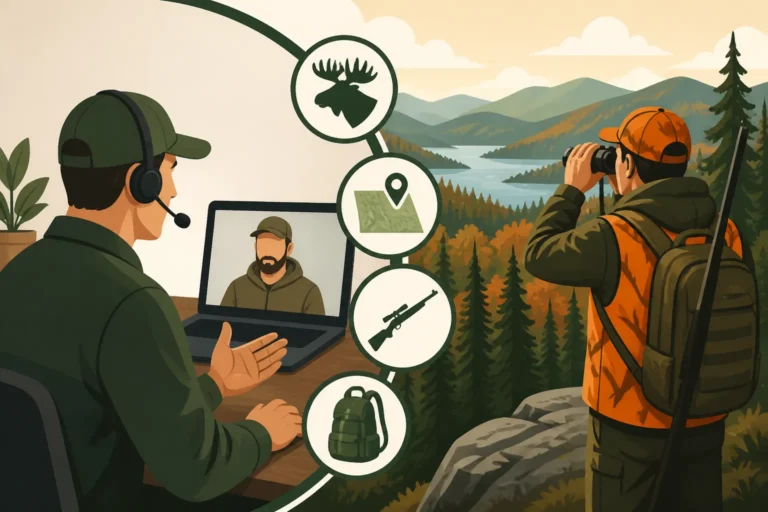
Once you have a clearer picture of what kind of hunt you're looking for, it's time to start reaching out to specific outfitters. This is where your vetting really begins. Don't be shy about asking direct, detailed questions. A reputable outfitter will appreciate your thoroughness and be happy to provide clear answers. If they seem evasive or annoyed, consider it a red flag.
Inquiring About Success Rates and Harvest Statistics
This is often the first thing on a hunter's mind, and rightly so. However, it's crucial to understand how to interpret these numbers.
-
Success Rate vs. Opportunity Rate: Always clarify what an outfitter means by "success rate." Does it mean the percentage of hunters who harvested an animal, or the percentage of hunters who had a reasonable opportunity to harvest an animal? These are very different. A guide might have a 100% opportunity rate, meaning every hunter saw legal game, but only a 50% success rate if half the hunters missed their shot or passed on animals. Focus on opportunity, as success on the shot is ultimately up to you. Ask about the average size of animals taken, especially for species like deer or moose, to gauge if they're consistently putting clients on mature game. For bear, ask about the ratio of sows to boars, if that matters to you.
-
Historical Data and Fluctuations: Ask about their success rates over the past few years. Wildlife populations and hunting conditions can fluctuate annually due to weather, mast crops, or other factors. A consistent record over several seasons is more indicative of a good outfitter than one exceptional year. Don't be afraid to ask for specific numbers and how they track them. They should be able to provide clear data on Maine Moose Hunt Success Rates or Maine Bear Harvest Numbers by Method for their clients. A good outfitter will be honest about down years and explain why they happened.
-
Hunter Effort and Expectations: Discuss what your role will be in achieving success. Will you be expected to sit in a stand for 10 hours a day? Are long walks or challenging hikes typical? Are you expected to do certain calls or scouting tasks? An honest outfitter will tell you that hunting is never a guarantee, and success often depends on hunter effort, shot placement, and a bit of luck. Clarify what a typical day looks like and what level of physical fitness is generally required for their hunts.
Understanding Logistics, Accommodations, and Meals
Beyond the hunt itself, the overall experience is heavily influenced by where you'll stay, what you'll eat, and how you'll get around.
-
Lodging Details: Ask for specifics about the accommodations. Is it a cabin with shared bunks or private rooms? What are the bathroom facilities like (outhouse, shared indoor bath, private bath)? Is there heat, electricity, and hot water? What about cell service or Wi-Fi? For remote camps, these details are critical. Consider your comfort level. If you're envisioning something rugged, fantastic. If you're expecting resort-level amenities, make sure to confirm. Ask if linens are provided or if you need to bring a sleeping bag.
-
Meal Service: Inquire about the meal plan. Are meals home-cooked or self-serve? What time are they served? Can they accommodate dietary restrictions or allergies? How much food is provided? For some, gourmet meals are a highlight of the trip, while for others, simple, hearty fare is all that's needed. For remote camps, a good cook can make a huge difference in morale after a cold day afield.
-
Transportation During the Hunt: How will you travel to and from hunting areas each day? Will it be by truck, ATV, boat, or foot? Is there a limit to how far they'll take you? Clarify who provides the transportation and if it's included in the price. For certain hunts, like sea ducks, specialized boats are essential, so ask about vessel specifics and safety equipment. For Hunting a Drawn Moose Zone in the North Woods, access to reliable vehicles and knowledge of logging road networks is paramount.
-
Game Care and Handling: This is vital. What happens after you harvest an animal? Who assists with field dressing, dragging, and transport back to camp? Do they have facilities for hanging game? Do they help with caping for taxidermy or quartering for processing? Do they have a list of local meat processors or taxidermists? These practical details are often overlooked but become incredibly important when you're standing over a downed animal in the Maine backcountry.
Clarifying Costs, Permits, and Hidden Fees
Nothing sours a hunting trip faster than unexpected charges. Be explicit about understanding the full financial commitment.
-
Inclusive Pricing: Ask for an itemized list of what is included in the package price. Then, ask for a list of what is not included. This could range from licenses and tags to gratuities, meat processing, taxidermy, alcoholic beverages, travel to the lodge, and even certain gear rentals. A transparent outfitter will provide this breakdown without hesitation. Some packages might bundle specific permits, but often Maine Hunting Licenses and What They Cost are separate.
-
Permits and Tags: Clarify which permits you'll need and who is responsible for acquiring them. While you are ultimately responsible for your own licenses, a good outfitter will guide you through the process, especially for draw permits like Applying for a Maine Moose Permit or Maine's Antlerless Permit System. Ask about specific costs for these permits and if they need to be applied for in advance.
-
Gratuities (Tipping): It's customary to tip your guide and camp staff, but the amount can vary. Ask the outfitter for their suggested gratuity range or percentage. This helps you budget appropriately and avoids awkwardness at the end of your trip. Don't be afraid to ask about Tipping a Maine Hunting Guide directly.
-
Unexpected Costs: Inquire about potential unexpected costs. What if you wound an animal and need extra days to track? What if you want to bring a non-hunting companion? Are there fees for incidental damage to camp property or vehicles? While rare, knowing these possibilities upfront is better than being surprised.
Checking an Outfitter's Credentials and Reputation
Once you have a list of potential outfitters that align with your hunt aspirations, it's time to put on your detective hat. Don't just take their word for it – verify their claims and dig into their reputation. This crucial step can save you a lot of heartache (and money).
Verifying a Registered Maine Guide License
This is non-negotiable. Any individual who guides or assists others in hunting activities for compensation in Maine must be a Registered Maine Guide. This isn't just a nicety; it's a legal requirement designed to ensure guides are competent, knowledgeable, and safe.
-
Ask for Proof: Don't hesitate to ask for your guide's Maine Guide license number. You can often verify this through the Maine Department of Inland Fisheries & Wildlife (MDIFW) website or by contacting them directly. This ensures they have met the rigorous standards set by the state, which includes first aid certification, navigation skills, knowledge of game laws, and demonstrating proficiency in their chosen guiding categories (e.g., hunting, fishing, recreation). Asking What a Registered Maine Guide License Requires is a good way to understand the baseline qualifications.
-
Categories and Specializations: Maine Guides are licensed in specific categories. Ensure your guide's license covers the type of activity you're booking (e.g., a "Hunting" guide for a deer hunt, or a "Sea Kayaking" guide if you're doing a coastal bird hunt involving kayaks). While many guides hold multiple certifications, always confirm. This verifies their legal ability to guide you in your specific pursuit.
Reading Online Reviews and Testimonials
The digital age has made researching outfitters much easier. A quick search can reveal a lot, but it also requires a discerning eye.
-
Independent Review Platforms: Look for reviews on independent platforms, not just testimonials cherry-picked for the outfitter's own website. Websites that specialize in connecting hunters with outfitters, like BookYourHunt or GoHunt, often have extensive review sections where past clients share their experiences. These platforms can be invaluable for getting an unfiltered perspective. Pay attention to consistent themes, both positive and negative. Are people praising the guide's knowledge and work ethic, or complaining about disorganization and poor communication?
-
Hunting Forums and Social Media: Search relevant hunting forums, Facebook groups, and other social media platforms for discussions about Maine outfitters. You might find candid opinions, good and bad, that aren't typically published on official review sites. Just be mindful that online forums can sometimes harbor extreme views, so try to balance multiple perspectives. Look for patterns rather than isolated comments.
-
What to Look For in Reviews:
- Authenticity: Do the reviews sound genuine? Are there photos to back them up?
- Specificity: Do they mention specific guides, locations, or situations that resonate with your planned trip?
- Consistency: Are the positive or negative comments consistently about the same aspects of the outfitter's service?
- Recentness: How old are the reviews? An outfitter's quality can change over time.
-
Outfitter Responses: If an outfitter has responded to negative reviews, how did they handle it? A professional, apologetic, and problem-solving response can actually speak volumes about their customer service commitment, even in the face of criticism.
Requesting Hunter References
This is arguably the most powerful vetting tool you have. A reputable outfitter will readily provide a list of recent client references.
-
Ask for at Least Three Recent References: Request names and contact information (phone or email) for at least three hunters who have used their services in the last year or two for a hunt similar to yours. This ensures you're getting up-to-date information.
-
Prepare Your Questions: Before you call, prepare a list of specific questions. Don't just ask, "Was it good?" Ask about:
- The guide's communication pre- and post-hunt.
- The accuracy of the outfitter's success rate claims.
- The quality of the accommodations and food.
- The guide's knowledge of the hunting area and animal behavior.
- Their demeanor and professionalism.
- How issues or unexpected situations were handled.
- The physical demands of the hunt.
- Whether they would book with the outfitter again.
- Any aspects of the trip that were different from what was promised.
-
Be Respectful of Their Time: Remember these are fellow hunters doing you a favor. Introduce yourself, explain why you're calling, and keep your questions focused. Thank them for their time. If an outfitter hesitates or refuses to provide references, that's a serious red flag.
Red Flags and Warning Signs to Watch For
Even with all your careful research, sometimes gut instinct plays a role. Be attuned to these common warning signs that might indicate an outfitter isn't as reputable as they seem. Trust your intuition; if something feels off, it probably is.
Unrealistic Promises and Guaranteed Kills
Hunting is inherently unpredictable, especially for wild, free-ranging game. Anyone who promises a "guaranteed kill" or boasts a 100% success rate every single year should raise immediate suspicion.
-
Hunting is Not a Guarantee: The very nature of hunting means there are no absolutes. Weather can turn, animals can move, or you might simply have an off day. An ethical outfitter understands this and will focus on offering the best possible opportunity, emphasizing their effort and knowledge, not guaranteeing an outcome. They will talk about opportunity rates and historical success, but never a "sure thing." This is particularly true in Maine, where animals like moose and bear are notoriously wary.
-
Trophy Guarantees: Be especially wary of outfitters who guarantee a "trophy-class" animal. While a good outfitter will certainly put you in areas known for producing larger animals, they cannot control what steps out in front of you. Focus on a quality hunting experience and a fair chase opportunity, not a predetermined rack size. If an outfitter claims they can always deliver a monster buck, it usually means they are either dishonest or are running something other than a fair chase operation.
-
"Discount" or "Bargain" Hunts: While everyone loves a deal, be cautious of prices that seem too good to be true, especially for highly sought-after species or remote locations. Extremely low prices can sometimes indicate cut corners, inexperienced guides, poor equipment, or even illegal operations. Compare prices across several reputable outfitters for the same type of hunt to get a realistic idea of the market rate. If one price is drastically lower, ask why.
Lack of Transparency or Vague Answers
When you're trying to gather information, an outfitter's willingness to communicate openly and clearly is a strong indicator of their professionalism.
-
Evasive or Short Answers: If an outfitter responds to your detailed questions with vague, dismissive, or overly short answers, it's a concern. They should be eager to inform you and instill confidence. A lack of specific details about their land, methods, or logistics is problematic. For instance, if you ask about Hunting a North Maine Woods Checkpoint Tract and they can't tell you specifics, that's a red flag.
-
Difficulty Getting Information: Are they hard to reach? Do they take an unreasonably long time to respond to emails or phone calls? While guides are often in the field, a reputable operation will have someone dedicated to client communications or will set clear expectations for response times. Persistent communication issues before you've even booked could be a sign of worse communication during your actual hunt.
-
No Contract or Written Agreement: Always insist on a written contract or agreement outlining all the terms of your hunt: dates, services included, price, payment schedule, cancellation policy, and responsibilities of both parties. If an outfitter is unwilling to provide a detailed written agreement, walk away. This document protects both you and the outfitter and prevents misunderstandings down the line.
Demanding Full Payment Upfront Without Clear Policies
While a deposit is standard, be cautious if an outfitter insists on full payment upfront without a clearly defined payment schedule or cancellation policy.
-
Unusual Payment Schedules: Most outfitters require a deposit (often 30-50%) to secure your booking, with the balance due closer to the hunt date. If they demand 100% upfront, especially many months in advance, without a strong reason or clear refund policy, proceed with extreme caution. This can indicate financial instability or a lack of accountability.
-
Vague or Non-Existent Cancellation/Refund Policy: Life happens, and sometimes hunts need to be canceled. A reputable outfitter will have a clear, written cancellation policy, including conditions for refunds or rescheduling. If they have no policy, or it's extremely punitive (e.g., no refunds under any circumstances), reconsider. Understand their policy on Getting a Refund From a Maine Outfitter before you send any money.
-
Cash-Only Demands: While some remote outfitters might prefer cash for certain incidental expenses, a demand for all payments in cash without a legitimate reason (and proper receipt) is a potential red flag. It can make financial tracking difficult and may be a sign of avoiding legitimate business practices. Always seek to pay via traceable methods like check or credit card for deposits and larger payments.
Navigating Deposits, Cancellations, and Insurance
Booking a hunting trip is a significant financial commitment. Understanding the policies around payments, cancellations, and insurance is crucial to protect your investment and ensure peace of mind. These details might not be as exciting as discussing antler size, but they are absolutely vital.
Understanding Deposit and Payment Schedules
Almost every outfitter will require a deposit to secure your booking. This deposit serves to reserve your spot and covers the initial administrative costs and time involved in preparing for your hunt.
-
Typical Deposit Structure: Expect a deposit ranging from 25% to 50% of the total hunt cost. This is generally due at the time of booking. The remaining balance is then typically due anywhere from 30 to 90 days before your hunt begins. For highly sought-after hunts, like a Maine moose hunt, the booking window can be over a year in advance, so plan accordingly for deposit dates. Always ensure you receive a written confirmation and receipt for any payment made. This documentation is your proof of purchase and a reference for all agreed-upon terms.
-
Payment Methods: Reputable outfitters usually accept various payment methods, including personal checks, bank transfers, or credit cards. If using a credit card, inquire about any processing fees, as some outfitters pass these along to the client. Avoid paying large sums through untraceable methods unless absolutely necessary and thoroughly documented. This ties back to avoiding the red flag of cash-only demands.
-
Payment Milestones: Clarify specific dates for payments. Mark these on your calendar. Missing a payment deadline could result in losing your deposit or even your hunt spot. This is especially true for popular times like Hunting the Rut in Early November for deer or Hunting a Drawn Moose Zone in the North Woods.
Cancellation Policies and Weather Contingencies
This is where a good contract truly shines. Life can throw curveballs, and sometimes a hunt needs to be canceled or rescheduled.
-
Outfitter Cancellation Policy: Understand the outfitter's stance on cancellations initiated by you. What portion of your deposit or payment is refundable, if any, at different stages before the hunt? Is there an option to reschedule for a later date or transfer your deposit to another hunter? Some outfitters might offer partial refunds if they can rebook your spot, while others might retain the full deposit if you cancel within a certain window. Always read the fine print regarding Moose Hunt Deposit and Cancellation Policies or Bear Hunt Deposit and Cancellation Policies.
-
Outfitter-Initiated Cancellations: What happens if the outfitter has to cancel the hunt due to unforeseen circumstances (e.g., guide illness, property access issues, extreme weather making hunting unsafe)? A fair policy should offer a full refund or the option to reschedule your hunt to a later date, often with preference for future dates. This is critical for hunts like Sea Duck Hunting the Maine Coast, where weather can frequently cause cancellations.
-
Weather Contingencies: For hunts heavily dependent on weather (like sea duck hunting or certain bear baiting scenarios), ask about specific weather contingency plans. If a day or multiple days are lost due to severe weather, will there be a partial refund, or an option for an extended stay if available? Clear communication on Weather Cancellations on a Sea Duck Charter is paramount.
Considering Travel and Hunt Insurance
For any significant hunting investment, especially if you're traveling from out of state, purchasing insurance is a wise decision.
-
Travel Insurance: This can protect your financial investment in case of unforeseen events that prevent you from taking your trip, such as medical emergencies, airline cancellations, or family issues. Look for policies that specifically cover "cancel for any reason" if you want maximum flexibility, though these are typically more expensive. Travel insurance often covers your flight costs, lodging, and even non-refundable hunt deposits. When booking through platforms like GoHunt or BookYourHunt, they may offer or recommend specific travel insurance providers.
-
Hunt Cancellation Insurance: Some insurance providers offer specialized "hunt cancellation insurance" that caters specifically to the unique risks of hunting trips. These policies can cover things like losing your tag, an outfitter going out of business, or specific medical conditions preventing you from hunting. Research these options to see if they fit your needs, especially for high-value trips like Moose Hunting Maine's North Woods.
-
Medical and Evacuation Insurance: For remote hunts, especially in the North Maine Woods, consider supplemental medical and emergency evacuation insurance. Standard health insurance might not cover the costs of a backcountry rescue or air ambulance if you're injured far from medical facilities. This is a small investment for substantial peace of mind when venturing into truly wild areas.
Making the Final Decision and Preparing for Your Hunt
After all the research, questions, and reference checks, it’s time to make your choice. This is where all the information coalesces, and you trust your gut feeling about the right outfitter for you. Once booked, the focus shifts to preparing yourself for the adventure that awaits.
Trusting Your Gut and Communicating Clearly
Choosing an outfitter isn't just about statistics and policies; it's also about finding someone you can trust and feel comfortable spending time with in the field.
-
Personal Connection: Did you feel a good rapport with the outfitter or guide during your conversations? Did they listen to your questions and concerns? Hunting often involves long hours, and you want to be with someone you get along with, especially in a one-on-one guided scenario. A good guide isn't just an expert; they're also a companion and often become a friend.
-
Matching Expectations: Reconfirm your expectations one last time before signing the contract. Be honest with yourself and the outfitter about your physical capabilities, hunting style preferences (e.g., quiet still-hunting versus aggressive calling), and what you truly hope to get out of the trip. Misaligned expectations are a primary cause of client dissatisfaction, regardless of the outfitter's actual performance. If you want to spend time Rattling and Grunting Maine Bucks, make sure your guide is on board with that approach.
-
Final Review of the Contract: Before signing, read the entire contract one more time, carefully. Ensure all the details you discussed are explicitly written into the agreement. Don't hesitate to ask for clarification on any clause you don't fully understand. This is your binding agreement, and you want to be completely comfortable with every line.
Preparing Physically and Mentally for the Maine Backcountry
Once your hunt is booked, the real fun of anticipation begins, along with the critical phase of preparation. Maine hunting can be physically demanding, and mental fortitude is just as important.
-
Physical Conditioning: Don't underestimate the physical demands, especially for big game hunts. If you're hunting moose in rough terrain, deer in heavy cover, or upland birds requiring miles of walking, start a fitness regimen well in advance. Hiking with a loaded pack, cardio, and strength training will pay dividends. There's nothing worse than being physically unable to fully enjoy or participate in your hunt. Hunting a Ridge-Top Saddle for Rutting Bucks or Recovering a Deer From a Cedar Swamp requires stamina.
-
Gear Check: Go through your gear list meticulously. Discuss with your outfitter what specific clothing, footwear, optics, and other equipment they recommend. Pay particular attention to layering for Maine's unpredictable weather, and waterproof gear is almost always a necessity. Test all your equipment, especially your firearm or archery setup, well before the trip. Ensure your boots are broken in, and your rain gear doesn't leak. If you're going Sea Duck Hunting the Maine Coast, specialized foul-weather gear is essential.
-
Mental Preparation: Hunting, particularly for big game, can involve long periods of waiting, adverse weather, and sometimes, no action. Develop a patient mindset. Understand that success is never guaranteed, but the experience itself, the time in nature, and the challenge, are valuable regardless of whether you fill your tag. Embrace the learning experience, the camaraderie, and the beauty of Maine.
-
Review Regulations: Even with a guide, you are ultimately responsible for knowing and adhering to Maine's hunting laws and regulations. Take the time to review the MDIFW hunting abstract for your target species and season. This includes understanding Maine's Blaze Orange Requirements, legal shooting hours, and tag validation procedures. Being informed ensures a legal, ethical, and worry-free hunt.
Following these steps will help you move from dreaming about a Maine hunting adventure to confidently booking a trip with a reputable outfitter. With thorough vetting and diligent preparation, you'll significantly increase your chances of an unforgettable experience in our beautiful state.
Disclaimer
This article is for general informational purposes only and does not constitute professional advice. Laws, prices and regulations vary by location and change over time. Consult a qualified professional for guidance on your specific situation.