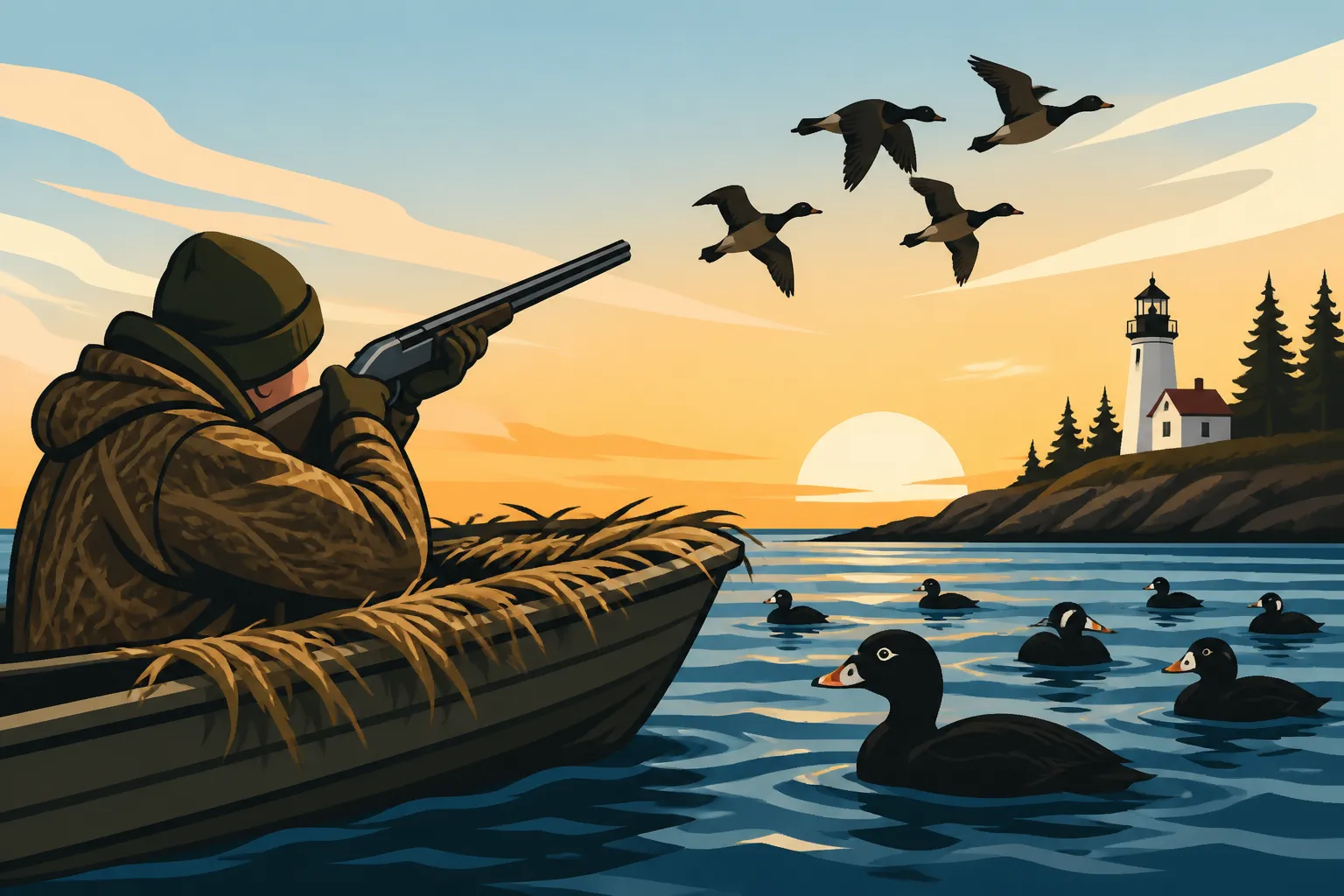
Hunting Scoters From a Sea Duck Boat
There’s nothing quite like the raw, invigorating challenge of sea duck hunting off the coast of Maine. When the winds howl and the salt spray flies, and those fast-flying scoters are on the wing, it can be an absolutely electrifying experience. But hitting the open water in pursuit of these hardy birds from a boat presents its own unique set of difficulties, from understanding their flight patterns to battling the elements. This guide will take you through everything you need to know to successfully and safely hunt scoters directly from a sea duck boat in Maine’s formidable coastal environment.
Understanding Scoter Behavior and Coastal Habitats
Hunting scoters from a boat requires a deep understanding of these birds and the dynamic marine environment they inhabit. Unlike puddle ducks that dabble in shallow marshes, scoters are true ocean ducks, preferring the vast, often turbulent, waters of the Atlantic. Their survival depends on adapting to harsh conditions, and knowing their habits is your first step to success.
Identifying Maine's Three Scoter Species
When you're out on the water, you'll primarily encounter three species of scoters in Maine: Black Scoters, Surf Scoters, and White-winged Scoters. Each has distinct characteristics, though their general habits for hunters are quite similar.
- Black Scoters are typically the smallest and often fly in tighter, more cohesive flocks. The drakes are entirely black with a distinctive orange knob on their bill. They tend to be found a bit further offshore than the others, feeding on mussels and other invertebrates. Their flight can be incredibly fast and direct, often flying low over the waves.
- Surf Scoters are larger and arguably the most striking, with bold white patches on their head and nape, and a colorful, oversized bill. They often fly in looser formations, sometimes strung out in long lines just above the water. You'll find them closer to shore, especially around rocky ledges and tidal areas where they feed on a variety of crustaceans and shellfish.
- White-winged Scoters are the largest of the three, easily identified by the prominent white speculum on their wings, which is visible in flight. They also have a distinctive white patch under their eye. These birds are often seen in larger rafts and can be a bit more wary. They prefer deeper waters, diving for mussels, clams, and even small fish.
Understanding these differences can help you identify what you're seeing on the water and adjust your strategy. For instance, if you see a large, strung-out line of birds with flashes of white on their wings, you know you're likely dealing with White-wings, and they might require a bit more patience to decoy.
Preferred Coastal Feeding and Roosting Areas
Scoters are highly migratory, but during their time wintering along the Maine coast, they seek out specific areas for feeding and roosting. These locations are often dictated by the availability of their preferred foods and protection from severe weather.
- Ledges and Shoals: These underwater structures are prime feeding grounds for scoters, as they host abundant shellfish populations. You'll often find scoters congregated in large rafts around ledges exposed at low tide, or just beyond them in deeper water where they can dive for food. These areas are also natural travel corridors.
- Protected Coves and Bays: While scoters are robust, they will seek refuge in more sheltered waters during heavy storms or strong winds. Large, deep coves and bays, especially those with muddy or gravel bottoms rich in shellfish, can become temporary roosting and feeding havens. However, be cautious: these same areas might also hold protected species or be subject to different regulations, so always check your Maine Sea Duck Zone Boundaries.
- Near Shore Islands: Islands, especially those with rocky shores and proximity to deeper waters, can act as natural magnets for scoters. They might raft up on the lee side of an island for protection, or feed along its edges. Observing how birds approach and leave these islands can reveal important flight lines.
A valuable tool for scouting these areas from home is a detailed satellite mapping application. Services like GoHunt often include satellite imagery layers that can help you pinpoint promising ledges, shoals, and protected coves long before you ever launch your boat. Look for areas with a good mix of shallow and deep water, and any visible structure that might hold shellfish.
Essential Gear for Boat-Based Scoter Hunting
Hunting scoters from a boat isn't just about having a sturdy vessel; it's about having the right specialized gear to contend with the marine environment and the tough nature of these birds. Skimping on gear can quickly turn a thrilling hunt into a dangerous ordeal or a frustrating, bird-less day.
Choosing the Right Sea Duck Boat and Motor
Your boat is your mobile blind, your lifeline, and your transport on the often-unforgiving Maine coast. Selecting the right one is paramount for safety and success.
- Vessel Type: Generally, a sturdy, stable boat between 18-24 feet is ideal. Think rugged aluminum Jon boats, specific sea duck hunting boats designed with a low profile, or even modified center consoles. The key is stability in chop, seaworthiness, and enough deck space for decoys, gear, and hunters. A low freeboard is excellent for shooting, but make sure it doesn't compromise safety in rough seas. Many experienced hunters favor boats with a "duck boat" hull design that offers both stability at rest and the ability to cut through waves.
- Power: A reliable, powerful outboard motor is non-negotiable. You'll be covering distances, potentially against strong currents or winds, and need to get back safely. A 90-150 HP four-stroke is common, offering a good balance of power and fuel efficiency. Always carry a secondary, smaller "kicker" motor for emergencies – a 9.9 HP or 15 HP often suffices. Ensure both motors are well-maintained before every trip, as mechanical failure miles offshore is not a situation you want to be in.
- Electronics: GPS/chart plotter, VHF radio, and a depth sounder are absolute necessities. The GPS will guide you to your hunting spot and, more importantly, safely back to the launch in fog or darkness. The VHF radio is your primary communication for emergencies or calling other boats. A depth sounder helps you navigate shoals and locate prime feeding grounds. Consider a radar unit if you plan to hunt in frequent fog or low visibility, which is common on the Maine coast.
Decoys, Anchors, and Retrieval Tools
Effective decoying is critical for sea ducks, and it's a different game than freshwater setups. Your decoy spread needs to be robust and convincing.
- Decoys: Sea duck decoys are typically larger and heavier than freshwater decoys, designed to ride realistically in waves. You'll want a spread of at least 1-2 dozen, but many successful hunters run 3-5 dozen or more. Mix in Black Scoter, Surf Scoter, and White-winged Scoter decoys to represent a diverse, natural raft. Gang rigs are extremely efficient for deploying and retrieving large numbers of decoys quickly. Consider adding a few feeder decoys or even a "mojo" style spinning wing decoy (if legal in your area for sea ducks, always check regulations) to add movement and realism.
- Anchoring System: You need a reliable anchoring system that can hold your boat steady in strong currents and winds. A heavy anchor (15-25 lbs) with at least 150-200 feet of heavy anchor line (3/8" or 1/2" minimum) is essential. Many hunters use two anchors – one off the bow and one off the stern – to "stern tie" the boat, keeping it from swinging and pointing it in the desired direction relative to the wind and decoys. This is especially crucial for shooting stability.
- Retrieval Tools: A long-handled boat hook is invaluable for snagging decoys or a downed bird. A tough, buoyant retrieving dog is a game-changer for downed birds in rough water, but if you don't have one, consider a small, easily deployable dinghy or kayak for retrieval, especially if you're hunting alone or in areas with strong currents that can quickly carry a bird away.
Personal Safety and Comfort Gear
The Maine coast is beautiful but unforgiving. Your personal gear must prioritize safety and keep you comfortable in potentially extreme conditions.
- Life Jackets (PFDs): Absolutely mandatory for everyone on board. Wear them, don't just store them. Inflatable PFDs are comfortable for shooting, but ensure they are serviced regularly.
- Appropriate Clothing: Layers, layers, layers! Waterproof and windproof outer layers are critical. Think high-quality Gore-Tex or similar. Underneath, wear synthetic or wool layers that wick moisture and insulate, even when wet. A good pair of waterproof boots is essential. Don't forget heavy gloves, a warm hat, and face protection; the wind chill on the water can be brutal, especially when Hunting Into the December Muzzleloader Close.
- Emergency Kit: This should include flares, a horn, a first-aid kit, extra batteries for all electronics, a repair kit for your motor, a spare propeller, and plenty of fresh water and high-energy snacks. A waterproof bag for your phone and other sensitive electronics is also a must.
- Communications: In addition to the VHF radio, carry a fully charged cell phone in a waterproof case, and ideally, a satellite messenger device like a Garmin inReach or a SPOT device for truly remote areas where cell service is non-existent.
Strategies for Decoying and Approaching Scoters
Getting scoters to commit to your spread from a boat is an art form that blends an understanding of their natural tendencies with clever decoy placement and precise boat positioning. It's about making your setup look as inviting and safe as possible.
Decoy Spreads and Positioning
The way you arrange your decoys can make or break your hunt. Scoters are gregarious birds, but they are also wary.
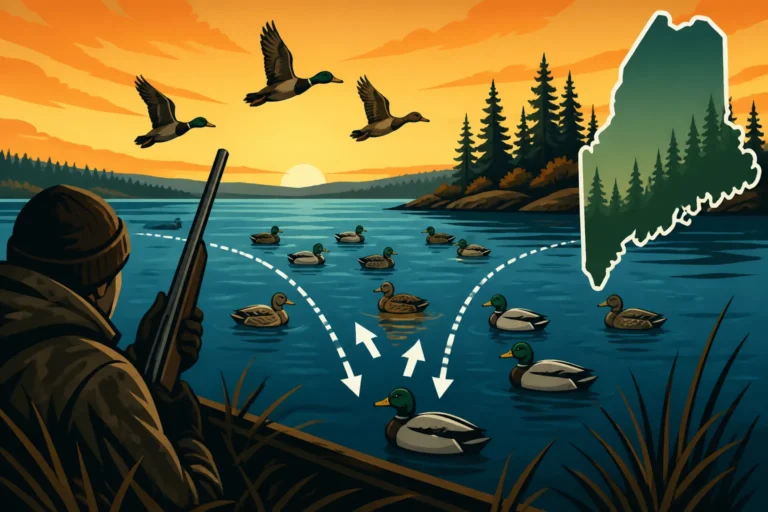
- The "J" or "Fishhook" Spread: This is a classic sea duck spread. Place the bulk of your decoys in a large "J" shape, with the hook pointing downwind or downcurrent, creating a landing zone within the curve. Your boat should be positioned at the short end of the "J", offering good concealment and shooting lanes into the landing zone. This setup mimics a natural raft of birds, with open water for new arrivals.
- Loose Rafts: Scoters often sit in large, loose rafts, so avoid placing decoys in overly tight, unnatural clusters. Give them room to "breathe." A few smaller, scattered groups outside the main spread can add to the natural appearance.
- Wind and Current: Always set your decoys so they face into the wind or current, whichever is stronger, as this is how real ducks orient themselves. Place your boat so that the wind or current brings the birds into your shooting zone. Often, birds will approach from downwind, so your boat should be upwind of the primary landing zone. Remember to adjust your spread as the tide changes or the wind shifts throughout the day.
- Concealment: Your boat, even with a low profile, needs to blend in. Utilize natural cover if possible, like tucking in near a rocky outcropping or a small island. If you're in open water, a good blind or camouflage netting draped over the boat can make a huge difference. Avoid shiny objects or bright colors that can flare birds.
Boat Positioning and Concealment
Where you place your boat relative to the decoys and the direction of incoming birds is paramount.
- Anchoring for Stability: As mentioned, a two-anchor system (bow and stern) will keep your boat from swinging, ensuring it stays oriented to the wind and current, and provides a stable shooting platform. This is critical when you're dealing with heavy chop.
- The "Pocket": Position your boat slightly off to the side of your main decoy spread, creating a natural-looking "pocket" or landing zone directly in front of you. This is where you want the scoters to commit. Make sure your boat is facing the most likely approach direction for incoming birds.
- Low Profile: Keep your profile as low as possible. Sit down, hide behind the boat's blind, and only rise to shoot when the birds are fully committed. Sea ducks have exceptional eyesight. Using a ground blind on posted-free land is one thing, but on the open water, you're exposed. Minimizing your silhouette is key.
- Boat Blinds: A custom-made boat blind, often constructed from conduit and camouflage netting or material, can effectively break up your boat's outline. Some hunters use natural vegetation collected from shore (if legal and non-invasive) to further blend their boat into the coastal environment.
Calling Techniques for Scoters
Unlike puddle ducks or even geese, scoters aren't typically "called" in the traditional sense. Their vocalizations are more of a low grumbling or guttural croak.
- Visual Attraction: With scoters, your primary "call" is your decoy spread. The visual of a large, contented raft of their own kind is far more enticing than any audible call you can produce. Focus on a realistic, inviting spread.
- Subtle Vocalizations: Some hunters use a deep, guttural "croak" or "grumble" sound that mimics a scoter's natural vocalizations, especially when birds are circling but seem hesitant. This is often done by mouth or with specialized scoter calls, but it's usually very subtle and more about reassuring the birds than actively pulling them in from a distance. Don't overdo it; loud, aggressive calling will likely spook them.
- Distraction: Sometimes, if birds are wary, a low, soft whistle or even a gentle splash can get their attention, prompting them to look towards your spread. The goal is to pique their curiosity without alarming them.
Remember, patience is a virtue when hunting sea ducks. They might make several passes before committing, or they might swing wide and never fully commit. Don't get discouraged, adjust your spread, check your concealment, and keep observing their flight patterns. Sometimes, just sitting still and letting the spread work its magic is the best approach. Knowing when to engage and when to wait for the perfect shot is part of the challenge and the thrill.
Safety, Regulations, and Ethical Considerations
Hunting scoters from a boat on the Maine coast comes with serious responsibilities. The marine environment is unpredictable, and adherence to regulations and ethical practices is not just about legality, but about ensuring everyone’s safety and the future of our hunting heritage.
Navigating Maine's Sea Duck Hunting Regulations
Maine has specific rules that apply to sea duck hunting, and it’s critical to be fully compliant. These regulations are designed to ensure fair chase, protect wildlife, and maintain public safety.
- Seasons and Bag Limits: Scoter hunting falls under the larger umbrella of the Maine Sea Duck Season and Zones. The season typically runs from early October through January or February, often with a split season to accommodate migration patterns. Bag limits can vary, but generally, the Maine Scoter Daily Limit is generous, with specific species limits often capped at four of any one species or similar combinations. Always consult the most current Maine Department of Inland Fisheries and Wildlife (MDIFW) regulations before heading out.
- Legal Weapons: Shotguns must be plugged to hold no more than three shells (one in the chamber, two in the magazine). Only non-toxic shot (steel, bismuth, tungsten-alloy, etc.) is permitted for all migratory bird hunting, including sea ducks. This is a federal requirement designed to protect waterfowl from lead poisoning.
- Federal Requirements: Beyond state regulations, federal laws apply to migratory bird hunting. You must possess a valid federal duck stamp, in addition to your state hunting license and Maine migratory bird certification. The federal duck stamp funds critical wetland habitat conservation. Ensuring you have all these licenses squared away is as important as having your shotgun.
- Hunting Hours: Legal hunting hours for migratory birds are typically from one-half hour before sunrise to sunset. Plan your trips accordingly, as legal shooting light can arrive very early or depart quickly, especially in the darker winter months.
A great resource for staying up-to-date on all these regulations is the MDIFW website, or by using mobile apps like GoHunt, which often integrate current regulations and mapping tools. Checking before every season, or even before every trip if you're uncertain, is a smart habit.
Marine Safety Protocol and Best Practices
The ocean demands respect. Ignoring safety protocols can have severe consequences, not just for you but for anyone else on the water.
- Weather Watch: The single most important safety rule is to always check the marine weather forecast before you leave shore, and continue to monitor it while out. Pay close attention to wind speed, wave height, and fog predictions. Maine coastal weather can change rapidly and unexpectedly. If in doubt, stay home. No duck is worth risking your life.
- Float Plan: Always tell someone responsible where you are going, when you expect to return, and the names of everyone on board. If you don't check in, they know to initiate a search.
- Firearms Safety: On a moving boat, especially in choppy conditions, firearms safety takes on an added layer of importance. Always keep firearms pointed in a safe direction. Load and unload guns only when necessary and when anchored. Be acutely aware of your fellow hunters and your boat's structure when swinging on birds.
- Emergency Gear: We covered this in the gear section, but it bears repeating: your PFDs, VHF radio, emergency flares, and first-aid kit are not optional. Have them accessible and know how to use them. It’s also wise to have a spare paddle or oars, even on a powered boat, in case of complete motor failure.
Ethical Hunting and Landowner Relations
Even on the vast ocean, ethical considerations and respectful behavior are paramount.
- Respecting Property Lines: While much of the sea duck hunting takes place in federal or state waters, you still need to be mindful of private property, especially when launching your boat, retrieving downed birds that drift ashore, or considering setting up near coastal homes. Always know Maine trespass law and be prepared to ask for permission if you need to access private land for retrieval.
- Retrieval of Game: Make every reasonable effort to retrieve all downed birds. This is not just an ethical obligation but a legal one. Shooting at birds far out or in very rough water where retrieval is unlikely is irresponsible. This is where a good retrieving dog or a small kayak can really shine.
- Avoiding Overharvest: While scoter populations are generally healthy, hunting ethically means not taking more than you need or are legally allowed. The Maine Duck and Goose Bag Limits are set to sustain populations, so stick to them.
- Considerate Conduct: Be mindful of other boaters, fishermen, and coastal residents. Avoid setting up too close to other hunters, residential areas, or popular recreational spots. Maintain a positive public image of hunters.
Hunting scoters from a boat along the Maine coast is an incredible experience that connects you with nature in a truly profound way. By prioritizing safety, understanding the regulations, and adhering to ethical practices, you can ensure a successful, memorable, and responsible hunt for years to come. It’s a challenge, for sure, but the rewards are well worth the effort.
Disclaimer
Please note that hunting regulations, seasons, and licensing requirements can change. Always consult the official Maine Department of Inland Fisheries and Wildlife (MDIFW) website and federal regulations (US Fish and Wildlife Service) for the most current and accurate information before planning any hunting trip. Safety should always be your top priority.