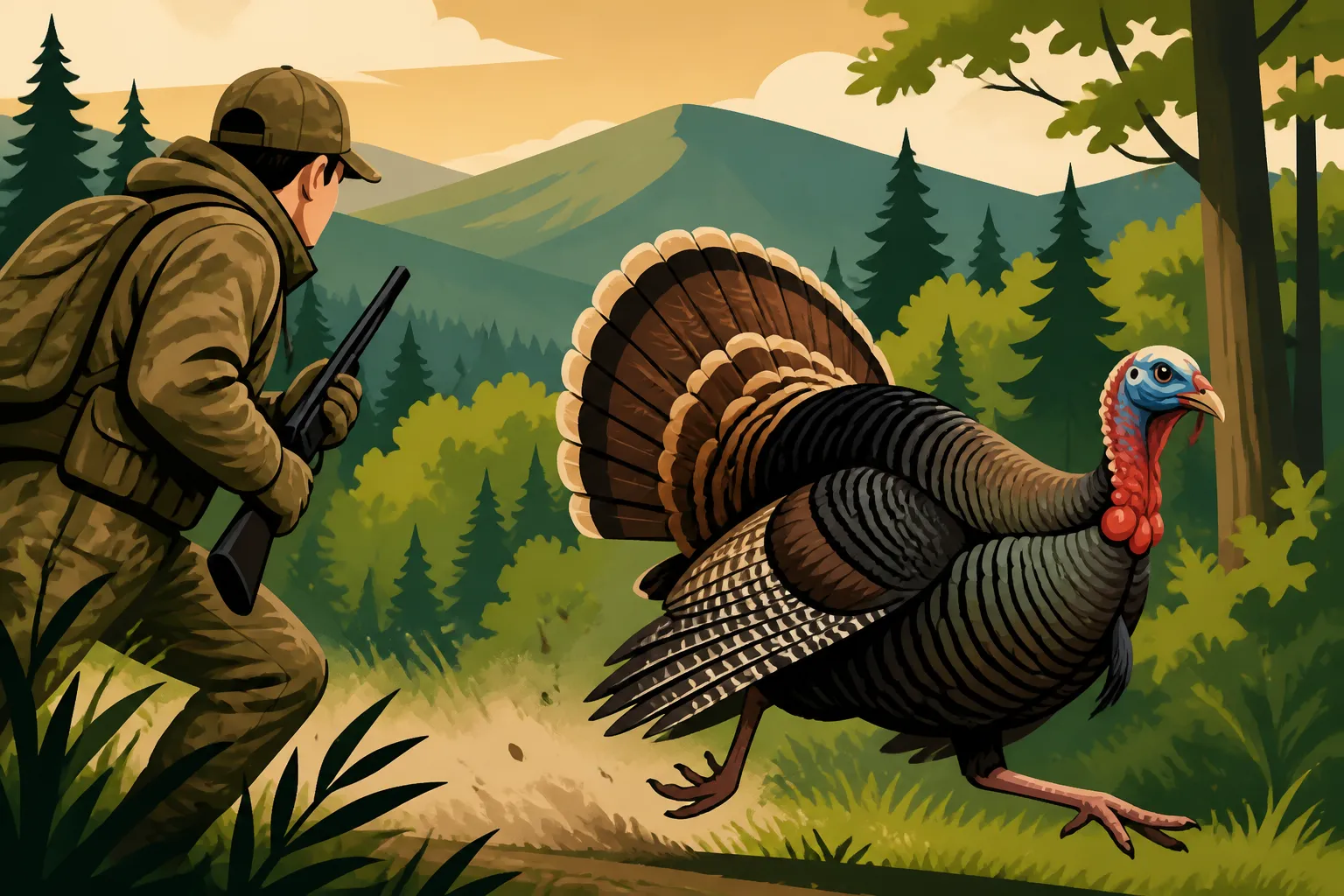
Run-and-Gun Turkey Tactics on Private Land
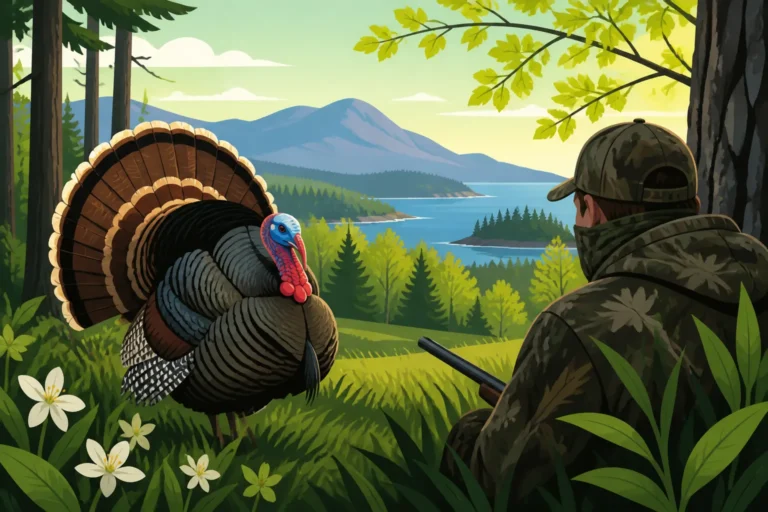
It's incredibly frustrating, isn't it? You've got access to some prime private land, maybe a friend's woodlot or a landowner's back forty, but those turkeys have seemingly developed an uncanny ability to vanish into thin air the moment you sit down. Traditional sit-and-wait tactics often fall flat on smaller, more pressured private parcels, leaving you wondering if you're doing something wrong. This guide is all about equipping you with the dynamic, high-mobility "run-and-gun" tactics that can transform those frustrating hunts into exciting, successful encounters with Maine gobblers.
Understanding Private Land Dynamics for Turkey Hunting
Hunting private land for turkeys in Maine offers incredible opportunities, but it also comes with its own unique set of challenges compared to vast public tracts. These aren't just bigger birds; they're often wiser, more prone to avoiding human interaction, and have a more intimate knowledge of their home turf.
Navigating Access and Understanding Pressure
The first step to successful private land turkey hunting in Maine is, of course, securing permission. While Maine has a wonderful tradition of "implied permission" for accessing unposted land, when it comes to active hunting, especially with firearms or archery equipment, it's always best practice to seek explicit, verbal permission from the landowner. This not only keeps you legal but also builds goodwill and ensures you know any specific rules they might have. For instance, they might prefer you stick to certain areas or avoid hunting near their home.
Once you have permission, you need to understand the pressure dynamics. Many private parcels, especially those close to towns, see a lot of activity – not just from other hunters, but also hikers, dog walkers, and general outdoor enthusiasts. Turkeys on these properties often become "call-shy" or "hunter-wary" very quickly. They've heard it all, seen it all, and learned to associate certain sounds or human presence with danger. This is where your strategy needs to shift. Instead of waiting for them to come to you, you're going to proactively seek them out on their terms. Consider how crucial it is to respect these landowner relationships, as detailed in Asking a Maine Landowner for Permission, to ensure continued access. When land is explicitly marked, knowing Maine Posted Land Rules is also essential to avoid any misunderstandings.
Reading the Landscape for Opportunity
Before you even step foot on the property with your shotgun or bow, you need to become a master scout. Private lands, even smaller ones, often have distinct features that turkeys utilize. Think about what draws a turkey: food, water, roosting sites, and clear travel corridors.
- Field Edges: Turkeys love to strut and feed in open fields, especially those planted with corn, soybeans, or clover. The edges of these fields, where they meet the woods, are prime travel routes and strutting zones. Look for tracks, droppings, and strut marks in the dirt.
- Woodlots and Timber Stands: These provide cover, roosting trees (often tall pines or hardwoods), and bugging areas. Turkeys will move between these woodlots and open fields throughout the day. Pay attention to changes in timber type—a transition from mature hardwoods to dense pine thickets can be a natural funnel.
- Creek Bottoms and Swamps: These areas often hold water sources and dense cover, providing security and bugging opportunities. Turkeys will often travel along these natural features to avoid open exposure.
- Old Orchards and Berry Patches: If the property has neglected apple trees or wild berry bushes, these can be late-season food magnets. Turkeys will spend considerable time foraging in these spots.
Using modern mapping tools like GoHunt can be a game-changer here. Before you ever hit the woods, you can use GoHunt's satellite imagery and property line overlays to identify these features, pinpoint potential roosting areas, and map out strategic travel routes. You can even mark potential setup spots based on topography and cover. This digital scouting gives you a massive advantage, especially when you're trying to figure out how to approach a bird without bumping it on a property you might not know intimately. For more general advice on leveraging technology, check out Scouting With the Maine Hunting App.
Mastering the Art of Run-and-Gun Movement and Calling
Run-and-gun isn't just about walking around and yelping. It's a calculated, dynamic approach that maximizes your chances of encountering and engaging a tom that might be reluctant to travel far. It's an active hunt, rather than a passive wait, and it's built on constant assessment and quick adjustments.
The Philosophy of Aggressive Locating
The core of run-and-gun is aggressive locating. You're not sitting in one spot, hoping a tom hears you and decides to come in. Instead, you're systematically covering ground, stopping frequently to listen, and using loud, attention-grabbing calls to elicit a shock gobble. The goal is to make the bird gobble, pinpoint his location, and then move quickly and quietly into a strategic setup to work him.
Think of yourself as a mobile listening post. Walk quietly, covering ground at a brisk pace but not so fast that you're making a lot of noise. Stop every 100-200 yards, find a relatively concealed spot, and let out a series of loud locator calls. These aren't necessarily "come to me" calls; they're "where are you?" calls.
- Loud Yelps and Cuts: A series of aggressive yelps or sharp, excited cuts on a diaphragm or slate call can often get a rise out of a tom, especially in the morning.
- Crow Calls: Often, a realistic crow call is enough to trigger a gobble without putting the bird on edge from a turkey call.
- Owl Hoots: Early morning or late evening, an owl hoot can be incredibly effective for pinpointing roosted birds.
Once you get a gobble, stop. Immediately analyze the situation. How far away is he? What's the terrain like between you and him? Where can you get to quickly and quietly to set up an ambush? This is where your GoHunt map comes in handy again, allowing you to quickly visualize the land between you and the bird, identify obstacles, and choose the most discreet approach.
Setting Up and Calling Sequences
Once a bird gobbles, the race is on. Your primary objective is to close the distance as quickly and quietly as possible without alerting the bird to your presence. You want to get into a good setup position—something that offers concealment and a clear shot—within 75-150 yards of the gobbler, ideally.
When you choose a setup, think about the turkey's likely approach. Will he come from over a rise? Along a field edge? Through a patch of open timber? Position yourself so you have good back cover (like Setting Up Against a Big White Pine) to break up your silhouette, and a clear view of where you expect the bird to appear. It's also crucial to place yourself in a spot that funnels the bird past you, rather than letting him hang up out of range.
Your calling sequence should then become more seductive and realistic. Start with softer calls, mimicking a contented hen. A few soft yelps, clucks, or purrs. Gauge the bird's response. If he gobbles hard and sounds like he's closing the distance, great! Keep it soft and infrequent, letting him come. If he hangs up or seems hesitant, you might need to become a bit more aggressive with some cuts and yelps, maybe even a fly-down cackle if it's early in the morning and he's still on the roost. Sometimes, in a One-Bird WMD in Spring, a very wary gobbler requires a more subtle approach, and less aggressive calling might be the ticket.
A critical aspect of run-and-gun is knowing when to call it quits on a setup and move. If a tom hangs up for a long time, or if his gobbling fades as he moves away, it's time to pick up and relocate. Don't waste precious hunting time trying to coax a bird that isn't interested. Move to another location, try another series of locator calls, and repeat the process. This dynamic movement is what sets run-and-gun apart.
Adapting to Silent Toms and Mid-Day Lulls
One of the most frustrating aspects of turkey hunting is when the woods go silent. Whether it's post-roost, mid-day, or just a day when the birds aren't vocal, dealing with silent toms requires a different kind of "run-and-gun." Instead of relying on shock gobbling, you're relying on covering ground and visually locating birds, or at least setting up in areas where you know they frequent.
During a mid-day lull, or When Maine Gobblers Go Quiet in Late May, turkeys are often still moving, feeding, and strutting, but they're less inclined to gobble. This is when aggressive walking and "blind calling" become important. Walk through known travel corridors, along field edges, or through patches of open woods. Stop every so often, make a series of aggressive yelps and cuts, and then pause, listening intently for any response—even a distant gobble, a drumming sound, or the rustle of leaves. Your decoys, even if just one hen, can sometimes be enough to draw a silent tom's attention, especially if Decoy Placement for Pressured Maine Birds is done strategically.
If you aren't getting responses, focus on areas that offer excellent mid-day forage and loafing cover. Think about where a hen might take her poults later in the season – these are often prime spots for a tom to hang out during the day, hoping to bump into a late-breeding hen. This is another area where your GoHunt map can assist. Look for south-facing slopes that warm up quickly, dense cover adjacent to open areas, or areas with good insect populations. Keep moving, keep calling, and eventually, you'll cross paths with a silent tom that might just decide to respond to your persistence.
Essential Gear and Scouting Tools for Mobile Turkey Hunters
Success in run-and-gun turkey hunting hinges on efficiency. You need to be light, agile, and equipped with the right tools to quickly adapt to changing situations.
Lightweight and Efficient Gear Choices
Every ounce counts when you're covering miles of private land. Ditch the bulky pack and consider a specialized turkey vest designed for mobility.
- Turkey Vest: A good vest will have organized pockets for all your calls (diaphragms, slate, box, locator calls), a comfortable seat cushion (often built-in), and enough space for essentials like water, snacks, a headlamp, and your harvest tag.
- Calls: Carry a variety. A good diaphragm call (or two), a slate call, and a box call will give you versatility in tone and volume. Don't forget a crow call or owl hooter for those locator purposes.
- Decoys: For true run-and-gun, minimalist decoys are key. A single hen decoy or even just a fan can be incredibly effective and takes up minimal space. You're not trying to create a full flock; you're just offering a visual cue to a bird that might be looking for the source of your calls.
- Weapon: Your shotgun or bow should be comfortable to carry and quick to shoulder.
- Other Essentials: Water bottle, small first-aid kit, game bag, pruning shears (for quickly clearing shooting lanes), and a charged phone with a mapping app.
Leveraging Technology for Scouting
In today's hunting world, technology isn't just a convenience; it's a necessity, especially for effective run-and-gun tactics on private land. Traditional maps have their place, but a good hunting app like GoHunt offers a dynamic, real-time advantage.
- Property Boundaries: This is paramount on private land. GoHunt overlays clearly show property lines, so you always know exactly where you stand and where your permission ends. This prevents accidental trespassing and helps you plan your movements safely and legally.
- Satellite Imagery: Detailed satellite views reveal topographical features, timber changes, field layouts, and potential travel corridors that might not be obvious on the ground. You can identify pinch points, saddles, creek bottoms, and dense cover where turkeys might be holding up or traveling. This is invaluable for planning your approach to a gobbling bird.
- Custom Waypoints: Use the app to mark potential roost trees you find during scouting, spots where you've seen turkeys, or areas of heavy sign. You can also mark your setup locations, making it easy to recall successful spots or identify patterns over time.
- Offline Maps: Crucial in Maine's often-spotty cell service areas, ensure your GoHunt maps are downloaded for offline use so you always have access to your critical information, even deep in the woods.
By pre-scouting with an app like GoHunt, you arrive on the property with a detailed understanding of the terrain, increasing your confidence and efficiency. You'll be able to move with purpose, knowing where to focus your efforts and how to react when a gobbler finally sounds off. This kind of preparation can make all the difference when it comes to punching your Maine Spring Turkey Permit Rules tag. Remember, knowing the Maine Turkey Population Estimate for your WMD and the Maine's WMDs With Two-Bird Spring Limits can also help set realistic expectations and strategies.
Comparing Turkey Hunting Tactics
To really understand why run-and-gun shines on private land, it helps to compare it directly with more traditional static ambush methods.
| Feature | Static Ambush (Sit-and-Wait) | Run-and-Gun (Mobile) |
|---|---|---|
| Primary Goal | Attract bird to your fixed location | Locate bird, then quickly move to his vicinity and set up |
| Movement | Minimal, often waiting in one spot for hours | Constant, systematic movement between listening/calling points |
| Ideal Terrain | Large, less-pressured areas; known travel routes; food plots | Smaller, pressured parcels; varied terrain; quick access to cover |
| Call Usage | Primarily seductive, soft calls to draw birds in | Aggressive locator calls, then softer closing calls |
| Decoy Strategy | Often multiple decoys to create a full flock illusion | Minimal, often single hen or fan for quick deployment |
| Patience Level | High, waiting for the bird to come to you | Dynamic, knowing when to move on from an unresponsive bird |
| Gear Weight | Can be heavier, comfortable chair/blind | Lightweight, optimized for mobility |
| Pressure Adaptability | Less effective on call-shy, pressured birds | Highly effective for seeking out and engaging wary birds |
| Skill Requirement | Good woodsmanship, patience, basic calling | Advanced woodsmanship, map reading, aggressive calling, quick decision-making |
Disclaimer
Please remember that hunting regulations, seasons, and licensing requirements can change. Always consult the most current Maine Department of Inland Fisheries & Wildlife (MDIFW) regulations before heading into the field. Ensure you have the proper licenses and permits for your hunt, and always prioritize safety and ethical hunting practices. When you do harvest a bird, remember Maine Turkey Checking Requirements to ensure you comply with state law.