Layout Boat Hunting the Maine Coast
Trying to target sea ducks along Maine's rugged coastline can feel like an exercise in frustration. Those hardy birds often raft up far offshore, completely ignoring traditional shore-based decoy spreads, leaving you feeling helpless as they fly by just out of range. That's where layout boat hunting comes into its own, offering a unique and incredibly effective way to get right into the heart of the action, bringing the hunt directly to where the birds want to be. This guide will walk you through the ins and outs of successfully pursuing sea ducks from a layout boat in our vast, challenging, and incredibly rewarding coastal waters.
The Allure and Logistics of Layout Boat Hunting in Maine
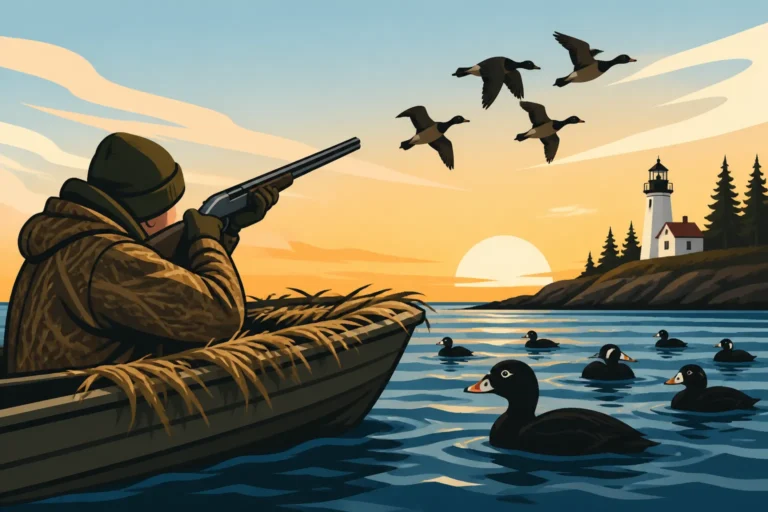
Layout boat hunting isn't for the faint of heart, but for those who embrace the challenge, it offers unparalleled opportunities to target sea ducks like common eiders, various scoters, and long-tailed ducks (old squaw) in their natural feeding and resting areas. These birds spend their lives on the open ocean, often far from the shoreline, making them notoriously difficult to reach from land-based blinds. A layout boat allows you to blend seamlessly into their environment, presenting a highly effective decoy spread directly where they live.
Why Hunt from a Layout Boat in Coastal Maine?
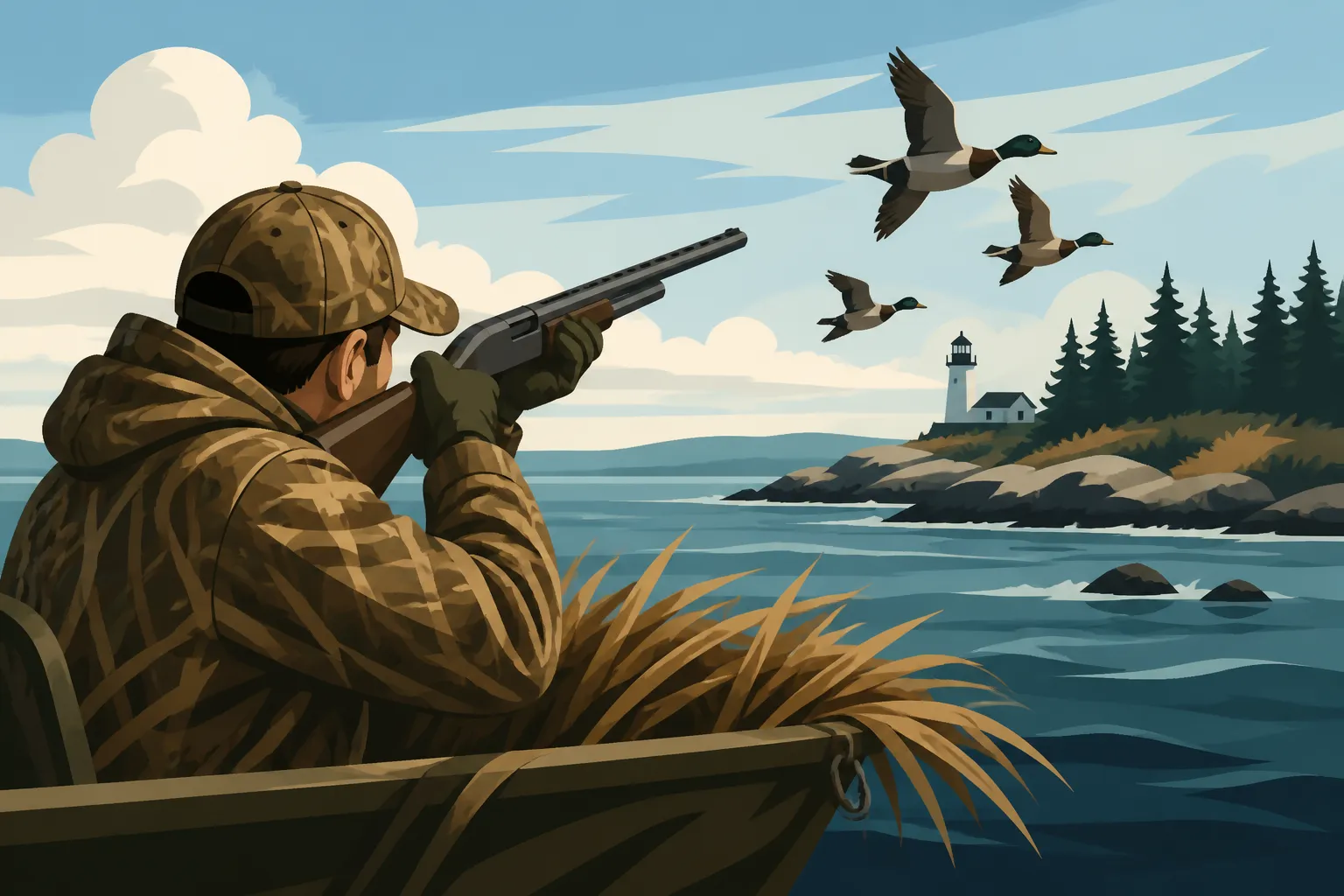
The beauty of layout boat hunting in Maine lies in its ability to put you right in the thick of it. Imagine being perfectly camouflaged, almost at water level, while flocks of eiders cup their wings and commit to your spread just feet away. It's an immersive experience that traditional methods simply can't replicate. Maine's coast, with its endless ledges, islands, and open stretches of ocean, is prime habitat for these tough birds. They thrive in areas with strong currents and abundant shellfish, often far from shore.
The major advantage is being able to set up in prime feeding zones that are inaccessible otherwise. You can position yourself directly over mussel beds or rocky shoals where sea ducks habitually feed, rather than trying to draw them into a shore blind. This drastically increases your chances of decoying birds. Furthermore, the low profile of a layout boat is incredibly effective at disappearing into the waves, making you virtually invisible to incoming birds, especially when paired with a well-placed decoy spread. This method truly allows you to hunt on their terms, in their domain, making for some of the most exciting and authentic sea duck hunting available.
Understanding the Layout Boat System
A layout boat operation typically involves two main components: the layout boat itself and a larger "tender" boat. The layout boat is a small, low-profile craft designed for one or two hunters to lie down in, just above the waterline. It's incredibly stable, even in choppy conditions, and highly camouflaged to mimic a piece of floating debris or a small island. The tender boat, on the other hand, is usually a larger, more conventional boat (like a center console or a sturdy skiff) that serves multiple critical functions.
The tender boat is your command center. It transports the layout boat, hunters, decoys, and all necessary gear to the hunting location. Once the layout boat is deployed and the decoy spread is set, the tender boat motors a safe distance away, typically a quarter-mile or more, where it anchors or drifts, out of sight of incoming birds. Its crew then acts as a retrieve boat, motoring in to pick up downed birds and sometimes adjust the spread as conditions change. This two-boat system is essential for safety, efficiency, and maintaining the low profile that makes layout boat hunting so effective. Without a tender boat, retrieving birds in open water would be incredibly dangerous, if not impossible, and getting the layout boat to its desired location would be a monumental task.
Essential Gear and Setup for Maine's Sea Duck Hunters
Successfully hunting sea ducks from a layout boat in Maine demands specialized gear that can withstand the harsh coastal environment. From the boats themselves to the clothing you wear, every piece of equipment plays a crucial role in safety and success.
Choosing Your Layout Boat and Tender
Selecting the right layout boat is paramount. Look for models known for stability, durability, and a low profile. Companies like Bankes Boats or TDB (Tidewater Duck Boats) have long been favorites among serious sea duck hunters for their robust construction and proven designs that excel in rough water. A good layout boat will have plenty of sealed compartments for storage and flotation, as well as comfortable backrests, because you'll be spending hours lying prone.
The tender boat needs to be a sturdy, seaworthy vessel, capable of safely navigating Maine's often-unpredictable coastal waters. A 20-25 foot center console with a reliable outboard engine is a common choice. It should have ample deck space for decoys, a good GPS and depth sounder, a VHF radio for communication, and all required safety equipment. Remember, the tender boat is your lifeline, so investing in a reliable one is non-negotiable. Before you even think about heading out, ensure both boats are in top mechanical condition and equipped for offshore use.
Decoys: The Lure of the Maine Coast
Decoys are your primary tool for attracting sea ducks. Unlike puddle ducks, sea ducks are often attracted to large, realistic spreads that mimic a bustling raft of birds. You'll want sturdy, heavy-duty decoys designed to ride well in choppy water. Flocked decoys, which reduce glare, are a definite advantage, especially on sunny days.
A typical spread for eiders might include 3-5 dozen full-body eider decoys, often rigged on long lines (gang rigs) to save time and effort. For scoters and long-tailed ducks, you might use smaller spreads of 1-3 dozen, often mixing in some eider decoys as these species will often raft together. Black-colored decoys are crucial for scoters, while long-tailed ducks are easily identified by their distinct white patches. When considering a setup, it’s worth noting that many hunters find success with a mix of species in their spread, as it can appear more natural. If you're looking for gear, resources like the GoHunt platform can sometimes offer insights into popular decoy brands and rigging methods.
Essential Clothing and Safety Gear
Hunting in a layout boat means you are exposed to the elements, and Maine's coastal weather can turn quickly and brutally cold. Waterproof, breathable outer layers are essential, along with multiple insulating layers underneath. Think high-quality merino wool or synthetics. A good pair of waterproof gloves, a warm hat, and neoprene waders or a dry suit are critical. Hypothermia is a serious risk, and being prepared is not optional.
Safety gear must be meticulously maintained and readily accessible. This includes:
- Life jackets (PFDs): Worn at all times in the layout boat, and readily available in the tender.
- VHF Radio: Essential for communication between the layout and tender boat, and for calling for help. Cell service is unreliable offshore.
- GPS and Chartplotter: To navigate, mark locations, and ensure you're in legal hunting zones.
- Emergency Flares, Whistle, Air Horn: For signaling.
- First Aid Kit: Comprehensive and waterproof.
- Spare Prop and Tools: For the tender boat.
- Anchor and Extra Line: For both boats, especially the tender.
- Warm Drinks and High-Energy Snacks: To combat the cold and sustain you.
Never underestimate the power of the ocean. Always tell someone onshore your float plan and expected return time.
Strategic Decoying and Tactical Approaches for Coastal Success
Getting the gear is one thing; using it effectively is another. Sea duck hunting from a layout boat requires careful planning, keen observation, and a solid understanding of sea duck behavior and coastal conditions.
Scouting and Location Selection
Before you even think about launching, thorough scouting is key. This isn't just about finding birds; it's about finding huntable birds in safe locations. Spend time glassing the coast with binoculars and spotting scopes. Look for areas where sea ducks are consistently rafted up or actively feeding. Mussel beds, rocky ledges, and offshore shoals are prime locations. Pay attention to tide lines and currents, as these birds often follow specific patterns of movement based on food availability.
Consider access points and prevailing winds. You want a launch site that can handle your tender boat and offers a relatively short, safe run to your hunting spot. The ideal spot will have consistent bird activity, offer some protection from strong winds and heavy seas (if possible), and allow for a natural-looking decoy spread. Remember, safety always overrides potential hunting success. You might find birds, but if the conditions make it too dangerous to hunt them, you move on. Utilizing tools like the GoHunt platform with its satellite imagery and weather overlays can give you a significant advantage in identifying these crucial areas and planning your approach. Learning to read a North Woods deer yard or understand a beaver flowage edge might be different, but the principle of scouting remains the same.
Decoy Spreads and Positioning
The typical sea duck spread for a layout boat is often a large, confidence-inspiring raft of decoys. Instead of individual lines, many hunters use "gang rigs," which consist of a main line with several decoys attached by short leaders. This allows for quick deployment and retrieval of a large number of decoys. For eiders, a large blob of 3-5 dozen decoys mimicking a feeding flock is highly effective. Scoters and long-tailed ducks might prefer a looser spread, perhaps with a "landing zone" opening where you expect them to approach.
Position your layout boat just upwind or upcurrent from your decoy spread, ensuring that incoming birds will fly over your boat to reach the decoys. The goal is to make your boat virtually invisible within the spread. The layout boat should be situated so the ducks are approaching into the wind, presenting easy, decoying shots. Pay close attention to the wind direction and velocity throughout the day, as shifts can require adjustments to your spread and boat position. The way you set up your decoys directly impacts how birds approach, and a natural, inviting spread will always yield better results.
Reading the Weather and Tides
Maine's coastal weather is notoriously fickle. A calm morning can quickly turn into a raging gale. Always check multiple weather forecasts before heading out, paying close attention to wind speed, wave height, and sudden shifts in temperature or precipitation. Strong currents and tidal swings are also major factors. A strong outgoing tide can pull your decoys (and your tender boat's anchor) quickly, while a rapidly falling tide can leave your tender boat stranded on a ledge.
Timing your hunt with the tides can be critical, especially when targeting areas like tidal flats at dawn. Some areas hunt better on a rising tide, others on a falling tide, depending on where the food sources are exposed or covered. Familiarize yourself with the local tide charts and understand how they affect your chosen hunting spot. If conditions deteriorate, don't hesitate to call the hunt. No duck is worth risking your life over.
Navigating Maine's Regulations and Prioritizing Safety
Hunting the Maine coast is a privilege that comes with significant responsibilities, particularly concerning legal compliance and, most importantly, safety.
Understanding Maine Sea Duck Regulations
Before you even step foot in a boat, you need to ensure you're fully compliant with all state and federal regulations for sea duck hunting. This starts with acquiring the necessary licenses. You'll need a valid Maine hunting license, a Maine Migratory Bird Certification, and a federal duck stamp. These are non-negotiable.
Maine's sea duck season and zones are specific, typically dividing the coast into a "coastal zone" and sometimes an "inland zone" for other duck species. The daily bag limits for sea ducks can vary by species. For example, common eiders, scoters, and long-tailed ducks often have specific daily limits. It's not uncommon to encounter a Maine Eider daily limit of 5 birds, with further restrictions on the number of hens. You should always consult the most current Maine Department of Inland Fisheries and Wildlife (MDIFW) regulations, as these can change annually. Pay attention to shooting hours, legal methods of take, and any specific requirements for transporting migratory birds. You wouldn't want to get caught without knowing which WMDs allow antlerless without a permit or not understanding the Maine resident-only day rules, and the same attention to detail applies to sea ducks.
| Species | Maine Daily Bag Limit (Typical) | Identifying Marks (Male) | Preferred Habitat (Coastal Maine) |
|---|---|---|---|
| Common Eider | 5 (max 1 hen) | Large, white body, black cap, green nape, orange bill | Offshore ledges, rocky islands, mussel beds |
| Black Scoter | 3 | All black, orange knob on bill, yellowish bill tip | Open ocean, offshore shoals, deeper water |
| Surf Scoter | 3 | Black, white patches on forehead and nape, large wedge bill | Nearshore rocky areas, mussel beds |
| White-Winged Scoter | 3 | Black, white wing patch, white eye patch, orange bill | Open ocean, offshore ledges, deeper water |
| Long-Tailed Duck | 5 | Dark body, white head/neck, long pointed tail, dark bill | Open ocean, bays, nearshore currents, ledges |
Note: Always consult the current Maine Department of Inland Fisheries and Wildlife regulations for the most up-to-date bag limits and season information, as these are subject to change.
Adhering to Blaze Orange Requirements
While most migratory bird hunting doesn't require blaze orange, it's crucial to be aware of Maine's specific regulations, especially if hunting near areas where other seasons might be open. During the firearms deer season, any person still-hunting or walking to or from a stand must wear blaze orange. However, for those engaged in waterfowl hunting from a blind or boat, the blaze orange requirement typically does not apply. Always check the current regulations carefully. When moving to and from your layout boat in your tender, it's a good practice to have some blaze orange visible, even if not strictly required, just for added safety and visibility to other boaters or hunters.
Emphasizing Waterfowl Safety Practices
Safety is the absolute priority when hunting in a layout boat. The ocean is unforgiving. Beyond the essential gear listed earlier, always consider these practices:
- Buddy System: Never hunt alone. Ensure there are at least two people in the tender boat, and if two layout boats are deployed, maintain clear communication.
- Constant Communication: Maintain constant radio contact between the layout boat and the tender boat. Test your radios before deployment.
- Weather Watch: Continuously monitor marine weather forecasts. If conditions are deteriorating, pack up and head in. It's better to miss a hunt than to risk your life.
- Know Your Limits: Understand the capabilities of your boats and your own experience level. Don't venture into conditions you're not equipped or experienced enough to handle.
- Emergency Plan: Have a clear plan for what to do in case of an emergency, such as a capsize, engine failure, or medical issue. Ensure everyone knows how to operate the tender boat and use the radio.
- Hypothermia Awareness: Educate everyone on the signs and symptoms of hypothermia and how to prevent and treat it. Always bring extra dry clothes in a waterproof bag.
- Leave No Trace: Pack out everything you pack in. Be respectful of the environment and other users of the coast. This includes making sure all spent shotshells are recovered.
Hunting sea ducks from a layout boat on the Maine coast offers an extraordinary adventure, but it demands respect for the environment, diligent preparation, and an unwavering commitment to safety.
Disclaimer
The information provided in this guide is for general informational purposes only and does not constitute legal advice. Hunting regulations, license requirements, and safety protocols can change frequently. Always consult the official Maine Department of Inland Fisheries and Wildlife (MDIFW) website and federal regulations for the most current and accurate information before planning any hunting trip. It is the hunter's responsibility to know and obey all applicable laws.