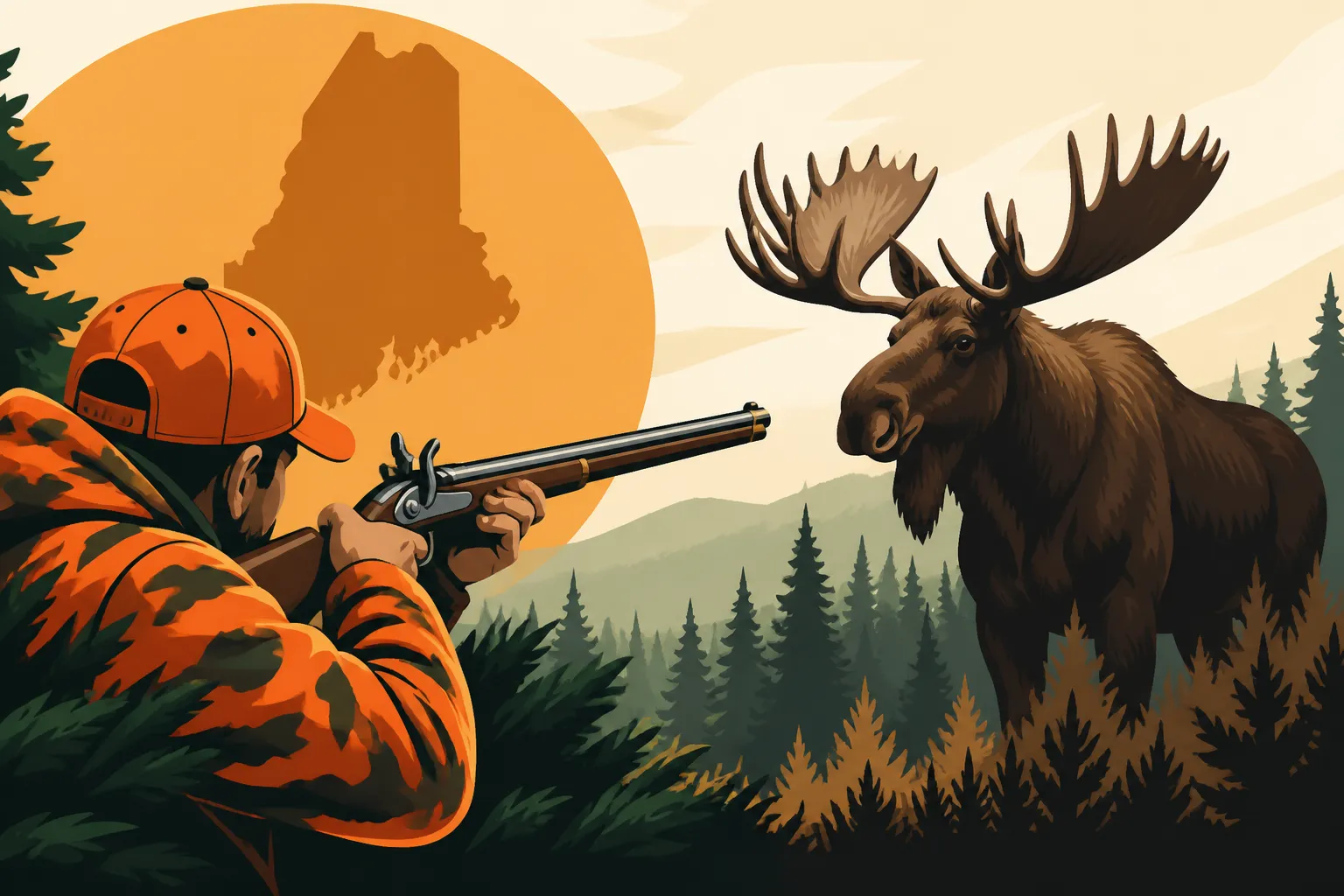
Hunting Maine’s Extended Muzzleloader WMDs
For hunters who live for that deep woods challenge and the crisp air of late fall, Maine's muzzleloader season offers a fantastic extension to the deer hunting calendar. But for many, especially those who haven't delved into the specifics, understanding which Wildlife Management Districts (WMDs) offer an extended muzzleloader season can feel like deciphering a cryptic code. This guide aims to pull back the curtain on these special zones, helping you prepare for a truly rewarding late-season hunt.
Understanding Maine's Muzzleloader Deer Season
The muzzleloader season in Maine is a unique and often underutilized opportunity for deer hunters. It typically follows the general firearms season, offering a chance to be out in the woods after many other hunters have packed up their gear. This can be a huge advantage, as deer often start to settle back into their routines after the initial pressure of the firearms season.
The Standard Muzzleloader Window
Generally, Maine's muzzleloader season usually runs for about a week to ten days in early December. This is a statewide season, meaning if you have a valid muzzleloader permit and a deer license, you can hunt with a legal muzzleloader in any WMD that is open for deer hunting. This period is a bridge between the intense November firearms season and the deep cold of winter, often coinciding with the first significant snowfalls, which can be a game-changer for tracking. For more specific information, it's always wise to check the official Maine Muzzleloader Season Dates by WMD each year, as exact dates can shift slightly.
Many hunters appreciate this season for its traditional feel. There's something undeniably special about taking to the woods with a front-stuffer, embracing the challenge of a single shot and the slower, more deliberate pace it encourages. It's a chance to connect with hunting's roots, requiring careful stalking, precise shot placement, and a deep understanding of deer behavior. Plus, with fewer hunters in the woods, the experience can feel incredibly solitary and pure, far from the sometimes crowded conditions of the general firearms opener.
Why Some WMDs Get an Extended Season
The concept of an "extended" muzzleloader season isn't just a random act; it's a strategic management tool employed by the Maine Department of Inland Fisheries and Wildlife (MDIFW). These extensions are typically granted to specific WMDs that have higher deer populations or where the department is looking to achieve particular harvest objectives, often related to managing herd health or reducing deer densities in certain areas. It's about balancing opportunity for hunters with the ecological needs of the deer herd.
These WMDs, often in central or southern Maine where deer numbers are more robust, provide additional hunting pressure when it's deemed necessary. This isn't just about giving hunters more time; it's a calculated decision based on population data, habitat conditions, and winter severity forecasts. The extension offers a valuable extra week or so, sometimes pushing the season right up to mid-December. This means hunters in these zones get to keep their black powder out a bit longer, pursuing deer during a time when food sources are dwindling and deer are often concentrating more, but also when winter's grip is starting to tighten. Understanding which WMDs qualify for this extension is your first critical step.
Identifying Extended Muzzleloader WMDs
Finding out precisely which WMDs offer that coveted extended muzzleloader season is crucial for planning your late-season hunt. This isn't a "one-size-fits-all" situation across the state; it's highly specific to particular zones, usually those with more robust deer populations or areas where increased harvest is desired for management purposes.
Key WMDs with Extended Opportunities
Historically, the extended muzzleloader season has focused on WMDs in central and southern Maine. These are the areas where deer populations are generally higher and winter conditions tend to be less severe than in the deep North Woods. While the exact list can vary slightly year to year based on MDIFW's management goals, you'll often see WMDs like 15, 17, 20, 21, 22, 23, 24, and 25 on the list for extended opportunities. These WMDs cover a significant portion of the state, from the populous coastal regions inland towards the more agricultural and mixed-woodland zones.
It's absolutely essential to consult the most current hunting regulations booklet or the MDIFW website each year. Don't rely on last year's knowledge, as regulations can and do change. A quick check will confirm Which WMDs Get Extended Muzzleloader Season for the current hunting year. Planning your hunt around these designated zones can make all the difference in maximizing your time afield and your chances of success. Often, these WMDs also coincide with areas that see high deer vehicle collision rates, making population control a community benefit as well.
Checking Official Maine Regulations
Navigating hunting regulations can sometimes feel like a chore, but it's an indispensable part of being a responsible hunter. The Maine Department of Inland Fisheries and Wildlife (MDIFW) publishes an annual hunting and trapping rulebook, which is the definitive source for all season dates, bag limits, and specific WMD regulations. You can pick up a physical copy wherever licenses are sold, or, more conveniently, access the digital version on their website.
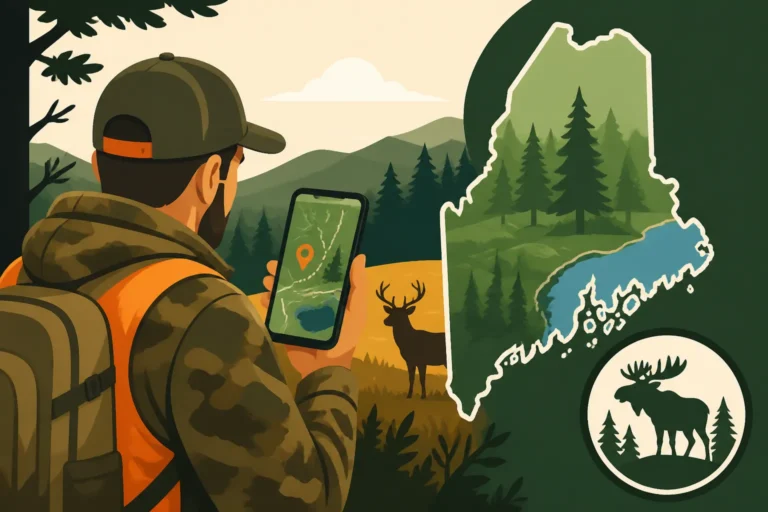
When you're looking for extended muzzleloader dates, pay close attention to the tables and maps detailing deer seasons by WMD. The extended dates will be clearly listed for the applicable zones. Many hunters find using digital mapping tools, like those offered by GoHunt, incredibly helpful for overlaying WMD boundaries with land ownership and topographic features, making it easier to visualize where these extended opportunities lie and how to access them. This foresight in preparation can save you a lot of headache and ensure you're hunting legally and effectively.
Strategies for Extended Muzzleloader Success
Hunting during the extended muzzleloader season in Maine isn't just about having more time; it's about adapting your strategy to the conditions and deer behavior prevalent in late December. By this point, deer have been pressured for weeks, food sources are scarcer, and winter's chill is setting in. This demands a more focused and often slower approach.
Focusing on Late-Season Food Sources
As the calendar turns deeper into December, natural food sources become increasingly critical for deer, and consequently, for hunters. The lush greenery of early fall is long gone, and even acorns might be buried under snow or already consumed. Deer at this point are primarily focused on survival, which means finding readily available calories. This often draws them to specific areas that still offer forage.
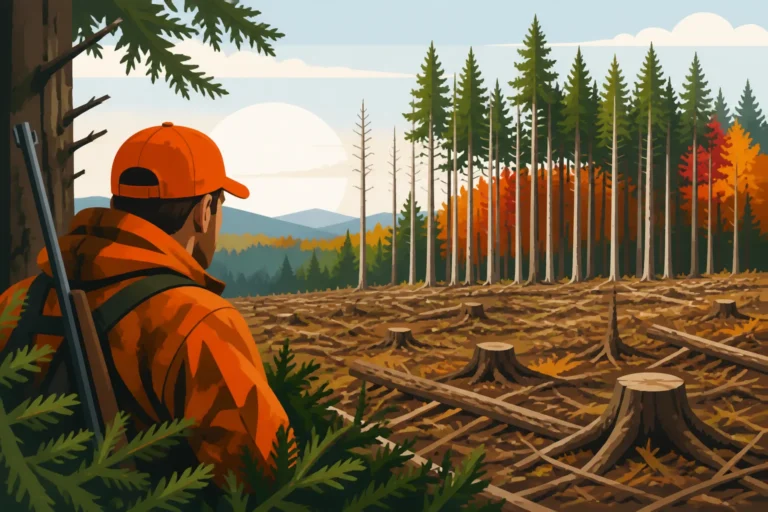
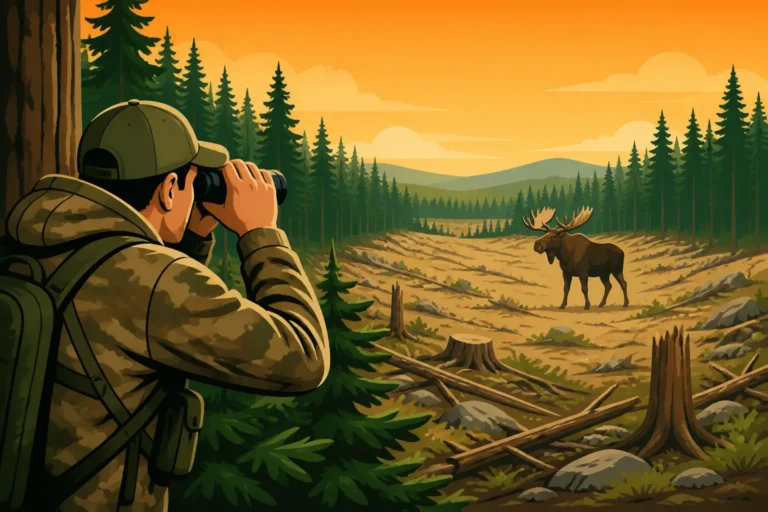
Look for areas with standing corn or brassicas if you're hunting near agricultural fields. Even cut cornfields can offer residual kernels that deer will paw through the snow to find. In wooded areas, browse becomes paramount. Young clearcuts with regenerating hardwood saplings (like maple, beech, and birch) are deer magnets. Cedar swamps, often called "deer yards" in Maine, are also critical. Not only do they offer thermal cover from the harsh winter winds and snow, but cedars themselves provide crucial browse. Targeting these areas can be incredibly effective, as deer will often travel significant distances to access these vital resources. This is where understanding Late-Season Food Sources for Maine Whitetails becomes your biggest asset.
Utilizing Thermal Cover and Wintering Yards
By the extended muzzleloader season, Maine often experiences significant snowfalls and bitterly cold temperatures. Deer, being creatures of efficiency, will seek out areas that provide both shelter from the elements and access to food with minimal energy expenditure. This is where thermal cover and wintering yards become paramount.
Conifer stands, particularly dense cedar swamps, spruce thickets, and hemlock groves, are prime candidates for thermal cover. The thick canopy traps heat, provides a barrier against wind, and intercepts snowfall, keeping the ground underneath relatively clear and warmer. Deer will congregate in these areas, often referred to as Maine Deer Wintering Yards Explained, forming distinct travel patterns and bedding areas within them. Scouting these areas for tracks, rubs, and fresh droppings is essential. Remember, deer will be focused on conserving energy, so their movements might be slower and more deliberate. Setting up downwind of known bedding areas within these thermal covers, or along travel corridors leading to or from them, can put you in a prime ambush position.
Gear and Prep for Late-Season Muzzleloader
Hunting during Maine's extended muzzleloader season means facing some of the toughest conditions the woods can throw at you. From bitter cold to deep snow, your gear and preparation need to be top-notch. Skimping on either can quickly turn an exciting hunt into a miserable, even dangerous, experience.
Essential Cold Weather Gear
The single most important aspect of late-season muzzleloader hunting is staying warm, dry, and comfortable. Maine in December can be brutal, with temperatures regularly dipping below freezing, strong winds, and heavy snow. Layering is your best friend. Start with a moisture-wicking base layer (merino wool or synthetic, never cotton). Add insulating layers like fleece or down, and top it off with a waterproof and windproof outer shell. Don't forget insulated boots designed for extreme cold (1000-gram Thinsulate or more), heavy gloves or mittens, and a warm hat that covers your ears. A neck gaiter or balaclava is also a must-have to protect against windburn and frostbite.
Beyond clothing, consider accessories like hand warmers and foot warmers, which can be lifesavers during long sits. A well-insulated ground pad to sit on, especially if using a ground blind, will prevent heat loss to the frozen earth. A good thermos with a hot beverage – coffee, tea, or even just hot water – can do wonders for your core temperature and morale. When it comes to Cold-Weather Sitting Strategy in Maine, staying warm is paramount to maintaining focus and endurance.
Muzzleloader Specific Equipment
Your muzzleloader itself requires special attention for cold-weather performance. Moisture is the enemy of black powder. Ensure your powder, primers, and bullet are kept dry. Many hunters use pre-measured powder charges in sealed tubes or speed loaders. Carry extra primers in a waterproof container. Check your bullet-to-bore fit beforehand, as extreme cold can sometimes affect loading if tolerances are very tight.
Consider using a scope cover to protect your optics from snow and ice, and a sling for comfortable carrying over long distances in rugged terrain. A sturdy bipod or shooting sticks can provide a stable rest in snowy conditions, especially if you're taking a longer shot. Don't forget a reliable cleaning kit for post-hunt maintenance, as black powder residues are corrosive, and cold weather can make cleaning more challenging. Finally, think about your carry method for your muzzleloader. A good quality, comfortable sling is essential for hiking through potential snow drifts or breaking trail through thick woods.
Overcoming Challenges in Extended Muzzleloader Zones
Hunting during Maine's extended muzzleloader season presents a unique set of challenges that can test even the most seasoned hunter. From navigating frozen terrain to dealing with pressured deer, success often hinges on your ability to adapt and persevere.
Navigating Winter Conditions and Terrain
By mid-December, Maine's landscape is often transformed by snow and ice. This can make simply moving through the woods a significant challenge. Deep snow can turn a short walk into an exhausting trek, and hidden ice patches under a light dusting of snow pose a serious slip hazard. Footwear is paramount: wear well-insulated, waterproof boots with good traction, and consider using gaiters to prevent snow from entering your boots. Snowshoes might become essential in deeper snow, allowing you to access areas that would otherwise be impassable.
Familiarize yourself with the terrain before the snow falls, if possible, or use mapping applications like GoHunt to understand elevation changes and potential obstacles. Frozen streams and ponds can look inviting for crossing, but hidden thin spots or unstable ice can be incredibly dangerous. Always err on the side of caution. Even retrieving a deer can become a monumental task in deep snow; dragging a deer over uneven, snowy ground is tough work, so planning your extraction route beforehand is smart.
Dealing with Pressured Deer and Sparse Numbers
After weeks of firearms season, deer in extended muzzleloader zones are often highly pressured. They've heard gunshots, smelled human scent, and encountered hunters repeatedly. This makes them incredibly wary, nocturnal, and prone to sticking to the thickest cover. Their numbers might also seem sparser, as some have been harvested, and others have become masters of evasion.
This is where patience and stealth become your greatest assets. Slow down your movements to a crawl, taking two steps and then pausing for minutes to scan and listen. Utilize natural contours of the land, thick brush, and timber to break up your silhouette. Focus on transitional periods: dawn and dusk are still prime times, but don't overlook midday movement, especially if it's bitterly cold, as deer might move to feed or reposition to warmer bedding areas. Consider still-hunting through thick cover or employing a strategic sit in known travel corridors or near critical food sources and thermal cover. For those late-season tags, it's about being in the right place at the right time, with unwavering patience, as detailed in articles like Hunting the Muzzleloader Close in Mid-December.
Ethical Considerations and Best Practices
Hunting in any season requires a strong ethical compass and adherence to best practices, but the late-season muzzleloader hunt in Maine adds a few unique elements that underscore the importance of responsible conduct.
Respecting Landowners and Public Access
Maine has a long-standing tradition of implied permission for hunting on private land, which is a privilege, not a right. During the extended muzzleloader season, when fewer hunters are out, it's a perfect time to reinforce positive landowner relations. Always know where you're hunting and whose land it is. If a property is posted, respect it, no exceptions. Even if it's not posted, if you can reasonably identify the landowner, consider asking for permission, especially if you plan to be there repeatedly or if you need to retrieve a deer. Showing courtesy and respect helps preserve Maine's unique access traditions for everyone.
This includes parking responsibly, not blocking gates or driveways, and leaving no trace behind. If you encounter other hunters, give them plenty of space. The extended season can be solitary, but that doesn't mean you're the only one out there. Using resources like onX Hunt or the GoHunt app to check property boundaries can prevent accidental trespassing and unnecessary conflicts, ensuring a positive experience for all users of the land.
Maximizing Recovery and Minimizing Disturbance
Given the cold temperatures and potentially deeper snow of late December, tracking and recovering a deer shot with a muzzleloader can be more challenging than in earlier seasons. A wounded animal left overnight in freezing conditions will quickly succumb to the elements, making recovery crucial but difficult. The single-shot nature of muzzleloaders also demands extra precision and confidence in your shot placement.
Take only high-percentage shots. Wait for a broadside or slightly quartering-away shot when the deer is calm and within your effective range. After the shot, give the deer ample time before tracking, especially if it wasn't a clear pass-through. In deep snow, a good blood trail can be easier to follow, but it can also be quickly covered by fresh falling snow or wind. If you lose a trail, use grid searches and expand your search area. If the temperature is very cold, meat can freeze quickly, so a swift and efficient recovery is important for meat quality. Understanding the intricacies of Blood Trailing After Dark in Maine or Recovering a Deer From a Cedar Swamp are vital skills for this late-season hunt. The goal is always a quick, ethical harvest and a full recovery of the animal.
| Aspect | Standard Muzzleloader Season | Extended Muzzleloader WMDs |
|---|---|---|
| Typical Dates | Early December (e.g., Dec 1-9) | Mid-December (e.g., Dec 10-17) |
| Location | Statewide in open WMDs | Specific WMDs, typically central/southern Maine |
| Deer Pressure | Moderate, post-firearms season | High, very wary deer |
| Weather | Cold, potential for first snow | Often bitter cold, deep snow likely |
| Food Sources | Acorns, some browse, late-season agriculture | Primarily browse, residual agriculture, cedar |
| Hunter Density | Lower than firearms season | Very low, often solitary |
| Focus | Adapting to colder temps, less pressure | Survival areas, thermal cover, ultra-stealth |
| Permit Required | Maine Muzzleloader Permit | Maine Muzzleloader Permit |
This extended muzzleloader season in Maine offers a unique and gratifying challenge for those willing to brave the elements and adapt their hunting style. It's a true test of woodsmanship and patience, providing a deep sense of connection to the wild heart of Maine.
Disclaimer
Please note that hunting regulations, season dates, and WMD boundaries are subject to change annually. Always consult the official Maine Department of Inland Fisheries and Wildlife (MDIFW) regulations booklet or their website for the most current and accurate information before planning your hunt. This article is intended for informational purposes only and does not supersede official regulations.