Maine Fall Turkey Permit Rules
Oh, the crisp air of a Maine autumn! It's truly a special time to be in the woods, but if you're thinking about chasing fall turkeys, you've likely already stumbled into the labyrinth of regulations. Trying to figure out which WMD (Wildlife Management District) allows what, how many birds you can take, and what permits you actually need can feel like solving a riddle in the dark. Don't worry, friend, this guide is here to shed some much-needed light on Maine's fall turkey permit rules, so you can focus on the hunt, not the paperwork.
Understanding Maine's Fall Turkey Landscape
There's a unique magic to fall turkey hunting that's completely different from the spring gobbler pursuit. Instead of listening for booming gobbles and setting up decoys for a lovestruck tom, fall hunting is all about understanding flock dynamics, food sources, and subtle calling techniques. But before you even think about hitting the woods, you need a solid grasp of the season itself and how Maine manages its turkey population.
The General Season Overview
Maine's fall wild turkey season typically runs from late September through early November, offering a generous window of opportunity compared to some other states. This extended period gives hunters ample chances to connect with birds, whether you prefer the cooler temperatures of early fall or the bare woods of late autumn. Unlike the spring season, which is focused on breeding activity, the fall season aligns with turkeys forming large, often multi-generational flocks as they forage for sustenance to prepare for winter. You'll find these birds concentrated around specific food sources, making scouting absolutely crucial. It’s a time when you might encounter a massive flock of hens and poults, or perhaps a bachelor group of jakes and mature toms, all focused on feeding. This shift in behavior demands a different approach, one that prioritizes woodsmanship and observation over aggressive calling.
Why Fall is Different Than Spring
If you've spent any time chasing spring gobblers, you know the drill: locate a roosted bird, set up, and try to sweet-talk him into shotgun range. Fall hunting throws that playbook right out the window. In autumn, the birds are no longer driven by the urge to breed. Instead, their primary motivation is food and security, and they've often formed large, cohesive flocks. This means the aggressive, loud calling that works in spring might send an entire flock scurrying in the fall.
The typical fall strategy often involves locating a flock, then attempting to scatter them before calling them back together. Think about it: a scattered flock of young birds or even wary hens will be eager to regroup, using soft clucks, purrs, and especially the distinctive "kee-kee run" call to re-establish contact. This psychological element of mimicking a lost bird, or a family trying to get back together, is what makes fall turkey hunting so engaging and requires a deeper understanding of turkey vocalizations. You're not trying to attract a dominant male; you're trying to appeal to the flock's instinct for safety in numbers. Plus, you’re hunting birds that have already experienced hunting pressure from the spring season, so they’re often warier and less forgiving of mistakes.
Navigating WMD Variations
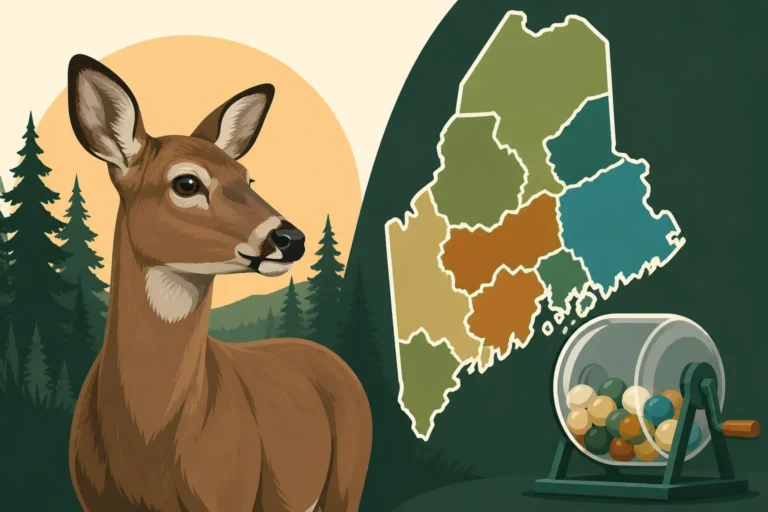
Here's where things can get a little tricky, and it's a frustration many hunters, myself included, have voiced. Maine doesn't have a blanket fall turkey regulation across the entire state. Oh no, that would be too simple! Instead, the state is divided into numerous Wildlife Management Districts (WMDs), and each WMD can have its own specific rules regarding fall turkey hunting. Some WMDs are entirely closed to fall turkey hunting, while others might have a bag limit of one bird, and still others boast a generous five-bird limit.
This patchwork system exists for a good reason – to manage local turkey populations effectively – but it can certainly lead to confusion if you're not careful. Imagine planning a hunt in one area only to discover, after you've bought your permit, that the WMD you're actually in is closed or has a limit that doesn't match your expectations. It’s a classic scenario that can really put a damper on your excitement. That's why it's absolutely critical to know your WMD and double-check the current regulations before you head out. Websites like GoHunt or the official MDIFW site are invaluable resources for this, often providing detailed maps and up-to-date information that can save you a lot of headaches. This kind of detailed planning is key, whether you're hunting within a Hunting a Five-Bird Fall Turkey District or a more restricted area.
Maine's Fall Turkey Permit Requirements
Even if you hold a valid Maine hunting license, you can't just stroll into the woods and start calling turkeys in the fall. There's an additional permit you need, specifically for wild turkeys during the autumn season. Understanding who needs this permit, how to acquire it, and what it costs is your next crucial step toward a legal and successful hunt.
Who Needs a Fall Turkey Permit
Simply put, almost anyone intending to hunt wild turkeys in Maine during the fall season needs a specific permit. This applies whether you're a resident or a nonresident, and it's separate from your general Maine Hunting Licenses and What They Cost. If you're 10 years old or older and have a valid Maine hunting license, you are eligible to purchase this permit. For those younger than 10, they can still participate in the hunt under the direct supervision of a licensed adult, often through a mentored youth program, but the adult must possess the necessary permits. It’s important to remember that this permit is specific to the fall season; your spring turkey permit won't cover you, nor will your general big game hunting license. It's an additional layer of regulation designed to help the state manage turkey populations more precisely throughout the year.
Purchasing Your Permit
Getting your fall turkey permit is thankfully a straightforward process, thanks to modern technology. The most convenient way for many hunters to secure their permit is through the Maine Department of Inland Fisheries and Wildlife's online licensing portal. It's accessible 24/7, meaning you can grab your permit from the comfort of your home, even late at night, without having to rush before a store closes. This is particularly helpful for those spur-of-the-moment weekend trips.
Alternatively, if you prefer a more traditional route or need some gear for your hunt, you can purchase your permit in person at hundreds of local licensing agents located across the state. These agents often include sporting goods stores, general stores, and town offices. They can print your permit right there, and you can chat with folks who might even offer some local insights into turkey movements. Remember, always keep proof of your license and permit on your person while hunting, whether that's a physical copy or an accessible digital version on your phone. Many hunters also find platforms like GoHunt useful not just for regulations, but for quick links to licensing portals or maps showing agent locations.
Permit Costs and Validity
The cost of a Maine Fall Turkey Permit is quite reasonable, especially when you consider the opportunities it provides. For Maine residents, you can expect the permit to be around $10. Nonresidents, on the other hand, will pay a bit more, typically around $20. These fees contribute directly to wildlife management and conservation efforts in the state, so you can feel good knowing your dollars are supporting the very resource you're pursuing.
Once purchased, your fall turkey permit is generally valid for the entirety of the designated fall turkey season for that calendar year. This means you don't need to buy multiple permits if you plan on hunting different weekends or in different WMDs (provided those WMDs are open for fall turkey hunting, of course). It covers your ability to hunt any legal number of birds in any open WMD. Just remember, the permit itself doesn't grant you unlimited access or an unlimited bag; you still have to adhere to the specific WMD bag limits discussed earlier, and you still need your base Maine Resident License Options or Maine Nonresident License Options to be valid.
Bag Limits and Harvest Reporting in the Fall
Once you have your permit in hand, the next critical piece of the puzzle is understanding how many birds you can actually harvest and, just as importantly, what you need to do after you've successfully tagged one. Failing to adhere to bag limits or proper registration procedures can quickly turn a triumphant hunt into a regrettable legal issue.
District-Specific Bag Limits
This is where the WMD discussion really comes into play. Maine doesn't have a statewide fall bag limit for turkeys; it’s all dependent on the specific Wildlife Management District you’re hunting in. This system allows the MDIFW to fine-tune harvest pressure based on local population health and density. You might find yourself in a WMD where the bag limit is a generous five birds for the fall season, offering ample opportunity for multiple successful hunts or for filling the freezer. These are typically areas with robust turkey populations and significant habitat.
Conversely, you could be hunting in an adjacent WMD where the limit is restricted to just one bird, or even an area where fall turkey hunting is completely closed. This distinction is vital. It means that while your permit allows you to hunt, the number of birds you can take is entirely dictated by the WMD boundaries. Imagine crossing a logging road that marks a WMD line; your bag limit could literally change in a matter of steps! Always consult the official MDIFW regulations or use a mapping tool like GoHunt that overlays WMD boundaries to confirm the specific bag limits for your hunting location. This table offers a generalized example of how WMDs might vary:
| WMD Number | Fall Turkey Season Status | Fall Bag Limit | Typical Geographic Area |
|---|---|---|---|
| WMD 1-13 | Closed | 0 | Northern / Western Maine (sparse pop.) |
| WMD 14-17 | Open | 1 bird | Central Maine (moderate pop.) |
| WMD 18-29 | Open | 5 birds | Southern / Coastal Maine (dense pop.) |
Note: This table is illustrative. Always consult current MDIFW regulations for precise WMD status and bag limits. For specific details on a Hunting a Five-Bird Fall Turkey District or a Hunting a One-Bird Fall Turkey District, always check the most recent regulations.
Mandatory Registration and Tagging
Harvesting a wild turkey in Maine comes with a crucial responsibility: mandatory registration. Just like with deer and moose, every turkey taken must be registered with the state. This isn't just a suggestion; it's a legal requirement designed to help MDIFW collect vital data on harvest numbers, population trends, and overall turkey health. This information is critical for setting future seasons and bag limits, ensuring sustainable hunting opportunities for years to come.
The process is generally straightforward. After you’ve successfully harvested your bird, you need to attach your turkey permit tag to the bird immediately, as specified in the regulations. Then, you have a specific timeframe—usually within 18 hours—to register your turkey. You can do this conveniently online through the MDIFW website, over the phone, or at a designated registration station. The online and phone options are fantastic for remote areas where a physical station might be a long drive away. When you register, you’ll be asked for information like the WMD where the bird was taken, the date, and potentially the sex of the bird. This system allows MDIFW to track each harvest precisely, contributing to informed wildlife management.
Penalties for Non-Compliance
It might seem like a small detail, but neglecting the permit and registration rules can lead to significant headaches and penalties. Ignoring bag limits, hunting in a closed WMD, or failing to register your bird in the allotted time are all serious offenses. The consequences can range from substantial monetary fines that will definitely put a dent in your wallet, to the loss of your hunting privileges for a certain period, or even the confiscation of your harvested game and equipment.
The MDIFW and its game wardens take these regulations very seriously, and ignorance of the law is generally not considered an excuse. The goal isn't just to catch violators, but to ensure fair chase, ethical hunting practices, and the long-term health of Maine's wildlife populations. A quick check of the regulations can save you a lot of trouble and ensures that your hunt remains a positive and legal experience. Always err on the side of caution; if you have any doubt about a rule, consult the official MDIFW regulations or call a game warden for clarification.
Key Regulations Beyond the Permit
Beyond the core permit and bag limit requirements, there are several other important regulations that every fall turkey hunter in Maine needs to be aware of. These rules govern everything from what kind of gear you can use to when you can actually be in the woods, and even how you interact with private landowners.
Legal Hunting Methods and Equipment
When it comes to pursuing fall turkeys in Maine, hunters have a few legal options for equipment. Shotguns are a perennial favorite, typically chambered in 10-gauge, 12-gauge, or 20-gauge, loaded with shot sizes ranging from 4 to 6, or even smaller TSS shot. The focus here is on clean, ethical kills at reasonable ranges. Muzzleloaders are also permitted, offering a challenge for those who enjoy traditional hunting methods. For archers, bows (compound, recurve, or longbow) and crossbows are legal, provided they meet minimum draw weight and arrow specifications. It’s important to note that specific regulations apply to Maine Crossbow Equipment Requirements, so always check those details.
What's not allowed is just as important as what is. Maine explicitly prohibits the use of rifles for turkey hunting. This is a safety measure, as rifle rounds can travel much farther than shotgun pellets or arrows, making them unsuitable for hunting a bird that often requires close-quarters engagement in dense cover. Additionally, electronic calls are generally not permitted for turkey hunting in Maine, encouraging hunters to develop their own calling skills. Make sure your equipment is in good working order and that you've practiced extensively before heading into the field.
Hunting Hours and Sunday Hunting
The legal hunting hours for fall turkeys in Maine are consistent with most other game species: from one half-hour before sunrise to one half-hour after sunset. This gives you plenty of time to get set up on a roosted flock in the pre-dawn light or to catch birds heading to roost in the late afternoon. Always consult a sunrise/sunset table or app for your specific location, as these times change daily throughout the season.
Perhaps one of the most significant regulations for any hunter in Maine is the general prohibition on Sunday hunting. This is a long-standing tradition in the state, and it means that regardless of the species or season, you typically cannot legally hunt on Sundays. There are very few exceptions, and fall turkey hunting is not one of them. This can sometimes throw off hunters from other states who are accustomed to hunting seven days a week, so it's a crucial detail to remember when planning your trips. You can learn more about this by reading up on Maine Sunday Hunting Rules. Plan your hunts accordingly, ensuring you maximize your opportunities during the legal weekdays and Saturdays.
Landowner Permission and Trespass Laws
Maine has a unique tradition of implied permission for recreational access to private, unposted land. This means that if private land isn't explicitly marked with "No Trespassing" signs or similar prohibitions, it's generally considered open for activities like hunting. However, relying solely on implied permission can be risky and, frankly, isn't the best practice. The golden rule for any hunter should always be to ask for permission first. Not only is it the most respectful approach, but it builds goodwill with landowners and ensures you're hunting legally and without conflict.
Always look for "Posted" signs, painted trees, or other clear indications that access is restricted. Hunting on posted land without express permission is trespassing and can lead to fines, legal action, and a damaged reputation for hunters in general. Many landowners are incredibly generous, especially if you approach them respectfully, introduce yourself, and ask politely. Offering to share some of your harvest or help with a small chore can go a long way in building a relationship. For more detailed information on this topic, explore resources like Maine Trespass and Permission Law and Getting Landowner Permission in Maine. Remember, maintaining good relationships with landowners is paramount to preserving Maine's hunting traditions.
Maximizing Your Fall Turkey Hunting Success
Now that you're well-versed in the regulations, let's talk about putting those permits to good use! Fall turkey hunting, with its focus on flocks and different calling techniques, offers a rewarding challenge. Success often boils down to thorough preparation, understanding turkey behavior, and adapting to the always-changing Maine environment.
Scouting and Habitat Focus
Effective scouting is truly the cornerstone of fall turkey hunting success. Unlike spring, where you might rely on auditory cues (gobbles) to pinpoint birds, fall requires more visual reconnaissance and a deep understanding of turkey habitat and food preferences. Start by looking for primary food sources. Acorns and beech nuts are high on a turkey's diet, so scouting mature oak and beech ridges in September and October can be incredibly productive. Agricultural fields, especially cornfields after harvest, are also magnets for fall flocks, as are blueberry barrens in the Downeast region.
But don't just look for food; look for sign. Fresh tracks in the mud along logging roads or field edges, dusting bowls where birds have been preening, piles of droppings, and shed feathers all indicate recent turkey activity. Roosting areas, often large pine or hardwood trees near water sources, are also key locations to identify. Checking these spots at dawn or dusk can help you locate where flocks are spending their nights. Utilizing tools like GoHunt's mapping features can be a game-changer for identifying potential food plots, timber cuts, and water sources that might hold birds. Paying attention to these subtle cues, even if it means Reading Maine Mud for Fresh Deer Movement, can often lead you to turkeys as well. Remember, turkeys are always on the move, so consistent scouting throughout the season is essential.
Effective Fall Turkey Calling Strategies
Forget the aggressive gobbling and seductive yelps of spring; fall turkey calling is a much more nuanced affair. Your primary goal is often to mimic the sounds of a lost or lonely bird, or to reassemble a scattered flock. The "kee-kee run" is arguably the most potent fall call. This high-pitched, almost whistle-like series of notes, often ending with a soft yelp, sounds like a lost poult or jake trying to find its family. Practice this call until you can replicate its pleading tone.
Other effective fall calls include soft clucks and purrs, which convey contentment and reassurance, perfect for drawing in curious birds or those trying to regroup. The fly-down cackle can also be effective at first light if you've scattered a roosted flock. The strategy is often to first locate a flock, then bust them up by running into them or making a sudden loud noise. Once they're scattered, wait patiently for 15-30 minutes, then begin your calling sequence, starting softly and increasing in volume if no response. This mimics the natural regrouping process of a disoriented flock. Mastering the art of Calling a Fall Turkey Flock Apart and then back to your position is a truly satisfying challenge.
Adapting to Maine's Fall Weather
Maine's fall weather is notoriously unpredictable, and it can significantly impact turkey behavior. Early fall might bring warm, sunny days, making birds more active in open areas. However, as the season progresses into October and November, you'll encounter everything from crisp, clear mornings to cold, driving rain, and even early snowfalls. Turkeys, like all wildlife, adapt to these changes, and so must you.
During cold or rainy weather, turkeys often seek shelter in dense cover, like conifer stands, or gravitate towards areas with abundant hard mast where they can feed without being fully exposed. They might also become less vocal. A rainy day can dampen their spirits, but it can also make your movements quieter, giving you an advantage for still-hunting or stalking. Snow, while beautiful, can make food harder to access, concentrating birds in specific feeding areas, but also making them more visible. Dressing in layers, wearing waterproof gear, and being prepared for rapid temperature drops are essential for your comfort and safety. A miserable hunter is rarely a successful hunter. Adapting your tactics based on the weather, whether it means focusing on a sheltered cedar swamp during a cold snap or an open field after a light rain, will significantly increase your odds of success.
Disclaimer
Please be aware that hunting regulations, seasons, and permit requirements can change. Always consult the official Maine Department of Inland Fisheries and Wildlife (MDIFW) regulations for the current year before engaging in any hunting activities. This guide is for informational purposes only and does not supersede official state regulations.