Reading Maine Mud for Fresh Deer Movement
There’s nothing quite as frustrating as stepping into the Maine woods, hoping to find fresh deer sign, only to be met with old rubs, faded tracks, and scrapes long abandoned. It feels like you’re always a step behind, constantly wondering if the deer you're pursuing are even using the area anymore. This guide is all about cutting through that ambiguity, teaching you how to read the most reliable indicator of recent deer movement: the mud.
The Unsung Storyteller of the Forest Floor: Why Mud Matters
While rubs on saplings and fresh scrapes can certainly get your heart pumping, they don’t always tell the full story of current deer activity. A rub could have been made last week, or even last month. A scrape might be revisited sporadically, or it might have been abandoned entirely if the buck moved on. But mud? Mud doesn't lie. It’s an ephemeral canvas, constantly being reset by rain, thaw, or even just the morning dew, making any sign etched into it a real-time snapshot of the forest's goings-on.
The Ephemeral Nature of Deer Sign in Maine
Think about it: Maine's weather is notoriously unpredictable. We can have a dry spell, then a torrential downpour, followed by a quick freeze. This constant flux means that the ground conditions are always changing. When the earth is dry and hard, deer tracks might be barely visible, if at all. But when it's wet, when the forest floor is a mix of rich topsoil, silty riverbanks, or even the heavy clay of an old logging road, every step a deer takes leaves a distinct, undeniable impression. This temporary quality is precisely what makes mud so valuable. It’s a literal timestamp. If you find a track in mud that's still wet or barely crusted over, you know that deer was there very recently. Contrast this with trying to discern the age of a rub that's already bark-stained – it’s a night and day difference in reliability. This is particularly true in areas prone to consistent moisture, like the edges of a beaver flowage or low-lying sections of industrial timberland.
How Moisture Makes Deer Movement Obvious
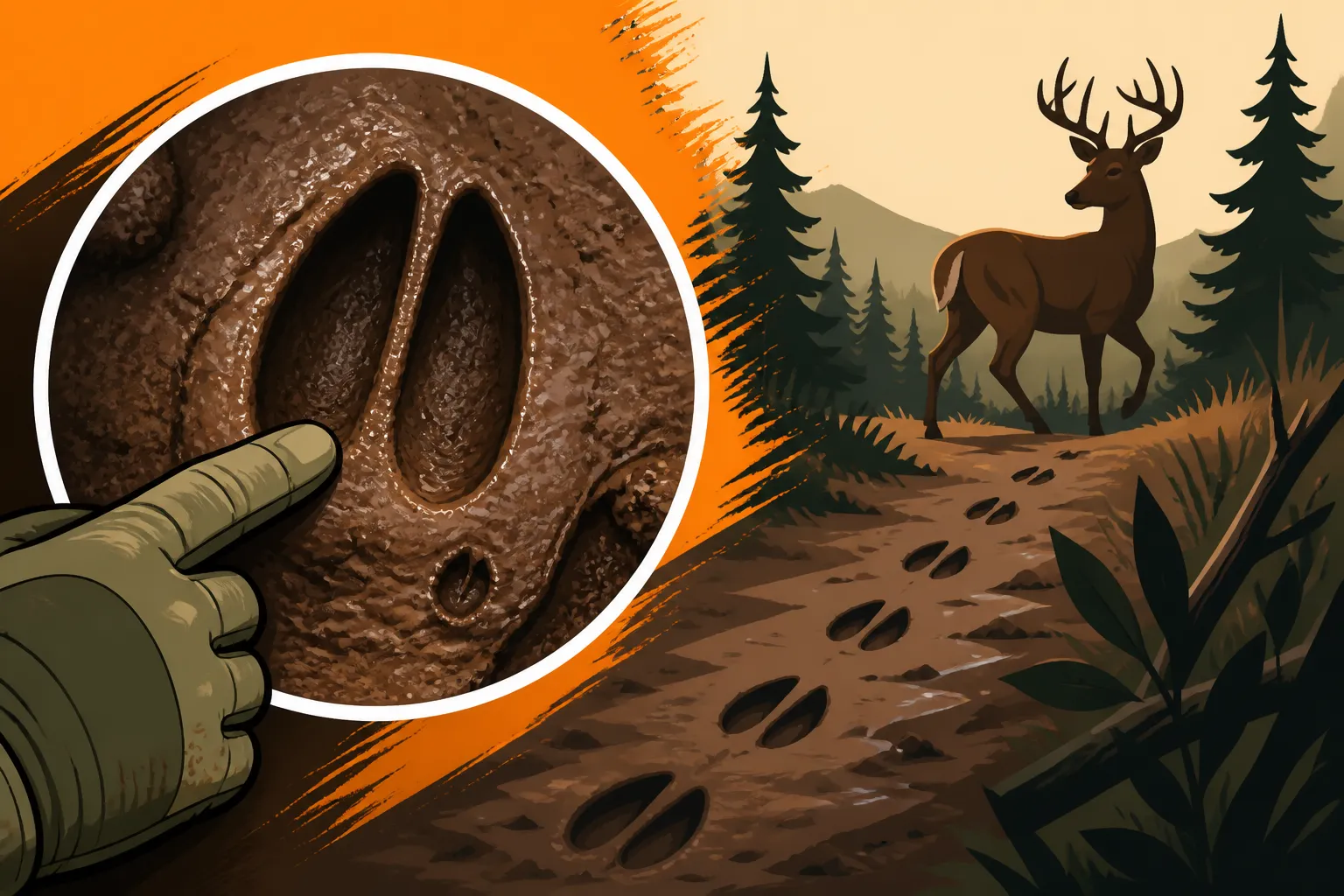
Moisture is the magic ingredient that transforms vague impressions into undeniable evidence. When the ground is damp enough to retain a print but not so waterlogged that it washes away, you get perfect conditions for reading deer sign. A deer's hoof, with its sharp edges and distinct cleft, presses into the yielding mud, creating a mirror image of itself. The subtle details — the depth of the track, the displacement of the soil, the presence (or absence) of water seeping back into the impression — all contribute to a rich tapestry of information. It's especially obvious at natural pinch points where deer are funneled through specific, often wet, terrain. Creek crossings, the soft banks of small rivers, or even just persistent puddles on old skidder trails become natural registries of passing deer. Without this moisture, you might walk right over the same ground and see nothing, proving just how critical damp conditions are for revealing otherwise hidden movements.
Decoding the Mud: What to Look For in Deer Tracks
Once you understand why mud is so important, the next step is learning what to look for. It's not just about seeing a hoof print; it's about interpreting the nuances, turning those muddy impressions into a clear narrative of what the deer was doing, and how long ago it happened.
Freshness Indicators Beyond Just the Track Itself
Determining the age of a track is paramount. A fresh track often has sharp, crisp edges, almost as if it was just stamped into place. Look for mud that's been displaced and hasn't had time to settle back in. If there are small clods of mud kicked up around the edge of the print, and those clods are still moist and pliable, you're likely looking at a very recent track. If water slowly seeps back into the bottom of a track you're observing, that’s another strong indicator of a print made mere minutes or hours ago.
Conversely, older tracks will show signs of weathering. The edges will be rounded or softened, the mud inside might be dry and cracked on the surface, or filled with debris like fallen leaves, pine needles, or small twigs that have been blown in by the wind. The sun and wind are constant enemies of fresh tracks, drying them out and eroding their fine details quickly. On a warm, breezy day, a track might lose its "fresh" look in just a few hours. In a shaded, cool, or humid environment, a track could remain looking fresh for much longer, sometimes even a full day. This is where local knowledge and observing the weather patterns become crucial. You can use tools like the GoHunt app to check recent rainfall data for your specific area, helping you gauge how long it's been since the ground was truly wet.
Gait, Size, and Direction: Piecing Together the Puzzle
A single track is interesting, but a series of tracks tells a story. Look at the gait: are the tracks widely spaced, indicating a fast pace or a bounding deer? Or are they closer together, suggesting a slower, deliberate walk? A deer that’s traveling at a normal walk will often place its hind hoof almost directly into or just slightly ahead of the print made by its front hoof on the same side. This "registering" gait is common. A truly heavy deer, especially a mature buck or a pregnant doe, might exhibit a slight "dragging" of its hooves through soft mud, creating a subtle scuff mark ahead of the print itself.
The size of the track is your primary clue for the deer itself. Larger, more splayed hooves generally point to bigger, heavier deer, often mature bucks. Does typically leave smaller, more pointed prints. While not foolproof, a track that's noticeably wider than it is long, especially with prominent dew claws (the small vestigial toes higher up on the leg, which often show in deep mud), is often a good indicator of a mature buck.
Most importantly, pay attention to direction. Which way was the deer headed? By carefully following a track line for a short distance, you can establish its trajectory. This helps you connect the dots between potential bedding areas, feeding zones, and Scrape Lines Along a Logging Road. If you’re hunting a specific funnel between two woodlots, knowing if deer are moving into or out of a certain cover at certain times can drastically change your setup.
Here's a quick comparison of deer track characteristics in mud:
| Characteristic | Fresh Track | Older Track | Potential Buck Track | Potential Doe Track |
|---|---|---|---|---|
| Edges | Crisp, sharp, well-defined | Rounded, softened, eroded | Generally wider, more splayed, blunter toe | Generally narrower, more pointed, distinct cleft |
| Mud Condition | Still wet, pliable, sometimes shiny | Dry, cracked, crusted, or filled with debris | Deep impression, prominent dew claw marks (in deep mud) | Shallower impression, less distinct dew claws |
| Debris | Little to no debris within the print | Leaves, twigs, pine needles blown into the print | Larger hoof size overall | Smaller hoof size overall |
| Water Content | Water may slowly seep back into the impression | No seepage, water already evaporated or absorbed | Deeper heel impression, possibly splayed out | More even pressure distribution |
| Surrounding Mud | Freshly displaced clods, still moist | Dry, settled, or weather-worn clods | Heavy gait, sometimes slight drag marks | Lighter gait, less dragging |
Distinguishing Bucks from Does and Other Critters
While deer tracks are usually pretty clear, Maine's diverse wildlife means you might encounter other tracks in the mud. Differentiating a buck from a doe can be tricky, as there's overlap in size, especially between a small buck and a large doe. However, a mature buck often has a heavier, wider stride, and its hooves tend to splay out more, especially when walking in soft mud or on a slope. The dew claws might also be more pronounced and consistently visible in a buck's track if the mud is deep enough.
It's also crucial to distinguish deer from other animals. Moose tracks, for instance, are significantly larger than even the biggest buck tracks – often 5-7 inches long and more elongated. Bear tracks are unmistakable, showing five distinct toes and often claw marks, resembling a human foot with long fingers. Coyote and bobcat tracks are typically more oval, with distinct pad and toe prints, and much smaller than a deer's. By familiarizing yourself with these differences, you can avoid wasting time following the wrong set of tracks. GoHunt's mapping features can help you identify areas where certain animal populations are more prevalent, giving you a heads-up on what tracks to expect.
Prime Locations for Muddy Intel and Practical Tips
Knowing what to look for is one thing; knowing where to look is another entirely. Certain areas in the Maine woods are natural magnets for deer, and when those areas get wet, they become prime locations for finding fresh intel.
Where to Find the Best Muddy Signposts
In Maine, some spots are simply notorious for revealing deer movement. Logging roads, for example, are a goldmine. They often have sections of exposed soil that turn to mud after rain, and deer frequently use them as travel corridors. Look for fresh tracks where these roads cross small streams, where puddles tend to linger, or where the road edges meet thick cover. ATV trails serve a similar purpose, often cutting through dense woods and providing convenient, if sometimes wet, travel routes for deer.
Creek crossings and riverbanks are also fantastic places to check. Deer need water, and they'll cross streams at the path of least resistance. The soft, silty banks along these waterways are perfect for capturing clear, fresh prints. Similarly, the edges of beaver flowages provide excellent muddy edges, particularly at dawn or dusk when deer are moving to and from feeding areas. You might also find good sign along the edges of agricultural fields, especially after a recent rain, as deer move in and out to feed on crops or browse the hedgerows. If you're Still-Hunting Aroostook County Farmland, these field edges are absolutely critical. Finally, don’t overlook low-lying forest floors, especially in areas with mixed hardwoods and softwoods. These spots often retain moisture longer than higher ground, and deer will often travel through these depressions, particularly when moving between Where Maine Bucks Bed in Big Timber and feeding areas. Using tools like GoHunt or other Scouting With the Maine Hunting App can help you pinpoint these low-lying areas, creek bottoms, and old road networks on topographical maps before you even step foot in the woods.
Integrating Mud Reading into Your Maine Hunting Strategy
Incorporating mud reading into your hunting strategy is all about timing and observation. The absolute best time to go out scouting for fresh tracks is right after an overnight rain or a prolonged thaw. Get out there at first light, before other human activity or further weather can degrade the sign. As you walk, move slowly and deliberately, scanning ahead for any disturbances in the mud. Using a good pair of binoculars can help you scan distant muddy flats or field edges without having to walk directly through them, potentially contaminating the scene or bumping deer.
Once you find fresh tracks, don't just admire them and move on. Start thinking like a deer. What direction are they headed? Are they consistently moving towards a particular type of cover or known food source, such as Late-Season Food Sources for Maine Whitetails or a standing apple orchard? Could this trail be part of an Entry Routes Through a Cut Cornfield? Try to connect these tracks to other sign – nearby rubs, droppings, or even distinct trails leading into thicker cover. If you find a heavily trafficked muddy crossing, consider setting up a stand or ground blind nearby for your next hunt. This is particularly effective during the rut, when bucks are actively cruising for does, and well-used travel corridors will be hot. Knowing how to read these signs can give you a significant advantage, whether you're planning for Hunting Maine's November Firearms Opener or tracking a deer in fresh snow later in the season. Mud reading is about putting together a puzzle, and each fresh track is a vital piece, helping you understand the current movements of Maine's deer herd and ultimately improve your chances of success.
Disclaimer
The information provided in this guide is for general educational and informational purposes only. Hunting regulations, seasons, and licensing requirements can change, and it is the responsibility of each hunter to verify current laws and safe practices with the Maine Department of Inland Fisheries and Wildlife (MDIFW) before engaging in any hunting activity. Always prioritize safety, ethical hunting practices, and respect for wildlife and private property.