Hunting a Five-Bird Fall Turkey District
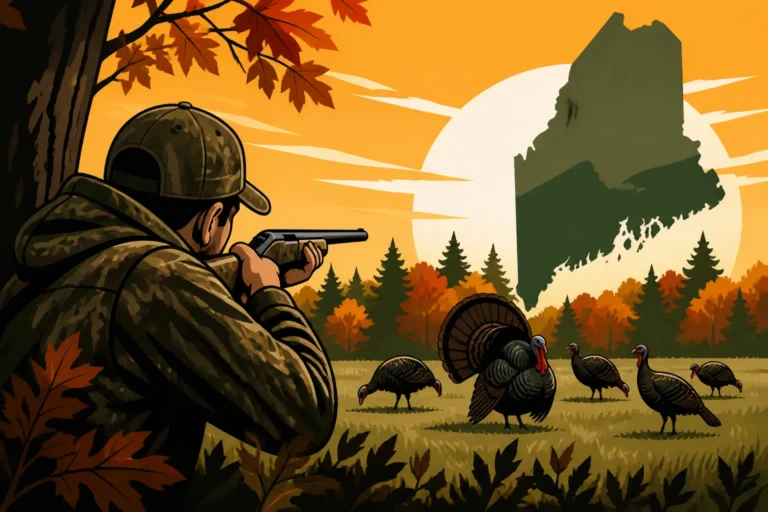
The crisp air of a Maine autumn brings with it a unique hunting opportunity that many overlook: fall turkey season, especially in those generous five-bird districts. It can feel a bit daunting, maybe even overwhelming, when you realize you have the potential to harvest multiple birds in a single season. This comprehensive guide is here to walk you through everything you need to know, from understanding these special zones to mastering the tactics that will help you fill your freezer and truly enjoy the bounty of Maine's thriving wild turkey population.
Understanding Maine's Five-Bird Fall Turkey Districts
Maine's wild turkey populations have made an incredible comeback, and nowhere is this more evident than in the designated five-bird fall turkey districts. These zones offer hunters a much more liberal bag limit compared to the traditional one-bird spring season or even the more restrictive fall zones. Knowing where these areas are and why they exist is the first step to planning a successful hunt.
Where to Find These Generous Zones
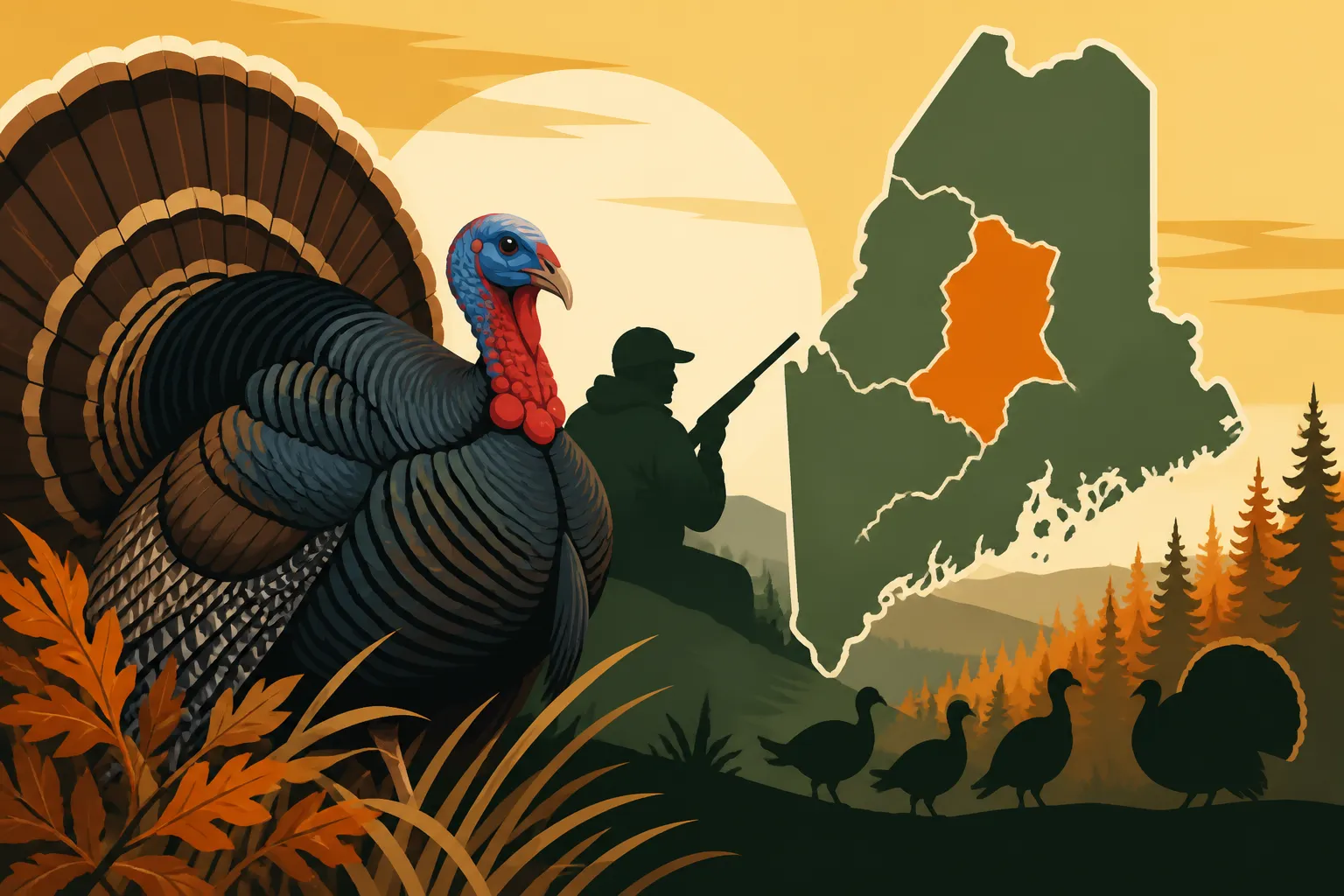
The Maine Department of Inland Fisheries and Wildlife (MDIFW) designates specific Wildlife Management Districts (WMDs) as five-bird fall turkey zones. Generally, these districts are concentrated in southern and central Maine, where habitat conditions are ideal, and turkey populations are robust and well-established. Areas around places like Augusta, Lewiston, and even down into York County often fall into these categories. This isn't by accident; these regions typically have a mix of agricultural lands, mature hardwood forests, and suburban edges that provide abundant food and cover, allowing turkey numbers to flourish. It's crucial to always check the most current MDIFW regulations and maps, or use a mapping tool like GoHunt, to confirm which WMDs qualify each season, as they can sometimes shift based on population data. The convenience of these high-density areas often means less travel for many resident hunters, opening up more opportunities to get out into the field.
The Rationale Behind Higher Bag Limits
The existence of a five-bird fall limit isn't just about hunter opportunity; it's a vital part of sound wildlife management. Wild turkeys are prolific breeders, and without adequate harvest pressure, populations can quickly outgrow their habitat, leading to increased disease transmission, habitat degradation, and potential conflicts with landowners, especially farmers. The MDIFW sets these higher limits in specific WMDs where turkey populations are at or above desired levels, using the fall season as a primary tool for population control. This approach helps maintain healthy turkey numbers, ensures balanced ecosystems, and provides excellent recreational opportunities for hunters. In contrast, districts with lower populations or more challenging habitats might only allow for a single bird, or even be closed to fall hunting entirely, as detailed in Maine's WMD-Based Turkey Bag Limits. The goal is always to strike a balance, and in these five-bird zones, the balance leans heavily in favor of the hunter.
Decoding Fall Turkey Behavior: Flocks, Food, and Routine
Hunting fall turkeys is a completely different ballgame than chasing gobblers in the spring. Forget the fervent strutting and booming calls of breeding season; autumn birds are all about survival, flock cohesion, and finding food to put on weight for the coming winter. Understanding these shifts in behavior is paramount to developing successful strategies.
The Dominance of Fall Flocks
In the fall, turkeys transition from their spring breeding patterns to forming large, cohesive flocks. These flocks can be quite diverse, ranging from all-hen groups with their poults (young birds hatched that spring) to bachelor groups of jakes and mature gobblers, and sometimes even mixed-age flocks. Unlike the spring, where a single gobbler might be roaming, fall hunting almost always means encountering multiple birds at once. Their primary focus is no longer breeding, but on foraging efficiently and maintaining safety in numbers. This flocking instinct means less gobbling and more subtle vocalizations like soft clucks, purrs, and the distinctive "kee-kee" run of young birds trying to re-establish contact. When you spot one turkey in the fall, you can bet there are many more close by. This communal behavior also means they're very alert; a single misstep can spook an entire group.
Prime Food Sources for Autumn Birds
Just like deer, fall turkeys are driven by their stomachs. Their diet shifts dramatically from spring greens and insects to high-calorie foods necessary for building fat reserves. Mast crops are king in the fall. Acorns, particularly from red and white oaks, are a primary draw, along with beechnuts if you're in an area with those trees. Soft mast like wild grapes, elderberries, and even apples from abandoned orchards are also highly prized. Beyond natural forage, agricultural fields become magnets. Turkeys will spend hours gleaning leftover corn, oats, or soybeans after harvest. Areas with active timber harvesting can also be excellent, as fresh cuts often expose dormant seeds and create new openings for growth that attract insects.
Knowing where these food sources are available and when they're ripe is critical for scouting. I often use mapping tools, including the public land layers and satellite imagery on GoHunt, to identify potential food-rich areas like oak ridges, apple orchards, and agricultural fields. It's also helpful to look for sign – scratched leaves under oak trees, droppings, and dusting bowls – to confirm turkey presence. These food sources aren't static; they change throughout the season and from year to year depending on weather and mast production, so continuous scouting is a must. You might find some overlap in food sources if you're also interested in Late-Season Food Sources for Maine Whitetails, which often includes fields and mast.
Master Tactics for Multi-Bird Fall Hunts
With Maine's generous five-bird limit in these special districts, you'll want to employ specific strategies that maximize your chances of success. Fall turkey hunting requires a blend of stealth, patience, and realistic calling, often revolving around the unique dynamics of turkey flocks.
The "Flock Busting" Strategy
Perhaps the most iconic and effective fall turkey tactic is "flock busting" or "scatter hunting." This strategy capitalizes on the turkeys' strong flocking instinct and their innate desire to regroup once separated. Here’s how it works:
- Locate the Flock: First, you need to find a flock. This could be by hearing them (kee-kees, clucks, purrs), seeing them feeding in a field, or even stumbling upon them while still-hunting. Aerial maps, like those available on GoHunt, are excellent for identifying travel routes between roosts, food, and water, which often reveal where flocks will be.
- Rush Them: Once you've located a flock, the goal is to surprise them and get them to scatter as widely and randomly as possible. A full-on, aggressive sprint into the flock, yelling and waving your arms, works best. The more chaotic the scatter, the better your chances later. You want them flying off in every direction, disoriented.
- Set Up Quickly and Quietly: Immediately after scattering, find a setup location. This should be a spot with good cover, a clear shooting lane, and a view of the area where you think birds will try to reassemble. Position yourself so you can see where they flew. If you’ve got a partner, setting up 50-75 yards apart can increase your coverage.
- Wait and Call: Patience is your best friend here. Wait at least 20-30 minutes after the scatter before making a sound. Young birds, especially poults, will start trying to locate the flock almost immediately, often with frantic "kee-kee" calls. Imitate these lost calls, or use soft hen yelps, clucks, and purrs to sound like a lonesome bird trying to regroup. Don't overcall; let the turkeys do most of the talking. The key is to sound like another lost turkey, not an aggressive one. This tactic, often referred to as Calling a Fall Turkey Flock Apart or Breaking Up a Fall Turkey Flock, is highly effective because it plays directly into their social dynamics.
- Be Ready: Turkeys, especially young ones, will often come running back to calls, sometimes very quickly. They might sneak in silently, too, so be alert. The beauty of this method in a five-bird district is that you might call in multiple birds at once, allowing for multiple harvest opportunities.
Ambush Hunting Food and Travel Corridors
Another highly effective tactic, particularly later in the fall when birds are focused intensely on food, is ambush hunting. This involves setting up silently in a known feeding area or along a well-used travel corridor.
- Scout Religiously: This strategy hinges on knowing exactly where turkeys are feeding and how they're moving. Look for fresh tracks, droppings, scratch marks, and dusting bowls in agricultural fields, along field edges, or in mast-rich woods. Using mapping apps to scout aerial photos before hitting the woods can help you identify these hotspots and potential travel lanes.
- Identify Pinch Points: Turkeys often use predictable routes between roosting sites, feeding areas, and water. These might be along a stream bed, a fenceline, a logging road, or a saddle between two hills. Setting up where these routes narrow creates a "pinch point" where you have a better chance of intercepting them.
- Blind and Decoy Setup: A pop-up ground blind offers excellent concealment and allows for some movement, which can be critical when waiting for long periods. While decoys aren't always necessary in fall, a few hen or jake decoys can sometimes help lull wary birds into range, making them feel more secure. Place decoys where you want the turkeys to approach, typically 20-30 yards out.
- Patience is Key: Once set up, commit to staying still and quiet for extended periods. Fall turkeys often move deliberately, especially in larger groups. They might feed their way through an area slowly, so don't expect them to appear instantly. Early morning, as birds leave the roost, and late afternoon, as they head back, are prime times for ambush.
Calling Strategies Beyond the Spring Gobble
Forget trying to elicit a booming gobble from a lovesick tom in the fall. Fall calling is about reassuring sounds, reassembly calls, and mimicking the social chatter of a contented flock.
- The Kee-Kee Run: This is arguably the most important fall turkey call, especially for scattered birds. It's the high-pitched, pleading whistle of a lost young turkey trying to locate its mother or flockmates. Mastering this call, often followed by soft clucks or yelps, can be incredibly effective after a flock bust.
- Soft Hen Yelps and Clucks: These are general contentment and communication calls. They don't have the urgency of spring calls but signal that a turkey is nearby and safe. Use these sparingly and realistically.
- Purrs: A soft, rolling purr can be very enticing, especially when birds are close but hesitant. It's a non-threatening, social sound that can draw in curious turkeys.
- Lost Yelp: A more drawn-out, mournful yelp, often interspersed with clucks, can imitate a hen separated from her flock.
- Volume and Aggression: In general, fall calling is much softer and less aggressive than spring calling. You're trying to sound like a lost, non-threatening member of a flock, not a dominant bird looking for a fight or romance. Observe the birds you're targeting; if they're feeding quietly, match their low-key demeanor. If they're making contact calls, respond in kind.
Essential Gear and Scouting for Fall Success
Hunting fall turkeys, especially with a multi-bird limit, requires a bit of foresight in both scouting and gear selection. Being prepared means you can focus on the hunt itself, not on what you forgot.
Scouting Smart for Fall Turkeys
Successful fall turkey hunting starts long before you ever step into the woods with a gun. Pre-season scouting is your secret weapon.
- Boots on the Ground: Nothing beats firsthand observation. Walk the areas you intend to hunt. Look for turkey sign: droppings (larger and j-shaped for gobblers, smaller and curled for hens/jakes), feather piles (indicating dusting areas or roosts), and scratch marks in leaf litter under mast trees. Look for distinct tracks, especially around water sources or field edges.
- Aerial Photography and Mapping Apps: Tools like GoHunt are invaluable for pre-season scouting. Use them to identify potential roosting areas (tall pines near water), prime food sources (oak ridges, agricultural fields, abandoned orchards), and travel corridors (logging roads, creek bottoms, field edges). This allows you to develop a strategic plan before you even step foot in the woods, saving you time and effort. This kind of detailed analysis can be as helpful for turkeys as it is for reading aerial photos for North Woods deer.
- In-Season Adjustments: Turkey patterns can change rapidly based on weather, hunting pressure, and food availability. Don't be afraid to adapt your plan. If one food source dries up, scout for another. If a flock gets pressured, they might move to a different part of their range. Keep an eye out for new activity.
- Game Cameras: Setting up trail cameras on established travel routes or near suspected feeding areas can provide crucial intelligence on flock size, composition, and movement patterns.
Packing the Right Equipment
Your gear list for fall turkeys will largely mirror your spring setup, but with a few seasonal considerations:
- Shotgun and Ammunition: A 12- or 20-gauge shotgun with a tight choke (full or extra-full) is standard. Pattern your gun with your chosen turkey loads (e.g., #4, #5, or #6 shot) to know its effective range.
- Calls: Bring a variety: a mouth call for hands-free operation, a box call, and a slate call. Practice your kee-kees, clucks, purrs, and soft yelps.
- Camouflage: Full head-to-toe camouflage is essential, including a face mask and gloves. Break-up patterns that match the autumn woods are ideal.
- Ground Blind/Comfortable Seat: If you plan on ambush hunting or sitting for long periods after a flock bust, a small, portable ground blind or a comfortable cushion/seat will make a huge difference.
- Binoculars: Essential for spotting birds at a distance, especially in open fields, without spooking them.
- Mapping Device: Your phone with a reliable mapping app like GoHunt, or a dedicated GPS unit, is critical for navigation, marking hotspots, and understanding land boundaries, particularly when Hunting Maine's Generous Fall Turkey Season.
- Knife, Game Bags, and Gloves: For field dressing your bird(s). Game bags are crucial for keeping the meat clean, especially if you plan to harvest multiple birds.
- Water and Snacks: Staying hydrated and fueled is important, especially on long hunts.
Understanding Regulations and Permits
Even in generous five-bird districts, adherence to regulations is non-negotiable.
- Permits: You will need a valid Maine hunting license and a fall turkey permit. These are typically available online or through licensed agents. Be sure to understand Maine Fall Turkey Permit Rules before heading out.
- WMD Specifics: Always double-check the specific WMDs that are open for fall turkey hunting and what the bag limits are. While this article focuses on five-bird districts, other WMDs might have a one-bird limit or no fall season at all. The MDIFW website is your go-to source for the most up-to-date information.
- Legal Hours: Hunting hours are typically from one-half hour before sunrise to one-half hour after sunset. Confirm these times annually.
- Tagging and Registration: Once you harvest a bird, you must immediately attach your tag. All harvested turkeys must be registered with the MDIFW within specific timeframes. This can often be done online or at designated tagging stations. This process is vital for the MDIFW to track harvest numbers and maintain healthy turkey populations, giving them the data to maintain generous seasons. For more details on overall harvest trends, you can check out Maine Turkey Population Trends.
Fall turkey hunting in Maine's five-bird districts offers an incredible opportunity to spend time in the autumn woods and bring home some delicious wild game. By understanding turkey behavior, employing proven tactics, and preparing thoroughly, you're well on your way to a successful and memorable season.
| Strategy | Best Use Case | Calling Focus | Ideal Conditions | Pros | Cons |
|---|---|---|---|---|---|
| Flock Busting | Actively locating and scattering large groups | Kee-kees, soft yelps, clucks | Birds in open areas, good visibility | High success rate, can harvest multiple birds quickly | Requires close proximity to flock, potential for spooking birds permanently |
| Ambush Hunting | Known feeding areas, travel corridors, roost sites | Minimal; soft clucks/purrs if needed | Predictable turkey movement, steady food source | Less physically demanding, can be done from a blind with comfort | Requires extensive scouting, less dynamic, lower chance of multiple birds at once |
Disclaimer
The information provided in this guide is for general educational purposes only and is not a substitute for official hunting regulations. Hunters are responsible for consulting the current Maine Department of Inland Fisheries and Wildlife (MDIFW) rules and regulations before participating in any hunting activity. Seasons, bag limits, and specific WMD designations can change annually. Always prioritize safety, ethical hunting practices, and respect for wildlife and private landowners.