Maine’s Once-in-a-Lifetime Moose Lottery
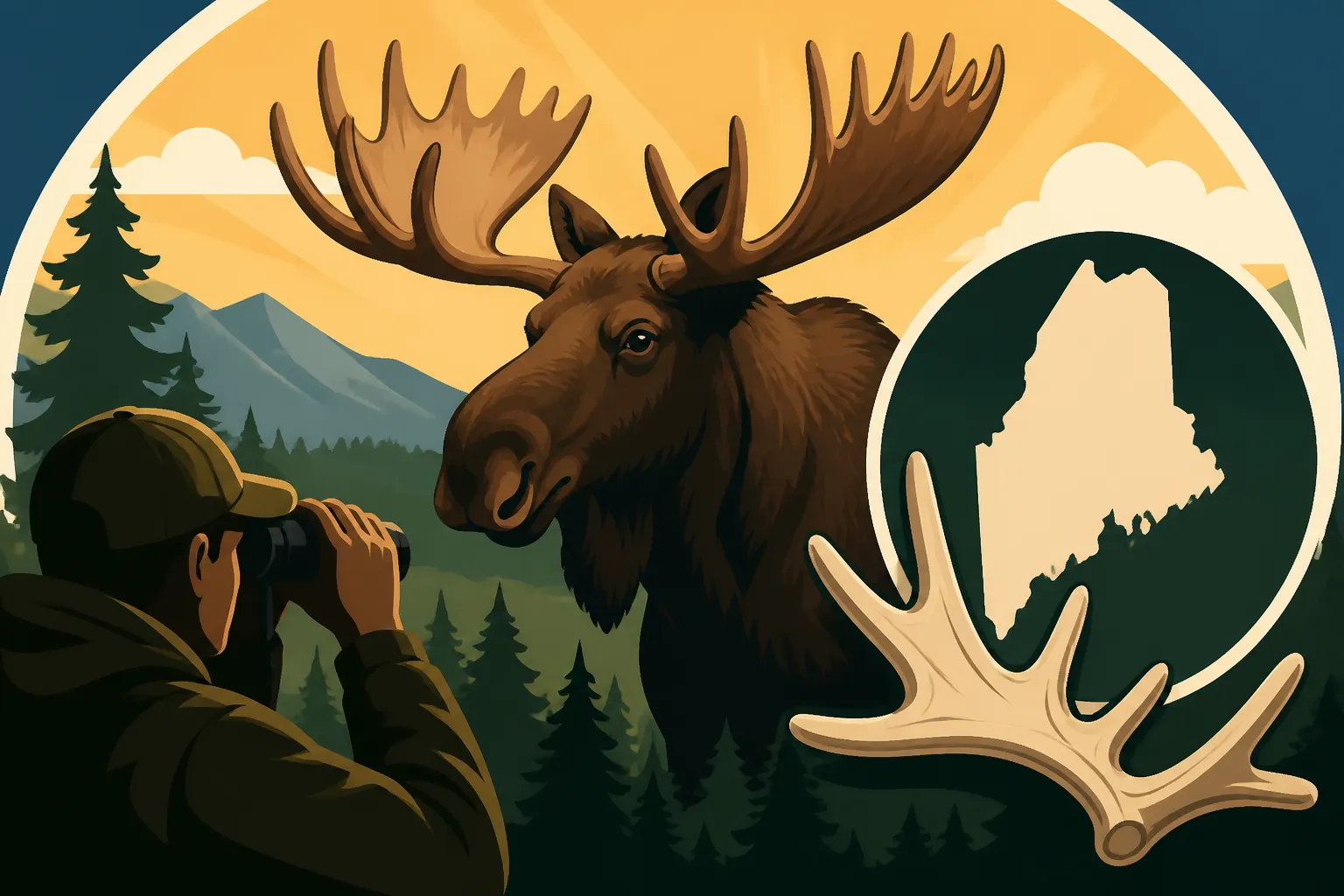
The dream of hunting a Maine moose is a powerful one, often conjuring images of vast North Woods, crisp autumn air, and the sheer awe of encountering such a magnificent animal. But for many, that dream immediately bumps up against the reality of the Maine Moose Lottery, a system that can feel as opaque and frustrating as a thick fog rolling in off the ocean. This comprehensive guide is here to demystify the process, explain the nuances of the "once-in-a-lifetime" tag, and help you navigate the application, improve your odds, and understand what to do when that coveted email finally (hopefully!) arrives.
Understanding Maine's Moose Lottery System
Let's cut right to the chase: getting a Maine moose permit is tough. It's a highly sought-after tag, and for good reason—Maine boasts a healthy moose population and incredible hunting opportunities. But before you even think about packing your bags, you need to understand the lottery that dictates who gets to chase these giants.
The "Once-in-a-Lifetime" Misconception
When folks first hear about the Maine Moose Lottery, there's often this immediate assumption that it's a truly "once-in-a-lifetime" draw, meaning if you ever get a tag, you can never apply again. I hear that worry all the time, especially from new hunters or those dreaming of a second chance. It’s a completely understandable concern, and it can deter people from even trying! Many states have strict lifetime bans on certain permits, so it's natural to think Maine might be similar for something as special as a moose tag.
However, let me clear the air on this: that's actually not how it works in Maine. The term "once-in-a-lifetime" isn't about your ability to ever hunt a moose again. Instead, it refers specifically to the preference points you accumulate. If you draw a moose permit in Maine, your accumulated preference points are reset to zero. This is a crucial distinction. You can apply and potentially draw again in future years, but you'll be starting from scratch in the preference point system, just like a brand new applicant. It means that while the dream of a second, third, or even fourth moose hunt is absolutely alive and well, you'll need to put in the time and patience again to build up your chances through the point system. So, don't let that initial misunderstanding hold you back from throwing your hat in the ring!
How Preference Points Work
Now that we've cleared up the "once-in-a-lifetime" aspect, let's dive into the heart of the lottery: preference points. These points are the backbone of Maine's system, designed to give loyal, persistent applicants a better shot over time. Every year you apply for a moose permit and don't draw one, you earn one additional preference point. Think of it like a loyalty program: the longer you're a "member" (applicant) without winning, the more your chances increase. This system validates the effort and dedication of those who have been trying for years, often a decade or more.
The beauty of the system is that your chances increase quadratically with each point. What does that mean in plain English? It means your odds don't just go up linearly; they accelerate. For example, someone with five points has a significantly better chance than someone with four points, and exponentially better than someone with zero points. This incentivizes continuous application, even if you’re not successful for a while. It's easy to get discouraged after a few years of not drawing, but those points are quietly stacking up, making your next application more impactful. This is why many veteran hunters will tell you to "just keep applying!" because every year you skip, you miss out on earning that crucial point. Missing a single application deadline can set you back years in accumulated odds, which is a truly frustrating thought if you've been building them up.
Lottery Zones and Permit Allocations
Maine is a big state, and its moose population isn't evenly distributed. That's why the lottery is broken down by Wildlife Management Districts (WMDs), often referred to simply as "zones." These zones are distinct geographical areas, and the number of moose permits allocated to each one varies significantly year to year. The Maine Department of Inland Fisheries and Wildlife (MDIFW) determines these allocations based on a whole host of factors: moose population estimates, habitat health, winter tick prevalence, previous harvest data, and specific management goals for each region.
For instance, you'll find that some of the classic "big moose country" WMDs in the North Woods, like WMDs 1, 2, 4, 5, and 6, often have a higher number of permits compared to zones further south or those with lower moose densities. This isn't just about giving hunters a better shot; it's also a critical tool for wildlife management, helping to keep moose populations healthy and balanced with their environment. Choosing which WMD to apply for is a huge decision, especially for non-residents who might not know the state well. Do you go for a zone with fantastic moose numbers but potentially higher competition, or a lesser-known zone with fewer permits but also fewer applicants? It's a strategic gamble, and researching the specific WMDs and their historical draw odds is absolutely paramount. It can feel overwhelming with so many choices, each with its own set of pros and cons, but understanding these nuances is your first step to making an informed decision. For a deeper dive into the health of the herd, check out Maine Moose Population Estimate.
Here's a simplified look at how WMDs might vary:
| WMD (Example) | General Location | Typical Moose Density | Typical Permit Allocation (Relative) | Draw Odds (General) | Notes |
|---|---|---|---|---|---|
| WMD 1 | Far Northern | High | High | Moderate-Low | Remote, large tracts of industrial forest, classic moose country. |
| WMD 4 | North Woods | High | High | Moderate-Low | Very popular, good access, solid moose numbers. |
| WMD 8 | Central Maine | Moderate | Medium | Medium | Mix of public/private land, more accessible than far north. |
| WMD 19 | Southern | Low | Low | High | Very tough draw, typically management tags, small population. |
| WMD 27 | Western | Moderate-High | Medium-High | Moderate | Mountainous terrain, good habitat, can be challenging access. |
Disclaimer: These are generalized examples for illustrative purposes only. Actual permit allocations and draw odds fluctuate annually. Always check the official MDIFW website for current data.
Applying for Your Maine Moose Permit
You’ve got the dream, you understand the system, now comes the action: filling out that application. This might seem straightforward, but there are a few critical details that can make or break your chances, especially if you’re a first-timer feeling a bit lost in the bureaucratic woods.
Eligibility and Residency Requirements
First things first, who can actually apply? Anyone over the age of 10 can apply for a Maine moose permit. However, the rules, costs, and ultimately, your draw odds, vary significantly based on your residency status. Maine residents typically have a much better chance of drawing a permit, and their application fees and permit costs are considerably lower. This is a common practice in states with highly coveted tags, designed to prioritize their own citizens who contribute to the state's conservation efforts through their taxes and other licenses.
For a resident, proving your residency usually means having a valid Maine driver's license or state ID, and residing in the state for a certain period. Non-residents, on the other hand, face higher application fees and permit costs, and significantly tougher draw odds. It’s not meant to be punitive, but rather a reflection of the demand for these limited resources. If you're a non-resident thinking about applying, it's wise to review the specific legal definition of a Maine resident as outlined by MDIFW to avoid any heartbreaking disqualifications down the line. Many people dream of hunting here, and it’s important to understand the lay of the land before you commit. For full details on who needs what, refer to Maine Hunting Licenses and What They Cost.
The Application Process: Online vs. Mail
The process itself is quite simple, thankfully. You have two main options: applying online or by mail. For most people these days, applying online is by far the easiest and most reliable method. The MDIFW has a user-friendly online portal that walks you through each step. You'll fill out your personal information, choose your preferred WMDs (usually up to three choices, with an antlerless option), indicate if you're applying as a party, and pay your application fee. The immediate confirmation email gives you peace of mind that your application has been received, which is a huge plus. This is where tools like GoHunt can be incredibly helpful; they often track application deadlines and can even provide insights into WMD draw odds to help you make informed choices before you hit submit.
However, if you prefer the traditional route, you can still print out an application form from the MDIFW website and mail it in. If you go this route, be absolutely meticulous. Double-check every box, every name, and every number. It's shockingly easy to make a small error that could invalidate your application. Using certified mail with a return receipt can provide some assurance that your application arrived safely, but honestly, the online system is so streamlined now that it’s almost always the best bet. There's nothing worse than waiting months only to find out your application was rejected for a minor oversight. This entire process is detailed in Applying for a Maine Moose Permit.
Application Deadlines and Fees
This is arguably the most critical piece of information: missing the deadline means missing out for an entire year, and if you’ve been building preference points, that's a year lost from increasing your odds. The application period typically opens in the early spring, usually in January or February, and closes in mid-May. The exact date shifts slightly each year, so it’s essential to mark your calendar and set reminders. I've heard countless stories of folks, myself included, who nearly missed it, only to scramble at the last minute!
The application fee is non-refundable, regardless of whether you draw a permit or not. For residents, it's a modest fee, while non-residents pay a higher amount. This fee, while small, does add up over the years if you're consistently applying, but it's the cost of keeping your dream alive and your preference points accumulating. When you consider the full cost of a moose hunt, this initial investment is minimal. For specific amounts, you can reference Maine Moose Permit Cost for Residents and Maine Moose Permit Cost for Nonresidents. Always check the official MDIFW website for the current year's dates and fees, as they are subject to change.
Navigating the Moose Lottery Odds
The phrase "odds are against you" is often heard when discussing the Maine Moose Lottery, and while it's true to an extent, understanding how those odds work and what you can do to influence them is key. It's not just blind luck; there's strategy involved.
Understanding Draw Odds by Zone
As we touched on earlier, not all WMDs are created equal when it comes to drawing a moose permit. Some zones are simply more popular, have higher moose populations, or have more accessible terrain, leading to fiercer competition. For example, WMDs in the deep North Woods (like WMDs 1, 2, and 4) are often highly desired, even though they might require more rugged logistics. This means that while these zones might have a larger number of permits, they also attract a huge volume of applicants, driving down the individual draw odds. Conversely, a less popular WMD in central or southern Maine might have fewer permits, but also fewer applicants, sometimes leading to slightly better (though still challenging) odds.
Factors influencing these odds include the total number of moose permits allocated to that WMD by MDIFW, the number of applicants who select that WMD as their first choice, and the overall hunter pressure on the area. It can be heartbreaking to consistently apply for your dream zone only to see the odds remain incredibly low year after year. This is where research becomes your best friend. Services like GoHunt compile historical draw odds, providing invaluable data that can help you make a more strategic choice for your primary WMD selection. You might discover that your ideal zone simply isn't realistic, and a slightly less sought-after, but still fantastic, WMD might dramatically increase your chances.
The Impact of Preference Points on Your Chances
This is where persistence really pays off. Your accumulated preference points are not just a nice bonus; they are the single most significant factor in increasing your chances of drawing a permit. Each point you earn literally squares your chances in the draw. So, if you have 1 point, your name goes into the hat twice. If you have 2 points, it goes in four times (2 squared). If you have 5 points, it's 25 times! This exponential increase means that after several years of consistent application, your name has a much, much higher probability of being selected.
I’ve seen it firsthand: hunters who finally draw a tag often have 10, 15, or even 20+ preference points. It's a testament to their patience and dedication. This system is designed to reward those who commit to the long game. It means that while a brand-new applicant technically can draw a permit (it happens every year, sparking envy!), the overwhelming majority of permits go to individuals with a significant number of points. Don't be discouraged by those initial years of no luck; every year you apply, you're building towards a much stronger chance down the road.
Strategies to Improve Your Odds
So, what can you actually do to tip the scales in your favor? It's not magic, but smart strategy can certainly help.
- Apply as a Party: Maine allows you to apply as a party of up to four hunters. If anyone in your party draws a permit, the entire party gets to hunt together on that permit. The catch? If you apply as a party, the individual with the lowest number of preference points determines the party's overall point advantage. So, if you have 10 points but your buddy has 2, your party effectively enters the draw with 2 points. This is a trade-off: you're sacrificing your personal high preference points for the camaraderie of a group hunt, or perhaps to give a friend a better shot. It’s a great option for families or groups of friends who want to experience the hunt together, but be mindful of the point reduction.
- Consider Antlerless-Only Tags: When you apply, you often have the option to select an antlerless-only tag as a preference. These tags are generally less sought after, as most hunters dream of a bull moose. However, selecting this option can significantly increase your draw odds, especially in certain WMDs. If your primary goal is simply to experience a Maine moose hunt and bring home some incredible wild game meat, an antlerless tag is a fantastic opportunity. It's a strategic move to get your foot in the door and experience what Hunting a Drawn Moose Zone in the North Woods truly entails, and it allows you to reset your points and start over without losing the experience.
- Research Less Popular WMDs: While everyone wants to hunt the trophy bulls in WMD 4, taking a hard look at WMDs with historically higher draw odds can pay dividends. These might be zones that are harder to access, have slightly lower moose densities, or simply aren't as well-known. This is where resources like GoHunt or even conversations with a Registered Maine Guide can be incredibly valuable. They can help you identify those hidden gem zones that offer a better chance without sacrificing the quality of the hunt. It might mean a bit more scouting or a longer drive, but it significantly increases your chances of getting that coveted tag.
Remember, patience and persistence are your greatest allies in this lottery. It’s a marathon, not a sprint, but the reward is absolutely worth it.
What Happens if You Draw a Permit
The email drops, the date is circled on the calendar, and your heart races. You actually drew a Maine moose permit! This moment is often met with a mixture of disbelief, exhilaration, and then a sudden, overwhelming realization: "Now what?!" Drawing the tag is just the beginning; there are crucial steps you need to take immediately.
Permit Acceptance and Payment
That initial rush of adrenaline is quickly followed by the need for swift action. When you receive notification that you've drawn a permit, you'll have a limited window—typically a few weeks—to officially accept your permit and pay the full permit fee. This is absolutely critical. Missing this deadline, for any reason, means forfeiting your permit. Imagine waiting for years, finally drawing, and then losing it because you didn't check your email or missed a payment date. It’s a gut-wrenching thought, and it happens to people every year.
The permit cost, especially for non-residents, is a significant expense compared to the application fee. It can be several hundred dollars, so be prepared for this outlay. Most people pay online through the same MDIFW portal where they applied. Once the payment is processed, you'll receive your official permit, often in digital form, which you'll need to carry with you during your hunt. This is the tangible proof that your dream has officially begun!
Choosing Your Hunting Partner and Subpermittee
One of the unique aspects of Maine's moose hunt is the subpermittee system. When you draw a permit, you (the primary permittee) can designate a subpermittee to hunt with you. This person can also carry a legal weapon and participate fully in the hunt, including harvesting the moose. This is a fantastic opportunity to share the experience with a family member, a close friend, or even a Registered Maine Guide. The subpermittee doesn’t need to have applied in the lottery or have any preference points.
Choosing your subpermittee is a big decision. This is someone who will be with you through thick and thin, sharing in the planning, the effort, and hopefully, the success. You want someone reliable, physically capable of handling the rigors of a moose hunt, and who you enjoy spending a week in the woods with. Remember, getting a moose out of the woods is a monumental task, so having a capable and strong partner is invaluable. The camaraderie of a shared hunt, especially for such an epic animal, truly enhances the entire experience. Make sure you register your subpermittee correctly through the MDIFW system by the specified deadline.
Permit Zones, Seasons, and Legal Weapons
Your drawn permit will explicitly state the Wildlife Management District (WMD) you're assigned to and the specific week of the moose season you are allowed to hunt. Maine's moose season is typically broken into several weeks, usually from late September through mid-October, with specific zones open during specific weeks. This distribution helps manage hunter pressure and provides different hunting conditions (e.g., early season rut vs. colder, later season).
You must hunt in your assigned WMD and during your assigned week. There is no flexibility on this. This is why when you apply, researching not just the moose numbers but also the season dates for each WMD is important. Do those dates work with your schedule? Are you prepared for the weather conditions typical of that time of year?
As for legal weapons, Maine allows a variety of firearms, archery equipment (including crossbows), and muzzleloaders for moose hunting. However, there are specific caliber and draw weight restrictions. You'll want to ensure your chosen weapon meets all legal requirements well in advance of your hunt. This information is readily available on the MDIFW website, and a good guide can also advise you. Don't leave these details to the last minute; you don't want any surprises when you're finally out in the woods!
If You Don't Draw a Permit (Like Most of Us)
Let's be realistic: the odds are tough, and for many years, the outcome of the lottery will be disappointment. It's a feeling all too familiar to most hopeful moose hunters, but it's crucial not to let it derail your long-term goal.
Dealing with Disappointment and Staying Persistent
The day the moose lottery results are announced is a tense one. For the vast majority, that email or letter confirms another year of waiting. It's okay to feel that sting of disappointment. You've dreamt of it, planned for it, and invested your hopes (and a little money!). It can feel like a setback, especially if you’ve been applying for many years. I’ve known folks who’ve tried for over two decades before finally drawing, and the frustration can definitely mount.
But here’s the key: don't let that disappointment turn into resignation. Remember those preference points we talked about? They are still there, accumulating, making your chances better next year. Think of it as investing in your future hunt. Every year you don't draw is a year you get closer. Many successful moose hunters will tell you their journey was a long one, full of near misses and "maybe next year" promises. The true test is not if you draw, but if you keep applying. Staying persistent is the only way to eventually get there.
Alternative Moose Hunting Opportunities
While the general lottery is the primary path, Maine offers a couple of alternative avenues for those who either haven't drawn or are looking for a different experience.
- Maine Moose Permit Auction: This is a unique opportunity for individuals (residents and non-residents alike) to bypass the lottery entirely and secure a moose permit through a competitive bidding process. The MDIFW auctions off 10 moose permits each year, with all proceeds benefiting conservation and youth education programs. These permits often fetch high prices, sometimes tens of thousands of dollars, but they guarantee you a tag for the upcoming season, and it's a way to contribute significantly to wildlife management. It’s certainly not for everyone due to the cost, but for those with the means, it’s a direct route to that coveted hunt. You can learn more about this process in Maine Moose Permit Auction Rules.
- Guided Hunts for Non-Residents (when applicable): While the lottery is the main game, non-residents who don't draw a permit can still often partake in the Maine moose hunting experience by accompanying a resident hunter as a non-hunting partner, or in some instances, seeking out specialized opportunities with guides. If a friend or family member who is a Maine resident draws a tag, you might be able to go along as their subpermittee. Additionally, some outfitters might offer unique situations or information that allows non-residents to participate in other capacities, but this will not involve drawing your own permit without going through the lottery or auction. Always clarify all rules with MDIFW and your chosen guide.
Planning for Next Year's Application
The moment you get that "not selected" notice, it's time to start thinking about next year. Don't wait until the last minute. Keep track of how many preference points you have now. Use resources like GoHunt or the MDIFW website to review the permit allocations and draw odds from the past season. Did your chosen WMD remain highly competitive? Were there any changes in moose population numbers in other areas that might make them more attractive?
Take the time to do some "armchair scouting." Look at maps, research different WMDs, and consider adjusting your strategy. Maybe you'll prioritize a WMD with slightly better odds, or perhaps commit to another year of building points in your dream zone. The main thing is to stay engaged and keep that dream alive. Your year will come, and when it does, all those years of patience will be worth every moment.
Key Considerations for a Maine Moose Hunt (Once You Draw)
Congratulations! You've drawn the golden ticket. Now the real planning begins. A Maine moose hunt, especially in the remote North Woods, is a substantial undertaking that requires careful thought and preparation far beyond what you might expect for a deer hunt.
Logistics: Guides, Lodging, and Gear
This is where the excitement truly begins, but also where the practicalities can quickly become overwhelming.
- Hiring a Guide: For many hunters, especially those from out of state or new to moose hunting, hiring a Registered Maine Guide is an invaluable asset. These seasoned professionals know the North Woods like the back of their hand. They understand moose behavior, know the best hunting spots, can help with tracking, field dressing, and, critically, getting your moose out of the dense Maine timber. A good guide isn't just a hunter; they're an expert on logistics, safety, and making your hunt successful and enjoyable. While an added expense, the peace of mind and increased success rate they offer are often worth every penny. For many first-timers, it simply transforms a potential nightmare into a rewarding adventure.
- Lodging: Your lodging options will depend heavily on your chosen WMD and your budget. In the deep North Woods, you might be looking at remote sporting camps, which offer rustic charm, meals, and often direct access to vast hunting grounds. Places like Libby Camps or Macannamac Camps are legendary for a reason. These camps provide a traditional Maine hunting experience. Alternatively, for WMDs closer to towns, you might opt for motels, cabins, or even primitive camping. Consider how far you're willing to drive each day from your lodging to your hunting grounds, especially with limited daylight in the fall.
- Gear: Moose hunting is not for the faint of heart, or the unprepared. You'll need reliable, warm, and waterproof clothing. Layering is key, as Maine autumns can swing from mild to bitterly cold in a single day. Navigation tools are crucial—GPS, maps, and compass are all essential, as cell service is spotty to nonexistent in much of moose country. Don't forget your rifle or bow, plenty of ammunition, binoculars, a good knife, and a first-aid kit. And critically, you'll need game processing tools: a bone saw, game bags, and strong rope or a small winch. This isn't a small deer; this is an animal that can weigh over a thousand pounds. Make sure your gear is up to the task of handling a truly massive animal. You'll definitely want to read Packing for a North Woods Moose Hunt to ensure you have everything covered.
Field Dressing and Meat Care
This is perhaps the most daunting aspect of a moose hunt, and it’s something you must plan for extensively. A mature bull moose can weigh upwards of 1,000 to 1,200 pounds, sometimes even more. This isn't like field dressing a whitetail. Getting that animal processed quickly and efficiently to cool the meat is paramount, especially if temperatures are mild. If you don't properly handle the meat, all your hard work and years of waiting could be for naught.
- Immediate Field Dressing: Once a moose is down, the clock starts ticking. You need to be prepared to immediately begin quartering the animal. This often means working quickly and sometimes in less-than-ideal conditions. Many hunters opt to quarter the moose in the field rather than attempting to drag the entire animal out, which can be an impossible feat in rough terrain. Having a sharp, sturdy knife, a bone saw, and game bags is non-negotiable. This process demands physical strength, teamwork, and a clear plan. Check out Field Dressing a Moose in the North Woods for detailed steps.
- Meat Extraction: This is frequently the biggest logistical nightmare. Getting hundreds of pounds of meat out of remote woods can require ATVs, Argos, tracked vehicles, horses, or even a small plane or helicopter if you’re truly deep in the backcountry. Discuss this extensively with your guide if you have one, or plan it out meticulously with your hunting party. Have a clear extraction route planned and the necessary equipment on hand. It’s not uncommon for it to take an entire day, or even longer, to retrieve all the meat and cape from a downed moose.
- Cooling and Processing: Once the meat is out, it needs to be cooled rapidly to prevent spoilage. This might mean hauling it to a local butcher shop or having a dedicated meat cooler at camp. Maine's fall weather usually cooperates with cooling, but unexpected warm spells can pose a challenge. Don't underestimate the volume of meat—a moose can yield 400-600 pounds of boneless meat, enough to fill a freezer! Having a plan for processing, whether it's DIY or through a professional processor, is essential. This is exactly why you need a plan for Getting a Moose Out of the North Woods.
The Maine Moose Experience
Beyond the permit, the hunt, and the meat, the Maine moose experience is about something deeper. It’s about immersing yourself in some of the most wild and pristine country left in the eastern United States. It's the vastness of the North Maine Woods, the silence broken only by the cry of a loon or the rustle of leaves. It’s the smell of pine and damp earth, the challenge of navigating remote timberlands, and the sheer wonder of seeing a moose emerge from the mist.
Even if you don't fill your tag, the memories created on a Maine moose hunt are truly "once-in-a-lifetime." It’s about the sunrises over sprawling bogs, the calls of coyotes echoing through the night, and the camaraderie shared around a campfire. It's about connecting with nature in a profound way and testing your mettle against the elements. The opportunity to witness these majestic animals in their natural habitat, to pursue them ethically and respectfully, is a privilege that stays with you long after the season closes. This is why so many of us keep applying, year after year, hoping for that next chance to return to the moose woods.
Common Questions and Misconceptions
Even after diving deep into the lottery, some questions invariably pop up. Let's tackle a few of the most frequent ones to help clarify any lingering doubts.
Can I Transfer My Permit?
This is a common question, and the answer is a firm no. Maine moose permits are non-transferable. The permit is issued specifically to the individual who drew it (the primary permittee) and their designated subpermittee. You cannot sell your permit, give it away, or transfer it to another hunter if you decide you can't go or for any other reason. If you draw a permit and can't use it, you effectively forfeit it. This rule is in place to maintain the integrity of the lottery system and ensure fairness among applicants. It reinforces the importance of being fully committed and ready to hunt when you apply.
What if I Miss the Payment Deadline?
Missing the payment deadline for your drawn permit is one of the most heartbreaking scenarios a hunter can face after years of applying. Unfortunately, the consequences are clear and non-negotiable: your permit will be forfeited. The MDIFW has strict administrative deadlines, and failure to meet the payment due date, for any reason, means you lose that year's permit.
There are no extensions, no exceptions for forgetfulness, and no second chances once that deadline passes. The state will typically offer the forfeited permit to an alternate applicant, ensuring that the allocated tag doesn't go unused for management purposes. This underscores the absolute necessity of marking your calendar, setting multiple reminders, and ensuring you have the funds available to pay for the permit as soon as you receive that glorious notification email.
Does Applying With a Party Affect My Points?
Yes, applying as a party does affect how your preference points are utilized in the draw. If you choose to apply with a party (up to four individuals), the entire party's application goes into the lottery using the preference points of the individual with the lowest number of points in that party.
For example, if you have 10 preference points, your buddy has 5, and another friend has 2, your party's application will only have 2 points for the draw. Your 10 points are effectively "submerged" for that year. If your party does draw a permit, all individuals in that party will have their preference points reset to zero for future applications, just as if they had drawn individually.
This is a critical consideration for those with high preference points. While it's a wonderful way to share the experience, it means sacrificing your individual advantage in the draw. If you're solely focused on maximizing your own personal chances of drawing, you'll want to apply as an individual. However, if the camaraderie of sharing the hunt outweighs the individual odds, applying as a party can be an excellent choice. It truly depends on your priorities and the dynamics of your hunting group.
Disclaimer
Please note that hunting regulations, seasons, and permit requirements in Maine are subject to change. Always consult the official Maine Department of Inland Fisheries and Wildlife (MDIFW) website and current rulebooks before planning any hunting trip. This article is for informational purposes only and should not be considered legal advice.