Maine Archery Season Opening Day
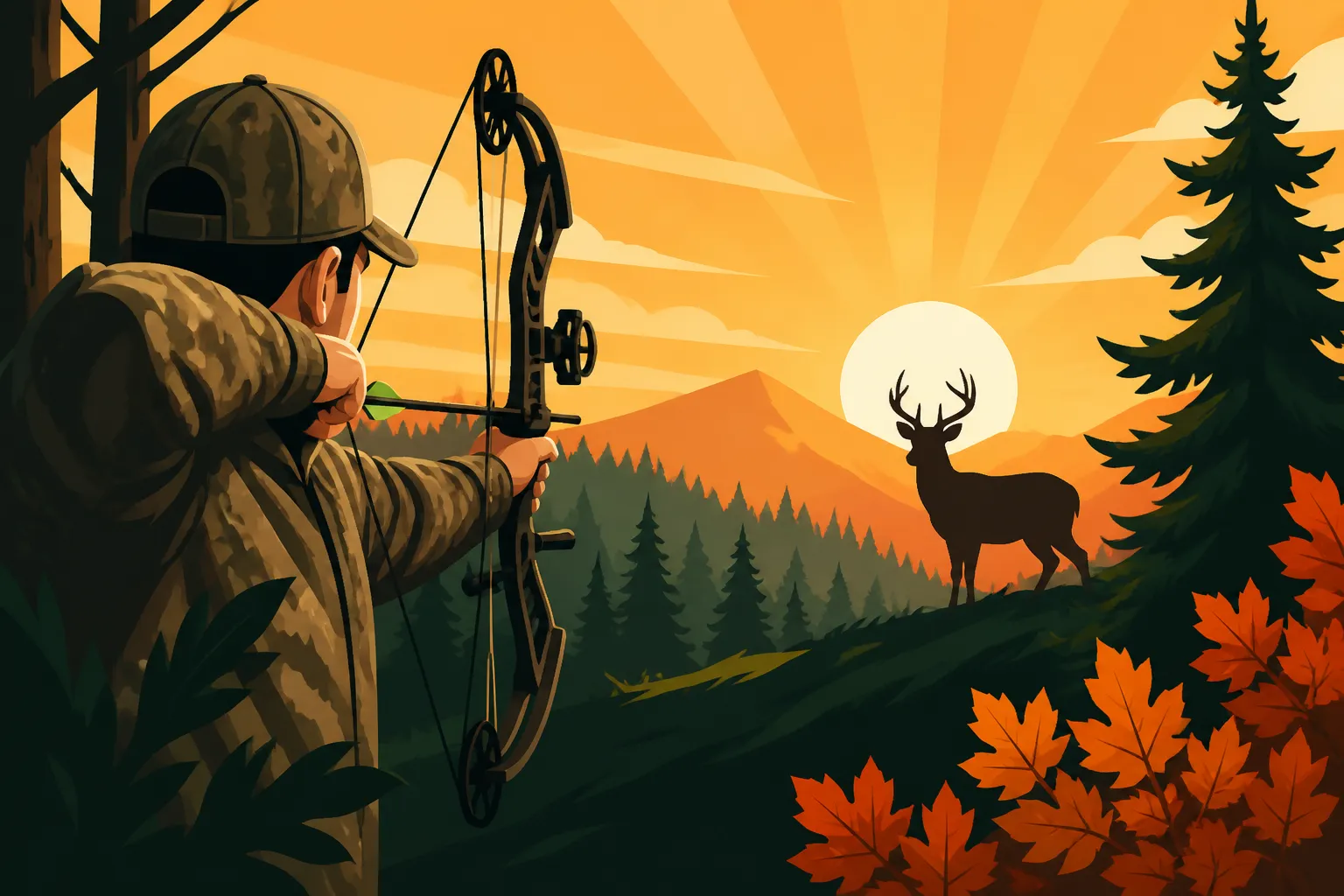
The crisp air of a late September morning, the leaves just starting to turn, and that undeniable hum of anticipation—if you're an archery hunter in Maine, you know exactly what I'm talking about. Maine's archery season opening day isn't just another date on the calendar; it's a deeply personal ritual, a chance to reconnect with the woods before the hustle and bustle of firearms season descends. It's a time fraught with excitement, but also a fair bit of planning and navigating the unique rules that make our state's hunting so special. This guide is all about getting you prepared, informed, and ready to make the most of that precious first day in the deer woods.
The Thrill and Strategy of Maine's Archery Opening Day
There's something truly magical about the start of archery season in Maine. While the firearms season gets a lot of attention, those first few weeks of archery-only hunting offer a quieter, more intimate experience with the deer herd. It's a different game, demanding patience, stealth, and a keen understanding of early-season deer behavior.
Why Opening Day is Special for Archery Hunters
For many of us who prefer to draw a string, opening day of Maine's archery season feels like the true start of fall. The woods are still relatively undisturbed, the deer haven't yet felt the intense pressure that comes later in the year, and their patterns are often predictable, centered around reliable food sources. This means a unique opportunity to catch them in their summer routines before they transition into rut-driven madness or become more nocturnal due to human presence.
You're seeing the woods in a transitional phase – foliage is often still thick, providing excellent cover for both hunter and hunted, but it also makes shot opportunities a bit more challenging. The cooler temperatures are a welcome relief from summer heat, invigorating both you and the deer. It’s a chance to spend hours in a stand, listening to the woods wake up, feeling truly immersed. Plus, if you manage to punch your tag on opening day, you've got the rest of the season to enjoy the fruits of your labor and maybe even help friends or family fill their own.
Statewide vs. Expanded Archery Zones: Knowing Your Dates
One of the most critical pieces of information for any Maine archery hunter is understanding the difference between the statewide archery season and the specialized expanded archery zones. You can't just assume one opening date fits all, and getting this wrong could land you in hot water with a game warden.
Statewide Archery Season: This is generally the more traditional opening, typically kicking off on the last Saturday of September. For most of the state, this means you get a solid month or so of archery-only hunting before the youth hunt, resident-only day, and eventually the full firearms season begins. Deer here are often more wild, less accustomed to human scent and activity. This is where you really need to be on your game, utilizing stealth and meticulous scent control.
Expanded Archery Zones: Now, these are a game-changer, especially for hunters who live in or near more populated areas. Maine created these zones (often around cities and towns like Portland, Augusta, and Bangor) to help manage deer populations where traditional hunting methods are restricted or less effective due to safety concerns or smaller private parcels. The beauty of the Hunting Maine's Expanded Archery Zones is that they often open earlier, sometimes as early as the first Saturday of September, and can run significantly longer, often well into December, overlapping with the muzzleloader season. These zones frequently allow the harvest of antlerless deer without an additional permit, which is a huge advantage for filling the freezer.
It’s absolutely vital to know which Wildlife Management District (WMD) you plan to hunt in and verify the specific opening date for that area. A quick check on the Maine Department of Inland Fisheries & Wildlife (MDIFW) website or a call to a local game warden office is always a good idea. Knowing When Maine's Archery Season Opens for your specific area is the first step to a legal and successful hunt.
Essential Preparation for Archery Opening Day Success
You wouldn't run a marathon without training, and you shouldn't head into the Maine woods on opening day without solid preparation. Success in archery hunting is rarely a matter of luck; it's the culmination of months of scouting, practice, and attention to detail.
Scouting and Stand Placement in Late Summer
The work for opening day begins long before the leaves start to change. Late summer, even with its heat and bugs, is prime time for scouting. Deer are still operating on relatively consistent summer patterns, often focused on food, water, and bedding areas. This is when you can identify those key locations that will be hot on opening day.
- Identify Food Sources: Are the apple trees dropping? Are the white oak acorns starting to fall? What about clover plots or agricultural fields? Deer will be hammering these in the early season to put on fat for the winter. Use platforms like GoHunt to analyze aerial imagery and topo maps, helping you pinpoint potential food sources and travel corridors from afar. Pay close attention to the edges of these areas, as deer often stage just inside cover before venturing out.
- Locate Travel Corridors: Deer are creatures of habit. Look for well-used trails connecting bedding areas to food sources. Funnels, pinch points, and creek bottoms are natural highways. These are prime locations for stand placement. Think about where a deer would naturally walk from point A to point B, especially between a thick cedar swamp where they bed and an open field where they feed.
- Consider Water Sources: In early season, especially if it’s been dry, deer will visit water sources regularly. Ponds, streams, and even small puddles can be hot spots.
- Bedding Areas: While you generally don't want to disturb bedding areas, knowing where deer rest is crucial for setting up entry and exit routes without alerting them. Thick spruce stands, dense regenerating clear-cuts, and overgrown swamps are common bedding locations in Maine. Reading Aerial Photos for North Woods Deer can be incredibly helpful in identifying these features from your couch.
Once you’ve identified these spots, it’s time to think about stand placement. Consider prevailing winds, sun direction, and your entry and exit routes. You want to be able to get to and from your stand without alerting any deer in the vicinity. Hanging stands weeks before the season allows deer to get used to their presence and helps you fine-tune your approach. Don't forget to practice your shot from the stand!
Gear Check and Practice: Beyond the Bow
Having your bow dialed in is non-negotiable for archery hunting. This goes beyond just sight pins.
- Bow Tuning: Ensure your bow is perfectly tuned. Are your arrows flying true? Is your rest adjusted correctly? Are your broadheads spiraling or flying straight? Even a slight wobble can mean the difference between a clean kill and a frustrating miss. Shoot your hunting broadheads before the season to ensure they fly identically to your field points.
- Practice, Practice, Practice: This is where you become proficient. Don't just shoot at a static target from 20 yards. Practice from elevated positions if you hunt from a tree stand. Practice shooting at odd angles, through small openings, and in varying light conditions. Simulate real hunting scenarios. If you use a rangefinder, practice ranging targets quickly. A well-placed arrow is the most ethical shot you can make.
- Clothing and Scent Control: Early season in Maine can still be warm, so lightweight, breathable camouflage is key. More importantly, meticulous scent control is paramount. Wash your hunting clothes in scent-free detergent, store them in airtight bags or containers, and use scent-eliminating sprays. Your human odor is the biggest deterrent for a wary whitetail. Think about how to maintain your scent control even on your walk to the stand.
- Other Essential Gear: Don't forget your rangefinder, binoculars, grunt tube or rattling antlers, a headlamp, knife, and field dressing kit. Make a checklist and run through it days before opening day to avoid any last-minute surprises. This is also a good time to ensure your Maine Hunting Licenses and What They Cost are up to date and in your possession.
Navigating Regulations and Ethical Considerations
Maine has a long and proud hunting tradition, and part of upholding that tradition is understanding and respecting the rules and ethical guidelines that govern our sport. Ignorance of the law is never an excuse, and a safe, ethical hunt benefits everyone.
Understanding Archery-Specific Regulations
Maine has specific regulations that apply solely to archery hunting, and it's your responsibility to be intimately familiar with them.
- Licensing: Before you even think about stepping into the woods, ensure you have a valid Maine hunting license. For archers, this means either a junior hunting license, an adult hunting license, or a lifetime license, with the specific archery add-on. If you're a nonresident, you'll need to purchase a nonresident hunting license which allows for archery hunting. You must carry proof of your license while hunting.
- Legal Weapons: Maine has clear guidelines for legal archery equipment. This typically includes traditional bows, recurve bows, compound bows, and crossbows (though crossbow use may have specific age or permit requirements, so always double-check current regulations). Minimum draw weights and arrow lengths are usually specified, as are broadhead types. Broadheads must be fixed blade or mechanical with a minimum cutting diameter. Always avoid broadheads with barbed or poisoned tips.
- Blaze Orange: This is a big one that often confuses new archers. During the archery-only portion of the season, blaze orange is generally NOT required in Maine. This allows archers to utilize camouflage effectively. However, if you are hunting archery during any period that overlaps with the firearms season (such as late-season expanded archery or if you choose to hunt with a bow during the regular firearms season), then blaze orange requirements do apply. It's crucial to know the exact dates and circumstances.
- Tagging and Registration: Once you've successfully harvested a deer, the process isn't over. You must immediately attach your valid deer tag to the animal. In Maine, all deer harvested must be registered with the MDIFW. This can often be done online through their official app or website, or at designated tagging stations. Ensure you complete this process within the specified timeframe. Understanding Maine Deer Registration Requirements is key to a legal harvest.
Remember, rules can change, so always consult the most current Maine Hunting & Trapping Laws Summary booklet, available from MDIFW or license agents, before heading afield.
Respecting Landowner Rights and Public Access
Maine is unique in its approach to land access for hunting. While much of the state is privately owned, there's a strong tradition of "implied permission" for recreational use on unposted land. This means if land isn't specifically posted "No Hunting" or "Private Property," you may be allowed to hunt it. However, this is a privilege, not a right, and it comes with significant responsibilities.
- Implied Permission and Posted Land: While Maine's Maine's Private Land Access Tradition is generous, it's always best to err on the side of caution. If land is clearly marked with "No Trespassing" or "No Hunting" signs, you absolutely cannot hunt there without explicit, written permission from the landowner.
- Asking for Permission: Even on unposted land, knocking on a door and asking for permission is always the best practice. It builds goodwill, opens doors (literally!), and ensures you're hunting legally and ethically. Many landowners are happy to grant permission, especially to respectful hunters. It’s also a good opportunity to learn about the property, potential hazards, or areas they prefer you avoid. When approaching a landowner, be polite, presentable, and offer to share your harvest. Organizations like GoHunt often advocate for strong landowner relationships as a cornerstone of ethical hunting. Learning about Getting Landowner Permission in Maine can save you a lot of headaches and potentially open up prime hunting spots.
- Ethical Behavior: Beyond legalities, ethical behavior is paramount. This includes leaving no trace, respecting property boundaries, not damaging property, closing gates, and never littering. If you're hunting near homes or roads, be extra mindful of safety zones and firearm discharge setbacks, even if you're using a bow. A good reputation for hunters helps maintain access for everyone.
Tactics for Early Season Archery in Maine
Early season archery means adapting to deer behavior that's quite different from the rut or late-season cold. Deer are focused on food and security, and understanding these patterns is key to positioning yourself for a shot opportunity.
Targeting Early Season Food Sources
In late September and early October, deer in Maine are primarily driven by their stomachs. They're still in their summer patterns, fattening up before the lean winter months and the demanding rut. Your best bet for success often revolves around finding and patiently hunting prime food sources.
- Acorns and Beechnuts: If it's a good mast year, hardwoods will be dropping acorns and beechnuts. White oaks, in particular, produce a sweeter acorn that deer often prefer. Scouting for these areas in late summer will tell you where the deer will congregate. Look for fresh droppings, disturbed leaves, and tracks under productive trees. Setting up between a healthy oak stand and a thick bedding area can be incredibly effective.
- Apple Orchards: Maine is dotted with old apple orchards, both wild and managed. Deer absolutely love apples, especially as they ripen and fall. Finding an old, overgrown apple tree on private land or an abandoned farmstead can be a gold mine. Be mindful of property lines. Hunting a Standing Apple Orchard requires careful planning, as deer often visit these at dawn and dusk.
- Agricultural Fields: If you're hunting near farm country, cornfields, alfalfa fields, and soybean fields are major draws for deer. Pay attention to the edges, pinch points, and entry/exit trails leading into these fields from cover. Deer often browse along the edges before venturing further into the open.
- Green Browse: Clover plots, young clear-cuts with succulent regrowth, and even certain native browse species can be attractive in the early season. Look for areas with fresh browse lines where deer have been feeding.
When you find a hot food source, identify the dominant wind direction and find a stand location that allows you to approach undetected and puts you downwind of where you expect deer to approach. Be patient; early season deer often move slowly and cautiously into feeding areas.
Playing the Wind and Thermals in Varied Terrain
Understanding how wind and thermals affect scent dispersal is perhaps the most critical skill for any archery hunter, especially in Maine's varied terrain. Deer rely heavily on their sense of smell, and a single puff of your scent carried on the wrong breeze can ruin an entire hunt.
- Prevailing Winds: Always, always hunt with the wind in your favor. This means setting up so your scent is carried away from where you expect deer to approach or pass by. Check the forecast for prevailing winds, but also pay attention to local conditions. Small swales, ridges, and even dense timber can redirect wind in unpredictable ways. GoHunt's mapping features can sometimes help predict wind direction in specific topography.
- Thermals: Thermals are air currents caused by temperature changes, and they're particularly important in hilly or mountainous terrain. In the morning, as the sun warms the earth, air rises, carrying your scent uphill. In the evening, as the air cools, it sinks, carrying your scent downhill.
- Maine's Hill Country: In areas like Western Maine's foothills or anywhere with significant elevation changes, understanding Wind and Thermals in Maine Hill Country is crucial. On a morning hunt, you might want to set up lower on a ridge, allowing your scent to rise above incoming deer. In the evening, setting up higher might be better, allowing your scent to sink below.
- Flat Terrain and Swamps: In flatter areas or dense swamps, thermals might be less pronounced, but air currents can still swirl unpredictably. Pay attention to milkweed fluff, a string on your bow, or a small puff bottle to constantly monitor the wind direction.
- Entry and Exit: Your scent strategy isn't just for when you're on stand. Your entry and exit routes must also be carefully planned to minimize scent dispersal. Try to approach and leave your stand in a way that keeps the wind in your face, or at least across your path, not blowing directly into known deer areas.
Here's a quick look at how opening dates can vary:
| Zone Type | Typical Opening Date | Target Species | Key Regulation Differentiator |
|---|---|---|---|
| Statewide Archery | Last Saturday of September | Deer | Blaze orange not required. |
| Expanded Archery | First Saturday of September | Deer | Earlier start, longer season, often allows antlerless harvest without permit, blaze orange may be required if overlapping with firearms season. |
This table provides a general overview, but always double-check the specific dates for your WMD directly with MDIFW resources as they can shift slightly year to year.
Disclaimer
Please note: Hunting regulations and seasons are subject to change. This article is intended for informational purposes only and does not constitute legal advice. Always consult the most current Maine Department of Inland Fisheries & Wildlife (MDIFW) hunting and trapping law book or their official website for the most accurate and up-to-date regulations before participating in any hunting activity.