Maine Moose Permit Cost for Nonresidents
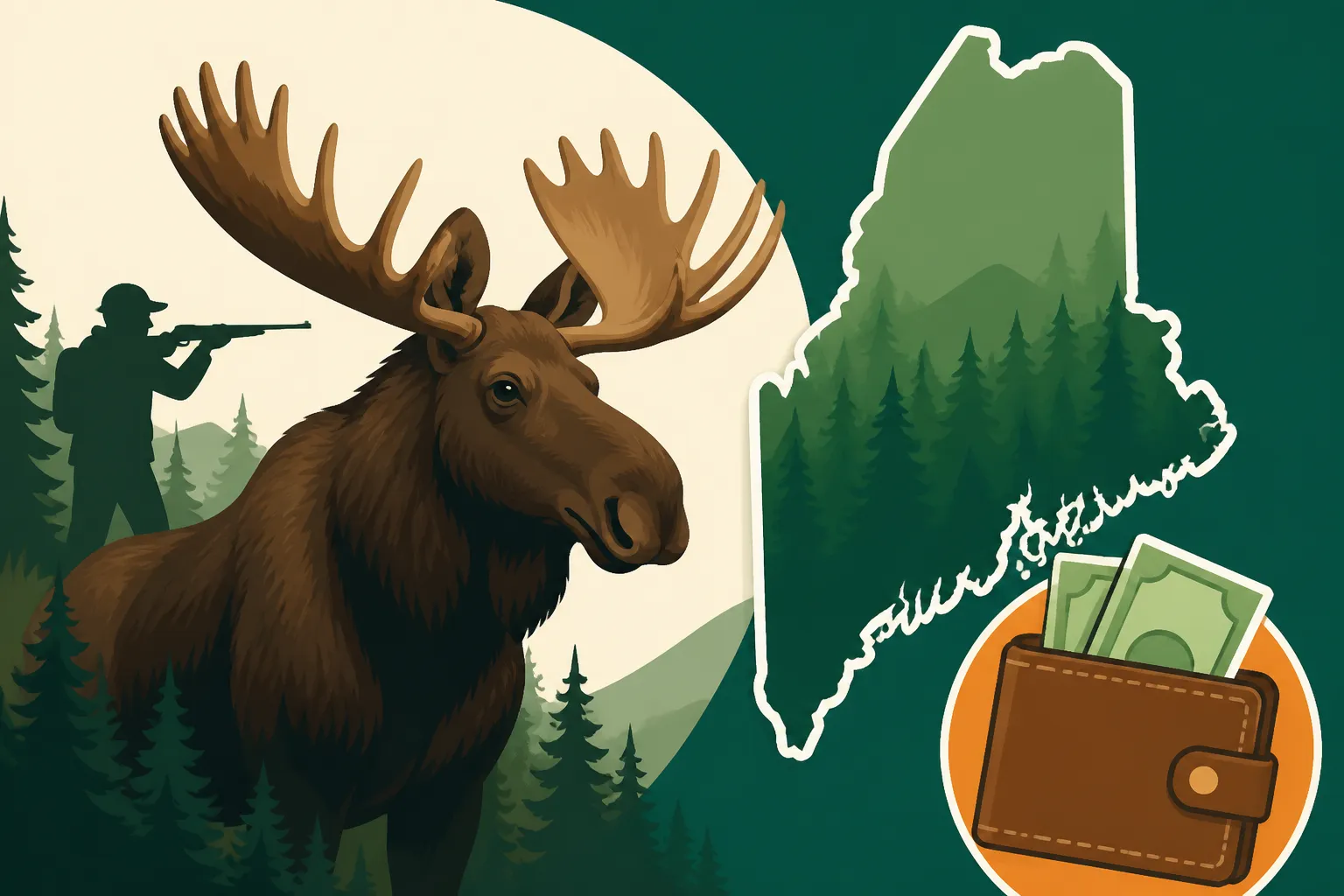
It’s a dream for many hunters, especially those of us from outside the Pine Tree State: a Maine moose hunt. The sheer scale of the North Woods, the legendary size of these animals, and the deep tradition of the hunt all combine to make it an irresistible draw. But if you're a nonresident, navigating the permit process and understanding the true financial commitment can feel like trying to track a ghost through a blizzard – confusing, overwhelming, and potentially costly. This guide is here to walk you through every dollar and detail, so you can clearly understand the Maine moose permit cost for nonresidents and plan your pursuit of this magnificent big game animal.
Understanding the Nonresident Moose Permit System in Maine
First things first, let's talk about how a nonresident even gets a chance at a Maine moose. It's not as simple as walking into a sporting goods store and buying a tag. Maine has a specific, highly regulated system to manage its healthy moose population, ensuring sustainability while providing incredible hunting opportunities. For nonresidents, this process usually involves either a lottery draw or a specialized auction.
The Draw vs. Auction: How Nonresidents Get a Moose Permit
The vast majority of moose permits in Maine are allocated through an annual lottery. This is where most hunters, both residents and nonresidents, try their luck. You apply, cross your fingers, and hope your name is drawn. It's a true lottery, meaning pure chance plays a huge role. There isn't a bonus point system that accumulates year after year, which is a stark contrast to many other states. This means every applicant, whether it's their first time applying or their twentieth, has an equal shot in any given year, assuming they meet the other criteria. The allocation between residents and nonresidents is strictly controlled, with a smaller percentage of permits reserved for nonresidents.
Beyond the lottery, there's another, albeit much more expensive, route: the Maine Moose Permit Auction. Each year, a limited number of permits are auctioned off by the state. These permits are typically offered to raise funds for conservation and wildlife management, and they usually come with some flexibility regarding zone and timing. While the lottery is about luck, the auction is about significant financial commitment, often attracting those who prioritize a guaranteed tag and are willing to pay a premium for it. It's important to understand what a once-in-a-lifetime moose tag means, as this experience is truly special.
Base Hunting License Requirements First
Before you even think about applying for a moose permit, whether through the lottery or the auction, you absolutely must possess a valid Maine hunting license. This isn't just a formality; it's the foundational requirement for any hunting activity in the state. Many nonresidents overlook this initial cost, focusing solely on the moose permit itself, only to realize later that it's a separate, mandatory expense.
For nonresidents, the base hunting license cost is higher than for residents. As of recent seasons, a nonresident big game hunting license can range in price, often hovering around the $100-$150 mark. This license allows you to hunt deer, bear, and other small game during their respective seasons, but it does not include a moose permit. Think of it like this: the hunting license is your passport to hunt in Maine, and the moose permit is your visa for a specific, highly sought-after experience. You'll need to purchase this license before you can even submit your application for the moose lottery. If you're looking into all your options, you'll want to review the full details on Maine nonresident license options.
Breaking Down the Nonresident Moose Permit Costs
Alright, let's get down to the numbers. This is where the rubber meets the road, and where many nonresident hunters find themselves doing mental gymnastics to figure out the total outlay. It's more than just a single fee; it's a layered set of costs that can add up quickly.
The Application Fee: Your First Investment
Your journey to a Maine moose permit officially begins with the application fee for the lottery. This is a non-refundable administrative cost that covers the processing of your application, regardless of whether you're drawn or not. For nonresidents, this fee is typically around $15 to $20. It might seem like a small amount in the grand scheme of a moose hunt, but it's crucial to budget for it and understand that it's a sunk cost. You won't get it back if your name isn't pulled from the hat.
The application period usually runs from early January to mid-May, with the actual drawing typically happening in June. Missing this deadline means you're out of luck for that year, so mark your calendar! You can apply online through the Maine Department of Inland Fisheries and Wildlife (MDIFW) website. This initial investment gets your name into the hat for the random draw. For more comprehensive details on how to get your name in the running, check out the Maine Moose Lottery Application Process.
The Permit Fee: If You're Drawn or Win
This is the big one. If you're one of the lucky few nonresidents whose name gets drawn in the lottery, or if you're the successful bidder in the auction, then you'll be on the hook for the actual moose permit fee. This fee is significantly higher than the application fee, reflecting the value and rarity of the permit itself.
For nonresidents, the current moose permit fee is typically in the range of $500 to $600. This fee must be paid within a specified timeframe after you are notified that you've been drawn. Fail to pay, and your permit will be forfeited and likely reallocated to another applicant. This permit fee covers your legal right to harvest one moose within a specific Wildlife Management District (WMD) and during a designated week.
Here's a quick comparison of the direct permit costs:
| Item | Resident Cost (Approx.) | Nonresident Cost (Approx.) | Notes |
|---|---|---|---|
| Base Hunting License | $26 – $40 | $100 – $150 | Required for all hunting, separate from moose permit. |
| Moose Permit Application | $15 | $15 – $20 | Non-refundable, covers processing for lottery entry. |
| Moose Permit Fee | $58 | $500 – $600 | Paid only if drawn in lottery or won at auction. |
| Total (if drawn) | ~$99 – $113 | ~$615 – $770 | Excludes auction bids, guides, travel, and other expenses. |
As you can see, the difference in the permit fee alone is substantial, a reflection of Maine's management strategy and the demand from out-of-state hunters. Don't forget, if you win a permit through the auction, that winning bid amount will be on top of your base hunting license and the permit fee itself. To learn more about this process, you might want to read about the Maine Moose Permit Cost for Residents.
Additional Costs to Consider Beyond the Permit
While the hunting license and permit fees are the direct costs to the state, they are only the tip of the iceberg for a nonresident moose hunt. Failing to account for these additional expenses can quickly turn your dream hunt into a financial nightmare.
- Travel and Lodging: Maine is a big state, and moose country is often remote. Factor in the cost of fuel for driving, or flights if you're coming from afar. You'll need accommodation for at least a week, whether it's a hotel, cabin rental, or a remote sporting camp. These costs can easily run into hundreds, if not thousands, of dollars.
- Gear and Supplies: Do you have appropriate cold-weather gear, quality optics, and a reliable rifle? What about scent control, calls, and other hunting necessities? Don't forget food and water for your trip.
- Guide Services: This is a significant consideration for nonresidents. While not always legally required, hiring a Registered Maine Guide for a drawn moose permit is highly recommended, especially if you're unfamiliar with the vast, rugged terrain of the North Woods. Guides provide invaluable local knowledge, expertise in tracking and calling, and often handle logistics like transportation, camp setup, and even game recovery. A guided hunt can easily add several thousand dollars to your total cost, but it dramatically increases your chances of success and safety. Many hunters consider this an essential investment, not an optional luxury, especially when booking a guided Maine moose hunt.
- Game Recovery and Processing: A moose is an enormous animal. If you're successful, you'll need a plan (and often help) to field dress, quarter, and extract hundreds of pounds of meat from potentially remote locations. This could mean hiring additional help, renting ATVs, or paying for professional meat processing and taxidermy. Getting a moose out of the North Woods is no small feat.
- Shipping Meat/Trophy: If you harvest a moose and want to bring the meat or trophy back to your home state, shipping costs can be substantial, especially for frozen meat.
Considering all these factors, a successful self-guided nonresident moose hunt could easily cost $3,000-$5,000, while a fully guided experience could range from $7,000 to $15,000 or more, depending on the outfitter and services included.
Strategies for Nonresidents Applying for a Maine Moose Permit
Given the significant investment, both in time and money, it pays to be strategic when pursuing a Maine moose permit as a nonresident. Understanding the draw odds and the alternative routes can make a big difference.
Navigating the Maine Moose Lottery Odds
Unlike some states that reward persistence with bonus points, Maine's moose lottery is a true random draw. Every applicant starts fresh each year. However, that doesn't mean strategy is out the window. Your chances of being drawn are heavily influenced by the Wildlife Management District (WMD) you choose to apply for. Some WMDs are known for higher moose densities and trophy potential, making them far more popular and thus much harder to draw. Others might have slightly lower success rates or be more remote, leading to fewer applicants and potentially better odds.
Nonresidents typically have a much lower chance of drawing a permit compared to residents, simply because fewer permits are allocated to them. In any given year, nonresident draw odds often hover in the low single-digit percentages. It's tough, but not impossible. When applying for a Maine Moose Permit, do your research on past draw statistics for each WMD. Some hunting data platforms, like GoHunt, provide valuable insights into draw odds and harvest data by WMD, which can help you make an informed decision about where to apply. You can also increase your odds slightly by applying as part of a group, though this also means you all have to agree on the same WMD and week, and if one person gets drawn, the whole group is typically awarded a permit to hunt together.
The Moose Auction: A High-Dollar Alternative
If the lottery's slim odds don't appeal to you, and you have the financial means, the Maine Moose Permit Auction is your alternative. Each year, a handful of permits (usually around ten) are auctioned off. These permits typically allow the winner to hunt in almost any open WMD during any open week of the season, offering tremendous flexibility.
The catch, of course, is the price. Typical winning bids for a Maine Moose Auction Permit often range from $15,000 to $30,000, and sometimes even higher. This is on top of your base hunting license and the state's standard permit fee. It's an investment, but it guarantees you a tag, bypassing the lottery entirely. For many, this is the route to take if they simply must hunt a Maine moose and don't want to wait years on lottery luck. It's a common option for those who also plan to hire a premier outfitter, effectively bundling a guaranteed tag with a high-end guided experience.
GoHunt and Other Resources for Your Moose Hunt Planning
Planning a nonresident moose hunt in Maine requires meticulous attention to detail and leveraging all available resources. The sheer scale of the state and the unique regulations can be daunting, but thankfully, there are excellent tools and services to help.
Utilizing Digital Scouting Tools
In today's hunting world, digital scouting tools are indispensable, especially for nonresidents who can't physically scout the vast Maine wilderness year-round. Platforms like GoHunt offer incredible value by compiling detailed information on hunting units, draw odds, harvest statistics, and even topographical maps. For a nonresident eyeing a Maine moose, GoHunt can help you analyze which WMDs have better success rates for nonresidents, understand the moose habitat within those areas, and get a better feel for the terrain from afar. It's like having a local expert whispering advice in your ear, helping you make an informed decision on where to allocate your lottery application or focus your attention if you win an auction permit.
Beyond draw odds, these tools provide aerial imagery, land ownership maps (crucial for navigating Maine's mix of public and private timberland), and even weather patterns. For someone planning a hunt from hundreds or thousands of miles away, this kind of data is gold.
Connecting with Maine Guides and Outfitters
For a truly optimized and successful nonresident moose hunt, connecting with a Registered Maine Guide is often the best decision you can make. These professionals live and breathe the Maine woods, possessing intimate knowledge of moose behavior, habitat, and the specific WMDs. Many outfitters offer comprehensive packages that include guiding, lodging, meals, and even game retrieval services, making the entire experience seamless.
A guide can help you understand the nuances of Moose Hunting Maine's North Woods, from reading sign to calling techniques. They'll ensure you're hunting legally and safely, and most importantly, they'll put you in the best possible position for success. While it's an added cost (and a significant one, as mentioned in the section on the average cost of a guided moose hunt), the expertise and logistical support a guide provides can be invaluable. Don't hesitate to research and interview multiple guides; look for someone experienced in your target WMD and whose hunting style aligns with yours. They can often provide insights into the Maine Moose Permit Cost for Nonresidents that extend beyond the numbers, covering realistic expectations and budgeting for a once-in-a-lifetime experience.
Disclaimer
Please note: Hunting regulations, permit costs, and season dates are subject to change annually. Always consult the official Maine Department of Inland Fisheries and Wildlife (MDIFW) website for the most current and accurate information before planning your hunt.