Maine Antler Point Restriction Status
It’s easy to feel overwhelmed by the ever-changing landscape of deer hunting regulations, especially when you hear about different antler point restrictions (APRs) in other states. Many hunters wonder if Maine has similar rules, adding another layer of complexity to their planning. This comprehensive guide will clear up any confusion about Maine's current antler point restriction status and explain exactly how deer management works in the Pine Tree State, so you can focus on enjoying your hunt.
The Buzz Around Antler Point Restrictions: What They Are
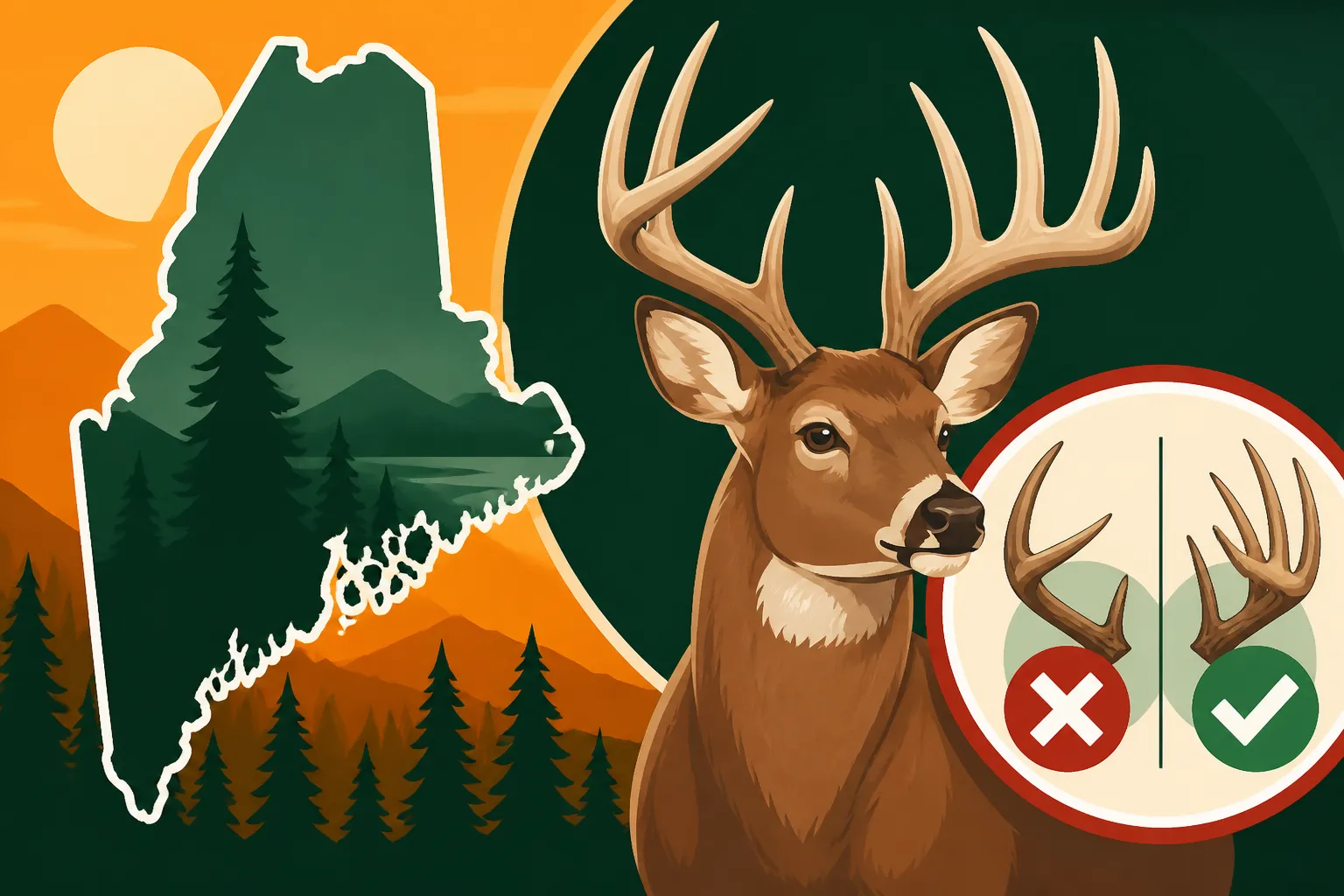
Before we dive into Maine's specific situation, let's take a moment to understand what antler point restrictions (APRs) actually are. If you've hunted outside of Maine, or even just read articles and forum discussions, you've likely encountered the concept. Essentially, APRs are hunting regulations that dictate the minimum antler size or number of points a buck must possess before it can be legally harvested.
The goal behind these rules is usually to improve the age structure of the buck population, allowing younger bucks to mature and grow larger antlers before they're taken out of the herd. You might see rules like "at least three points on one side" (often called a "3-on-one-side" rule), or "at least four points on one side" (a "4-point rule"). Some states implement a minimum spread requirement, or even specific beam length. The idea is that by protecting younger bucks, a greater percentage of them will survive to older age classes, theoretically leading to more mature bucks with larger racks available for harvest in future seasons. It’s a conservation tool designed to shift the demographic of the buck herd towards older, more robust animals.
This approach often sparks passionate debates among hunters. Some love APRs, feeling they lead to a higher quality hunting experience with more trophy potential. They appreciate the focus on letting bucks "grow up." Others find them frustrating, arguing that they force hunters to pass on perfectly good deer, can be difficult to judge in the field, especially in thick cover or low light, and sometimes lead to increased pressure on smaller, legal bucks or even misidentified harvests. It's a complex topic with strong opinions on both sides, and it's something that wildlife agencies carefully consider when crafting regulations for their specific state's deer population and habitat.
Maine's Stance: No Statewide Antler Point Restrictions (Yet!)
Here's the straight scoop, and it might come as a relief to some, or a surprise to others: Maine currently does not have any statewide antler point restrictions for white-tailed deer. That's right, there are no mandates requiring a certain number of points, minimum spread, or beam length on a buck's antlers before you can legally harvest it. If it's a legal buck, meaning it has at least one antler of any size that is three inches or longer, you're good to go during the appropriate season and with the correct tag.
Now, why is Maine different from many other states that have embraced APRs? It all comes down to the unique challenges and characteristics of Maine's deer herd and its diverse landscape. Maine is a huge state, with vastly different habitat and conditions from its dense, snow-laden northern forests to its more hospitable southern agricultural zones. The primary focus of Maine's deer management strategy has historically been on maintaining healthy overall deer populations, managing population densities to align with habitat carrying capacity, and ensuring winter survival, especially in the northern reaches where harsh winters and predation can significantly impact herd numbers.
For decades, the biggest threat to Maine's deer population, particularly in the vast, remote areas of the North Woods, has been severe winter weather. Deep snow, prolonged cold, and limited browse can decimate deer numbers, especially fawns and older animals. When you're constantly battling Mother Nature just to keep deer alive and thriving, adding regulations like APRs that further restrict harvest can sometimes work against the primary goal of population stability and growth. The state's biologists are focused on ensuring a robust breeding population and managing doe numbers through the Maine's Antlerless Permit System to achieve specific population goals within each Wildlife Management District (WMD). This approach, rather than focusing on antler size, is deemed more effective for Maine's specific ecological context.
What Maine Hunters Focus On Instead of APRs
Since Maine doesn't use antler point restrictions, its deer management relies on a combination of other tools to maintain a healthy and sustainable deer population. These strategies are specifically tailored to Maine's diverse habitats and ecological pressures, ensuring both opportunity for hunters and the long-term health of the herd.
The Any-Deer Permit System
The cornerstone of Maine's deer management is the "any-deer" permit system, often referred to as antlerless permits. These permits allow a hunter to harvest an antlerless deer (a doe or a fawn) in specific Wildlife Management Districts (Maine Antlerless Permit Districts) during the firearms and muzzleloader seasons. The number of any-deer permits issued each year varies significantly by WMD, directly reflecting the Maine Department of Inland Fisheries and Wildlife (MDIFW)'s population goals for that particular region.
For instance, in southern Maine, where habitat is generally richer and winters are less severe, deer populations can often support a higher harvest of does to keep numbers in check and prevent overbrowsing or deer-vehicle collisions. In these WMDs, any-deer permits might be more abundant, or even unlimited in some cases. Conversely, in the vast, challenging landscapes of northern Maine, where deep snow and predators like coyotes can severely impact deer numbers, permit allocations are often very limited or even non-existent in some WMDs to protect the breeding herd and aid in population recovery.
This system allows for precise, localized control over deer populations. If a WMD has a booming deer population, more permits are issued to reduce numbers. If a WMD's deer population is struggling, fewer or no permits are issued to allow for growth. It's a flexible and responsive system that directly addresses the health and size of the deer herd where it matters most: at the regional level. Hunters participating in the lottery for these permits are a vital part of this management strategy.
General Buck Harvest Regulations
For bucks, Maine maintains a fairly straightforward "one buck per hunter" regulation for the general deer seasons. This means each hunter is allowed to harvest one antlered deer (a buck with antlers at least three inches long) per calendar year, regardless of the number of points. This approach ensures that a certain number of bucks are removed from the population each year, but without the added complexity of antler restrictions.
The strategy assumes that a healthy doe population, managed through the any-deer permit system, will produce enough fawns to ensure a continuous supply of young bucks entering the herd. By not imposing APRs, Maine allows hunters to make their own decisions about which legal buck to harvest, whether it's a young basket rack or an older, more mature animal. This approach simplifies the hunting experience, reduces the chance of misidentification, and focuses on broad population management rather than specific antler characteristics.
Harvest data collected annually, including information on Maine Buck Age Structure helps biologists monitor the overall health and age distribution of the male segment of the herd, providing valuable insights without the need for restrictive point counts. This data, often available through resources like the GoHunt app for scouting and planning, empowers hunters to understand the trends in their preferred WMDs.
Navigating Maine's Deer Hunting Seasons Without APRs
Hunting in Maine without APRs means your focus shifts from counting points to other crucial aspects of a successful and ethical hunt. It simplifies the decision-making process in the field, but it also places a greater emphasis on understanding the seasons, licenses, and local deer dynamics.
Understanding Maine's Hunting Seasons and Legal Deer
The first step is always to be intimately familiar with the specific hunting season dates for the type of weapon you plan to use. Maine offers a robust archery season, a popular four-week firearms season, and an extended muzzleloader season.
- Archery Season: Maine's archery season opens early, often in late September or early October, and typically runs through most of November. During this time, you're permitted to harvest one antlered deer. In expanded archery zones, hunters may also be eligible for antlerless deer permits. If you're planning your bow hunt, make sure to check the Maine Archery Season Dates for the current year.
- Firearms Season: This is Maine's most popular deer hunting season, traditionally running for four weeks through most of November. The first day is often a "resident-only" day, followed by open hunting for all licensed hunters. During firearms season, you can harvest one antlered deer. If you've drawn an any-deer permit for your WMD, you can also harvest an antlerless deer. Pay close attention to the Maine Firearms Season Dates as they are a critical window for many hunters.
- Muzzleloader Season: Following the firearms season, the muzzleloader season typically extends into December, offering hunters another opportunity to harvest deer. Like the firearms season, you can harvest one antlered deer, and if you have an any-deer permit, an antlerless deer in designated WMDs. Some WMDs have an Maine Muzzleloader Season Dates by WMD that are extended even further, so it’s vital to consult the regulations.
In all these seasons, the definition of a "legal buck" is consistent: an antlered deer is one with antlers at least three inches in length. This simple rule means you don't have to stress about point counts when a buck steps out, allowing you to focus on shot placement and ethical harvest.
The Importance of Scouting and Understanding Local Conditions
Without APRs to guide your buck selection, understanding your hunting area and the local deer population becomes even more paramount. This is where diligent scouting and leveraging available resources truly shine.
- Habitat and Food Sources: Deer movement is dictated by food, water, and cover. Learning about the dominant tree species in your area, identifying preferred browse, and locating late-season food sources are far more important than counting points. Are there acorn flats? Apple orchards (Hunting a Standing Apple Orchard)? Cedar swamps that serve as Maine Deer Wintering Yards Explained?
- Deer Sign: Fresh tracks, rubs, scrapes, and droppings are your best indicators of deer presence and activity. Understanding how deer use the terrain, where they travel between bedding and feeding areas, and identifying funnels are all critical skills.
- Technology and Tools: Modern hunting apps like GoHunt can be invaluable for scouting. With detailed satellite imagery, topographic maps, and public/private land boundary overlays, you can virtually scout an area before ever stepping foot in it. Tools like GoHunt help you identify potential pinch points, bedding areas, and travel corridors, greatly enhancing your efficiency in the field. They can also help you find information on historical harvest data for particular WMDs, giving you a better sense of Maine Deer Herd Size and general deer density. This data, combined with personal observation, helps you make informed decisions about where to spend your time. When planning, you can even look into using the Scouting With the Maine Hunting App for up-to-date information.
By focusing on these practical hunting skills and leveraging modern tools, you'll be well-equipped to find success in Maine's deer woods, even without the guidance of antler point restrictions.
Why Maine's Deer Management Works for Its Unique Landscape
Maine's approach to deer management, which prioritizes overall herd health and population control over antler restrictions, is deeply rooted in the state's unique geographical and ecological realities. It's a testament to a management philosophy that acknowledges and adapts to the specific challenges and opportunities presented by the Maine wilderness.
Adapting to Environmental Extremes
One of the most significant factors influencing deer management in Maine is the climate, particularly the severity of winter. As you move from the relatively milder coastal and southern regions into the vast, often remote interior and northern zones, winters become increasingly brutal. Deep snow can persist for months, making food scarce and travel difficult for deer. This harsh environment, coupled with the presence of natural predators like coyotes and bears, means that simply surviving winter is a primary challenge for Maine's deer herd, especially in the north.
In areas where deer populations are already limited by these environmental factors, imposing APRs could inadvertently suppress population growth or recovery. If hunters are forced to pass on young bucks, those bucks still need to survive multiple challenging winters before they become "legal" according to an APR. This adds significant risk to the individual deer and doesn't necessarily benefit the overall population in a struggling WMD. Maine's strategy instead focuses on managing antlerless deer harvest to maintain a healthy breeding population, allowing the natural resilience of the herd to flourish without additional harvest restrictions on bucks. This helps ensure sustainable hunting opportunities while supporting the long-term health of the deer.
A Focus on Herd Health Over Trophy Antlers
While many hunters appreciate the challenge and reward of pursuing a trophy buck, Maine's deer management philosophy places a higher emphasis on the ecological health and population stability of the entire herd. This means ensuring deer populations are at levels that the habitat can sustain, minimizing disease transmission, and providing for winter survival.
For example, in regions like Aroostook County, where deer density can be naturally lower due to habitat and climate, the focus is often on allowing the population to grow. Whereas in areas like southern Maine, where deer populations are denser and often lead to conflicts with humans (e.g., deer-vehicle collisions, agricultural damage), management aims to reduce doe numbers to balance the herd with human populations and habitat. The flexibility of the any-deer permit system allows MDIFW biologists to fine-tune these management goals across different WMDs.
This approach means that while Maine certainly produces some incredible bucks, as evidenced by record books and the experiences of hunters who have tagged a mature animal in the Best Maine WMDs for Big Bucks, the statewide regulations aren't designed to artificially inflate antler size. Instead, they foster a natural age structure based on local conditions, predation, and winter severity. The result is a wild, resilient deer herd that provides consistent hunting opportunities across its diverse landscapes, a testament to a pragmatic and ecologically-sound management strategy.
Disclaimer
Please remember that hunting regulations can change. It is always your responsibility to consult the most current Maine Department of Inland Fisheries and Wildlife (MDIFW) hunting regulations directly before heading afield. This article is for informational purposes only and should not be considered a substitute for official state regulations.