Hunting Maine’s Expanded Archery Zones
It's tough, isn't it? You spend all year dreaming of the Maine deer woods, only to feel like the actual hunting season flies by in a blink, especially if you're stuck in more populated areas with less public land. Many hunters feel restricted by short seasons or limited access, making it hard to truly capitalize on opportunities. But what if I told you there's a fantastic, often underutilized option right here in Maine that can significantly extend your time afield and increase your chances? This guide will dive deep into Maine's Expanded Archery Zones, a game-changer for resident and non-resident bowhunters alike, providing all the ins and outs you need to succeed.
Understanding Maine's Expanded Archery Zones
Maine's Expanded Archery Zones are a brilliant initiative designed to address specific deer management challenges, primarily in areas with higher human populations and fragmented habitats. For us hunters, it translates into longer seasons and more opportunities right in our backyard. It’s not just about harvesting a deer; it’s about participating in responsible wildlife management in a setting that demands a slightly different approach than the deep woods of the North.
What Defines an Expanded Archery Zone
Simply put, an Expanded Archery Zone is a specific geographic area, often encompassing more developed or suburban regions, where deer populations can sometimes become overabundant. These zones are usually within certain Wildlife Management Districts (WMDs) that have been identified by the Maine Department of Inland Fisheries and Wildlife (MDIFW) as needing additional management pressure, particularly on antlerless deer. The goal is to reduce deer-vehicle collisions, mitigate property damage, and promote healthier deer herds by balancing their numbers with the available habitat. Think of towns and cities like Portland, Bangor, and Augusta, and their surrounding communities – places where deer thrive but traditional firearms hunting might be impractical or unsafe due to housing density.
Unlike the vast timberlands, these zones often feature a mosaic of small woodlots, suburban backyards, agricultural fields, and undeveloped parcels. This means the deer in these areas are often quite accustomed to human presence, but they are also incredibly adept at utilizing thick cover and moving stealthily between properties. Understanding this unique landscape is the first step to success, as it dictates everything from your scouting strategy to your shot selection. It's a completely different game than still-hunting miles of uninterrupted forest, requiring a more nuanced and often more patient approach.
Unique Season Dates and Regulations
The most attractive feature of the Expanded Archery Zones for many of us is the significantly extended season. While the regular statewide archery season typically kicks off in late September, the expanded zones often open much earlier, sometimes even in late August, and can run well into December. This gives you a massive window, encompassing the early season, the peak of the rut, and even the late-season cold snaps. This extended timeframe is perfect for hunters who want to maximize their time in the woods or for those who might miss parts of the traditional seasons due to work or family commitments.
In these zones, you generally need a specific expanded archery permit in addition to your regular archery license. The regulations are usually tailored to encourage the harvest of antlerless deer, often allowing hunters to take multiple antlerless deer within the zone, sometimes even without needing a separate Any-Deer Permit for those specific animals. It's always crucial to check the current MDIFW regulations guide for the exact dates and bag limits for your chosen WMD, as these can change annually. The opportunity to hunt well into December offers a fantastic chance to fill the freezer after the regular firearms season has closed. If you're looking to capitalize on this longer window, our guide on Hunting the Expanded Archery Season Into December can provide more specific strategies. Additionally, for a general overview, you might want to review When Maine's Archery Season Opens to compare the traditional versus expanded dates.
Identifying Eligible Locations
So, how do you figure out where these magical expanded zones actually are? The MDIFW website is your absolute best friend here. They publish detailed maps and lists of the specific WMDs and often even the towns or portions of towns that fall within the Expanded Archery Zone boundaries. These boundaries are typically clearly delineated on official state maps. However, it's not always as simple as looking at a WMD number; sometimes, only certain segments of a town or WMD are included.
Beyond the state-level maps, it’s highly advisable to check with local town offices or municipal websites. Some towns within these zones might have additional ordinances or specific requirements that hunters need to be aware of, such as setback distances from buildings or roads that exceed state minimums. While the state gives the general framework, local rules can add another layer. Using tools like mapping apps, such as those offered by GoHunt, can be invaluable for overlaying WMD boundaries with property lines and identifying potential hunting spots. Always double-check your location, even down to the street address, to ensure you are indeed within an eligible expanded archery zone before heading out.
Navigating Access and Permission
Hunting in Maine's Expanded Archery Zones is inherently different from hunting the vast public lands or large private tracts of the North Woods. The very nature of these zones—more populated, fragmented, and predominantly privately owned—means that securing reliable access and landowner permission is not just important, it’s absolutely paramount to your success and to the future of expanded archery hunting.
The Importance of Private Land Access
In the expanded archery zones, public land is often scarce or highly fragmented, comprising small town forests, conservation lands, or easements that might have restrictions on hunting. The vast majority of huntable ground in these areas is privately owned, whether it's a large tract of woods behind someone's house, an unkempt field, or a small block of timber connecting larger parcels. This means that, unlike the traditional "implied permission" that Maine is famous for on unposted land, actively seeking and securing explicit landowner permission becomes the cornerstone of your hunting strategy.
Relying solely on unposted land in these areas can be tricky. While technically legal on unposted private land, the closer proximity to homes and the increased potential for misunderstanding means that a proactive approach to permission is always best. Respecting private property isn't just a legal obligation; it's an ethical one that ensures these valuable hunting opportunities continue for generations to come. For more on this critical aspect of hunting in Maine, our article on Maine's Private Land Access Tradition provides excellent background.
Strategies for Gaining Permission
Gaining permission in these areas is often about being a good neighbor, even if you don't live next door. Start by identifying potential parcels through mapping apps or by simply driving around. Once you have a few spots in mind, the old-fashioned method of knocking on doors is often the most effective. Dress respectfully, have a clean and clear explanation of what you're asking for, and be prepared to answer questions. Bring a written permission slip that the landowner can sign, outlining the dates you'll be hunting and any specific rules they might have. This not only makes you look professional but also protects both you and the landowner.
Building a relationship is key. Offer to help with chores around the property, share some of your venison, or simply check in with them from time to time, even outside of hunting season. Landowners are far more likely to grant permission to someone they know and trust. Be honest about your intentions and your hunting methods. Emphasize that you're an archer, often a less intrusive method than firearms, and that you're committed to safety and ethical hunting. Sometimes, a "no" today might turn into a "yes" next year if you leave a positive impression. For detailed advice on this, check out our guide on Getting Landowner Permission in Maine and specifically, Do You Need Written Permission in Maine?, which addresses the legal nuances.
Ethical Considerations and Hunter Responsibility
Hunting in Expanded Archery Zones comes with a heightened sense of ethical responsibility. You are often in close proximity to residences, pets, and non-hunters who may not understand or appreciate hunting. Your actions reflect not just on you, but on all hunters. Always prioritize safety, knowing your target and what is beyond it, and adhering strictly to all local ordinances regarding setback distances from buildings and roads. A missed shot or an unrecovered deer in a residential area can quickly turn public opinion against hunting.
Beyond safety, courtesy is paramount. Park your vehicle responsibly, out of the way of driveways and public thoroughfares. Be discreet when carrying your equipment and especially when transporting a harvested animal. Avoid excessive noise. If you harvest a deer, retrieve it quickly and efficiently, and be prepared to explain the process to curious non-hunters in a friendly, educational manner if approached. By being a responsible and respectful ambassador for hunting, you help maintain these critical access opportunities for everyone.
Gear and Setup for Urban Archery
Hunting in Maine's Expanded Archery Zones requires a slightly different approach to gear than what you might typically use in more remote settings. While the core principles of archery remain the same, the unique challenges of smaller parcels, closer proximity to human activity, and often denser cover mean that certain choices in your setup can make a significant difference.
Bow and Arrow Requirements
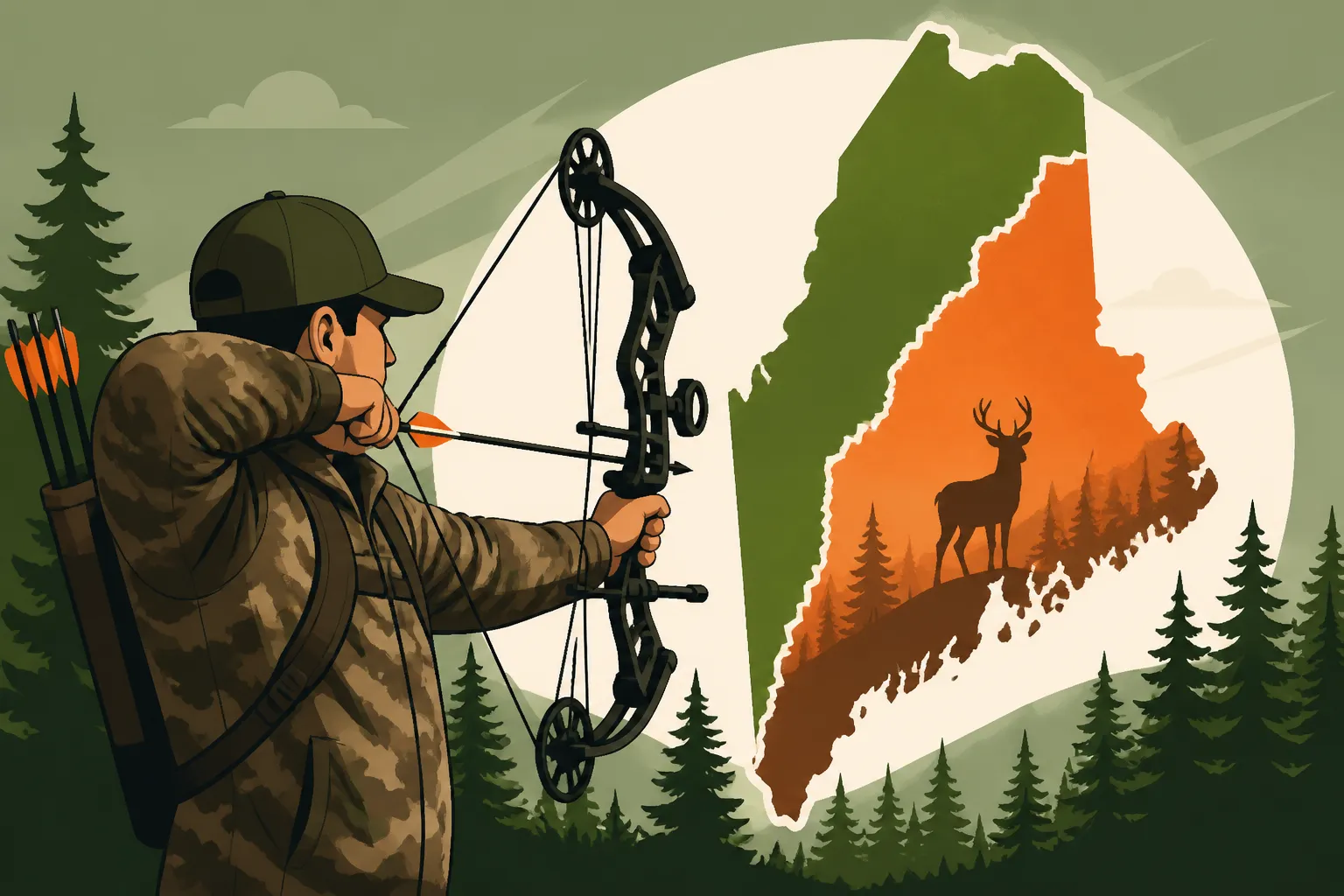
When it comes to your bow, the legal requirements in Maine are pretty straightforward for archery hunting. You'll need a compound, recurve, or longbow, and if using a compound, it must have a minimum draw weight of 35 pounds. Crossbows are also legal during the archery season for eligible hunters (with specific permits or for those over 65, or under a supervised apprentice hunter permit). The key in expanded zones, however, isn't just legality, but stealth and efficiency. A quiet, smooth-drawing bow is paramount when deer might be just yards from a homeowner's window or when you have limited shot opportunities.
For arrows, they must be at least 18 inches long, and broadheads need to have at least two sharpened edges with a minimum cutting diameter of 7/8 inch. While mechanical broadheads are legal, many expanded zone hunters lean towards fixed-blade broadheads for their reliability and simplicity, especially when shooting through potential light cover. Accuracy is king, so ensure your bow is perfectly tuned and you've practiced extensively at realistic distances that you expect to encounter—often much closer than in wide-open woods. A clean, ethical kill is even more vital here to ensure quick recovery and minimize any disturbance.
Essential Accessories
Beyond your bow, a few key accessories become indispensable in expanded zones. A high-quality rangefinder is critical for precise shot placement, especially in situations where distances might be deceiving due to varied terrain and objects. Scent control is absolutely non-negotiable. Deer in these areas often have heightened senses due to regular human interaction, so meticulous attention to scent elimination—from your clothing to your gear—is crucial. Using scent-eliminating sprays, washing clothes in scent-free detergent, and storing them properly can make a huge difference.
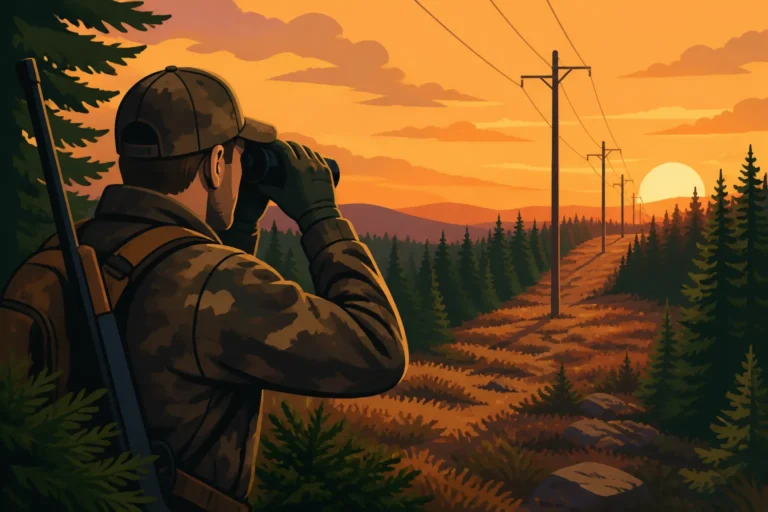
Portable, lightweight tree stands or ground blinds are also essential. You’ll often be hunting smaller woodlots or property edges, and flexibility in your setup is key. A compact climbing stand or a pop-up ground blind that blends seamlessly into the surroundings allows you to adapt to deer movement and landowner requests. Binoculars, while always useful, are particularly helpful for discreetly scouting and observing deer movement from a distance without disturbing them or drawing attention to yourself. Remember, in these settings, you’re not just hiding from deer; you're often trying to be unobtrusive to the human population as well.
Clothing and Camouflage Choices
The beauty of archery season, particularly the expanded season, is that Maine does not require blaze orange for bowhunters. This is a significant advantage, allowing you to utilize full camouflage patterns without compromise. Choose patterns that blend in with the typical cover found in these zones: mixed hardwoods, evergreens, and often more open residential or field edge environments. A good, versatile camouflage pattern that breaks up your silhouette is far more effective than trying to match exact colors, which can change throughout the long expanded season.
Layering is also crucial, as the expanded season spans from the warmth of late August/early September through the often frigid temperatures of December. Being able to adapt to changing weather conditions will keep you comfortable and focused. While How Much Blaze Orange Maine Requires is a good read for firearms season, it’s worth noting that for expanded archery, you can fully embrace concealment. However, even without the blaze orange requirement, always prioritize safety. If hunting with a partner, or if there's any chance of overlap with other hunting seasons (like youth day or resident-only day where blaze orange might be required for specific hunters), consider adding a small patch of blaze orange to your pack or hat for visibility when walking in or out, removing it once you're on stand.
Effective Hunting Tactics in Expanded Zones
Hunting Maine's Expanded Archery Zones isn't just about having the right gear; it's fundamentally about employing smart, adaptable tactics that account for the unique environment. Deer in these areas are often incredibly wary, highly localized, and move within tight corridors, making precision and subtlety your greatest assets.
Scouting and Stand Placement
Effective scouting is the bedrock of success in expanded archery zones, and it starts long before the season opener. Given the fragmented nature of these areas, you're looking for micro-habitat features: small oak flats, dense cedar swamps, overgrown fencerows, or even neglected apple trees in old orchards. Aerial photos are invaluable, allowing you to identify these pinch points, corridors, and isolated cover pockets where deer feel safe. GoHunt mapping tools can be a fantastic resource here, enabling you to mark potential bedding areas, travel routes, and food sources from your couch, then confirm them on the ground.
Once you’ve identified potential activity, thorough on-the-ground scouting is essential. Look for fresh tracks, rub lines, and especially scrape lines along logging roads or field edges—these are often signposts of mature buck activity. The key to stand placement is to anticipate deer movement within these confined spaces. Instead of vast areas, you're often setting up on funnels between woodlots, the edges of thick cover, or over a specific food source. Remember, you might only have a small window for a shot, so precise placement that maximizes your shooting lanes while minimizing detection is crucial. For more insights on leveraging technology for scouting, you might want to look at Scouting With the Maine Hunting App or learning how to effectively use Reading Aerial Photos for North Woods Deer.
Scent Control and Quiet Movement
In expanded archery zones, deer are highly accustomed to human scent, but they are also exceptionally adept at discerning it from non-threatening smells. This means your scent control regimen needs to be meticulous, beyond what you might do in more remote settings. Shower with scent-free soap, use scent-free detergents for your hunting clothes, and store them in airtight containers. Utilize scent-eliminating sprays on your clothes and gear before heading out. Moreover, playing the wind is absolutely critical. Always approach your stand and hunt with the wind in your favor, understanding how thermals might shift, especially during morning and evening hunts. The article on Wind and Thermals in Maine Hill Country offers invaluable information on this, even if the terrain is different.
Movement must be deliberate, quiet, and slow. Deer are constantly on alert for subtle cues. Walk slowly, pick up your feet, and avoid breaking branches or rustling leaves unnecessarily. In these environments, you’re often dealing with deer that have learned to navigate human activity, making them extra sensitive to anything out of place. A single misstep, a creaking stand, or a gust of wind carrying your scent can easily alert a deer and blow your hunt. Practice silent drawing and shooting with your bow to ensure there are no unexpected noises when the moment of truth arrives.
Recovery Challenges and Contingencies
One of the most significant challenges in expanded archery zones is the potential for complicated deer recovery. Because you're often hunting on smaller parcels surrounded by other private properties, a deer that travels even a short distance after the shot can end up on land where you don't have permission. This is why a good shot and quick recovery are paramount. Before you hunt, know what lies beyond your hunting parcel in every direction. If possible, secure permission from adjacent landowners before you hunt, specifically for blood trailing or retrieving a deer.
If a deer does cross onto land where you don't have prior permission, it is absolutely essential that you do not trespass. Your first step should be to contact the landowner immediately, explain the situation calmly and respectfully, and request permission to retrieve your animal. Having a clear, well-drilled plan for blood trailing, including a powerful flashlight for night tracking, is vital. However, even with the best plans, sometimes a deer is lost or cannot be immediately recovered. Our guide on Blood Trailing After Dark in Maine can provide further assistance, but always remember that ethical recovery in these zones involves landowner communication above all else.
Managing Deer Harvest and Regulations
Successfully hunting in Maine's Expanded Archery Zones isn't just about taking an animal; it's also about understanding and meticulously following the specific rules regarding tagging, reporting, and bag limits. These regulations are designed to help the state manage deer populations effectively in these unique areas.
Tagging and Reporting Requirements
After a successful harvest in an Expanded Archery Zone, the process of tagging and reporting is critical. Just like with any deer harvested in Maine, you must immediately attach your valid deer tag to the animal, typically through a tendon or ear, as soon as you recover it. This tag must remain with the deer until it is processed. For expanded archery, make sure you're using the correct tag – sometimes these zones require a specific expanded archery permit tag rather than a general antlerless permit or a firearms season tag.
Maine utilizes an online registration system, which makes reporting your harvest convenient and efficient. You can register your deer online through the MDIFW website, or via the MDIFW app on your smartphone. This must be done within 18 hours of harvest or prior to transporting the deer out of the state. It's incredibly important to provide accurate information, including the WMD, date of harvest, and whether it was antlered or antlerless. This data directly contributes to MDIFW's ability to monitor deer populations and refine management strategies in these zones. For a full breakdown, refer to Maine Deer Registration Requirements or our specific advice on Reporting a Deer Through Maine's App.
Antlerless Deer Opportunities
A primary goal of Maine's Expanded Archery Zones is to provide additional opportunities for harvesting antlerless deer. In many of these areas, deer populations are robust, and managing doe numbers is crucial for maintaining herd health, reducing conflicts with humans (like vehicle collisions and property damage), and balancing the deer population with available habitat. This often means hunters in expanded zones have the opportunity to take multiple antlerless deer, sometimes without needing a separate Any-Deer Permit.
This focus on antlerless harvest makes expanded archery a fantastic option for hunters looking to fill their freezer with venison. It also provides a valuable service to the state and local communities by helping to control deer numbers in areas where they might otherwise proliferate unchecked. Always consult the most current MDIFW hunting regulations for the specific WMD you plan to hunt to confirm antlerless bag limits and tagging requirements, as these can vary. Understanding Maine's Antlerless Permit System will give you a broader context for why these specific regulations are in place within expanded zones.
Season Length and Timing Benefits
The extended season length is arguably the biggest draw for hunters in these zones. It offers incredible flexibility and a chance to experience deer hunting through various stages of the deer calendar. Starting as early as late August, you can target deer still in their summer patterns, hitting predictable food sources. As September and October progress, you can adapt to changes in food availability and the beginnings of fall transition.
Then, as the calendar rolls into November, you're perfectly positioned to capitalize on the whitetail rut, often a period of increased deer movement and reduced wariness. While our guide on Hunting the Rut in Early November discusses tactics for firearms season, many of those principles, especially around tracking deer movement, apply directly to archery in expanded zones. Finally, hunting into December offers unique challenges and rewards, as deer shift to late-season food sources and become highly patternable in cold weather. This long season allows you to learn a specific property or area deeply, adjusting your tactics as the season progresses, and truly immersing yourself in the hunt. GoHunt's season date overlays can be invaluable for keeping track of these extended periods and planning your hunts.
Benefits and Challenges of Expanded Archery
Maine's Expanded Archery Zones offer a fantastic opportunity for bowhunters, but like any hunting scenario, they come with their own unique set of advantages and hurdles. Understanding both sides of this coin is essential for a successful and enjoyable experience.
Advantages for Maine Hunters
The benefits of these expanded zones are truly compelling for many hunters. Firstly, the sheer increase in opportunity is huge. With seasons often running from late August or early September through mid-December, bowhunters gain months of additional time afield. This extended window allows for more flexibility in scheduling hunts and greatly increases the chances of encountering deer, especially if you're targeting multiple animals. For those of us who live near or within these more populated areas, it means less travel time and more time actually hunting, often allowing for quick morning or evening hunts before or after work.
Secondly, these zones actively encourage the harvest of antlerless deer, which is a major draw for hunters primarily focused on filling the freezer. In many traditional areas, antlerless permits can be difficult to draw, but expanded zones often have generous antlerless bag limits. This helps reduce localized deer populations, mitigating issues like deer-vehicle collisions and property damage, and it provides a valuable food source for families. Finally, hunting in expanded zones often hones your skills. The wary, localized deer and the need for meticulous stealth, scent control, and precise shot placement can make you a more disciplined and effective hunter overall.
Common Difficulties and How to Overcome Them
Despite the advantages, hunting in expanded archery zones isn't without its challenges. The most prominent difficulty is dealing with increased human activity and pressure. You're often hunting near homes, roads, and walking trails, which means a constant need for discretion and strict adherence to safety. This can translate to less forgiving deer, who are highly sensitive to intrusion. Small parcel sizes can also be tricky; a deer might easily cross multiple property lines after a shot, leading to recovery issues, as discussed earlier. Public perception can also be a hurdle; not everyone understands or approves of hunting, especially in more populated areas, making ethical conduct and responsible behavior paramount.
Overcoming these difficulties requires a proactive and adaptable approach. To manage pressure, seek out less obvious access points, or focus on hunting during weekdays when fewer people are likely to be out. For small parcels, extensive scouting to identify tight travel corridors and bedding areas is key, allowing for close-range shot opportunities that minimize the chance of a deer running far. Always secure permission from adjacent landowners if possible for recovery. When dealing with public perception, remember you are an ambassador for hunting. Be polite, answer questions respectfully, and demonstrate responsible practices at all times.
Contributing to Deer Management
Participating in Maine's Expanded Archery program isn't just about your personal hunting success; it's a vital contribution to responsible wildlife management within the state. The MDIFW implements these zones specifically to manage deer populations in areas where traditional firearms hunting might not be feasible or where deer numbers exceed the carrying capacity of the habitat, leading to increased conflicts with humans.
By harvesting deer, particularly antlerless deer, in these zones, bowhunters directly help to balance the deer herd with the available resources. This contributes to healthier deer populations in the long run by preventing overbrowsing of habitat and reducing the spread of disease. It also helps local communities by reducing the number of deer-vehicle accidents and minimizing damage to landscaping and agricultural crops. Your hunting efforts, therefore, play a crucial role in maintaining ecological balance and fostering coexistence between wildlife and human populations in Maine’s more developed landscapes. Tools like GoHunt can provide insights into regional deer population data, helping hunters understand the impact of their efforts within these specific management zones.
| Feature | Regular Archery Season | Expanded Archery Zone Season |
|---|---|---|
| Typical Season Dates | Late September – Early November | Late August/Early September – Mid-December (extended) |
| Primary Target | Any legal deer (buck or doe with appropriate tag) | Primarily antlerless deer (often multiple) |
| Antlerless Permit Needed | Yes, for antlerless deer (drawn via lottery) | Often not needed, or zone-specific antlerless tags |
| Weapon Eligibility | Compound, Recurve, Longbow, Crossbow (with permit/age) | Same |
| Blaze Orange Required? | No | No |
| Access Dominance | Public land, large private timber company land | Small private parcels, suburban woodlots |
| Landowner Permission | Often implied on unposted land (more remote) | Explicit written permission highly recommended/needed |
| Typical Hunting Pressure | Varies, can be high in popular areas | Potentially higher human presence, localized pressure |
| Management Goal | General deer management, recreational opportunity | Population reduction in specific problem areas |
Disclaimer
The information provided in this guide is for general informational purposes only and does not constitute legal advice. Hunting regulations, seasons, and licensing requirements in Maine are subject to change. It is the sole responsibility of the hunter to consult the most current Maine Department of Inland Fisheries and Wildlife (MDIFW) regulations, and any applicable local ordinances, before engaging in any hunting activities. Always ensure you have the appropriate licenses and permits for the species and zones you intend to hunt. Safety and ethical hunting practices are paramount.