Maine Buck Bag Limit
One of the most common questions new hunters, and even some seasoned folks, grapple with in Maine is just how many white-tailed bucks they can legally harvest in a single season. It's not always as straightforward as it seems, with different seasons, special permits, and specific Wildlife Management Districts (WMDs) throwing various rules into the mix. This guide is here to untangle that confusion, making sure you understand the ins and outs of Maine's buck bag limit so you can plan your hunt confidently and stay on the right side of the law.
The Foundation: Maine's General Buck Bag Limit
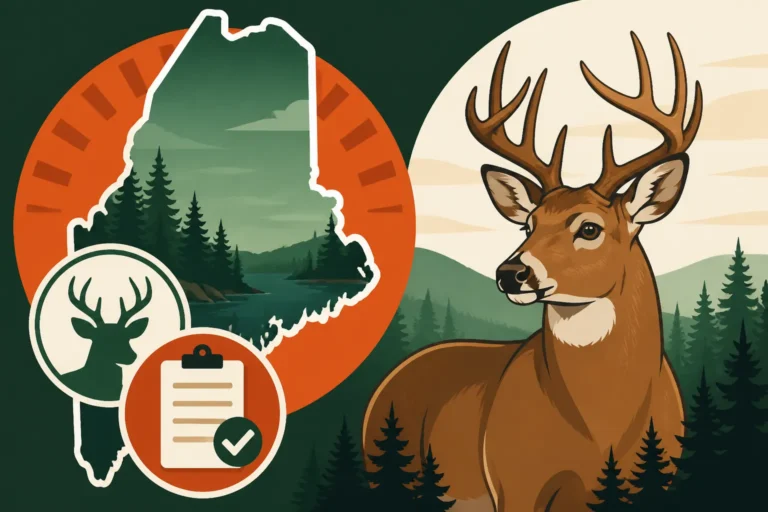
Let's cut right to the chase: for most hunters, in most parts of Maine, the general rule is simple. You're allowed one buck per calendar year. This is your foundational deer, the one you'll tag with your regular big game hunting license. This isn't just a guideline; it's a hard and fast rule that ensures sustainable deer populations across the state, especially in our colder northern regions where deer face tougher winters.
Understanding Your Base License and the "One Buck" Rule
When you purchase your Maine Resident License Options, or a non-resident equivalent, it comes with a deer tag. This tag, regardless of the season you're hunting (archery, firearms, or muzzleloader), is generally for one antlered deer. An "antlered deer" in Maine typically means a deer with at least one antler that is three inches or longer. Once you've successfully harvested and tagged a buck, that's usually it for your buck hunting for the year. This structure is designed to spread out the buck harvest and give more hunters a chance at a mature animal, while also protecting the overall health and breeding potential of the herd. It’s a conservation strategy that has served Maine well for decades, maintaining healthy deer numbers in the face of challenging habitat and severe winters, particularly in the northern WMDs.
Expanded Archery Zones and Additional Deer Opportunities
Now, here's where some of the nuance, and often the confusion, comes in. Maine has specific "expanded archery zones" in more populated areas, primarily in the southern and coastal regions. These zones, like parts of Augusta, Bangor, and Portland suburbs, often have higher deer densities and offer a longer archery season, sometimes extending into December. The key thing to understand about these zones is that while they offer additional deer tags, these are usually for "any-deer" or antlerless deer, meaning a doe or a buck. However, if you harvest a buck in an expanded archery zone, it typically fulfills your one buck limit for the year, just like if you'd taken it during the regular firearms season. The expanded archery tags are often seen as a way to allow hunters to take additional deer, but these additional opportunities are usually for antlerless animals, helping to manage local populations. It's crucial to check the specific WMD regulations for expanded archery opportunities, as they can vary slightly from year to year. Knowing the precise dates for Hunting Maine's Expanded Archery Zones is vital for planning.
How Different Seasons Interact with Your Buck Tag
Maine's hunting calendar is segmented into distinct seasons, each with its own set of rules, but they all converge on that single buck limit for the most part. Understanding how your base license interacts with these different seasons is crucial for a lawful and enjoyable hunt.
Archery Season Specifics
The regular archery season provides a fantastic opportunity to be in the woods before the main firearms rush. During this time, from late September through the end of October, your standard deer tag applies, allowing you to harvest one buck. As mentioned earlier, the expanded archery zones often run concurrent with, or even extend beyond, the regular archery season. If you're hunting in one of these special zones, you might be eligible for an additional "Expanded Archery Deer Permit." This additional permit can be used to harvest another deer, but this second deer is usually an antlerless deer. It’s a strategic tool to help manage urban and suburban deer populations where firearms use is often restricted. So, while you might have two tags, one is generally your buck tag, and the other is for an antlerless deer. Always double-check the specific regulations for the WMD you're hunting, as the rules for taking a second buck (even if it's an expanded archery buck) are extremely rare and typically only allowed in very specific, high-density WMDs where additional antlered tags are explicitly issued, which is not the norm. For instance, knowing the Maine Archery Season Dates will help you plan your early season strategy.
Firearms and Muzzleloader Seasons
The four-week firearms season in November is when most of Maine's deer harvest occurs. Your general hunting license and its included buck tag are valid throughout this period. If you haven't filled your buck tag during archery season, this is your primary opportunity. Similarly, the muzzleloader season, which typically follows the firearms season in December, uses the same buck tag. If you've taken a buck with your bow, you cannot take another with a rifle or muzzleloader in the same year. This sequential use of the single buck tag is fundamental to Maine's deer management strategy. It's not about having one buck per season; it's one buck per year on your general license. Hunters often use this late-season opportunity to capitalize on cold weather and potential snow tracking. Knowing the Maine Firearms Season Dates and Maine Muzzleloader Season Dates by WMD is key to maximizing your time in the woods during these popular periods. Many hunters, myself included, will often check online resources like GoHunt to confirm these dates and any WMD-specific nuances before heading out.
Antlerless Permits and Their Role in Deer Harvest
Beyond your general buck tag, Maine offers "any-deer permits," also commonly referred to as "antlerless permits." These permits are drawn through a lottery system and play a vital role in managing deer populations, particularly in areas where doe harvests are necessary to control herd numbers and maintain habitat balance.
Any-Deer Permits: Expanding Your Options, Not Your Buck Limit
An any-deer permit allows a hunter to take either an antlerless deer or a buck in a specific WMD during the firearms or muzzleloader season, if the hunter has not already harvested a buck on their regular license. The crucial point here is that if you have an any-deer permit and you choose to use it to harvest a buck, that buck counts as your one buck for the year. You don't get an additional buck tag simply because you drew an any-deer permit. Instead, it provides flexibility. If you draw an any-deer permit, you have the option of harvesting an antlerless deer, or if you encounter a buck, you can use that permit to tag your one buck for the season. This system helps ensure that herd reduction efforts are focused on does while still allowing hunters to take a buck if that's their primary goal, provided they haven't already done so. The odds of drawing these permits can vary wildly by WMD, and sites like GoHunt often publish data on Maine Antlerless Permit Draw Odds by District to help you strategize your application.
How Antlerless Tags Affect Your Buck Hunt Strategy
Drawing an antlerless permit doesn't grant you a second buck; it primarily gives you the option to take a doe. This is important for hunters who are focused on meat or on fulfilling their tag regardless of antlers. If you've already filled your buck tag, your antlerless permit can still be used to harvest a doe, giving you more venison for the freezer. Conversely, if you haven't taken a buck yet, but you have an antlerless permit, you might choose to hold out for a buck, knowing that if the season gets late and no buck presents itself, you can still fill your tag with a doe. This adds a layer of strategic decision-making to your hunt, especially during the latter half of the firearms season. It’s important to understand the hierarchy: your base license provides your one buck. Any-deer permits provide an additional deer opportunity, but if that additional deer happens to be a buck, it generally counts as your one buck for the year on your overall hunting privilege.
Navigating Common Misconceptions and Planning Your Maine Hunt
The regulations can feel like a labyrinth sometimes, especially for those new to Maine hunting or folks coming from states with different bag limits. Let's clear up some common misunderstandings and talk about how to effectively plan your season.
The "Two-Deer" Misconception
Many hunters arrive in Maine, or hear stories, and mistakenly believe they can harvest two bucks in a season. It's a persistent myth that needs to be clarified. With the rare exception of specific, highly managed urban deer programs where an additional antlered tag might be explicitly issued for population control (which is not standard practice for general hunters), the general rule is one antlered deer. When people talk about taking "two deer," they are almost always referring to taking one buck on their general license and then an additional antlerless deer (doe or fawn) on an expanded archery or any-deer permit. It’s never two bucks on your regular license. For example, if you hunt in an expanded archery zone near Portland, you might tag a buck with your regular archery license, and then later in the season, if you have an expanded archery permit, you could harvest a doe. That's two deer, but only one of them is a buck. Always refer to the official Maine Department of Inland Fisheries and Wildlife (MDIFW) regulations to confirm before you hunt, and don't rely on campfire stories.
Leveraging Resources for Informed Hunting
Staying informed is your best defense against misunderstanding regulations. The MDIFW website is your primary source for official rules, season dates, and WMD-specific information. However, many hunters, myself included, find third-party platforms incredibly useful for consolidating information and providing user-friendly interfaces. For instance, services like GoHunt offer detailed maps, WMD breakdowns, and current regulation summaries that can be a real game-changer when planning your hunt. These tools can help visualize WMD boundaries, overlay private vs. public land data, and even show historical harvest data which can be useful when you're trying to choose where to apply for an any-deer permit. Don't underestimate the power of these digital resources to help you plan your scouting trips and understand the nuances of the local regulations before you even step foot in the woods. They're particularly helpful when trying to understand complex rules such as Maine's Antlerless Permit System or what to expect from Maine Buck Age Structure in a given area.
Strategic Season Planning for a Successful Hunt
Knowing Maine's strict one-buck limit impacts how you approach your season. It means every buck encounter is a significant one. Instead of simply aiming for "a buck," you might find yourself being more selective, holding out for a more mature animal, especially if you’re early in the season. Planning your hunt around specific seasons can be beneficial. For example, some hunters focus on Bowhunting Maine's Long Archery Season to get an early opportunity before the pressure of the rifle season. Others might prefer the chill of Muzzleloader Deer Hunting in Maine, knowing that their single buck tag is still available if they haven't filled it yet. If you're fortunate enough to draw an antlerless permit, you can strategize whether to use it for a doe or to hold it in reserve, should you still be looking for your buck late in the season. Consider also what you plan to do with your harvest; knowing the Maine Deer Registration Requirements is essential for compliance, and understanding Maine Deer Tag Transfer Rules is important if you're hunting with a party and someone else needs to transport your animal. This kind of careful planning, combined with solid scouting, greatly increases your chances of a successful and legal hunt.
| Deer Type & Permit | General Bag Limit (Per Hunter Per Year) | Notes on Buck Harvest |
|---|---|---|
| Antlered Deer (Buck) | 1 | This is your primary buck for the year on your base license. |
| Antlerless Deer | Varies by WMD, often requires an "Any-Deer Permit" | Allows harvest of a doe or fawn. If you use an "Any-Deer Permit" to take a buck, it counts as your single buck for the year. |
| Expanded Archery Zone Deer | 1 (often antlerless, in addition to your general buck, but can be used for a buck that then counts as your annual buck) | Generally provides an additional deer tag, most often for antlerless deer. If used for a buck, it fulfills your annual buck limit. |
| Youth Hunter (Special Seasons) | 1 (buck or antlerless, depending on rules) | Maine Special Youth Hunt Windows may have different rules, always check youth-specific regulations. |
Disclaimer
The information provided in this guide is intended for general informational purposes only and is not a substitute for official legal advice or the official hunting regulations published by the Maine Department of Inland Fisheries and Wildlife (MDIFW). Hunting regulations can change annually and may have specific nuances not covered in this general overview. Always consult the most current MDIFW rulebook and website before planning and executing your hunt to ensure full compliance with all state and local laws.