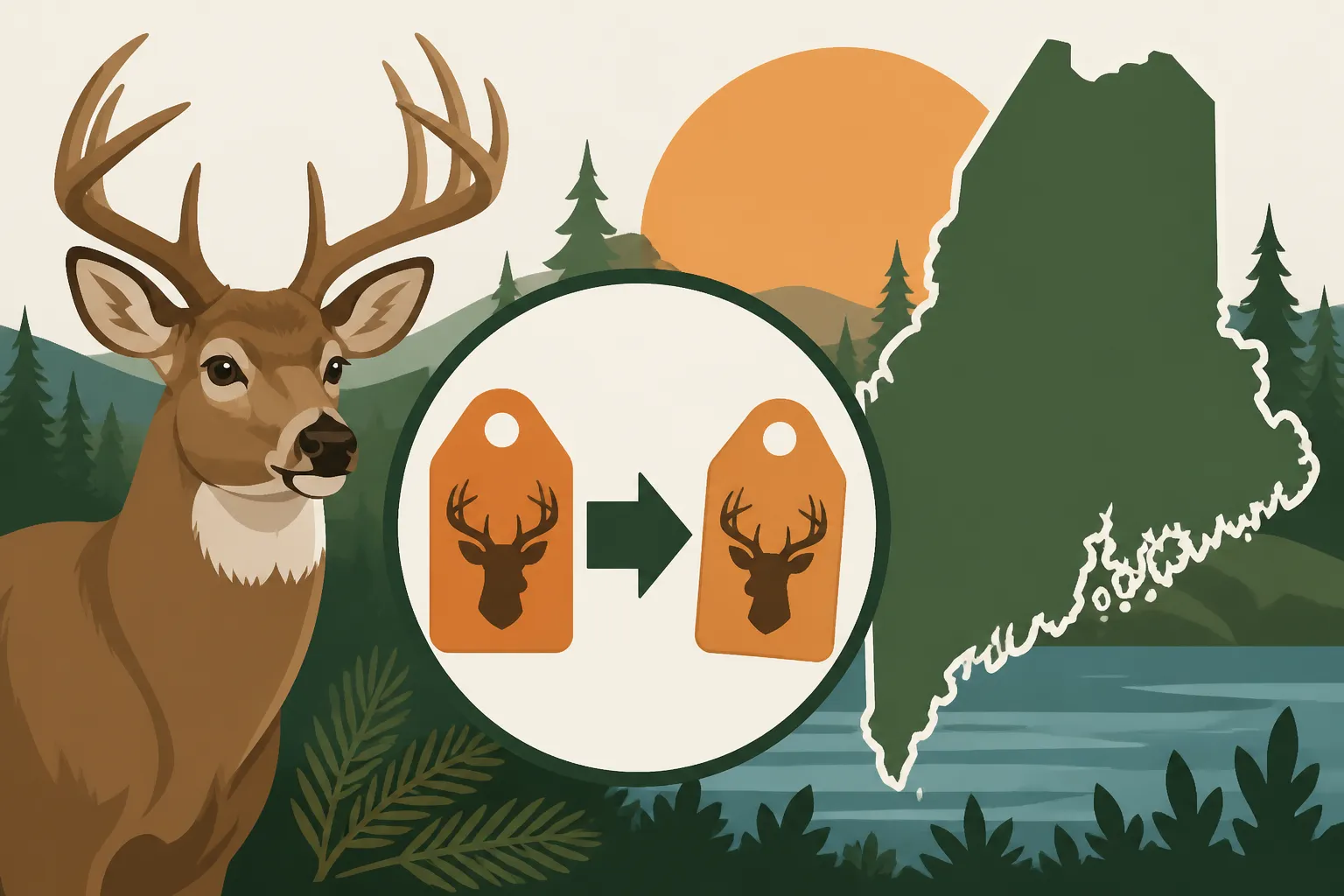
Maine Deer Tag Transfer Rules
It can be incredibly confusing and even a little frustrating to navigate all the different rules and regulations surrounding deer hunting in Maine, especially when you're trying to figure out something as specific as transferring a deer tag. You might have a family member who couldn't make it, or perhaps you drew an extra antlerless permit and want to share the opportunity. This guide is here to untangle the complexities of Maine's deer tag transfer rules, clearly outlining what's possible, what's not, and how to stay on the right side of the law.
Understanding Maine's Deer Tag Basics Before Transfer
Before we dive into the nitty-gritty of transferring tags, it’s really important to understand what a deer tag actually represents here in Maine. It’s more than just a piece of paper; it’s a legal document that ties directly to you, the individual hunter, and your specific hunting license. This foundational understanding will help explain why transferring them isn't always as simple as passing a paper over.
The Individual Nature of Maine Deer Tags
In Maine, every deer tag is designed to be highly individual. When you purchase your Maine Hunting Licenses and What They Cost, whether it's a resident or Maine Nonresident License Options, your deer tag is issued with your unique hunter identification number. This system is crucial for a few key reasons. First, it ensures individual accountability. The Maine Department of Inland Fisheries and Wildlife (MDIFW) needs to know who is harvesting what, where, and when. This data is vital for wildlife biologists to accurately monitor deer populations, manage herd health, and set future season structures and bag limits. If tags were freely transferable without strict oversight, that critical data would be compromised, making effective management much more difficult.
Secondly, this individual assignment of tags helps prevent overharvesting. Each hunter is generally limited to one buck (antlered deer) tag per season, regardless of the method they use (archery, firearms, muzzleloader), unless they also draw an additional antlerless permit. Tying the tag directly to the hunter ensures that one person can't take multiple antlered deer using tags from friends or family members who didn't hunt. It’s all about maintaining a sustainable harvest and managing our incredible deer resource for everyone.
Why Transferring a Tag Isn't a Simple Hand-Off
Many hunters, especially those new to the sport or coming from other states, often assume a deer tag is like a general voucher that can be given to someone else if they can't use it. However, this is a common misconception, and operating under this assumption can lead to serious legal trouble. Your Maine deer tag isn't just a generic permit; it's intrinsically linked to your specific hunting license and identity. The unique number printed on your tag, which you must attach to your deer immediately after harvest, identifies you as the person who legally harvested that animal.
Imagine the chaos if anyone could just hand off a tag. It would be nearly impossible for wardens to track illegal harvests, and it could easily be abused by those looking to exceed bag limits or take deer out of season. The legal and ethical implications are significant. Using another hunter's non-transferable tag to register a deer you shot is considered poaching, plain and simple, and carries hefty penalties, including fines, license suspension, and potential jail time. Maine takes its wildlife laws very seriously, and these measures are in place to protect our wildlife and uphold fair chase principles. So, while the thought of helping a buddy or a family member fill a tag might be well-intentioned, it's critical to understand the strict limitations on doing so.
The Specifics of Maine's Deer Tag Transfer Rules
When it comes to deer tags in Maine, the term "transfer" almost exclusively refers to one very specific type of permit: the antlerless deer permit, often called an "Any-Deer Permit." It's important to differentiate this from your general deer tag that allows you to harvest an antlered deer. Let's break down exactly what can and cannot be transferred.
Transferring Unused Antlerless Deer Permits Any-Deer Permits
This is where the concept of "transfer" genuinely applies in Maine deer hunting regulations. If you're lucky enough to draw an Any-Deer Permit (ADP) in the annual lottery, and for some reason, you decide you won't use it, or you want to give a fantastic opportunity to another hunter, Maine does allow you to transfer that specific permit. This is a game-changer, particularly for youth hunters or those just getting into the sport.
Here’s how it works:
- Who Can Transfer: Only the individual who successfully drew the Antlerless Deer Permit in the lottery can initiate a transfer.
- To Whom: The permit can be transferred to another licensed hunter. While the rules allow transfer to any licensed hunter, it's often used to benefit junior hunters or members of a hunting party who might not have drawn a permit themselves. This helps mentor new hunters and share the wealth of opportunity.
- The Official Mechanism: Transfers are not done informally. The Maine Department of Inland Fisheries and Wildlife (MDIFW) provides a specific online system for this purpose. You'll need to go to the MDIFW website, log into your account, and follow the instructions to transfer the permit. This digital process ensures all transfers are legally documented and tracked. You'll need the recipient's hunting license information to complete the transfer.
- Strict Deadlines and Conditions: This isn't an open-ended offer. There are very strict deadlines for transferring an Antlerless Deer Permit. These dates are published annually in the hunting law book and on the MDIFW website. Typically, there's a window of a few weeks after the lottery results are announced and before the season starts. Miss that window, and you're out of luck. Also, once a permit is transferred, it generally cannot be transferred back or to a third party.
This system is a fantastic way to utilize every permit drawn, especially in WMDs that might need additional doe harvest. It supports youth engagement and ensures that permits don't go to waste if a hunter's plans change. It's a great feature that truly exemplifies Maine's commitment to both wildlife management and fostering a hunting culture. When you're managing your applications, particularly for antlerless permits, services like GoHunt can be incredibly useful for staying on top of deadlines and understanding permit draw odds, even if the actual transfer happens through the state system.
Can Regular Buck Tags or Other Permits Be Transferred?
This is a clear-cut answer, and it's one that every Maine hunter needs to understand unequivocally: No, regular deer tags—your main firearms, archery, or Maine Muzzleloader Season Dates by WMD deer tags—cannot be transferred between hunters. These tags are issued specifically to you, the licensed hunter, and they are non-transferable under any circumstances.
This means if you buy your general hunting license and it includes your one antlered deer tag, that tag belongs to you and only you. If you don't fill it by the end of your respective season (e.g., Maine Archery Season Dates, Maine Firearms Season Dates), it simply expires unused. You cannot give it to a friend, a family member, or anyone else to use, even if they haven't filled their own tag. Similarly, if you have a crossbow permit or specific hunting stamps, those are also tied to your individual license and cannot be transferred.
The reason for this strict rule goes back to the core principles of wildlife management and fair chase. Allowing the transfer of buck tags would create loopholes that could easily be exploited, making it difficult to enforce bag limits and potentially leading to an unsustainable harvest of antlered deer. It maintains the integrity of the hunting system and ensures that each hunter is accountable for their own take.
Attempting to transfer or use a non-transferable tag is a serious violation of Maine hunting law. The consequences can be severe, including substantial fines, the loss of hunting privileges for multiple years, and the forfeiture of the harvested animal and any associated equipment. It's simply not worth the risk. Always remember that your general deer tag is yours alone, and it expires with the close of the season if not filled by you.
Practical Scenarios and Best Practices for Tag Management
Understanding the rules is one thing, but knowing how to apply them in real-world hunting scenarios is key. Planning ahead and staying informed can save you a lot of grief and ensure you make the most of your hunting opportunities in Maine.
Planning Ahead with Antlerless Permits
For those who regularly apply for or receive antlerless deer permits, forward thinking is your best friend. The ability to transfer an Any-Deer Permit is a valuable tool, but it requires coordination. Many hunting groups will discuss their plans for these permits even before the lottery results are announced. If you're part of a family or a group that includes newer or younger hunters, consider applying for the permit with the intention of transferring it to them if you draw one. This is especially impactful for a Maine Youth Deer Hunt Rules participant, as it provides them with an additional opportunity that can be incredibly motivating.
Think about it: in many WMDs, drawing an Any-Deer Permit is a fantastic opportunity, but not everyone in your camp might draw one. If you secure a permit in, say, WMD 23, and you know your son or daughter, or a new hunting buddy, is struggling to find success, transferring that permit to them is a wonderful gesture. It provides them with an ethical, legal chance to harvest a doe, which can be just the confidence boost they need. Just be sure to confirm that the WMD you drew is one of the Which WMDs Allow Antlerless Without a Permit or if it requires a permit. Always double-check the transfer window on the MDIFW website; it's usually a short period between late August and early September.
What Happens if a Hunter is Unable to Hunt or Fills a Tag?
Life happens. We all make hunting plans, sometimes months in advance, only for circumstances to change. You might get sick, an unexpected work trip comes up, or you might even get lucky and fill your buck tag on opening day. When these situations arise, many hunters wonder what to do with their remaining, unused tags.
If you are unable to hunt at all, or if you filled your one general buck tag, your other non-transferable tags (like your archery or muzzleloader buck tags, if you still had one for a different season) simply expire with the season. There's no mechanism to "return" them for a refund, nor can they be passed on. This is just part of the system. While it might feel like a waste, remember that the primary goal of the tag is to regulate harvest, not to guarantee every hunter gets a deer. The money from your license and tags still supports vital wildlife conservation efforts across the state.
If you successfully harvest a deer, regardless of whether it's an antlered buck or an antlerless deer taken with an Any-Deer Permit, your legal obligation is to immediately tag the animal with the appropriate tag and then ensure you complete the Maine Deer Registration Requirements within the specified timeframe. Once you've filled your allowed bag limit, you're done for that specific category of deer, and any remaining tags for that category become null and void for you.
Using Online Resources for Tag and Permit Management
Staying organized with your hunting licenses, permits, and season dates is paramount. The digital age has made this much easier, and Maine's Department of Inland Fisheries and Wildlife has invested heavily in online portals to help hunters manage their affairs. The official MDIFW website is your go-to for pretty much everything. Here, you can apply for special permits, check lottery results, and initiate the transfer of an Any-Deer Permit. It’s also where you'll find the most up-to-date version of the hunting regulations booklet, which should be your primary reference for all rules.
Beyond the official state resources, many hunters find third-party tools and platforms incredibly helpful for planning their seasons. For instance, platforms like GoHunt provide valuable resources, including detailed information about different WMDs, success rates for various species, and even tools to help you analyze draw odds for special permits. While GoHunt doesn't directly handle the transfer of Maine deer tags, it can be an invaluable asset in the overall permit management lifecycle, from researching which WMDs to apply for to keeping track of application deadlines. Using such tools in conjunction with official MDIFW resources ensures you're well-informed and prepared for every aspect of your Maine hunting adventure. For instance, knowing when How Long a Maine License Stays Valid and being able to access that information easily can prevent last-minute stress.
Here’s a quick summary of what you need to know about Maine deer tag transfers:
| Tag Type | Transferable? | Conditions for Transfer |
|---|---|---|
| Antlerless Deer Permit | Yes | – Must be drawn by the original hunter |
| (Any-Deer Permit) | – Transferred through MDIFW online system | |
| – Strict annual deadlines apply | ||
| – Transferred to another licensed hunter (often youth/group) | ||
| Firearms Buck Tag | No | – Non-transferable under any circumstances |
| Archery Buck Tag | No | – Non-transferable under any circumstances |
| Muzzleloader Buck Tag | No | – Non-transferable under any circumstances |
| Special Crossbow Permit | No | – Non-transferable under any circumstances |
Staying informed about these rules is part of being a responsible hunter. Whether you're considering Hunting Maine's Expanded Archery Zones, planning for Maine's November Firearms Deer Season, or waiting on Maine Moose Lottery Application Process results, always verify the specific regulations for that season and permit.
Disclaimer
The information provided in this guide is intended for general informational purposes only and does not constitute legal advice. Hunting laws and regulations in Maine can change, and it is the responsibility of every hunter to consult the most current official Maine Department of Inland Fisheries and Wildlife (MDIFW) regulations booklet and website before engaging in any hunting activities. Always refer to official state resources for the most accurate and up-to-date information.