Maine Special Youth Hunt Windows
Navigating the world of hunting regulations can be a maze, especially when you're trying to introduce a young person to the tradition. Many seasoned hunters and eager new recruits get frustrated by conflicting information or simply not knowing where to start. This guide aims to demystify Maine's special youth hunt windows, providing clear, actionable information so you and your young hunter can focus on creating unforgettable memories afield.
Understanding Maine's Youth Hunt Philosophy
Maine has long recognized the importance of passing on our hunting heritage to the next generation. It’s not just about tradition; it’s about conservation, respect for wildlife, and fostering a deep connection to the outdoors. Special youth hunt days are a cornerstone of this effort, designed to provide a safe, focused, and often less-pressured environment for young hunters to learn the ropes.
The Purpose Behind Special Youth Seasons
The concept of a special youth season isn't just a feel-good measure; it's a strategic approach to hunter recruitment and retention, often referred to as R3 initiatives. These seasons typically occur just before the general firearm season opens for adults, meaning there's less competition in the woods. Imagine your young hunter, full of anticipation, getting to experience the woods with fewer other hunters around, making it a calmer, more controlled learning environment. It allows mentors to provide undivided attention, focusing on safety, shot placement, ethical decision-making, and understanding game behavior without the added pressure of adult hunters moving through the same cover. It helps build confidence in young hunters and gives them a sense of ownership over their hunting journey right from the start.
Eligibility Requirements for Young Hunters and Mentors
To participate in these special youth hunts, there are specific age and licensing requirements that both the young hunter and their adult mentor must meet. Generally, a youth hunter needs to be between the ages of 10 and 16. If they are 10, they must turn 10 before the season opens to legally participate. They must also possess a valid junior hunting license, which can be acquired after completing a certified hunter education course. For those who haven't completed a course, Maine offers a fantastic Maine Mentored Youth Hunting Rules program, allowing younger hunters (aged 10-15) to hunt under the direct supervision of a licensed adult mentor without having completed hunter education themselves.
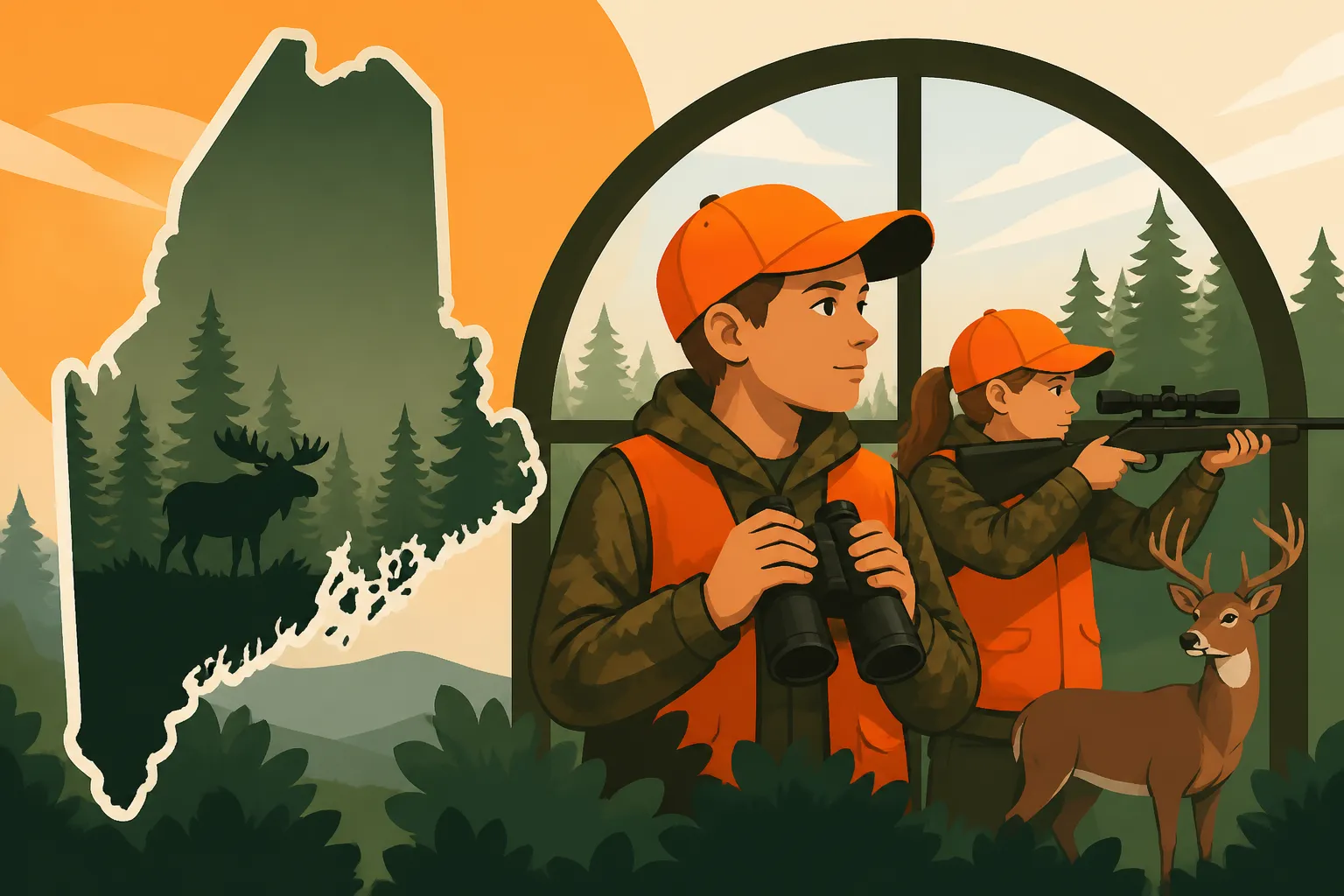
The mentor plays an absolutely critical role. They must be at least 18 years old, hold a valid Maine hunting license for the species being hunted, and maintain direct control and supervision over the youth hunter. This means being close enough to communicate without raising your voice, and being able to physically intervene if necessary. For firearms, they must be within arms' length. This isn't just a suggestion; it's a legal requirement designed for maximum safety. Ensuring your young hunter understands their responsibilities, from firearm handling to respecting game, starts with you, the mentor.
Specific Youth Hunting Opportunities in Maine
Maine offers several dedicated opportunities for young hunters, primarily focused on deer and wild turkeys. These special days are eagerly anticipated by families across the state, providing a unique chance to get out and chase game together.
Youth Deer Hunt Weekend
The Maine Youth Deer Hunt Dates are a highlight of the season for many families. This special weekend typically falls just before the general firearms season for deer opens, usually on the Saturday before the "Resident-Only Day" and the broader firearm season begins. For example, if the general firearms season kicks off in early November, the youth deer hunt will be the last weekend in October. This timing is strategic, offering young hunters a chance to hunt when deer are often still in their early-season patterns and less pressured.
During this weekend, eligible youth hunters (aged 10-16, with proper licenses or mentored status) can harvest one deer of either sex, regardless of whether they have an Any-Deer permit for their WMD. This can be a huge advantage, especially in Wildlife Management Districts (WMDs) where Any-Deer permits are scarce. It provides a real opportunity for success, which is so vital for keeping young hunters engaged. Imagine the excitement of tracking a deer in fresh fall leaves, the crisp air, and the anticipation building up to a potential first deer. This focused weekend allows young hunters to experience the full breadth of deer hunting without the added crowds often seen during the peak of the regular season. Remember to always check the current year's specific dates through the Maine Department of Inland Fisheries and Wildlife (MDIFW) website or a trusted app like GoHunt, as they can shift slightly.
Youth Spring and Fall Turkey Hunts
Wild turkeys have made an incredible comeback in Maine, and special youth hunt opportunities reflect this success. For both spring and fall turkey seasons, there are dedicated youth hunt days that precede the regular season openings.
The youth spring turkey hunt often falls on the Saturday immediately preceding the general spring season opener in early May. This timing provides a crucial advantage: young hunters get the first crack at gobblers fresh off the roost, before they've been called at by dozens of other hunters. In spring, the focus is on harvesting a bearded turkey. Maine has varying bag limits depending on the WMD, with some allowing for a Maine's WMDs With Two-Bird Spring Limits and others just one. The youth hunt allows eligible young hunters (aged 10-16 with a turkey permit) to pursue a gobbler without competition from adult hunters for that initial weekend. It's an incredible chance to hear those booming gobbles and experience the thrill of a tom strutting into range.
Similarly, the Maine Fall Turkey Permit Rules include a special youth day or weekend, often in late September or early October, preceding the general fall season. Unlike spring, fall turkey hunting is often about breaking up flocks and calling birds back in. The youth hunt gives young hunters a head start on these patterns. While the general fall season can be quite long, these early youth days are prime for catching birds in consistent patterns as they feed up for winter. Always ensure your youth hunter has the appropriate Maine Spring Turkey Permit Rules or fall turkey permit, and understands the bag limits for their specific WMD, as these can vary significantly, with some Maine's Five-Bird Fall Turkey Districts and others more restricted.
Other Potential Youth Opportunities
While deer and turkey are the most prominent, some Maine Small Game Season Rules may also have special youth provisions or opportunities. These can include youth waterfowl days, which are excellent for introducing youngsters to duck and goose hunting, often providing a warm-up before the main migratory bird seasons begin. Always consult the MDIFW regulations annually for the most up-to-date information on any additional youth-specific seasons for species like grouse, rabbit, or migratory birds. These shorter, less intense hunts can be fantastic for building foundational skills without overwhelming a new hunter. It's a great way to enjoy the outdoors, learn about different species, and practice hunting techniques in a lower-stakes environment.
Preparing for a Successful Youth Hunt
Success in youth hunting isn't just about harvesting an animal; it's about building a positive, safe, and memorable experience. Proper preparation is key to achieving this.
Essential Gear and Safety Considerations
When hunting with a young person, safety is paramount, and the right gear plays a huge role. First and foremost, everyone in the hunting party, including the youth hunter and mentor, must adhere to Maine Blaze Orange Requirements. This typically means wearing a solid hunter orange hat and at least one other article of hunter orange clothing (like a vest or jacket) during firearms season, visible from all sides. Check current regulations for exact requirements as they can vary slightly by season.
Beyond safety orange, consider the weather. Maine can be unpredictable, especially in late October and November. Layering is crucial. A good base layer, insulating mid-layers, and a waterproof/windproof outer shell will keep your young hunter comfortable. Proper boots are a must – waterproof, insulated, and comfortable for walking.
For firearms, ensure the youth hunter is proficient and comfortable with the specific firearm they will be using. Start with smaller calibers and work up. Hearing protection and eye protection are non-negotiable, even during target practice. A comfortable sling, a good backpack with snacks and water, and a small first-aid kit should also be part of your essentials. Don't forget a bright flashlight, even for day hunts, as situations can change, and tracking in low light is common.
Scouting and Strategy for Youth Hunts
Effective scouting is critical for youth hunts because these special windows are often short, and you want to maximize the chances of a positive experience. Don't just show up on opening morning hoping for the best. Weeks before the season, get out with your young hunter and explore potential areas. Look for fresh deer sign like tracks, rubs, scrapes, and feeding areas, especially around mast crops (acorns, beechnuts), apple orchards, or agricultural fields. For turkeys, scout roosting areas and feeding zones.
Using mapping tools and apps can be a game-changer. Digital platforms like GoHunt allow you to overlay private and public land boundaries, aerial imagery, and topographic maps. This is incredibly useful for finding secluded spots, identifying potential travel corridors, and even understanding wind direction based on terrain. You can mark waypoints for deer sign, potential stand locations, and safe entry/exit routes. This kind of Scouting With the Maine Hunting App experience also teaches the young hunter valuable navigation and land management skills.
When developing a strategy, consider the young hunter's endurance and attention span. Shorter sits, or more mobile hunting (like still-hunting) might be more effective than long, stationary waits. Choose locations that offer higher odds of seeing game, even if it's not a harvest opportunity, to keep engagement high. A successful hunt, especially for a youth, is often defined by the experiences shared, not just the game taken.
Making the Experience Enjoyable and Educational
The most important aspect of a youth hunt is fostering a love for the outdoors and the tradition of hunting. This means prioritizing the experience over the harvest. Pack plenty of snacks, tell stories, point out other wildlife, and explain what you're seeing and hearing. Emphasize patience, observation, and respect for nature.
If the hunt isn't going well, don't push too hard. A cold, hungry, or bored young hunter is less likely to want to come back. Be flexible with your plans. Take breaks, explore new areas, and remember that sometimes the best memories are made when things don't go exactly as planned. Encourage questions, teach tracking skills, identify trees and birds, and explain the "why" behind every decision. This holistic approach ensures that even without a harvest, the youth hunter leaves with a deeper appreciation for the wild and an eagerness for future adventures.
Navigating Licenses, Permits, and Regulations
Understanding the paperwork and legalities might seem daunting, but it’s straightforward once you break it down. Staying compliant is essential for a smooth and enjoyable hunting experience.
Licensing for Youth Hunters
For a young hunter to participate in Maine's special youth hunt windows, they generally need a Maine Junior Hunting License Rules. This license is available to residents and non-residents between the ages of 10 and 16. To obtain a junior hunting license, the youth must have successfully completed an approved hunter education course. Maine's hunter education courses are comprehensive, covering firearm safety, hunting ethics, wildlife identification, and conservation principles.
If a youth hunter is 10-15 and has not yet completed a hunter education course, they still have an avenue to hunt through Maine's Mentored Youth Hunting Program. Under this program, a junior hunter can hunt small game, migratory birds, deer, and turkey while directly supervised by a licensed and experienced adult mentor. The mentor must be at least 18 years old, possess a valid hunting license for the species being hunted, and remain within 20 feet of the junior hunter at all times. This program is excellent for those who want to try hunting before committing to the full hunter education course. It's also critical to remember the Minimum Age for Unsupervised Maine Hunting is generally 16 years old.
Understanding Bag Limits and Registration
During special youth hunt weekends, the bag limits can sometimes differ from the general season. For instance, during the youth deer hunt, a young hunter can typically harvest one deer of either sex, regardless of the WMD, which is a significant advantage. For turkeys, the bag limits for spring and fall youth hunts will align with the specific WMD regulations, but they get the advantage of hunting before adults. Always double-check the current year's MDIFW hunting law book or online regulations for the exact bag limits for the species and WMD you'll be hunting.
Once a successful harvest occurs, registering the game animal is a legal requirement. For deer and bear, this must be done within 18 hours of the kill at an official registration station or through the MDIFW online registration system. Turkey harvests also require registration, often through the online system or by phone. It's a crucial step that not only complies with the law but also provides valuable data to wildlife biologists for population management. Make sure you understand the Maine Deer Registration Requirements and other species-specific rules before heading out. Using digital tools can streamline this process significantly.
Utilizing Digital Tools for Planning
In today's connected world, there are fantastic digital tools available that can simplify planning and execution for youth hunts. The official Maine Hunting App provided by MDIFW is a great resource for quick access to regulations, maps, and registration portals. Beyond that, subscription-based mapping applications like GoHunt offer incredibly detailed mapping features. With GoHunt, you can:
- View Parcel Data: Understand land ownership, which is crucial for determining where you can legally hunt.
- Layer Satellite Imagery and Topographic Maps: Identify terrain features, timber cuts, food sources, and travel corridors.
- Check Weather and Wind Forecasts: Plan your approach and stand placement effectively.
- Access WMD Boundaries: Confirm you're hunting in the correct zone and understand specific regulations for that area.
These tools empower mentors and young hunters alike to make informed decisions, increasing the chances of success and safety. Spending time reviewing these resources with your young hunter also turns it into an educational experience, teaching them modern hunting and scouting techniques.
Here's a quick overview of Maine's primary special youth hunt windows:
| Species | Typical Season Dates | Eligible Age Range | Bag Limit (General) | Special Rule for Youth | Required Permit/License |
|---|---|---|---|---|---|
| Deer | Late October (Weekend) | 10-16 | 1 deer (either sex) | Early hunt before general season | Junior Hunting License OR Mentored Youth Hunting License |
| Spring Turkey | Early May (Saturday) | 10-16 | 1 or 2 bearded birds (WMD dependent) | Early hunt before general season | Junior Hunting License + Spring Turkey Permit |
| Fall Turkey | Late September/Early October (Weekend) | 10-16 | 1 or 5 birds (WMD dependent) | Early hunt before general season | Junior Hunting License + Fall Turkey Permit |
| Waterfowl | Specific dates within main season | 10-16 | Varies by species and zone | Specific youth hunt days | Junior Hunting License + Federal Duck Stamp (16+) + HIP Certification |
Always consult the current year's official MDIFW hunting regulations for precise dates and specific WMD rules, as they can change annually.
Disclaimer
Please remember that hunting regulations, season dates, and permit requirements are subject to change. Always consult the most current official Maine Department of Inland Fisheries and Wildlife (MDIFW) regulations before planning any hunt. This guide is for informational purposes only and does not constitute legal advice.