Northern Maine Deer Density
Many hunters, especially those new to the state or used to the bustling deer populations of other regions, often wonder why the deer density seems so much lower in Northern Maine. It's a common frustration, especially after spending days traversing vast tracts of timberland without seeing much more than a track or two. The truth is, hunting deer in the state's northern reaches is a fundamentally different experience than chasing whitetails in the agricultural fields or suburban woodlots further south. This guide will help you understand the unique ecological factors that shape deer numbers north of Bangor, and what that means for your hunting strategy.
The Harsh Realities of Northern Maine's Environment
The landscape of Northern Maine, often referred to as the North Woods, is beautiful, wild, and incredibly challenging for white-tailed deer. Unlike regions with milder winters and abundant food, this area presents a formidable gauntlet for deer survival year after year.
Severe Winters and Deep Snow Accumulation
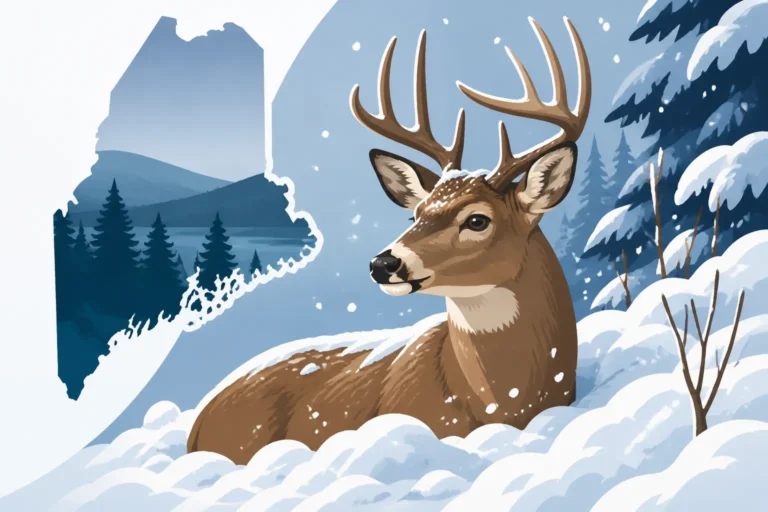
The most significant factor impacting deer density in Northern Maine is undoubtedly the severity of its winters. When the snow starts falling in November, it often doesn't let up until April or even May. We're not talking about a few inches here and there; we're talking about feet of snow that can persist for months. This deep, persistent snow makes movement incredibly difficult and energetically costly for deer. Imagine trying to wade through chest-deep powder every time you need to find food or escape a predator – it's exhausting. Fawns, in particular, struggle immensely and often can't survive these conditions without significant support. This is a primary reason why you'll find fewer deer in northern regions, a concept explored further in our discussion on how severe weather contributes to Why Deep Snow Limits Northern Maine Deer.
Beyond just the physical exertion, deep snow buries vital food sources. Browse that would be accessible in a mild winter becomes unreachable under a thick blanket of white. This forces deer to concentrate in specific areas where they can find relief and sustenance, often leading to a feast-or-famine cycle for individual animals trying to survive until spring.
The Critical Role of Deer Wintering Yards
Because of these brutal winter conditions, deer in Northern Maine rely heavily on what we call "deer wintering yards," or DWYs. These aren't just random patches of woods; they are specific habitats, typically dense stands of conifer trees like spruce and cedar, that provide crucial thermal cover and shelter from deep snow. The thick canopy of these evergreens intercepts snowfall, creating shallower snow depths on the forest floor, and blocks bitter winds, allowing deer to conserve precious energy.
Deer will migrate many miles to reach these yards as winter approaches, sometimes traveling from areas where they spend the rest of the year. Once in a yard, they'll often stay there for the entire winter, establishing a network of trails and feeding on whatever browse is available within the yard's confines. The quality and availability of these deer wintering yards are directly linked to the deer's ability to survive. If a harsh winter hits and these yards are insufficient or destroyed by logging, deer populations can suffer devastating losses. Understanding Maine Deer Wintering Yards Explained is crucial for anyone hoping to find deer in the cold months.
Habitat and Food Sources: A Different Landscape
When you look at a map of Northern Maine, you see vast expanses of forest. While this might seem like ideal deer habitat, the reality is more nuanced. The type and distribution of vegetation, along with human land use, create a very different food and cover profile compared to the southern parts of the state.
Industrial Timberland and Its Impact
A significant portion of Northern Maine is managed as industrial timberland. These vast forests are actively harvested, leading to large clear-cuts, regenerating clear-cuts, and various stages of timber growth. While clear-cuts can provide a burst of new browse growth in the first few years after logging, offering a temporary food bonanza, they often lack the crucial thermal cover that mature conifer stands provide for winter survival. Deer need a mosaic of both food and cover, especially in winter.
The cycles of logging mean that habitat is constantly changing. A prime feeding area one year might be a dense, unhuntable thicket a few years later, or a new clear-cut that's too exposed for deer in cold weather. This dynamic environment requires hunters to constantly scout and adapt, looking for areas where the different components of deer habitat intersect. Tools like GoHunt can be invaluable for understanding land ownership and timber harvest patterns, helping you identify potential hot spots or areas that might be less productive due to recent changes.
Lack of Agricultural Buffers
Contrast Northern Maine with the more developed southern and central parts of the state. Down south, you'll find more agricultural fields – corn, hay, apple orchards – that provide consistent, high-energy food sources for deer, especially during fall and early winter. These readily available food sources can buffer the impact of early snows and allow deer to build up more fat reserves.
In the North Woods, large-scale agriculture is rare. Deer rely almost entirely on natural browse: twigs, buds, and herbaceous plants that are often less nutritious and harder to come by, particularly after hard frosts and heavy snowfalls. This scarcity of high-calorie food means northern deer often enter winter in poorer condition, making them more susceptible to disease, predation, and starvation. This fundamental difference in food availability is a key driver behind the lower deer density. You might find a small, isolated food plot planted by a sporting camp, but these are exceptions rather than the rule across the vast landscape.
Predator Pressure and Its Role in Deer Dynamics
Predators are a natural and healthy part of any ecosystem, but in an environment where deer are already struggling with harsh conditions and limited food, predator pressure can have a disproportionately large impact on overall deer density. This is especially true for fawns, the future of the herd.
The Eastern Coyote: A Persistent Threat
The Eastern coyote is well-established across Maine, and the North Woods is no exception. These intelligent and adaptable predators are highly efficient hunters, and deer, particularly fawns and weakened adults, form a significant part of their diet, especially in winter. When deep snow limits deer movement and concentrates them in yards, it can inadvertently make them easier targets for coyotes, who can often travel more efficiently across the snowpack or use existing deer trails.
Studies on deer populations often highlight the impact of coyote predation on fawn recruitment – the number of fawns that survive to adulthood. In areas with already stressed deer populations, high fawn mortality due to predation can severely limit population growth and keep deer numbers perpetually low. Hunters in Northern Maine often engage in Coyote Calling Maine Farm Country, but similar tactics are also employed in the wilderness to help manage predator populations and potentially boost fawn survival.
Other Predators and Their Influence
While coyotes are the primary predator of deer in Maine, other furbearers like bobcats can also take fawns or weakened adults. Black bears, while generally not significant predators of healthy adult deer, can certainly prey on fawns, especially during the spring when they emerge from their dens and are opportunistic feeders. These pressures, combined with the environmental challenges, create a complex web of factors that continuously shape the health and size of the Northern Maine deer herd. The interplay of these forces contributes to what we see as generally lower Maine Deer Population Estimate compared to the state's southern half.
What Lower Deer Density Means for Hunters
Hunting in Northern Maine is not about seeing dozens of deer or having multiple shot opportunities each day. It's a game of patience, perseverance, and a deep understanding of the environment. The lower deer density dictates a completely different hunting approach.
Adapting Hunting Strategies
When deer are spread thin across vast timberlands, you can't just sit on a field edge and expect a parade of animals. Successful hunting in Northern Maine often involves covering a lot of ground, whether through still-hunting, tracking, or strategic stand placement in proven travel corridors. You need to focus on finding fresh sign – tracks, rubs, scrapes – and interpreting what it tells you about recent deer movement. Learning to scout effectively is paramount; reading aerial photos for potential deer sign in big timber, or understanding timber cuts, can give you an edge. Checking out resources like Reading Aerial Photos for North Woods Deer can provide invaluable insight.
Many hunters will focus their efforts around known deer wintering areas in the early archery or muzzleloader seasons before deep snow forces deer into them, or they'll target the edges of regenerating clear-cuts where browse is abundant. It’s also important to consider the terrain. For example, knowing Where Maine Bucks Bed in Big Timber can help you narrow down your search even in vast woodlands.
The Importance of Thorough Scouting
In a low-density environment, scouting isn't just a suggestion; it's a requirement. You need to spend time in the woods before the season opens, looking for areas of concentrated deer sign, understanding current food sources, and identifying natural funnels or pinch points. This is where modern tools really shine. Apps like GoHunt, along with the official Scouting With the Maine Hunting App, can help you identify public versus private land, topographic features, and even recent timber harvest activity that might create new food or cover.
A thorough scouting regimen means walking areas, not just driving roads. It means paying attention to subtle details: old rubs, fresh tracks in mud, distinct browse lines. The more you understand the local deer's habits, the better your chances of encountering one, even if the overall numbers are lower.
Expectations and Rewards
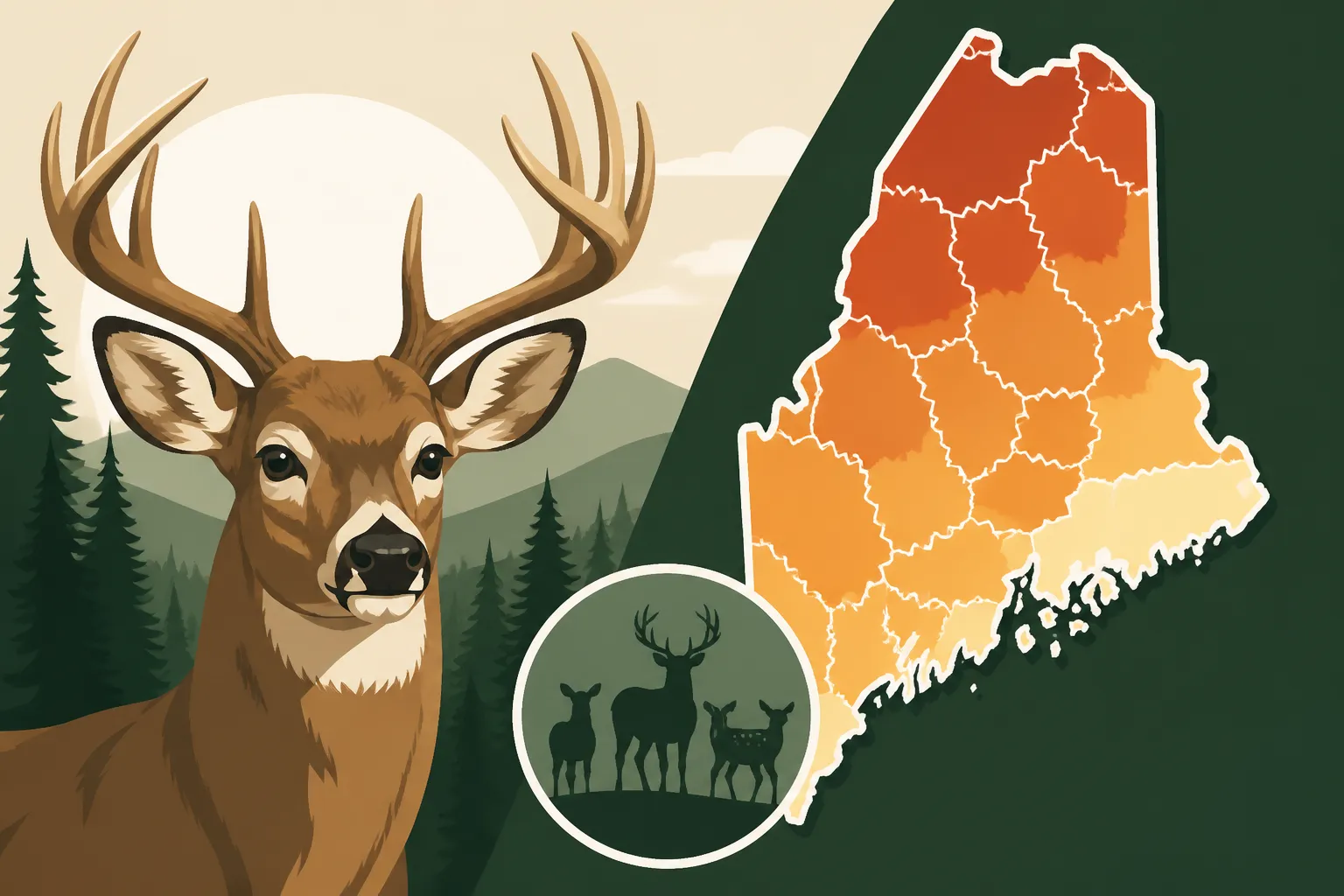
It’s crucial to set realistic expectations when hunting Northern Maine. You might hunt for days without seeing a deer, and that's not uncommon. The success rates often reflect this lower density, especially when compared to the higher Deer Density by Maine Region found further south. However, the rewards are immense. The deer that survive in these rugged conditions are often larger, older, and incredibly intelligent. Harvesting a buck from the vast, wild North Woods is a true accomplishment, a testament to your patience, skill, and connection with the wilderness. It's a different kind of hunt, one that prioritizes the journey and the challenge over sheer numbers, and that, for many, is precisely its appeal.
Table: Key Differences in Deer Density Factors
To summarize the unique challenges and characteristics influencing deer density in Northern Maine compared to Southern Maine, here's a helpful overview:
| Factor | Northern Maine | Southern Maine | Impact on Deer Density |
|---|---|---|---|
| Winter Severity | Harsh, deep, persistent snow | Milder, less snow accumulation | Northern: Limits movement, buries food, increases energy drain |
| Primary Habitat | Vast industrial timberland, mature conifer forests | Mixed forests, agricultural fields, suburban woodlots | Northern: Less diverse food, critical reliance on DWYs |
| Food Sources | Primarily natural browse, less nutrient-rich | Natural browse, abundant agricultural crops (corn, apples) | Northern: Lower caloric intake, poorer winter condition |
| Thermal Cover | Critical in conifer wintering yards | Less critical, more widespread | Northern: Survival highly dependent on available DWYs |
| Predator Pressure | Consistent, especially from coyotes; amplified by snow | Present, but often mitigated by better deer condition | Northern: Higher fawn mortality, greater impact on herd growth |
| Human Development | Sparse, vast wilderness | Denser population, more fragmented habitat | Northern: Fewer human-related food sources, less disturbance |
| Hunting Experience | Low density, challenging, wilderness experience | Higher density, more opportunities, diverse terrain | Northern: Requires greater skill, patience, and scouting |
This table clearly illustrates why the deer density in Northern Maine operates under a different set of rules. It’s a testament to the resilience of Maine's deer that they thrive at all in such a demanding environment.
Disclaimer
This article is for general informational purposes only and does not constitute professional advice. Laws, prices and regulations vary by location and change over time. Consult a qualified professional for guidance on your specific situation.