How Deep Snow Affects Maine Deer Survival
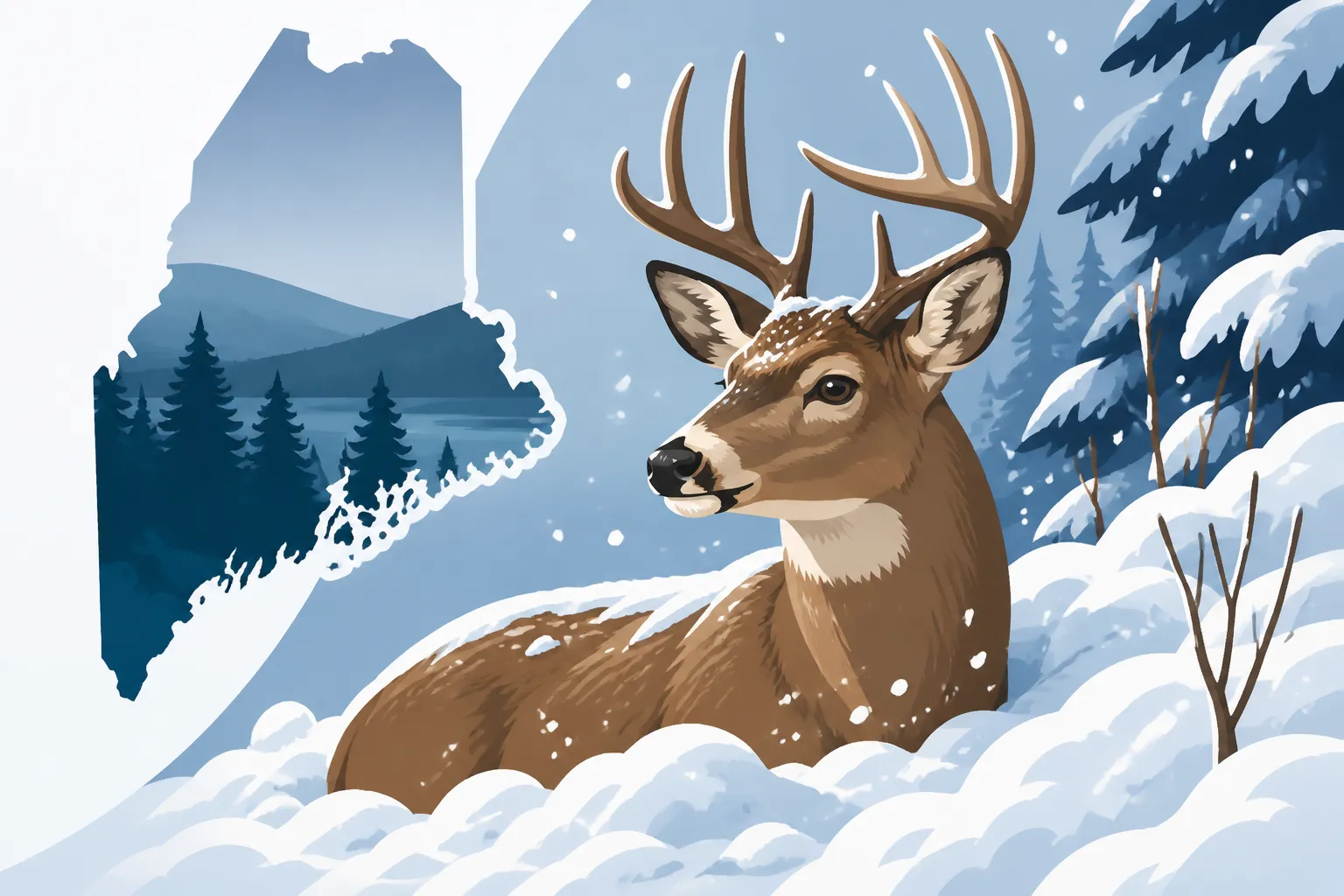
Living in Maine, we're no strangers to deep snow and brutal winters. But while we bundle up and crank the woodstove, have you ever really stopped to think about what those heavy snowfalls mean for our beloved white-tailed deer? It’s a struggle for survival out there, a relentless challenge that dictates everything from their daily movements to their long-term population health. This guide will dive deep into how those towering drifts and icy crusts directly impact Maine's deer, revealing the hidden battles they fight just to see spring.
The Winter Gauntlet: Why Snow Depth Matters So Much for Maine Deer
For a deer in Maine, winter isn't just a cold season; it's a gauntlet, a relentless test of endurance where every inch of snow makes the challenge tougher. We often focus on the cold itself, but it's truly the snow depth and condition that often tip the scales between survival and starvation.
Energy Drain: The Cost of Moving Through Deep Snow
Imagine trying to wade through waist-deep water all day, every day. That's a bit like what a deer experiences when snow piles up. Each step requires immense effort, forcing them to lift their legs high and push through the dense, heavy powder. This isn't just inconvenient; it's a massive drain on their limited energy reserves. Deer build up fat stores during the fall, but those reserves are finite, and every extra calorie burned moving through snow is a calorie they can't afford to lose. The colder it is, the more calories they need just to stay warm. When you add the physical exertion of wading through deep snow, that metabolic furnace roars, burning through fat at an alarming rate. Even a seemingly "mild" winter can be deadly if snow consistently stays above 18-20 inches, as it limits efficient movement and rapidly depletes critical energy.
Restricted Movement and Limited Foraging
Deep snow literally shrinks a deer's world. What was once vast forest full of browse becomes an impenetrable fortress of white. When snow reaches certain depths, deer become severely restricted in their movement, often confined to small, packed-down areas within what we call "deer yards." This isn't just about moving from point A to point B; it’s about accessing the food they need to survive. Essential browse, like cedar tips, hobblebush, and even the bark of certain trees, becomes buried and unreachable. A deer simply can't dig through feet of snow efficiently enough to find sufficient sustenance. This limited access means they're not getting enough calories to offset the energy they're expending, creating a dangerous deficit. Even if they can reach some browse, the quality might be poor, offering minimal nutritional value. This cycle of restricted movement and limited food access is a primary reason why deep snow is such a critical factor in How Deep Snow Limits Northern Maine Deer.
Deer Yards: Maine's Natural Survival Strategy
In the face of relentless winter snows, Maine deer have developed a crucial survival strategy: congregating in what we call "deer yards" or "deer wintering areas." These aren't just random spots; they're vital habitats that offer a lifeline when the rest of the landscape becomes too harsh.
The Importance of Conifer Cover
Deer yards are typically dense stands of conifers like cedar, spruce, and fir. These evergreens provide invaluable thermal cover. Their thick, interlocking branches intercept falling snow, creating a shallower snowpack directly beneath their canopy. This significantly reduces the energy deer need to expend for movement and foraging. Think about walking through an open hardwood stand after a foot of snow, then stepping into a dense cedar swamp where the snow is only half that depth. It's a game-changer. Beyond just snow depth, the dense canopy also insulates deer from harsh winds and traps radiant heat, making the ambient temperature feel warmer and helping them conserve body heat. When you're trying to figure out where deer are holing up, using a tool like GoHunt to analyze satellite imagery for dense conifer stands can be incredibly effective, especially when you're Reading a North Woods Deer Yard. These are the sanctuaries that allow deer to weather the storm.
Creating and Maintaining Deer Trails
Within these deer yards, particularly when snow gets deep, deer don't just wander aimlessly. They actively work to create and maintain a network of packed-down trails. This is often a communal effort, with many deer using the same pathways, compacting the snow with their hooves. These trails become vital arteries, allowing deer to move between feeding areas, bedding sites, and escape cover with significantly less energy expenditure. Once a trail is established and frozen solid, it's like a superhighway compared to breaking new ground. Without these trails, every step is a battle, rapidly depleting their reserves. This network of trails is a testament to the deer's adaptability, allowing them to conserve precious energy that might otherwise be lost simply trying to navigate their winter world. Understanding these networks is key to understanding Maine Deer Wintering Yards Explained.
Predation Risk and Vulnerability in Deep Snow
While starvation is a direct threat in deep snow, the weakened state of deer also dramatically increases their vulnerability to predators. It’s a cruel irony: the struggle to survive the cold often makes them easier prey.
Coyotes and Their Winter Advantage
Our eastern coyotes are incredibly opportunistic and well-adapted to Maine winters. While deer struggle, sinking deep into the snow with every lumbering step, coyotes, with their lighter weight and broader paws, often have an easier time moving across the surface, especially when a light crust forms. This gives them a distinct advantage. A healthy, unhindered deer can often outrun a coyote, but put that same deer in deep, soft snow, and the tables turn. The deer founders, expending frantic energy, while the coyote may glide over the surface or make quick work of a short pursuit. Fawns and older, weaker deer are particularly susceptible, as their smaller size or compromised health means they fatigue even faster. This dynamic highlights the significant Maine Predator Impact on Fawn Recruitment during harsh winters, as young deer simply can't escape as easily.
The Cumulative Effect: Malnutrition and Weakness
Deep snow doesn't just present immediate challenges; it creates a cumulative effect that weakens deer over time. The constant energy drain from movement, coupled with limited access to nutritious browse, leads to malnutrition. Deer begin to burn through their muscle mass after fat reserves are depleted. Their immune systems weaken, making them more susceptible to disease. Their reaction times slow, and their overall physical condition deteriorates. This isn't a quick decline; it's a slow, grinding process that leaves them increasingly vulnerable. A deer that might have shrugged off a coyote encounter in the fall becomes an easy target by late winter. This chronic stress and malnutrition can be the "tipping point" for many deer, leading to mortality even if they avoid a direct predator attack. When you're planning your spring scouting, keep in mind how the previous winter might have impacted the local Maine Deer Population Estimate and the general health of the herd. Using resources like GoHunt can help you scout historical deer sign and analyze potential travel corridors where deer might have struggled.
Long-Term Impacts on Maine's Deer Population
The effects of deep snow winters extend far beyond the individual deer that don't make it to spring. Severe winters have a ripple effect that can influence the entire deer population for years to come, shaping future hunting opportunities and herd health.
Reduced Fawn Survival and Recruitment
One of the most immediate and significant long-term impacts is on fawn survival and recruitment. Does that endure a severe winter emerge in poorer physical condition. This can lead to lower pregnancy rates, smaller and weaker fawns being born, and even reduced milk production. Fawns born to stressed mothers are already at a disadvantage, and if the following winter is also harsh, their chances of survival plummet even further. This isn't just about the number of fawns that die during the winter; it’s about the reduced number of yearlings entering the breeding population in subsequent years. A couple of back-to-back severe winters can decimate local Deer Density by Maine Region, leading to a noticeable drop in the overall deer numbers and potentially altering the age structure of the herd. The impact can take several years for the population to fully recover.
Habitat Degradation and Future Challenges
Deer yards, as we've discussed, are critical for winter survival. However, these vital habitats are not immune to pressures. Logging practices that don't consider deer wintering areas, or even development encroaching on these traditional spots, can severely reduce the available sanctuary for deer. A strong, healthy deer yard provides both food and cover. If these areas are fragmented or lost, deer are forced into less optimal areas, making them even more vulnerable to deep snow and predation. It's a delicate balance: while forests need to be managed, prioritizing the health and longevity of these wintering areas is paramount for robust deer populations. When you're looking for new hunting grounds or trying to understand deer movement, services like GoHunt can help you identify crucial habitat features like conifer stands and potential deer yard locations, even if you're out Hunting After a Poor Acorn Year and food sources are scarce. Protecting and enhancing these habitats is a crucial ongoing challenge for Maine wildlife managers and an important consideration for anyone invested in the future of White-Tailed Deer Across Maine. We need to be vigilant about preserving these critical areas so deer have a fighting chance when the inevitable deep snows arrive.
Maine Deer Winter Survival: Snow Depth Impact Table
| Snow Depth (Inches) | Impact on Deer Movement | Impact on Foraging | Predation Risk | Survival Outlook |
|---|---|---|---|---|
| 0-10 inches | Minimal restriction, deer move freely. | Easy access to browse. | Normal | Good |
| 10-18 inches | Slightly restricted, but generally manageable. | Some browse may be buried, but still accessible. | Slightly elevated | Fair to Good |
| 18-24 inches | Significant restriction, deer begin to concentrate in deer yards. | Much browse buried, deer rely on limited sources. | Elevated (coyotes gain advantage) | Challenging |
| 24+ inches | Severe restriction, deer confined to packed trails in yards. | Most ground browse inaccessible, heavy reliance on conifer tips. | High (deer severely hindered) | Poor to Critical |
| Crusted Snow | Varies: – Light crust: no issue – Hard crust (supports deer): minimal – Hard crust (supports coyotes but breaks for deer): severe |
Varies depending on crust strength. | Very High (coyotes on top, deer break through) | Extremely Critical |
For those of us who appreciate Maine's wildlife, understanding the struggles deer face during winter brings a whole new perspective. It’s not just about the thermometer reading, but the silent, relentless battle against the snow. Knowing this, we can better appreciate the resilience of these animals and the importance of their wintering grounds. Next time you're out in the woods in the late fall, trying to figure out Where Maine Bucks Bed in Big Timber, take a moment to consider where they might find refuge when the snow finally starts to fly. Thinking proactively about winter survival is just another layer to appreciating Maine's incredible hunting heritage. If you're looking to help, consider supporting conservation efforts that protect vital deer yards. And if you're ever faced with the unfortunate task of Recovering a Deer From a Cedar Swamp after a difficult winter, you'll truly understand the depths of their struggle.
Disclaimer
This article is for general informational purposes only and does not constitute professional advice. Laws, prices and regulations vary by location and change over time. Consult a qualified professional for guidance on your specific situation.