Why Deep Snow Limits Northern Maine Deer
For hunters who've spent time in Maine's vast northern woods, the sight of fewer deer after a winter of heavy snow isn't just a hunch – it's a stark, often heartbreaking reality. It can be incredibly frustrating to scout hard, hoping to find healthy deer sign, only to be met with tracks that tell a story of struggle and scarcity. This comprehensive guide will dive deep into the ecological reasons why persistent, deep snow significantly limits white-tailed deer populations in northern Maine, and what it means for the health of our herd and our hunting opportunities.
The Harsh Reality of Northern Maine Winters
Northern Maine is a place of incredible beauty, rugged wilderness, and some of the most challenging winters in the contiguous United States. Unlike the milder coastal areas or the more developed southern regions, the interior of northern Maine experiences prolonged periods of bitter cold and immense snowfall. This isn't just an inconvenience; for white-tailed deer, it's a matter of life and death, shaping their very existence and distribution across the landscape.
Defining Deep Snow and Its Duration
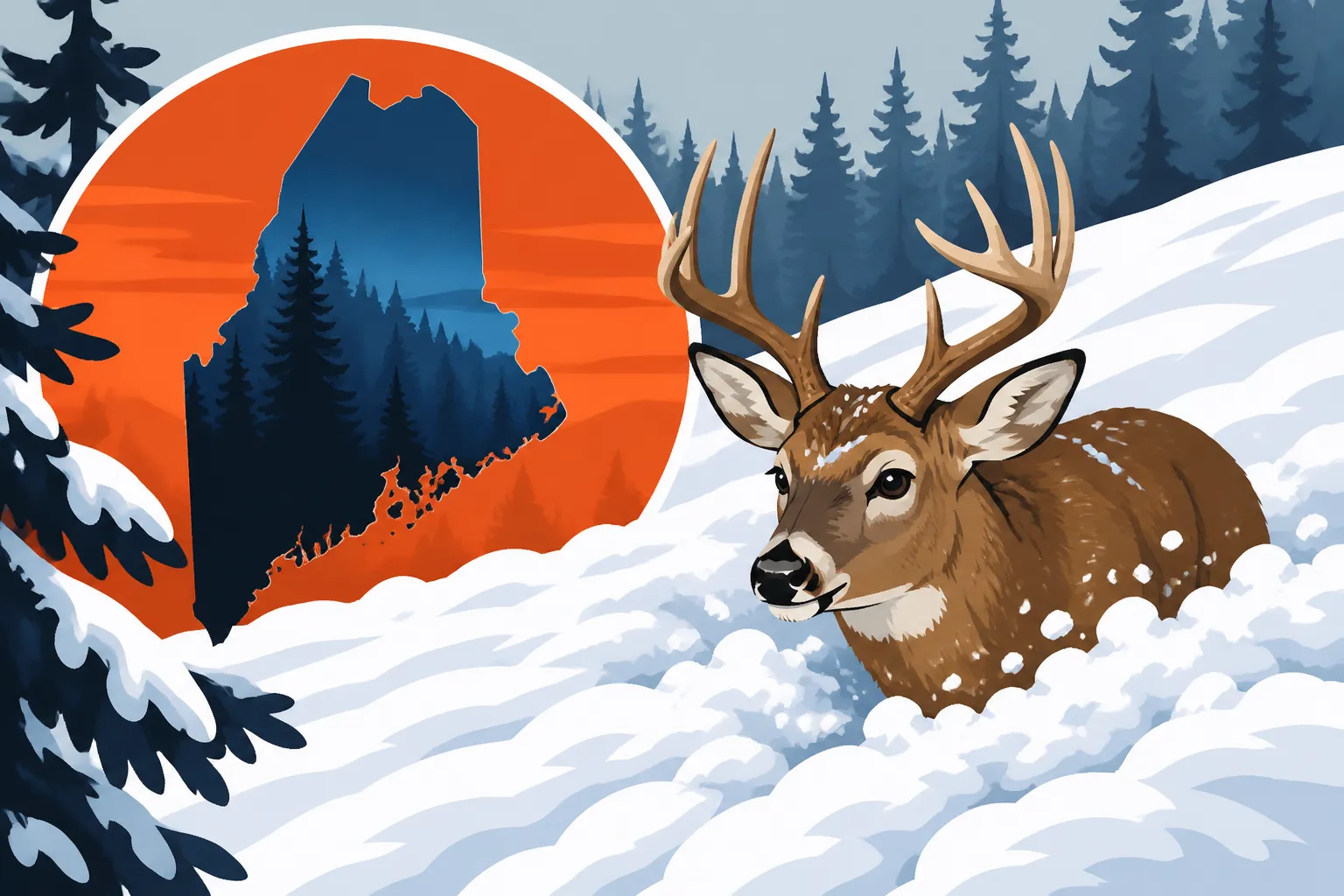
What exactly constitutes "deep snow" for a white-tailed deer, and how long does it last up north? We're not talking about a couple of inches that melt off by noon. For deer, snow becomes a significant impediment when it consistently exceeds about 16-20 inches, roughly the height of their chest. Once snow levels reach this depth, every step becomes an exhausting effort. They have to "plunge" through it, expending precious energy with each movement. In the deeper woods of Aroostook, Piscataquis, and northern Penobscot counties, it's not uncommon for snow to accumulate well beyond this threshold, often reaching several feet, and remaining on the ground from November deep into April, sometimes even early May. This prolonged period of deep snow means deer are fighting for survival for nearly half the year, pushing their physiological limits constantly.
Temperature Extremes and Wind Chill Factors
While deep snow is a primary antagonist, the sheer cold and biting winds are equally devastating. Northern Maine routinely sees temperatures drop well below zero degrees Fahrenheit, often accompanied by strong northwest winds that create brutal wind chill factors. Deer, despite their insulating winter coats, still lose body heat rapidly in these conditions. To combat this, they must burn more calories, diverting energy from growth, reproduction, and even basic immune function. When coupled with limited food availability, these extreme temperatures accelerate their metabolic demands, leading to rapid weight loss and increased susceptibility to disease and predation. A deer that might survive a moderate winter on its fat reserves can quickly succumb when a deep snowpack locks in for months, relentlessly pounded by sub-zero wind chills.
Deer Wintering Yards: A Lifeline in the Snow
Given the brutal conditions, deer in northern Maine have evolved a critical survival strategy: seeking out deer wintering yards, often referred to as "deeryards." These specific habitats are absolutely essential for the survival of the herd when the snow gets deep and the mercury plunges. Without them, deer simply wouldn't make it through a typical northern Maine winter.
What Makes a Deer Wintering Yard Critical
A deer wintering yard isn't just any patch of woods; it's a specific type of habitat offering a crucial combination of shelter and relatively accessible food. Most often, these are stands of dense, mature softwood trees, particularly cedar swamps, spruce-fir thickets, or hemlock groves. The overarching canopy of these conifers acts like a natural umbrella, intercepting snowfall before it hits the ground. This reduces snow depth by as much as 50% compared to open hardwoods or clear-cut areas. This denser overhead cover also breaks the wind, creating a microclimate that can be several degrees warmer and significantly less exposed to wind chill. Beyond the immediate shelter, these yards often contain browse species like cedar, balsam fir, and striped maple that deer can reach, especially when snow depth is lessened by the canopy. Think of it as a natural fortress, providing both warmth and sustenance. Understanding what makes these yards tick is paramount for anyone interested in Maine Deer Wintering Yards Explained.
The Role of Snow Depth and Compaction
Within these deeryards, reduced snow depth and compaction are the true game-changers. Because the canopy catches so much snow, the ground underneath remains relatively shallow. The snow that does accumulate is often drier and more "fluffy" due to the insulation, and deer trails within the yard become packed down over time. These packed trails create a network of "deer highways" where deer can move with far less energy expenditure. Instead of plowing through deep drifts, they can walk on top of the compacted snow, allowing them to conserve vital energy needed for warmth and survival. This ability to move freely within a confined area, even if small, means they can access browse more efficiently and escape predators more effectively than they could in untracked, deep snow. When using a mapping tool like GoHunt, looking for dense conifer stands in otherwise open or deciduous forests can often point you toward these critical wintering areas.
The Energetic Cost of Deep Snow
Imagine trying to run a marathon while wearing ankle weights and trudging through waist-deep mud. That's a bit like what a white-tailed deer experiences in deep snow. The energy demands placed on a deer during winter, especially with significant snow, are immense, and they directly translate into their ability to survive until spring.
Increased Energy Expenditure for Movement
Every single step a deer takes in deep snow comes at a high energetic cost. Unlike humans who can strap on snowshoes or navigate plowed paths, deer are forced to plunge through the snow with each stride. When snow is deeper than about 16-20 inches, they lift their legs higher, pushing against the resistance of the snow, which requires significantly more muscle effort and burns more calories. This energy expenditure becomes a compounding problem. As they burn more calories moving, they need more food. But the deep snow also makes food harder to find and access. This creates a dangerous cycle where deer are constantly in an energy deficit, depleting their fat reserves at an alarming rate. This struggle highlights How Deep Snow Affects Maine Deer Survival in the toughest months.
Limited Access to Food Sources
Deep snow acts as a massive barrier between deer and their vital winter food sources. Most of the preferred browse, such as tender new growth on deciduous shrubs and trees, or fallen mast crops like acorns, becomes completely buried. While deer are adaptable browsers, even their ability to find food is severely hampered. They might be able to reach some evergreen browse like cedar or fir, but these are often less nutritious and harder to digest. In areas without dense conifer cover, deer are forced to paw through deep snow to reach anything edible, a process that burns even more calories. The combination of increased energy output and decreased energy intake is a recipe for malnutrition, leading to weakened immune systems and a diminished capacity to withstand the harsh environment. For those trying to locate deer in the late season, focusing on Late-Season Food Sources for Maine Whitetails that remain accessible is key.
Winter Impact on Deer Survival: Low vs. Deep Snow
To truly grasp the impact, consider the stark differences in a deer's winter experience based on snow depth:
| Factor | Low Snow (<15 inches) | Deep Snow (>20 inches) |
|---|---|---|
| Movement | Relatively easy, minimal energy expenditure. | Extremely difficult, high energy cost, plunging. |
| Food Access | Readily available browse and ground forage. | Buried browse, limited access to most forage. |
| Energy Burn | Low to moderate, fat reserves maintained. | Very high, rapid depletion of fat reserves. |
| Predator Escape | Easier to outrun or evade predators. | Hindered movement, increased vulnerability. |
| Herd Health | Higher fawn survival, robust adult deer. | Lower fawn survival, weakened adults, higher mortality. |
| Hunting Success | Deer spread out, requiring more active hunting. | Deer concentrated in yards, but fewer overall. |
This table vividly illustrates why a mild winter with light snow can mean a booming deer population, while a severe winter with deep, persistent snow can decimate it.
Predation Pressure in Winter
The narrative of deep snow limiting deer isn't just about starvation and cold; it's also about a significant shift in the predator-prey dynamic. When deer are weakened and their movement is restricted, the advantage swings heavily towards their natural enemies, particularly coyotes.
Coyotes and Other Predators
Maine's Eastern coyotes are intelligent and opportunistic hunters, and deep snow provides them with a distinct advantage. Their lighter weight and narrower footpads allow them to travel more easily over crusted snow or through powdery depths that hinder a heavier, broad-hooved deer. Imagine a chase where the predator glides effortlessly across the surface while the prey struggles, sinking with every bound. This is the reality for deer in deep snow. Coyotes will actively patrol the edges of deeryards, waiting for deer to venture out, or exploit weakened individuals within the yard itself. Other predators like bobcats and even the occasional bear (if they emerge early) can also capitalize on the deer's vulnerability. This increased predation pressure, especially from coyotes, is a major factor in Maine's Eastern Coyote Origins and their impact on deer herds.
Weakened Deer and Vulnerability
Even if a deer manages to find enough food and avoid freezing, the sheer energetic strain of a deep snow winter leaves them in a severely weakened state. Their fat reserves are gone, muscle mass is reduced, and their immune systems are compromised. These deer are slower, less agile, and have a diminished capacity to fight or flee. A healthy deer might be able to outmaneuver a coyote in open terrain, but a starved deer struggling through heavy snow has little chance. This vulnerability extends beyond immediate predation; weakened deer are also more susceptible to diseases and parasites that a healthy animal could easily shrug off. The cumulative effect of deep snow, limited food, and relentless cold creates a population of highly vulnerable deer, setting the stage for significant winter mortality.
Long-Term Population Impacts
The effects of one severe winter can ripple through the deer population for years, impacting not only the number of deer but also their overall health and productivity. This is why consecutive harsh winters are particularly devastating for the northern Maine deer herd.
Reduced Fawn Survival Rates
Perhaps the most significant long-term impact of deep snow winters is the dramatic reduction in fawn survival. Does that barely survive a severe winter are often in poor physical condition, leading to lower conception rates, smaller fawns, or even the reabsorption of fetuses. If fawns are born, their mothers may not have enough milk to adequately nurse them, and the fawns themselves start life at a disadvantage, often weighing less and having poorer immune systems. Even if a fawn makes it through the summer, its chances of surviving its first winter are significantly reduced if it enters the cold months underweight due to a tough spring and summer following a harsh winter. This creates a cycle where the herd struggles to rebound, as fewer fawns means fewer future breeding adults. For a deeper dive, explore Maine Fawn Survival Rates.
Overall Herd Health and Productivity
Beyond fawns, severe winters take a toll on the entire herd's health and productivity. Bucks that enter winter in poor condition will have less energy to put towards antler growth the following year, often resulting in smaller racks. Does, if they survive, may take longer to recover and may not breed at all the following season, or may only have a single fawn instead of twins. This impacts the herd's overall reproductive potential for several seasons. The cumulative stress weakens the genetic resilience of the herd, making them more susceptible to future environmental challenges. Hunters observing the deer population in central and Northern Maine Deer Density will attest to how drastically these numbers can fluctuate based on successive winter severity, directly impacting future hunting opportunities and the ability to find mature, healthy animals.
Adapting Hunting Strategies for Snowy Conditions
For hunters in northern Maine, understanding the profound impact of deep snow isn't just academic; it directly influences hunting success. While we can't control the weather, we can certainly adapt our strategies to the conditions deer face.
Focusing on Deer Wintering Areas
When the snow gets deep, deer movement becomes highly restricted. They are not wandering the landscape; they are concentrated in their critical wintering areas. For hunters, this means shifting focus almost exclusively to these deeryards. Scouting becomes less about finding widespread sign and more about locating these specific conifer stands, especially cedar swamps or dense spruce thickets. Once identified, the goal is to understand the primary travel corridors and feeding areas within these yards. This knowledge can be critical during the late muzzleloader season when snow is typically at its deepest. Tools like the GoHunt app, with its satellite imagery and topographic features, can be invaluable for identifying potential deeryard locations, often appearing as dark, dense green patches contrasting with surrounding hardwoods. It's about knowing Reading a North Woods Deer Yard effectively.
Understanding Deer Behavior in Heavy Snow
Deer in heavy snow are operating on a survival budget. They are reluctant to leave the relative ease of their packed trails within a deeryard unless absolutely necessary. Their priority is conserving energy. This means they will move slowly, often only during the warmest parts of the day, and will stick to the path of least resistance. For hunters, this implies still-hunting or stand placement near key funnels within the yard, or along the edges where deer might venture for specific browse. Expect shorter travel distances and less erratic movement. A quiet, patient approach is vital. The sound of a hunter breaking through crusty snow can send deer scurrying, and their limited movement means they might not circle back. Success often comes down to precise placement and an intimate knowledge of how deer ration their energy and movement when every step is a struggle. Learning Cold-Weather Sitting Strategy in Maine becomes even more critical in these conditions.
Disclaimer
The information provided in this guide is for general informational purposes only and does not constitute legal advice or guarantee hunting success. Always consult the latest Maine Department of Inland Fisheries and Wildlife regulations and local laws before engaging in any hunting activities. Hunting involves inherent risks, and safety should always be your top priority.