Where Maine Bucks Bed in Big Timber
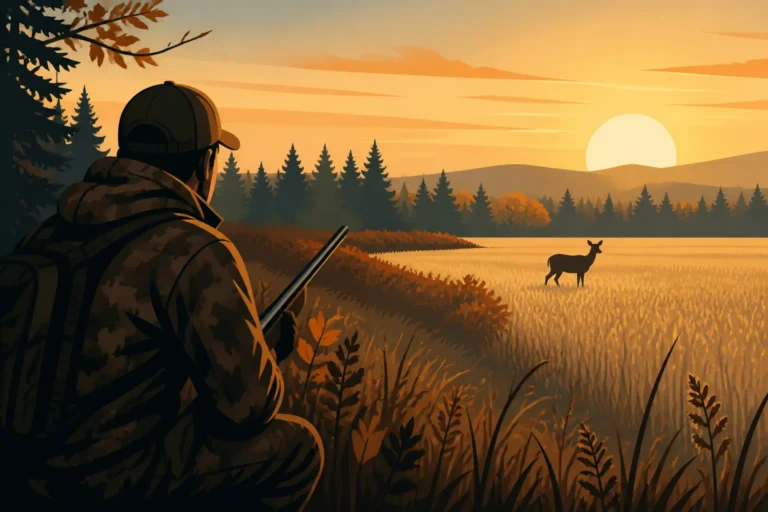
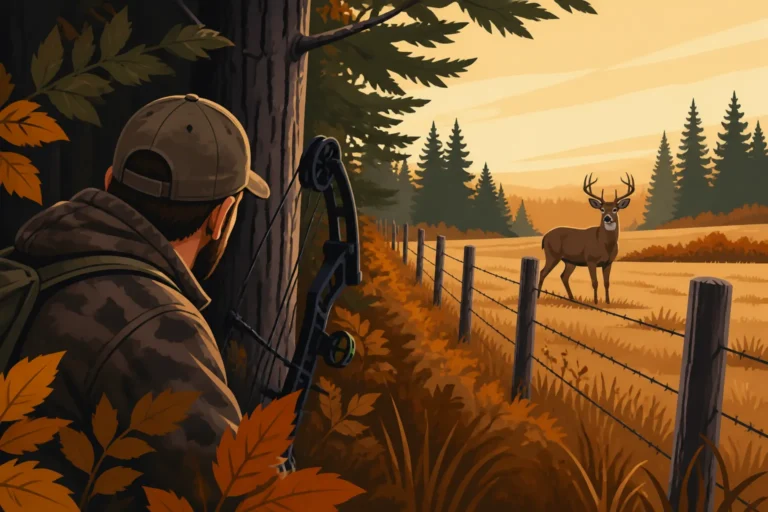
Many hunters find themselves staring at vast expanses of Maine's big timber, wondering where on earth a mature buck could possibly hide. It's a daunting feeling, isn't it? That feeling of being swallowed whole by the seemingly endless woods, knowing a trophy buck could be within a stone's throw, yet remain utterly invisible. This guide is here to unravel that mystery, focusing on the specific types of cover, terrain, and conditions that draw big Maine bucks into their bedding sanctuaries within those deep, dark woods.
The Core Elements of a Buck's Bedding Choice in Big Timber
Finding a mature buck in Maine's vast timber country often feels like searching for a needle in a haystack, especially when you're looking for where they truly live during daylight hours. Bucks don't just randomly plop down anywhere; their bedding choices are meticulously calculated decisions, driven by a primal need for security, thermal regulation, and efficient escape routes. When you understand these fundamental needs, you start to see the forest not as a chaotic mess, but as a series of potential bedrooms, each with its own advantages and disadvantages from a deer's perspective. It’s not just about thick cover; it’s about strategic cover that offers maximum protection with minimal effort.
The Pillars of Security: Why Isolation Matters
A mature buck is a survivalist, and his number one priority is self-preservation. In big timber, this translates directly to choosing bedding areas that offer maximum isolation from perceived threats, primarily humans. These aren't necessarily the thickest, nastiest tangles you can imagine, though those certainly offer security. Instead, think about places that are difficult or undesirable for humans to access. This could be a small island of high ground in a vast swamp, a steep, brush-choked hillside, or a dense pocket of conifers tucked deep within a timber company block that's miles from the nearest logging road. These spots might not look impenetrable on a map, but the sheer effort required to get there, combined with the lack of obvious human scent trails, makes them prime buck magnets. They want to be able to hear, see, or smell danger long before it becomes an immediate threat, giving them ample time to slip away unseen. This often means choosing areas with a natural buffer, whether it's a topographical barrier or just an area notorious for holding water or dense blowdowns that discourages casual foot traffic.
Wind and Thermals: Nature's HVAC System for Deer
Understanding how Wind and Thermals in Maine Hill Country impact deer movement and bedding is absolutely crucial, especially in mountainous or rolling big timber terrain. Deer rely on their noses as their primary defense mechanism, and they will almost always bed in a spot that allows them to use the prevailing wind or thermal currents to their advantage. During the day, warm air rises. This means a buck bedded on a ridge line or hillside will often have his nose into the wind, but also be able to detect anything coming from below him as the thermals rise. Conversely, in the evening, as the air cools and descends, he might shift his bed to a lower elevation or a different aspect of the ridge to take advantage of the falling thermals carrying scents from above him. They want that 360-degree security, either through sight, sound, or smell. A classic bedding scenario is a buck facing downwind, looking over his backtrail, while the rising thermals carry scent from anything approaching from his blind spot below. Ignoring wind direction and thermals when scouting or hunting for big timber bucks is a surefire way to bump them before you even know they're there.
Escape Routes and Vantage Points: A Buck's Survival Instincts
Beyond just security from intrusion, a buck's bedding choice is heavily influenced by his ability to escape quickly and efficiently if danger does present itself. He needs multiple escape routes that lead to equally dense cover or topographical features that break line of sight. This might mean a hidden ditch, a thick swale, or a saddle that drops into a different drainage. Furthermore, many mature bucks prefer bedding where they have a slight elevation advantage or a good visual over their surroundings. They want to see any approaching threat, or at least have a clear lane to observe for a good distance. This isn't about being on the highest peak, but rather a subtle rise or bench that offers a clear view in one or more directions. Think of it as their own personal lookout tower combined with a labyrinth of escape tunnels. Being able to survey his domain, even subtly, gives him the confidence to relax, knowing he's often got the jump on anything that comes his way.
Key Terrain Features Attracting Big Timber Bucks to Bed
While the sheer size of Maine's big timber can feel overwhelming, certain terrain features consistently draw mature bucks looking for those perfect bedding locations. These aren't always obvious to the untrained eye, but once you learn to recognize them, your scouting efforts, especially when Reading Aerial Photos for North Woods Deer or using your GoHunt app, will become far more productive. It's about finding the subtle nuances in an otherwise monotonous landscape that offer that extra layer of security, warmth, or strategic advantage. Think of yourself as a detective, piecing together clues from the landscape itself.
Ridge Tops and Saddles: High Ground Advantage
Ridge tops, benches just off the main crest, and especially saddles are absolute magnets for big timber bucks. Why? They offer a prime combination of vantage point, thermal advantage, and often thicker cover than the surrounding slopes. A buck can bed on a bench just below a ridge crest, using the prevailing wind to cover his downwind side, and the rising thermals to bring scent from below him. Saddles, which are dips or low points along a ridge line, are natural travel corridors for deer, but they also serve as strategic bedding locations, particularly when winds are swirling. A buck might bed right on the edge of a saddle, allowing him to observe traffic moving through while also having escape routes down both sides of the ridge. These areas often have slightly different vegetation, perhaps denser patches of spruce or cedar, due to variations in moisture or sunlight, providing that essential visual cover. When you're Hunting a Ridge-Top Saddle for Rutting Bucks, knowing these bedding tendencies is paramount.
Dense Conifer Thickets: The Ultimate Security Cover
Nothing says "security" to a Maine buck quite like a dense, impenetrable conifer thicket. Whether it's a stand of young spruce, fir, or even hemlock, these areas block wind, retain heat, and offer unparalleled visual cover. They're often so thick that a human struggles to walk through them quietly, which is exactly why a buck chooses them. These thickets are especially valuable during the firearms season when hunting pressure increases, or in the late season when snow and cold make thermal cover a priority. Bucks will often bed just inside the downwind edge of these thickets, allowing them to smell anything approaching from behind, while having the dense cover at their back and sides. These aren't just random patches; they are often found on north-facing slopes, which can offer cooler temperatures in early fall, or on south-facing slopes to catch sunlight during colder months. Look for areas where sunlight struggles to penetrate to the forest floor; those are usually the nastiest, and therefore, the best.
Cedar Swamps and Beaver Flowages: Wet and Wild Sanctuaries
While many hunters shy away from the wet, muddy expanses of cedar swamps or the often-flooded edges of beaver flowages, big timber bucks view them as ideal sanctuaries. These areas are incredibly difficult for hunters to navigate quietly and often require specialized footwear, which immediately reduces human intrusion. The dense undergrowth, coupled with the water, provides excellent cover and a natural barrier. In a cedar swamp, the intertwining branches of the cedars create a canopy that blocks visibility and holds scent, making it tough for predators to pinpoint a deer. Along a beaver flowage, bucks will often bed on small, dry hummocks or points that jut into the water, giving them water as a buffer on multiple sides. These locations are particularly effective during periods of high pressure, as most hunters will stick to drier, easier-to-travel ground. Knowing how to locate and approach these wet sanctuaries is a skill that separates successful hunters from those who consistently struggle to find bucks in Maine's big woods. If you're wondering Where Maine Bucks Bed in Big Timber, these soggy spots are often overlooked goldmines.
Seasonal Shifts and Scouting Strategies for Big Timber Beds
A buck's bedding preferences aren't static; they evolve throughout the hunting season, driven by changes in food availability, weather, and, most significantly, hunting pressure. Understanding these shifts is key to consistent success. Moreover, finding these elusive bedding areas requires a systematic approach, combining modern technology with traditional boots-on-the-ground scouting. You can't just wander aimlessly; you need a plan.
Early Season Patterns: Food-Driven and Less Pressure-Sensitive
In the early archery season, before the leaves drop and human pressure mounts, big timber bucks are often found bedding closer to their primary food sources. This might be a standing apple orchard, a hardwood ridge loaded with acorns, or even agricultural fields bordering the big woods. Security is still a factor, but they're willing to take more risks to be near abundant calories. They might bed on a sun-drenched southern slope to soak up warmth, or closer to a water source. As long as they have good visual cover, they're often less concerned about deep, remote security. Hunters focusing on Hunting After a Poor Acorn Year will need to adjust, looking for other mast crops or browse. Scouting during this time should focus on locating active feeding areas and then identifying the closest, densest cover available, even if it's not miles deep. You'll often find them just a few hundred yards off a food source, tucked into a small conifer island or a dense blowdown.
The Rut's Influence: Shifting Priorities
As the rut approaches and especially during its peak in early November, a buck's bedding priorities shift dramatically. While security is always a concern, the drive to find and breed does often overrides his usual reclusive habits. He might bed in areas he wouldn't typically use, often closer to doe bedding areas or along travel corridors that connect them. He'll still seek out secure cover, but he might sacrifice some remoteness for proximity to does. This is when you might find a mature buck bedded surprisingly close to a logging road or a frequently used trail, especially if does are using it heavily. He's looking for vantage points to observe does and intercept them. Think about secondary ridges, benches overlooking low-lying thickets where does might feed, or even dense, brushy areas along the edges of clear-cuts. If you're Hunting the Rut in Early November, you'll need to understand that the buck's motivation for bedding is now primarily reproduction, leading to less predictable patterns.
Late Season Survival Beds: Protection from the Elements
Once the firearms season closes and winter truly sets in, big timber bucks prioritize survival. Deep snow, brutal cold, and dwindling food sources dictate their bedding choices. This is when Maine Deer Wintering Yards Explained become critical. These deer yards are typically dense cedar or spruce swamps that offer thermal protection from the elements and a reliable, albeit limited, food source (conifer browse). Bucks will often congregate in these yards, seeking the shelter of the dense evergreens and the slightly warmer microclimates they create. Bedding will be tight, often right up against a snow-laden conifer or in a sunny pocket within the thicket that catches the precious warmth of the winter sun. Locating these yards, even without snow, can be done by looking for old deer trails converging into dense evergreen cover. During this period, food and warmth dictate almost everything, so understanding Late-Season Food Sources for Maine Whitetails, even if meager, helps pinpoint where they might spend their days.
| Season | Primary Bedding Driver | Typical Bed Location | Key Features |
|---|---|---|---|
| Early Archery | Food Proximity, Warmth | Near food, sunny slopes | Good visual cover, close to calories |
| Rut (Peak Nov) | Doe Proximity, Interception | Near doe trails, vantage points | Strategic observation, active travel corridors |
| Late Season | Thermal Cover, Shelter | Dense cedar/spruce swamps | Protection from wind/snow, slight thermal advantage |
Topographical Maps and Aerial Imagery: Digital Detective Work
Before you even step foot in the woods, the best place to start your search for big timber bedding areas is with high-quality topographical maps and aerial imagery. Tools like GoHunt or other mapping applications allow you to zoom in and identify subtle changes in terrain that might otherwise go unnoticed. Look for contour lines that indicate benches, saddles, and steep slopes that offer natural barriers. Identify dense pockets of dark timber (often represented by darker green on aerials) that scream security. Look for fingers of high ground extending into swamps or clear-cuts, or areas with a sudden change in elevation. You're looking for anomalies – places that break up the uniformity of the big timber. Mark these potential spots, paying close attention to how they relate to prevailing winds and known food sources. This digital scouting saves countless hours and directs your on-the-ground efforts to the most promising locations. Utilizing the various layers available, such as timber cuts or waterways, can offer further insight.
Boots on the Ground: Reading the Subtle Signs
While digital scouting is invaluable, nothing beats actually putting "boots on the ground" to confirm your suspicions and find the subtle signs that indicate actual deer use. Once you've identified potential bedding areas on your map, plan an approach that uses the wind to your advantage, ideally during the off-season or a low-pressure day. As you approach, slow down and look for rub lines, scrape lines, and, most importantly, heavy deer trails leading into and out of the thick cover. Look for old beds – flattened areas on the forest floor, often with droppings nearby. Pay attention to the type of vegetation; bucks often prefer bedding in mature stands of timber with an open understory but adjacent to dense regen, or in pockets of conifers where they can easily slip away. Finding Sign in Big North Woods Timber is about more than just a hoof print; it's about the entire story the woods are telling. If you stumble upon a fresh bed in a super thick, strategic spot, you've likely found a buck's sanctuary.
Utilizing Technology: Apps and Tools
Modern hunting technology has revolutionized how we scout and navigate Maine's big timber. Beyond just aerial imagery, apps like GoHunt offer advanced features like public/private land ownership overlays, which are critical for staying legal and respecting private property when Scouting Maine Private Land Before Season. You can mark waypoints for potential bedding areas, rub lines, and historical deer sightings. GPS features ensure you know exactly where you are, even in the deepest woods. Furthermore, understanding how to use these apps to track your movements can help you analyze your approach and retreat routes, ensuring you're not inadvertently spooking deer. Many hunters also use trail cameras, particularly on the fringes of dense cover leading into bedding areas, to confirm deer presence and patterns without direct intrusion. Just remember, these tools are aids, not replacements for keen observation and woodsmanship. They enhance your ability to understand and navigate the big timber, but the deer still hold the ultimate secrets.
Approaching and Hunting Big Timber Bedding Areas
Once you've done your homework and identified what you believe are prime big timber bedding areas, the real challenge begins: how do you hunt them without spooking every deer in the county? Approaching these sanctuaries requires extreme caution, a deep understanding of deer behavior, and a willingness to adapt. This isn't about crashing through the woods; it's about a strategic, surgical strike.
The Stealthy Approach: Wind, Cover, and Slow Movement
Approaching a suspected bedding area demands the utmost stealth. Your primary concern should always be the wind. Never approach a bedding area with the wind at your back, blowing your scent directly into where the buck might be bedded. Instead, plan your approach to keep the wind in your face or quartering. Utilize every bit of available cover – dense evergreens, blowdowns, even subtle terrain features – to break up your silhouette and muffle your sounds. Move agonizingly slowly, taking one careful step at a time, checking for twigs, crunchy leaves, or anything that could give away your presence. Stop frequently, listen intently, and scan ahead with your binoculars, looking for horizontal lines in a vertical world – the telltale sign of a deer. This slow, deliberate movement is crucial. Sometimes, the best approach is a long, circuitous one that takes you far out of your way to ensure the wind and cover are perfect.
Stand Placement and Entry/Exit Routes: Minimizing Pressure
If you plan to hunt a bedding area from a stand, proper placement and careful consideration of entry and exit routes are paramount. Your stand should be placed just downwind or crosswind of the expected bedding location, allowing your scent to be carried away from the buck. Avoid placing a stand directly over a bed, as the human scent will contaminate the area for days. Focus on travel corridors leading into or out of the bedding area, perhaps a faint deer trail, a pinch point between thickets, or a bench where bucks might stage before moving to food. Crucially, your entry and exit routes must be as quiet and scent-free as possible. This means walking through areas where deer are unlikely to be bedded or feeding, often using logging roads, field edges, or creek bottoms. Don't blow out a bedding area on your way in or out; that's a mistake many hunters make, inadvertently educating the very buck they're trying to harvest.
Still-Hunting and Drives: Active Strategies in Dense Cover
While stand hunting is effective, the vastness and density of big timber sometimes call for more active strategies like still-hunting or carefully executed deer drives. Still-hunting in big timber is an art form. It involves moving incredibly slowly, often taking minutes to cover just a few yards, stopping to scan, listen, and glass every piece of cover. You're trying to spot the deer before it spots you, taking advantage of its natural tendency to hold tight in dense cover. Focus on breaking up your outline, wearing effective camouflage, and moving against the wind. When executed correctly, Still-Hunting Aroostook County Farmland can be incredibly effective, but it translates equally well to the deep woods, requiring even more patience.
Deer drives, typically with three or four hunters, can also be effective in localized patches of big timber, especially those identified as bedding areas. The key is knowing the terrain intimately and having designated standers positioned on likely escape routes. The drivers move slowly and deliberately, pushing deer towards the standers. This is not a "gang hunt" where everyone crashes through; it's a coordinated effort where safety and communication are paramount. Knowing how to set up Deer Drives With Three or Four Hunters, especially around a known bedding thicket, can be a great way to tag a buck that refuses to move otherwise.
Post-Shot Considerations in Maine's Big Timber
So, you've done everything right, made a great shot, and now your buck is down. Congratulations! But the job isn't over, especially in Maine's big timber. Recovering a deer from these dense, often remote areas presents its own unique set of challenges that require preparation and experience.
Tracking in Dense Cover: Patience and Persistence
Once you've made a shot, give the buck time. How much time depends on the shot placement, but generally, waiting at least 30 minutes for a good lung shot and several hours for a gut shot is prudent. The sheer density of big timber means a deer might only go a short distance but then expire in a nearly impenetrable thicket. When you start tracking, move slowly and methodically. Look for blood, hair, disturbed leaves, and broken twigs. Mark your last known blood spot with flagging tape every few yards, especially if the trail is sparse. In Maine's often-wet conditions, blood trails can be tough. If you lose the trail, spread out and grid search, always returning to the last known sign. Having a tracking dog, if legal in your state and you have access to one, can be a game-changer. Remember, Blood Trailing After Dark in Maine, while sometimes necessary, significantly increases the difficulty and risk of losing the animal, so avoid it if possible. Patience is your greatest asset here.
Field Dressing and Extraction: The Heavy Lifting Begins
After you locate your buck, the first step is field dressing him to cool the meat and reduce weight. In big timber, this often means working in challenging conditions – uneven ground, thick brush, and potentially biting insects. Make sure you have a sharp knife, gloves, and a headlamp if it's getting dark. Once field dressed, the real work of extraction begins. Dragging a buck out of a dense cedar swamp or up a steep ridge can be an incredibly arduous task. Consider investing in a deer cart, a sled, or even a specialized deer drag harness if you hunt alone or are in particularly rough terrain. If you're deep in the North Maine Woods, sometimes quartering the deer and packing it out in sections is the only viable option. Always think about your exit strategy before you even start hunting; knowing how you'll get a deer out of a potential bedding area is just as important as knowing how to get into it.
Registering and Transporting: Legal Requirements
Once your buck is out of the woods and at your vehicle, you'll need to adhere to Maine's registration and transportation requirements. You must immediately attach your tag to the deer. Maine offers several convenient ways to register your deer, including online through the Maine Department of Inland Fisheries and Wildlife (MDIFW) website or via their mobile app, or by visiting a traditional registration station. Remember that the deer must be registered within 18 hours of being harvested. It's a good idea to know the nearest registration stations or to have the app downloaded and ready to go before you head into the woods. Proper documentation ensures your hunt is legal and contributes to important wildlife management data. Knowing the rules for Registering a Maine Deer Online, or the alternatives, is critical for every Maine hunter.
Disclaimer
Please note: Hunting regulations and seasons can change. Always consult the latest official Maine Department of Inland Fisheries and Wildlife (MDIFW) regulations before planning any hunting trip. This guide is for informational purposes only and does not constitute legal advice or replace official documentation.