Why Moose Calves Die From Winter Ticks
It's heartbreaking to hear about the struggles of our Maine moose, especially the calves, and there's a particular villain that's been wreaking havoc for years: the winter tick. This isn't just a nuisance; it's a silent killer that has become a major factor in moose calf mortality across the state, leaving many of us wondering what can be done for these magnificent animals. This guide will dive deep into why winter ticks are so devastating to young moose, exploring the biological mechanisms, environmental influences, and the broader implications for Maine's iconic moose population.
The Silent Scourge: How Winter Ticks Devastate Moose Calves
When you think of ticks, you might picture the tiny deer ticks that cause Lyme disease, but winter ticks, often called "moose ticks," are a different beast entirely. They're a massive problem for our moose, particularly the young ones, and their lifecycle is perfectly designed to inflict maximum damage during the harshest months.
Understanding the Winter Tick's Lifecycle
Unlike many other tick species that move between multiple hosts, the winter tick (scientific name Dermacentor albipictus) is a "one-host" tick. This means that once it latches onto a host, it stays there through all its life stages – larva, nymph, and adult – feeding, growing, and molting, all on the same animal. This makes them incredibly efficient at transmitting disease and drawing blood from a single individual.
The cycle typically begins in the fall, usually from September to November, when newly hatched larvae climb vegetation, waiting to ambush a passing animal. When a moose, especially a calf, brushes by, hundreds or even thousands of these tiny larvae quickly attach themselves. From that point on, through the colder months, these ticks will feed almost continuously, swelling in size with each blood meal and progressing through their life stages right there on the moose's body. By late winter and early spring, these engorged adult female ticks drop off into the snow to lay their eggs, starting the cycle anew.
This prolonged feeding period is critical. While a single tick might not seem like much, the sheer numbers present on a single moose calf can be staggering. Imagine thousands of parasites continuously draining blood day after day, week after week, as winter descends and resources become scarce. It’s a relentless assault on the animal’s system.
How a Calf Becomes Overwhelmed
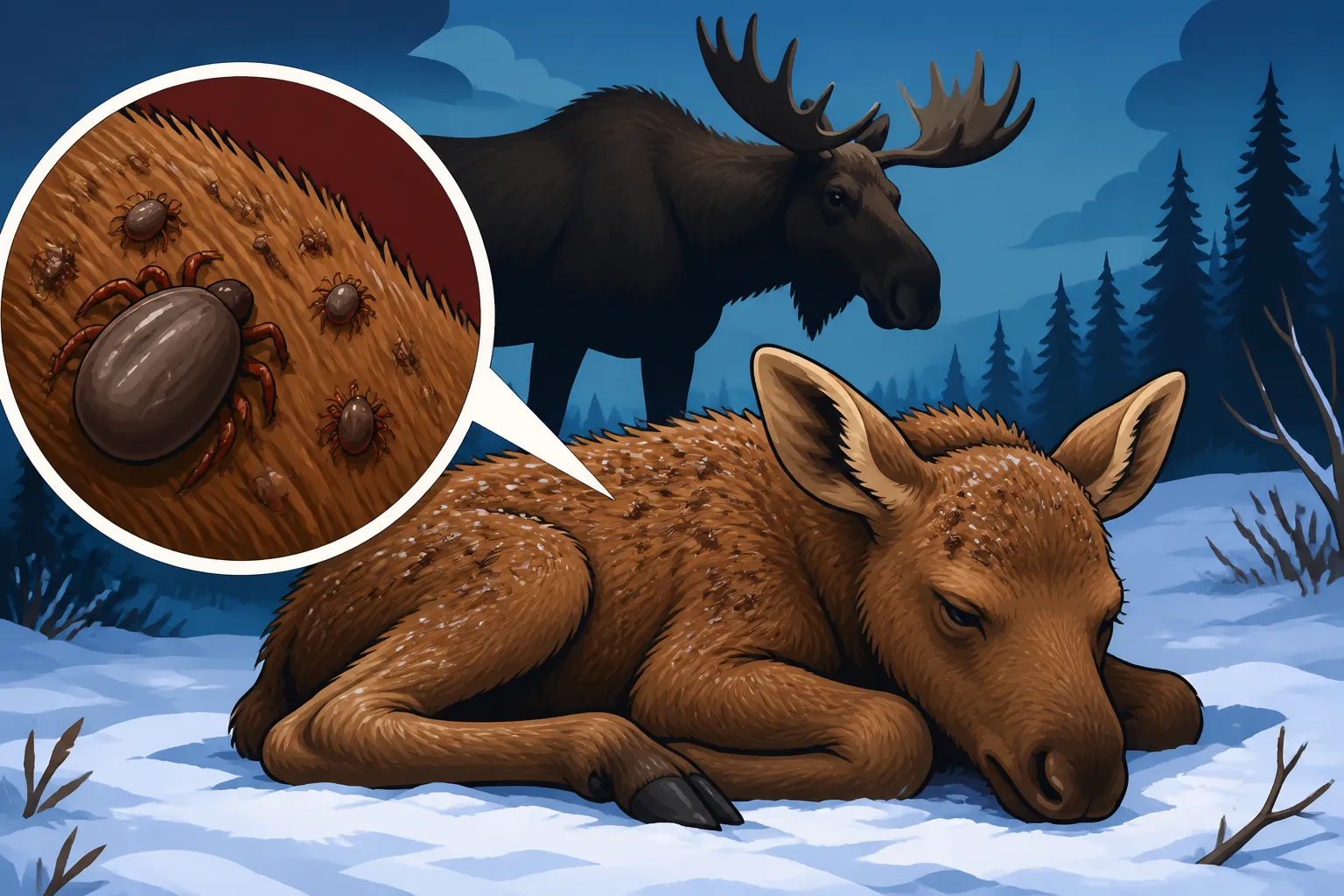
A healthy adult moose can generally tolerate a certain level of tick infestation, although even they suffer. However, moose calves, with their smaller body mass and less developed immune systems, are far more vulnerable. It’s not uncommon for a single moose calf to be infested with tens of thousands of winter ticks. Think about that number for a moment – thousands upon thousands of tiny mouths constantly feeding, each drawing a minuscule amount of blood, but collectively, it adds up to a massive drain on the animal’s vital fluids.
This constant blood loss leads to severe anemia. Calves already face the nutritional challenges of growing during winter, and now their bodies are expending critical energy to replace lost blood and fight off the irritation. The relentless itching and discomfort cause the calves to rub against trees and rocks incessantly, trying to dislodge the ticks. This behavior leads to significant hair loss, particularly on their shoulders, neck, and flanks, creating the distinctive "ghost moose" appearance.
The irritation and stress also profoundly impact the calves' behavior. Instead of conserving energy by browsing efficiently, they spend an inordinate amount of time scratching and rubbing. This reduces their foraging time, which is already at a premium in winter, leading to malnutrition. They become lethargic, less alert, and ultimately, less capable of escaping predators or finding adequate food. It’s a vicious cycle where the ticks weaken the calf, making it more susceptible to further damage from the ticks themselves.
The Impact on Calf Health and Survival
The direct physiological effects of such a heavy tick burden are devastating for moose calves. The severe anemia saps their strength, making them weak and listless. The loss of vast amounts of hair due to rubbing compromises their natural insulation, leading to hypothermia, especially during Maine’s frigid winter nights and late-season cold snaps. A calf that should be robustly growing and building reserves is instead battling constant blood loss and exposure.
These factors combine to create a critical energy deficit. A calf struggling with thousands of ticks, anemia, and hypothermia will have little energy left for growth or basic survival functions. They become emaciated, their ribs showing prominently, and their movement becomes slow and labored. Many calves simply succumb to a combination of malnutrition, exposure, and the direct effects of anemia. Those that survive the winter are often in such a weakened state that they remain vulnerable to other diseases or predators in the spring. Observing a moose calf suffering from a severe tick infestation can be truly heartbreaking, highlighting the urgent need for understanding and management. We often refer to efforts like Maine's Moose Density Reduction Study as a way to address this population-level problem.
A Perfect Storm: Environmental Triggers Fueling the Tick Crisis
While winter ticks have always been a part of the ecosystem, their impact on moose populations, particularly calves, has intensified dramatically in recent decades. This isn't just a natural ebb and flow; it's a critical environmental issue fueled by a combination of changing climate and specific habitat dynamics.
Climate Change and Shorter Winters
One of the most significant drivers behind the surge in winter tick populations and their increased impact is climate change, particularly the phenomenon of shorter, milder winters in regions like Maine. Historically, long periods of deep, persistent snow and sustained cold temperatures would suppress tick populations. Cold snaps would kill off many questing larvae before they could find a host, and deep snow would bury vegetation, making it harder for ticks to climb and ambush animals.
However, recent trends have shown warmer fall temperatures, allowing ticks a longer window to successfully attach to moose. Milder winters mean that more ticks survive on the host, and critically, earlier spring thaws allow engorged female ticks to drop off into less snow, or even bare ground, improving their survival and reproductive success. This creates a positive feedback loop: more ticks survive, lay more eggs, and the next generation's numbers explode, leading to even heavier infestations in subsequent years. This shift in climate patterns means the natural "checks and balances" that once regulated tick numbers are becoming less effective, directly contributing to the overwhelming burden on moose calves.
Moose Density and Habitat
The density of the moose population also plays a crucial role in the severity of winter tick infestations. When moose populations are high, especially in certain areas, the likelihood of ticks finding a host increases dramatically. Imagine a forest where moose are spread out versus one where they are more concentrated. In areas of higher density, an individual tick is much more likely to find a moose, and an individual moose is much more likely to pick up a massive number of ticks as it moves through the habitat.
Furthermore, factors like habitat fragmentation or the availability of prime feeding grounds can sometimes concentrate moose in smaller areas, inadvertently creating "tick hotspots." These concentrated areas become perfect breeding grounds for ticks to perpetuate their cycle with greater efficiency. While tools like GoHunt mapping features can help hunters understand habitat types and potential moose concentrations, it also highlights the need for broader landscape-level management strategies to ensure healthy distribution and reduce tick transmission. This connection between moose density and tick burden is why wildlife managers carefully consider strategies to maintain a balanced herd, often exploring options like Maine's Moose Density Reduction Study.
The Role of Snow Depth and Duration
Historically, Maine's deep and long-lasting snow cover acted as a natural protective barrier against winter ticks. In the fall, questing tick larvae would climb vegetation to wait for a host. If heavy snow fell early and remained deep, it would essentially bury the ticks, preventing them from reaching moose. Those ticks that managed to attach still faced challenges: deep snow forced moose to move less, potentially limiting their exposure to more ticks, and the sheer cold could slow tick development or even kill some.
However, as we've seen a decrease in consistent deep snow cover over recent winters, this natural defense mechanism has weakened. Less snow means more accessible vegetation for ticks to climb, increasing the chances of mass attachment in the fall. It also means that when engorged adult ticks drop off in late winter or early spring, they land on less snow or even bare ground, where they are more likely to survive and successfully lay eggs. This reduction in the natural "winter kill" of ticks allows more generations to thrive, leading to the escalating problem we see today. The absence of sufficient snow cover effectively rolls out a welcome mat for winter ticks, making it easier for them to complete their life cycle and continue their assault on our moose.
Beyond the Bare Patch: Identifying Infested Calves and Managing the Future
The sight of a tick-ravaged moose calf is a stark reminder of the challenges facing Maine's iconic ungulates. Understanding how to identify these struggling animals and recognizing the broader implications is crucial for both hunters and conservationists.
Recognizing a Tick-Infested Calf
Spotting a moose calf heavily infested with winter ticks often requires a keen eye, but the signs become quite clear once you know what to look for. The most tell-tale symptom is extensive hair loss, giving the calf a patchy, moth-eaten appearance. This is why these animals are often called "ghost moose" – large areas of their dark fur are replaced by pale skin where they’ve rubbed off their hair trying to alleviate the intense itching. This hair loss is typically most pronounced on the shoulders, neck, and flanks.
Beyond the visible hair loss, look for behavioral changes. An infested calf will often appear lethargic, moving slowly or showing a general disinterest in its surroundings. They might stand with their head down, appearing weak. You'll also likely observe excessive scratching, rubbing their bodies vigorously against trees, saplings, or even the ground. This constant irritation affects their foraging habits, as they spend less time eating and more time trying to relieve the incessant itch. In severe cases, they will be visibly emaciated, with their ribs and hip bones pronounced, indicating significant weight loss due to anemia and reduced feeding. Observing these signs is crucial, and reporting such sightings to wildlife officials can aid in ongoing research and monitoring efforts. While using tools like GoHunt for scouting and mapping can help you locate potential moose habitat, it’s important to remember these visual cues when you’re actually in the field.
Broader Impacts on Maine's Moose Population
The high mortality rates among moose calves due to winter ticks have profound consequences for the overall health and future of Maine's moose population. The primary impact is on population recruitment – the number of young animals successfully entering the breeding population. If a large percentage of calves die each year, fewer young moose are growing up to replace older animals or contribute to future generations. This can lead to an aging population structure and, eventually, a decline in overall moose numbers if left unaddressed.
Wildlife biologists carefully monitor these trends. For example, studies into How Many Moose Live in Maine reveal concerning declines in certain areas directly attributable to tick-related calf mortality. This data informs management decisions, including the allocation of moose permits. The department might adjust permit numbers to account for lower recruitment, ensuring that the harvest remains sustainable while the herd grapples with this environmental challenge. Understanding these complex population dynamics helps ensure the long-term viability of moose in Maine, balancing hunting opportunities with conservation needs. It's a different kind of challenge than, say, monitoring for Maine's CWD-Free Cervid Herd, but equally critical for herd health.
The Future Outlook for Maine Moose
The ongoing struggle with winter ticks presents a significant challenge for the future of moose in Maine. If climate trends continue towards milder, shorter winters, the tick burden is likely to remain high, potentially leading to continued high calf mortality rates and a struggling moose population. This isn't a problem with a simple, quick fix. It requires a multi-faceted approach involving ongoing research, adaptive management strategies, and public awareness.
Scientists are actively studying the mechanisms behind tick survival, moose resilience, and potential mitigation strategies. This includes monitoring population trends, evaluating the effectiveness of management actions like What Moose Density Reduction Aims to Fix, and even exploring the potential for moose to develop greater resistance over generations. For hunters and outdoor enthusiasts, our role is crucial: reporting observations of sick or tick-ridden moose to the Maine Department of Inland Fisheries and Wildlife provides invaluable data. Learning about how Maine Wildlife Disease Monitoring Program works and staying informed on the latest research findings allows us to be part of the solution. The future of Maine's moose depends on our collective understanding and commitment to addressing this complex environmental issue.
| Aspect | Description | Impact on Moose Calves | Observed Signs |
|---|---|---|---|
| Winter Tick Lifecycle | One-host tick; larvae attach in fall, feed through winter. | Constant blood loss from thousands of ticks for months. | Patchy hair, "ghost moose" appearance. |
| Heavy Infestation | Calves can carry tens of thousands of ticks. | Severe anemia, massive energy drain. | Lethargy, emaciation, slow movement. |
| Hair Loss (Rubbing) | Calves rub off hair due to intense itching. | Loss of critical insulation, leading to hypothermia. | Bare skin patches, especially on neck/shoulders/flanks. |
| Reduced Foraging | Time spent scratching reduces time spent eating. | Malnutrition, failure to build necessary winter fat reserves. | Visibly thin, ribs showing. |
| Behavioral Changes | Increased lethargy, decreased alertness, constant rubbing. | Increased vulnerability to predators, decreased survival instincts. | Disinterest, head down, slow to react. |
| Environmental Influence | Milder winters, higher moose density, less deep snow. | Increased tick survival, higher rates of infestation. | More widespread issue across the moose population. |
| Population Recruitment | High calf mortality means fewer young moose survive to adulthood. | Long-term decline in overall moose numbers and population health. | Fewer sub-adult moose observed in subsequent years. |
Disclaimer
This article is for general informational purposes only and does not constitute professional advice. Laws, prices and regulations vary by location and change over time. Consult a qualified professional for guidance on your specific situation.