Maine Moose Population Estimate
It's no secret that Maine is synonymous with moose. The very idea of the North Woods brings to mind these majestic, powerful animals. But for hunters, wildlife enthusiasts, and even just folks driving the backroads, a lingering question often surfaces: just how many moose are actually out there? The truth is, pinpointing an exact, real-time number is incredibly difficult, and the fluctuations can be a source of both hope and frustration. This comprehensive guide will pull back the curtain on how Maine's moose population is estimated, what those numbers actually mean, and the ongoing challenges and successes in managing this iconic species for generations to come.
Understanding Maine's Moose Population: Why Estimates Matter
When we talk about "population estimates," it's easy to dismiss them as just statistics, but for Maine's wildlife, these numbers are the backbone of sustainable management. They're not just figures on a page; they represent a delicate balance within the ecosystem and directly influence the health and future of our moose herd.
The Importance of Accurate Population Data
Think about it: if you're managing a bank account, you need to know how much money is coming in and going out, right? Wildlife management works much the same way. Accurate population data provides Maine's wildlife biologists with the critical insights they need to make informed decisions. These estimates help determine everything from the appropriate length of hunting seasons to the number of moose permits allocated each year. Without reliable numbers, it would be a shot in the dark, risking either overharvesting, which could severely impact the herd, or under-harvesting, which can lead to overpopulation in certain areas, stressing the habitat and increasing disease transmission.
Moreover, these figures help us understand the broader ecological picture. Moose are a keystone species in many parts of Maine; their browsing habits influence forest regeneration and overall biodiversity. Changes in their numbers can signal shifts in forest health, predator populations, and even climate impacts. For conservation groups and the general public, population estimates underscore the importance of habitat preservation and responsible land use. It’s about more than just hunting opportunities; it’s about maintaining a robust, healthy ecosystem that supports all its inhabitants.
Challenges in Counting Such a Large Animal
You might think, "They're huge! How hard can they be to count?" Well, anyone who has spent time in Maine's vast, dense wilderness knows the challenge. Moose are incredibly elusive animals, and Maine's landscape, particularly the sprawling North Woods, offers endless places for them to hide. We're not talking about counting sheep in a pasture here; we're talking about individual animals spread across millions of acres of thick spruce-fir forests, cedar swamps, and remote clear-cuts.
Direct, one-by-one counting is virtually impossible. Moose have vast home ranges, especially the bulls, and they're constantly on the move. Their brown and black coats blend seamlessly with the shadows and dark timber. During most of the year, the foliage is so thick that even from the air, spotting them is a monumental task. Biologists can't just send out a team with clickers and expect a perfect census. Instead, they rely on sophisticated estimation techniques that account for these challenges, using statistical modeling and sampling methods to get the most accurate picture possible. It's a testament to the dedication of our wildlife professionals that they can even get close to an accurate figure in such a challenging environment.
How Maine Biologists Estimate Moose Numbers
So, if counting every single moose is out of the question, how do we arrive at those population estimates? Maine's Department of Inland Fisheries and Wildlife (MDIFW) employs a multi-faceted approach, combining aerial surveys, biological studies, and hunter input to build a comprehensive picture of the herd's health and size. It's a blend of high-tech and on-the-ground observation.
Aerial Survey Techniques
One of the primary tools in the biologist's arsenal is the aerial survey. This isn't just someone casually flying over the woods; it's a meticulously planned operation. Fixed-wing aircraft, typically equipped with GPS and specialized recording equipment, fly predetermined transect lines over specific Wildlife Management Districts (WMDs). These transects are like invisible grid lines across the landscape, ensuring a standardized sampling effort. The team onboard, usually a pilot and two observers, counts moose spotted within a defined distance from the aircraft.
The timing of these surveys is absolutely crucial. They are almost exclusively conducted during late winter, typically February or March, when there's good snow cover on the ground and deciduous trees have dropped their leaves. The snow provides a stark white backdrop, making the dark silhouettes of moose much easier to spot against the landscape. It also allows observers to track moose movements, identify areas of high density, and even distinguish between bulls, cows, and calves, when possible. The data collected from these sample areas is then extrapolated across the entire WMD, using statistical models to produce a population estimate. It's a costly and labor-intensive process, but it yields invaluable information about where moose are concentrated and in what numbers.
Calving Rate and Recruitment Studies
Beyond just counting bodies, understanding the demographics of the herd is vital. This is where calving rate and recruitment studies come into play. Biologists actively track cow moose, often using GPS collars, to monitor their reproductive success and the survival of their calves. A healthy moose population needs a strong recruitment rate – meaning enough calves are surviving to adulthood to replace older animals and maintain or grow the herd.
These studies help answer critical questions: How many cows are having calves? What percentage of those calves survive their first year? What factors are impacting calf survival? For instance, issues like winter tick infestation can dramatically reduce calf survival rates, acting as a major drag on population growth. By observing these trends, biologists can predict future population trajectories and identify areas of concern. If calf recruitment is low in a particular WMD, it might signal a need to adjust hunting permits to allow the population to recover, or to investigate other environmental stressors. The long-term health of Maine's moose population hinges on successful reproduction and calf survival.
Hunter Harvest Data and Field Observations
While high-tech surveys are essential, the everyday observations and data provided by hunters are equally valuable. Every moose harvested in Maine must be registered, providing a wealth of information. This includes the animal's sex, estimated age, and the specific WMD where it was taken. This harvest data, collected over decades, forms a critical baseline for population modeling. Biologists can track harvest trends, success rates, and the age structure of the harvested animals, which offers insights into the overall age structure of the herd.
Additionally, seasoned hunters, guides, and game wardens spend countless hours in the field and contribute invaluable anecdotal and observational data. They notice changes in moose behavior, report sightings of sick animals, or identify areas with unusually high or low moose sign. This on-the-ground intelligence complements the scientific data, providing a more nuanced understanding of local moose dynamics. For example, a guide running a remote camp in the North Woods might notice an increase in cow and calf sightings in a specific watershed, or a decrease in bull numbers after a particularly harsh winter. This type of qualitative input, especially when corroborated over time and across different individuals, can be very helpful to biologists. Tools and resources, such as those offered by platforms like GoHunt, can further aid hunters in understanding harvest trends and management strategies, allowing them to better contribute to these observations.
Current Maine Moose Population Estimates and Trends
So, what are the numbers telling us right now about Maine's moose? It's a dynamic picture, with shifts and trends that biologists are constantly monitoring and responding to.
Overview of Recent Population Figures
Maine is home to the highest moose population in the lower 48 states, a fact we often pride ourselves on. While exact numbers fluctuate annually and are challenging to pin down perfectly, recent estimates place the statewide population somewhere in the range of 60,000 to 70,000 animals. These figures are primarily derived from the intensive aerial surveys and subsequent modeling efforts, particularly focused on the northern and western WMDs where moose densities are highest.
Historically, Maine's moose population saw a significant rebound from very low numbers in the early 20th century. Conservation efforts, habitat changes (like extensive logging creating young forest), and regulated hunting helped the herd thrive, reaching peak numbers in the early 2000s. In recent years, however, there's been a noticeable stabilization and, in some areas, a decline, particularly in the core northern range. This isn't a catastrophic drop, but it's enough to warrant serious attention and management adjustments. The trend suggests that the population might be reaching carrying capacity in some areas, while facing new challenges in others.
Regional Differences in Moose Density
Maine is a large and diverse state, and moose populations aren't evenly distributed. If you've ever driven through Aroostook County versus, say, York County, you'll intuitively understand why. The highest concentrations of moose are found in the expansive forests of northern and western Maine, particularly in WMDs like 1, 2, 4, 5, and 6. These areas offer vast tracts of undeveloped timberland, abundant forage, and fewer human disturbances. It's truly where you feel like you're in "moose country." These regions often have densities exceeding one moose per square mile, with some localized areas even higher.
Conversely, as you move south and east into more developed and agricultural landscapes, moose densities decrease significantly. WMDs closer to the coast or major population centers, like 23, 24, and 28, have far fewer moose. These areas might still have resident animals, but they exist in smaller, more fragmented pockets of habitat. This regional variation is a key consideration in management, dictating different permit allocations and strategies across the state. Understanding Where Maine's Moose Density Is Highest is not just academic; it directly influences hunting opportunities and the focus of conservation efforts. The health of these regional populations is intertwined with the specific local conditions, from forest types to winter weather patterns.
Factors Influencing Population Fluctuation
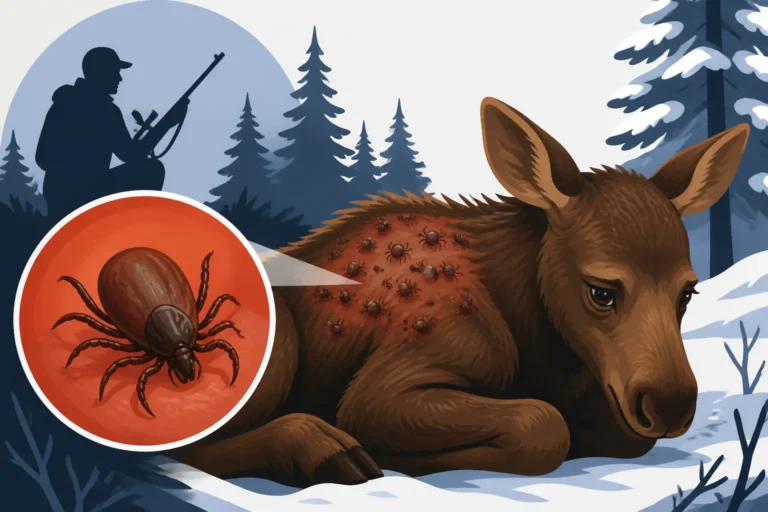
The primary driver behind recent population shifts in Maine's moose herd, particularly the declines in the northern and western WMDs, is a tiny, insidious creature: the winter tick. It might sound unbelievable that such a small parasite could impact an animal as large as a moose, but the reality is stark. Warmer, shorter winters mean fewer tick die-offs, leading to an explosion in tick numbers. Moose can become infested with tens of thousands, or even hundreds of thousands, of these ticks. This massive blood loss weakens the animals, particularly calves, making them anemic, susceptible to other diseases, and severely underweight.
The impact on calf survival is especially devastating, which is why we often hear about Why Winter Ticks Are Killing Maine Moose Calves. This directly affects the recruitment rate—the number of young moose entering the breeding population. Habitat changes, while less dramatic than ticks in recent years, also play a role. As forests mature, they offer less of the preferred browse that moose thrive on. Predation by coyotes and bears can also impact calf survival, though ticks are currently the dominant factor. Finally, vehicle collisions, especially during migrations or mating season, also contribute to mortality, though this is a less significant factor than tick loads on the overall population trend.
The Role of Moose Management in Maine
With a population facing various pressures, Maine's approach to moose management is crucial. It's a proactive, science-based endeavor designed to maintain a healthy and sustainable herd while providing hunting opportunities.
Adaptive Management Strategies
Maine's moose management isn't a static set of rules; it's an adaptive process. This means biologists constantly monitor the population, assess challenges like winter ticks, and adjust management strategies accordingly. The core of this adaptive approach lies in the moose permit system. Based on the latest population estimates, calving rates, and tick prevalence data, the MDIFW determines the number of permits to issue for each WMD. If a district shows signs of decline, especially in calf survival, permit numbers might be reduced to allow the population to stabilize or recover. Conversely, in areas with robust populations, or where a reduction in density is actually desired to combat tick issues, permit numbers might be increased.
This isn't about arbitrary numbers; it's about achieving a "desired density" in different regions. In parts of the North Woods, for example, biologists are actively seeking to reduce moose density in an effort to lessen the burden of winter ticks on the herd. This concept is central to Maine's Moose Density Reduction Study. It’s a complex balancing act, recognizing that a healthy population isn't always the largest possible population, especially when disease vectors are at play. By continuously evaluating and adjusting, Maine strives to ensure the long-term health and vitality of its moose.
Impact of Hunting Seasons on Population Health
Hunting plays a vital and often misunderstood role in moose management. Rather than simply being a harvest, the regulated hunting season is a critical tool for maintaining population health and balancing numbers with available habitat. By issuing a controlled number of permits, Maine can manage specific demographics within the herd. For example, antlerless permits (cow permits) are often used to target population reduction in areas where densities are too high, which in turn can reduce the overall host load for winter ticks. Fewer moose in a given area can mean fewer ticks for the remaining moose.
Furthermore, hunting allows for the removal of older, less reproductive animals, or animals that might be struggling with health issues, allowing resources to be redistributed to younger, healthier moose. It's a form of selective pressure that can, when managed correctly, enhance the overall vigor of the herd. The careful allocation of permits through processes like the Maine Moose Lottery Application Process ensures that harvest levels are sustainable and aligned with management goals for each WMD. This isn't just about providing opportunities for hunters; it’s a fundamental component of active wildlife conservation.
Conservation Efforts Beyond Hunting
While hunting is an integral part of management, it's certainly not the only effort underway to conserve Maine's moose. Extensive conservation efforts also focus on habitat preservation and enhancement. Moose require vast tracts of diverse forestland, with a mix of regenerating clear-cuts for browse and mature stands for thermal cover in winter. Land conservation initiatives, working with private timberland owners and organizations, are crucial for maintaining these critical habitats. The creation and protection of large, contiguous blocks of undeveloped land ensure that moose have the space and resources they need to thrive, unfragmented by development.
Research is another cornerstone of conservation. Biologists are continuously studying moose behavior, movement patterns, dietary needs, and the complex dynamics of winter ticks. This research informs management decisions and helps predict future challenges. Public education also plays a significant role, raising awareness about moose biology, the challenges they face, and the importance of responsible human interaction, such as reducing vehicle collisions. It’s a holistic approach, recognizing that moose conservation requires efforts from every segment of society, from scientists and landowners to hunters and outdoor enthusiasts.
Future Outlook for Maine's Moose
Looking ahead, the future of Maine's moose is a blend of hope and ongoing vigilance. The challenges are real, but so are the dedicated efforts to ensure these magnificent animals continue to roam our forests.
Ongoing Research and Monitoring
The work of Maine's biologists is never truly "done." The dynamic nature of wildlife populations and environmental conditions means that ongoing research and monitoring are absolutely essential. Scientists are constantly exploring new methods to improve population estimates, from refining aerial survey techniques with advanced optics and GPS mapping to utilizing remote sensing data. They are also delving deeper into the genetics of Maine's moose, studying their resilience to disease, and understanding their adaptability to a changing climate.
Collaborative research with universities and other states facing similar moose challenges is also key, allowing for shared knowledge and more effective strategies. These long-term studies provide invaluable data, helping us understand trends over decades rather than just a few years. It's a continuous process of learning, adapting, and innovating to stay one step ahead of potential threats. Platforms like GoHunt can play a role here, providing accessible summaries of research findings and population data to a wider audience, empowering hunters and enthusiasts to stay informed and engaged. This commitment to scientific inquiry is our best defense against unforeseen challenges.
Adapting to Environmental Changes
Perhaps the most significant long-term challenge for Maine's moose is climate change. Warmer average temperatures, particularly shorter, less severe winters, create ideal conditions for the proliferation of winter ticks. This isn't just a cyclical problem; it represents a fundamental shift in the environment that moose have evolved to thrive in. Maine is proactively exploring and implementing strategies to mitigate these impacts, such as the aforementioned density reduction efforts in affected WMDs. The goal is to create a more resilient herd by reducing stress factors where possible.
Beyond ticks, changing precipitation patterns, shifts in forest composition, and potential alterations to the timing of seasons can all affect moose habitat and food availability. Maine's wildlife managers are working to understand these broader ecological shifts and develop long-term adaptation plans. This includes promoting diverse forest management practices that create a mosaic of habitats, ensuring moose have access to both nutrient-rich browse and vital thermal cover as conditions change. It's about thinking decades into the future to safeguard our moose.
The Hunter's Role in Sustainable Moose Management
Hunters are, and always have been, critical partners in wildlife conservation in Maine. For moose, this partnership is more important than ever. Responsible hunting helps maintain the herd at healthy, sustainable levels, particularly in the face of challenges like winter ticks. By participating in the Maine Moose Lottery Application Process and, if successful, harvesting an animal, hunters contribute directly to management goals. Each animal harvested provides valuable biological data through the registration process, which is fed back into the population models.
Beyond the harvest, ethical hunting practices, such as ensuring a clean kill and diligent tracking, are paramount. Hunters also act as invaluable eyes and ears in the woods, reporting unusual observations to biologists. Understanding the nuances of What a Once-in-a-Lifetime Moose Tag Means instills a deep sense of appreciation and responsibility. By adhering to regulations, understanding the scientific basis of management, and actively participating in the process, hunters ensure that Maine's moose population remains robust and continues to be a source of pride and opportunity for generations to come. It’s a shared stewardship, where everyone has a part to play in protecting this incredible resource.
Maine Moose Population Trends Over Time
To truly grasp the story of Maine's moose, it helps to see the big picture of population estimates and permit allocations over time. While annual survey numbers fluctuate and are often reported for specific WMDs rather than a single statewide figure, the trends become clear when viewed over a longer period.
| Year Range | Estimated Statewide Population | Key Trend/Notes | Permits Allocated (General) | Calf Survival (General Trend) |
|---|---|---|---|---|
| Early 2000s | 75,000 – 80,000+ | Peak population period; strong growth after recovery. Excellent calf survival. | High (3,000-4,000+) | High |
| Mid-2000s | 70,000 – 75,000 | Population begins to stabilize; initial concerns about habitat carrying capacity in some areas. | High | Moderate-High |
| Late 2000s | 65,000 – 70,000 | Winter tick impacts begin to become more noticeable, particularly in northern WMDs. | Stable/Slight Decrease | Moderate |
| Early 2010s | 60,000 – 65,000 | Sustained and increasing winter tick mortality, especially among calves. Active research and monitoring intensified. | Decreasing (2,000-3,000) | Declining |
| Mid-2010s | 55,000 – 60,000 | Population decline more pronounced in hardest-hit WMDs. Adaptive management strategies, including density reduction, implemented. | Significantly Decreased | Low |
| Late 2010s | 50,000 – 55,000 | Stabilization in some WMDs due to management, but tick issues persist. Overall statewide estimate reflects previous declines. | Stable/Slight Increase | Low-Moderate |
| Early 2020s | 60,000 – 70,000+ | Some population recovery observed in certain WMDs, reflecting targeted management (e.g., density reduction leading to better health for remaining moose). Continued focus on tick mitigation. Current estimates often hover in this range statewide. | Moderate (3,000-4,000+) | Improving in managed areas |
Note: These figures are approximate statewide estimates and trends. Maine manages moose by individual Wildlife Management Districts (WMDs), so conditions and estimates can vary significantly from one WMD to another. "General Trend" refers to the overall observation across multiple WMDs, not specific annual figures.
Disclaimer
The information provided in this article is for general informational purposes only and does not constitute legal advice or replace official regulations. Hunting laws, permit requirements, and population estimates are subject to change. Always consult the most current Maine Department of Inland Fisheries and Wildlife (MDIFW) regulations and official publications before planning any hunting activities.