Maine Scoter Population Trends
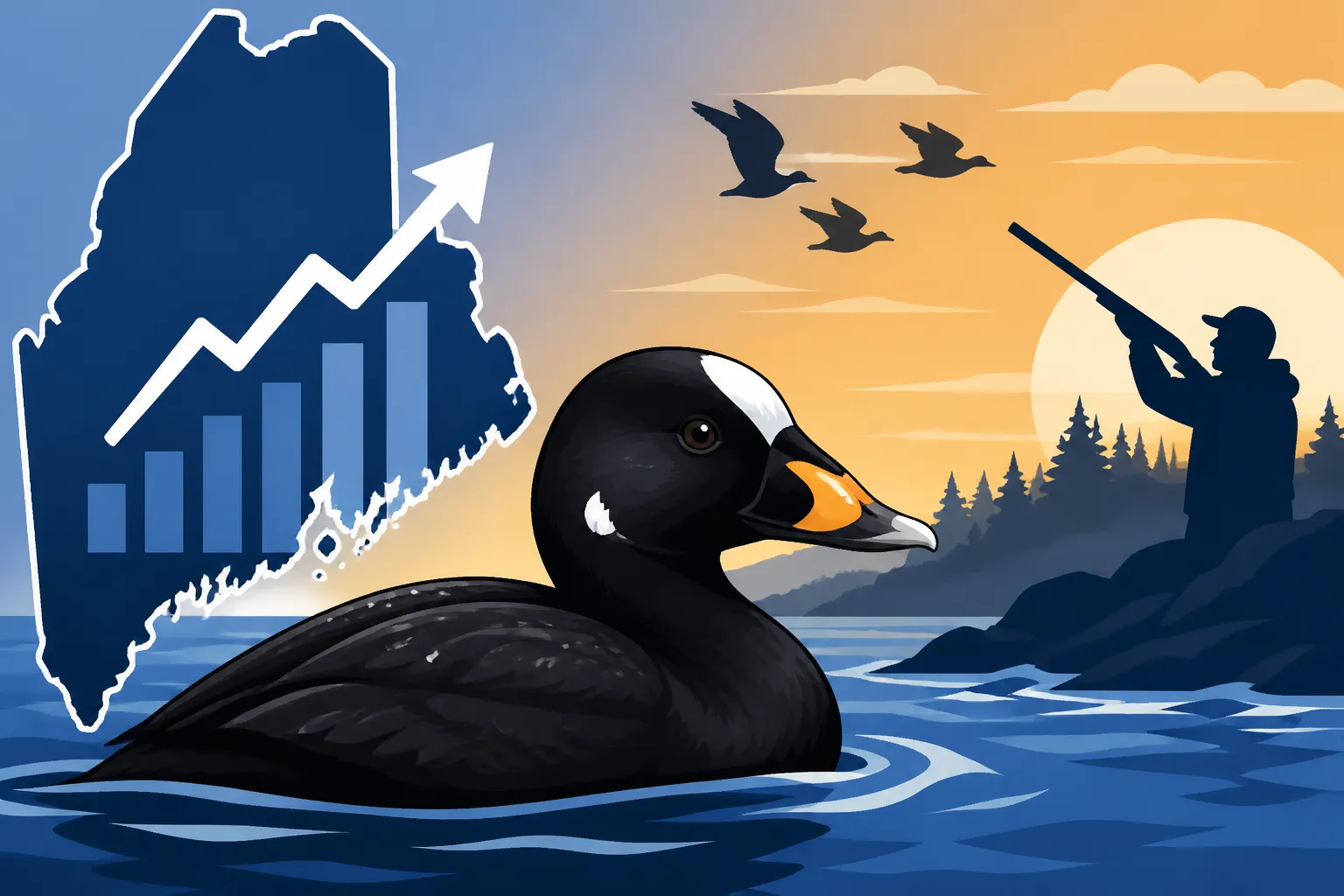
Many seasoned Maine sea duck hunters have watched the subtle, and sometimes not-so-subtle, shifts in scoter populations over the years, often wondering what drives the numbers up or down on their favorite stretches of coastline. This comprehensive guide will delve into the various factors influencing scoter population trends in Maine, offering insights into their biology, the challenges they face, and what these shifts mean for their long-term health and for those of us who cherish chasing them.
Understanding Maine's Three Scoter Species
Before we dive into population trends, it's crucial to understand who we're talking about. In Maine, when we speak of scoters, we're generally referring to three distinct species: the Black Scoter, the Surf Scoter, and the White-winged Scoter. Each has its own characteristics, preferred habitats, and migration patterns, though they often share the same coastal wintering grounds here in the Pine Tree State. Recognizing these differences helps us appreciate the nuances in their individual population dynamics.
The Black Scoter: A Coastal Classic
The Black Scoter (Melanitta nigra) is often considered the "original" scoter, identifiable by its sleek, all-black plumage in males, punctuated by a bright orange knob on its bill. Females are typically dark brownish-gray with paler cheeks. These birds are truly oceanic, preferring the open water of bays and the surf zone, feeding primarily on marine mollusks like mussels and clams. They're strong flyers and excellent divers, perfectly adapted to the rugged Maine coast. Their breeding grounds stretch across the Arctic tundra and boreal forests of Canada and Alaska, making their journey to our shores a long and arduous one. While they might not be as numerous as some other sea ducks, their presence is a hallmark of a robust coastal ecosystem, and many hunters specifically target these birds for their unique challenge.
The Surf Scoter: The Bold Diver
The Surf Scoter (Melanitta perspicillata) is perhaps the most strikingly marked of the three, with males sporting a prominent black body, a white patch on the forehead, and a large, colorful bill often described as resembling a Roman nose, displaying patches of orange, white, and black. Females are also dark but feature two distinct white patches on the sides of their heads. As their name suggests, Surf Scoters have a particular fondness for the turbulent waters of the surf zone, where they dive to forage for mollusks, crustaceans, and small fish. They're often seen in large rafts, especially during migration, and their calls are a familiar sound along our rocky shores. Their breeding range is primarily within the boreal forests of western and central Canada, indicating a significant migratory journey to reach our Atlantic waters. Hunting Scoters in Maine's Open Water often involves seeking out these bold and readily identifiable birds.
The White-winged Scoter: The Largest and Fastest
The White-winged Scoter (Melanitta deglandi) is the largest and heaviest of the scoters, and indeed, one of the largest ducks in North America. Males are mostly black with a distinctive white speculum (wing patch) that's visible in flight and often at rest, along with a small white patch under the eye. Their bills are often orange with a black knob. Females are dark brownish with white patches on their face and the same white wing patch. These powerful ducks are deep divers, often found further offshore in deeper waters than their scoter cousins, where they primarily consume a wide variety of shellfish. They are known for their fast, direct flight and can be quite challenging to harvest. Their breeding grounds extend across the interior of Alaska and Canada, often on large freshwater lakes in forested areas, making their migration to Maine's saltwater even more impressive. Their long-distance travel and specific habitat needs mean their populations can be influenced by a broad range of environmental factors across the continent.
Factors Influencing Maine's Scoter Populations
Scoter populations, like those of many migratory waterfowl, are a complex tapestry woven from countless environmental threads. While we might observe changes in their numbers on our local Maine waters, the true story often begins thousands of miles away on their remote breeding grounds or along their extensive migration routes. Understanding these contributing factors is key to interpreting the population trends we see here in Maine.
Breeding Ground Conditions
The success of a scoter breeding season is paramount to the overall health of its population. Factors on the breeding grounds—primarily in the vast boreal forests and Arctic tundra of Canada and Alaska—directly impact how many young birds are produced and, subsequently, how many adults return to winter in places like Maine.
Severe weather, such as late spring snowfalls or prolonged cold spells, can devastate early nesting attempts, reducing the number of ducklings that hatch. Conversely, exceptionally warm and dry conditions can lead to drought in critical wetland habitats, limiting insect availability (a crucial food source for ducklings) and making nests more vulnerable to predation. Predation by foxes, gulls, and other opportunistic species is a constant threat on the breeding grounds. Habitat degradation, though perhaps less pronounced in the remote northern regions compared to agricultural zones, can still play a role. Logging practices, mining, and oil and gas exploration, even when regulated, can fragment habitats and alter water quality in sensitive nesting areas. When you're looking at broader waterfowl trends, sometimes even information from platforms like GoHunt can offer data-driven insights into the general health of waterfowl populations across North America, though specialized sea duck data is often more specific to coastal surveys.
Migration and Wintering Habitat
The journey from breeding grounds to wintering areas, and back again, is fraught with peril for scoters. Their long-distance migrations expose them to a myriad of challenges, and the quality of their wintering habitat along the Maine coast is just as vital as their nesting success.
During migration, scoters rely on staging areas, often large freshwater or brackish lakes and estuaries, to rest and refuel. Any disturbance, pollution, or lack of food in these critical stopover points can impact their energy reserves and survival rates. Once they arrive in Maine for the winter, habitat quality remains paramount. Scoters depend on healthy marine ecosystems, particularly abundant shellfish beds, to sustain them through the colder months. Pollution from urban runoff, industrial discharges, or accidental oil spills can directly contaminate their food sources or harm the birds themselves. Climate change also presents a growing concern; warming ocean temperatures could alter the distribution and abundance of the benthic (bottom-dwelling) invertebrates that scoters feed on, forcing them to expend more energy searching for food or move to less ideal areas. Heavy boat traffic, development along the coastline, and even the presence of certain aquaculture operations can disrupt their foraging patterns and push them from preferred areas, impacting their overall health and body condition for the return migration. How Many Sea Ducks Winter Off Maine highlights the importance of our coastal environment to these species.
Predator and Disease Dynamics
Natural predation is a constant force in the lives of scoters, both on their breeding grounds and during their time in Maine. On the breeding grounds, various mammalian and avian predators take a toll on eggs, ducklings, and even adult birds. During migration and on wintering grounds, eagles, falcons, and even some marine mammals can prey on scoters, especially those that are weak or injured. While this is a natural part of the ecosystem, an imbalance in predator populations can exacerbate its impact on scoter numbers.
Diseases can also sweep through waterfowl populations, sometimes with devastating effects. Avian botulism and avian cholera are examples of diseases that can cause significant die-offs in concentrated waterfowl populations, though scoters, being more dispersed in marine environments, might be less susceptible than dabbling ducks in freshwater wetlands. Parasites and other ailments can also weaken birds, making them more vulnerable to predation or environmental stressors. Monitoring for these diseases is a critical component of waterfowl management.
Hunter Harvest
Hunter harvest is a factor that managers can directly influence through bag limits and season lengths. While it's a topic that can spark debate, scientific studies generally indicate that regulated hunting, when properly managed based on robust population data, is typically a minor factor in overall population trends for most waterfowl species, including scoters.
Harvest regulations are set to ensure sustainable populations, taking into account breeding success, overwintering survival, and migratory patterns. The goal is to allow for recreational opportunity while ensuring that hunting pressure does not negatively impact long-term population health. Maine Sea Duck Season and Zones are carefully designed to manage this. The challenge with scoters and other sea ducks is that they are relatively long-lived birds with lower reproductive rates compared to many dabbling ducks, meaning their populations can take longer to recover from significant declines. Therefore, managers often take a more conservative approach to sea duck harvest. Hunters themselves, through their purchase of licenses and duck stamps, contribute significantly to the funding of habitat conservation and research efforts that ultimately benefit scoters and all waterfowl.
Monitoring and Management Efforts for Maine's Scoters
Understanding the intricate dance of scoter populations requires dedicated and ongoing scientific effort. Federal and state agencies work tirelessly, often in collaboration, to gather data, analyze trends, and implement management strategies aimed at conserving these unique sea ducks. This behind-the-scenes work is crucial for ensuring healthy populations for generations to come.
Aerial Surveys and Banding Programs
One of the primary tools for monitoring scoter populations, particularly on their breeding grounds, involves extensive aerial surveys. Biologists fly transects over vast stretches of the Arctic and boreal regions, counting breeding pairs and assessing habitat conditions. These surveys provide crucial indices of breeding success and overall population estimates, helping to inform harvest regulations for the upcoming fall and winter seasons. While challenging due to the remote nature of their breeding grounds, these surveys are the backbone of waterfowl management.
On the wintering grounds, specialized coastal sea duck surveys are conducted. These surveys, often involving low-altitude flights along the Maine coastline, aim to estimate the number of scoters and other sea ducks wintering in specific areas. This data, combined with breeding ground information, gives managers a more complete picture of population health. Additionally, banding programs, where individual birds are captured, fitted with numbered leg bands, and then released, provide invaluable information on migration routes, survival rates, and harvest rates. When a banded bird is harvested or recaptured, the information gleaned from that band helps scientists refine their understanding of scoter movements and longevity.
Habitat Conservation Initiatives
Beyond simply counting birds, a major focus of scoter management is habitat conservation. Protecting and restoring critical breeding, migration, and wintering habitats is paramount. In Maine, this often means safeguarding coastal estuaries, salt marshes, and offshore waters from pollution and development. Organizations work to acquire and manage coastal lands, preventing habitat degradation and ensuring that scoters have undisturbed areas to feed and rest.
On their northern breeding grounds, efforts are made to work with landowners, industry, and indigenous communities to minimize the impact of resource extraction on nesting wetlands. International collaborations are also vital, as scoters are migratory birds that cross national borders. Conservation efforts in Canada and the U.S. are interconnected, recognizing that protecting scoters requires a continental approach. The Atlantic Flyway Council, composed of wildlife agencies from Atlantic Coast states and Canadian provinces, plays a crucial role in coordinating these efforts and developing flyway-wide management plans for all migratory birds.
Adaptive Harvest Management
The concept of adaptive harvest management is central to modern waterfowl conservation. This approach recognizes that there will always be some uncertainty in population data and ecological responses. Instead of rigid, unchanging rules, adaptive management involves setting harvest regulations (like Maine Scoter Daily Limit or season dates) that are flexible and adjusted annually based on the most current scientific data.
For scoters, this means that if breeding ground surveys indicate a downturn in production, harvest limits might be reduced the following season to allow populations to recover. Conversely, if numbers appear robust, regulations might be more liberal. This constant cycle of monitoring, assessing, and adjusting allows managers to respond effectively to changing environmental conditions and population dynamics. For hunters interested in understanding the data that drives these decisions, looking into public wildlife reports or even using platforms like GoHunt for broader game species analysis can deepen their appreciation for the complexity of wildlife management.
Research and Data Analysis
Underpinning all monitoring and management efforts is rigorous scientific research and data analysis. Scientists continuously study scoter biology, ecology, and behavior to better understand their needs and vulnerabilities. This includes studying their diet, reproductive success, causes of mortality, and genetic diversity.
Advanced statistical modeling is used to analyze population trends, predict future scenarios, and evaluate the effectiveness of different management strategies. For instance, understanding the impact of specific pollutants on shellfish populations or the effect of changing ocean currents on scoter foraging can lead to more targeted conservation actions. This commitment to science ensures that management decisions are evidence-based, leading to the most effective outcomes for scoter populations in Maine and across their range. It's a testament to the dedication of biologists and conservationists who are constantly refining our understanding of these incredible birds.
How Hunters Can Contribute to Scoter Conservation
As hunters, we are often the first to notice subtle shifts in wildlife populations and are uniquely positioned to contribute to conservation efforts. Our passion for the outdoors and our direct connection to the resource make us invaluable partners in ensuring the healthy future of Maine's scoter populations.
Adhering to Regulations and Ethical Hunting Practices
The most fundamental way hunters contribute is by strictly adhering to all state and federal hunting regulations. This includes respecting Maine Sea Duck Zone Boundaries, understanding Maine Scoter Daily Limit, and ensuring you have the proper licenses and stamps, like the Maine Federal Duck Stamp Requirement and HIP certification. These regulations are not arbitrary; they are carefully crafted based on scientific data to ensure sustainable harvest levels and protect the long-term health of the species.
Beyond legal compliance, ethical hunting practices are equally important. This means making clean shots to minimize crippling losses, retrieving all downed birds, and being able to identify your target species correctly before pulling the trigger. Responsible hunting showcases our respect for the resource and helps maintain public support for hunting as a conservation tool. Remember, how we conduct ourselves in the field reflects on the entire hunting community.
Reporting Observations and Banded Birds
Hunters are often on the front lines, spending countless hours observing wildlife in their natural habitats. Your keen eyes and direct experiences can provide valuable data to wildlife managers. If you notice unusual health issues in birds, significant changes in scoter distribution, or unexpected declines in local numbers, reporting these observations to the Maine Department of Inland Fisheries and Wildlife (MDIFW) can be incredibly helpful. This anecdotal evidence, when corroborated, can sometimes signal emerging issues that require further investigation.
Even more critical is reporting any banded birds you harvest. The information on that band is a direct link to a scientific study, providing essential data points on migration, survival, and harvest rates. There's a federal website where you can report band numbers, and it's a simple, yet profoundly impactful, way to contribute directly to waterfowl research. Each band reported helps fill in a piece of the puzzle, allowing biologists to refine their population models and management strategies.
Supporting Conservation Organizations
Many incredible conservation organizations are dedicated to protecting waterfowl and their habitats, often using funds generated directly or indirectly from hunters. Groups like Ducks Unlimited, Delta Waterfowl, and local land trusts do vital work, from restoring wetlands on breeding grounds to protecting coastal areas in Maine.
By becoming a member, volunteering your time, or donating to these organizations, you directly support projects that benefit scoters and other sea ducks. These efforts range from habitat restoration and acquisition to policy advocacy and scientific research. Every dollar and every hour contributed helps ensure that scoters have healthy places to live, breed, and migrate. Even platforms like GoHunt, while not a direct conservation organization, often emphasize the importance of hunter contributions to conservation funding, underscoring the collective impact of the hunting community.
Advocating for Sound Management and Policy
Finally, hunters can play a crucial role in advocating for sound wildlife management and conservation policies. Staying informed about proposed regulations, participating in public comment periods, and reaching out to elected officials can help ensure that decisions are made based on scientific principles rather than political pressure or misinformation.
Educating non-hunters about the role of hunting in conservation, the biological needs of species like scoters, and the importance of healthy marine ecosystems is also a powerful form of advocacy. By sharing your knowledge and passion, you help foster a greater understanding and appreciation for wildlife, building broader support for conservation initiatives that ultimately benefit scoters and the wild places they call home. Hunting the Maine Resident-Only Day also provides an opportunity to connect with local officials and discuss conservation priorities.
Summary of Scoter Species and General Status
To help consolidate some of this information, here's a quick overview of our three scoter species in Maine:
| Scoter Species | Key Identification (Male) | Preferred Habitat (Maine Winter) | General Status (Recent Trends) |
|---|---|---|---|
| Black Scoter | All black, orange knob on bill | Open ocean, surf zone, larger bays | Generally stable or slightly declining in some areas |
| Surf Scoter | Black, white patches on head/forehead, colorful bill | Surf zone, coastal bays, nearshore reefs | Mixed, some localized declines, but generally stable |
| White-winged Scoter | Largest, black, white wing patch, white eye patch | Deeper offshore waters, larger bays/sounds | Generally stable, but can be sensitive to habitat changes |
Note: Population trends are complex and can vary by region and over time. This table provides a simplified overview.
By understanding these incredible birds, recognizing the challenges they face, and actively contributing to their conservation, Maine hunters can ensure that the distinctive sight and sound of scoters continue to grace our rugged coastline for many hunting seasons to come.
Disclaimer
This article is for general informational purposes only and does not constitute professional advice. Laws, prices and regulations vary by location and change over time. Consult a qualified professional for guidance on your specific situation.